Water Access Challenges in Beb El Tebbeneh
In Beb El Tebbeneh, water access has been a significant challenge for many residents. In some areas, the situation is so dire that households experience complete water shortages. Those who do have access to water often face exorbitant costs, adding to the daily struggles of securing this essential resource.
Unfortunately, the citizens of Beb El Tebbeneh are individuals with the lowest incomes who face the most hardship, especially in this economic stratum, struggling to cover their basic needs and water is one of them. Moreover, the high price of water worsens the difficulties for local communities, highlighting an urgent need for sustainable solutions to address the water crisis in the region.
The Hurdles of Fuel Reliance for Water
Recognizing the urgency of this matter, local Sheikhs organized a significant well project. This initiative was a much-needed step toward alleviating the water crisis, but the wells’ reliance on fuel-powered generators posed another challenge. The financial strain of maintaining these generators, amid Lebanon’s ongoing fuel shortages and skyrocketing costs, meant the solution was far from sustainable.
Joint Effort Brings Solar-Powered Water to Households
To add to the efforts in meeting the needs of the community, the youth of MARCH from Jabal Mohsen and Beb El Tebbeneh decided to find solutions in collaboration with the Sheikhs.
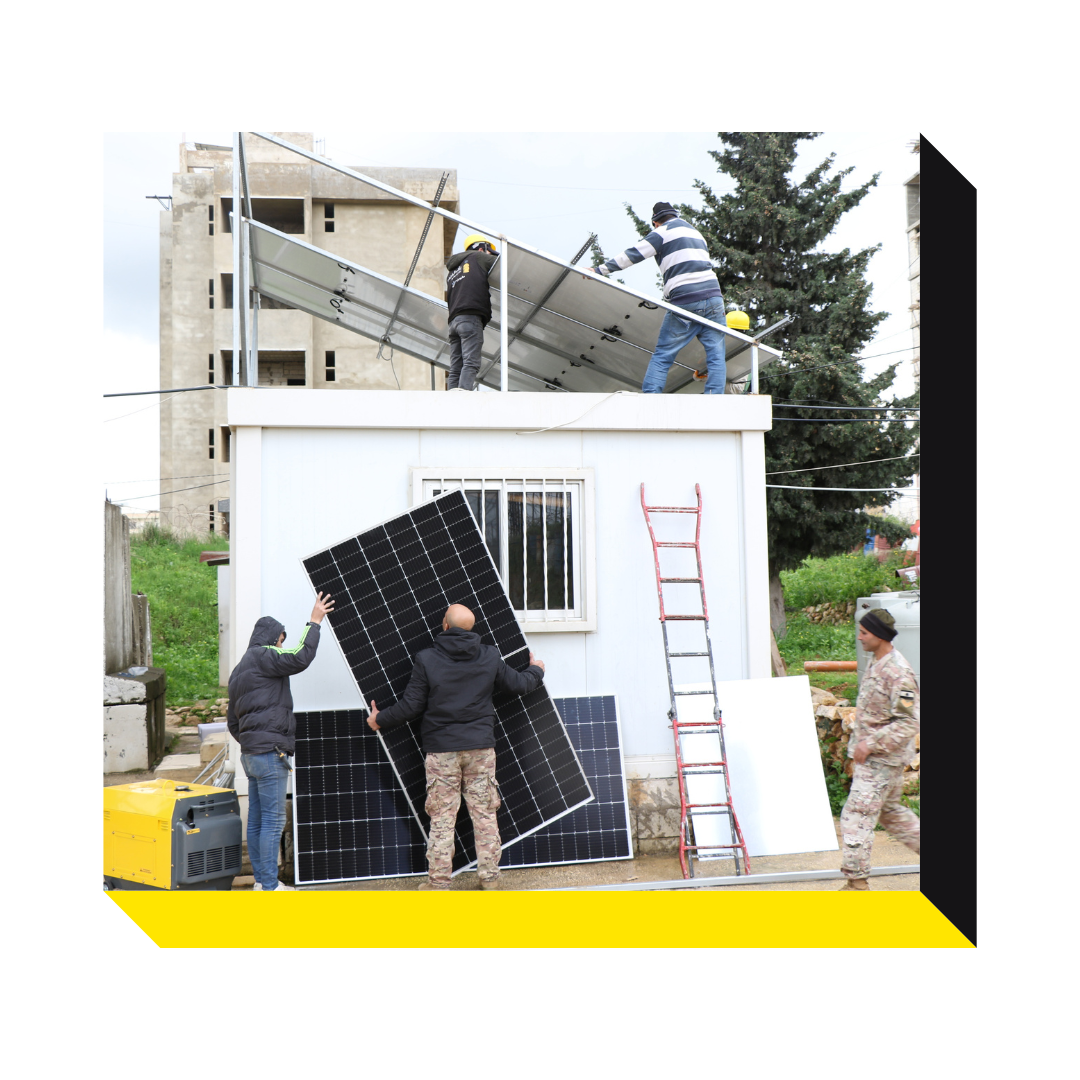
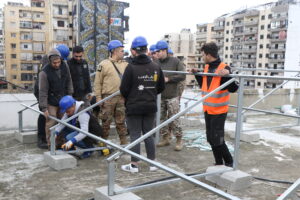
In response, the youth, with the help of MARCH, installed a total of 278 solar panels to power 9 water wells to generate a water distribution system for local wells installed previously by the local Sheikhs. This project directly addressed a critical need in the community and required the cooperation of the Lebanese Armed Forces (LAF) as well. The youth of Jabal Mohsen and Beb El Tebbeneh, alongside the Lebanese Army, worked together to install and maintain the solar panels to generate water for the households in Beb El Tebbeneh.
These solar systems now powers 9 water wells, providing a sustainable solution for water distribution. The impact of this initiative is substantial, with nearly 2,738 households benefiting from the improved water supply.

Empowering Communities Through Solar Water Projects
Through the installation of 278 solar panels, 9 wells can now operate independently of traditional generators. With just three hours of sunlight each day, the tanks of these wells can be adequately filled, ensuring reliable water distribution to the community.
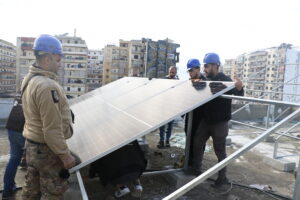
The solar panel project has had a transformative impact on both communities. By facilitating access to water, improving daily life, and demonstrating the tangible benefits of this cooperation. More importantly, it allowed the youth to interact in positive ways, breaking down stereotypes and challenging entrenched prejudices.
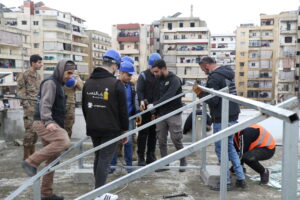
This collaborative effort highlights the power of community involvement and partnership in solving critical resource challenges. Moreover, the joint efforts of the youth from Jabal Mohsen and Beb El Tebbeneh have led to meaningful progress in reducing animosity and fostering unity through identifying a shared need and addressing a common challenge.