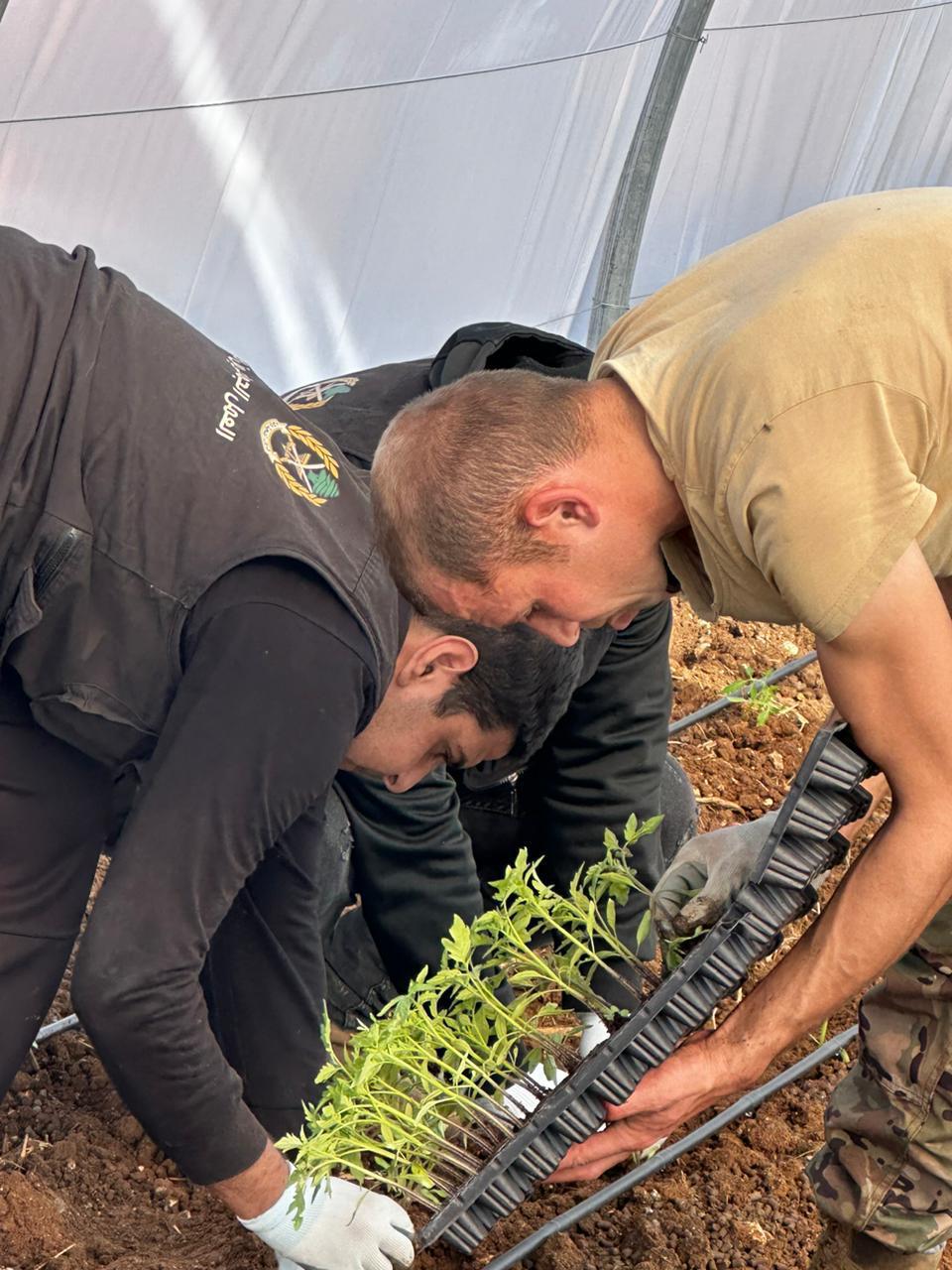
For years, potholes have been a daily hazard in Tripoli. Crumbling roads have damaged cars, caused traffic congestion, and, in some cases, led to accidents and rising tensions between neighbourhoods. Along former demarcation lines, these neglected streets became yet another reminder of long-standing marginalisation and state absence which increase feelings of anger. In response, youth from different parts of the city chose action over frustration. MARCH’s youths from Jabal Mohen, Mankoubin, Wadi Nahle, Mallouleh, Omareh, and Beb el Tebbeneh came together, working hand in hand to address a problem that had affected their communities for far too long. In collaboration with Ensa Joura on MTV Lebanon, IPT Group, the Lebanese Armed Forces, and the Municipality of Tripoli, MARCH’s youth completed a three-week mission to repair roads across Beb El Tebbeneh, Jabal Mohsen, Mallouleh, and Mankoubin. The initiative focused on areas along former front lines, where damaged roads had contributed to repeated incidents and renewed friction. Over the course of the project, the youth repaired a total of 160 potholes, significantly improving road safety and easing daily movement for residents. The work followed a clear and hands-on process. Damaged sections were first identified and cleaned, then filled, levelled, and reinforced to ensure durability and safer driving conditions. What might seem like simple repairs had an immediate impact on traffic flow, vehicle safety, and residents’ sense of security. Beyond infrastructure, the project carried a deeper meaning. Youth who were once seen as contributors to instability and destruction are now the same ones restoring streets, improving neighbourhoods, and addressing shared challenges. For many participants, the initiative fostered a renewed sense of belonging, pride, and hope, proving that they are active agents of peace and positive change. This effort stands as a powerful example of what community-led action can achieve. By turning cooperation into concrete results, Tripoli’s youth demonstrated that rebuilding the city does not only happen through policies or plans, but through collective responsibility, trust, and the belief that change is possible. For more infromation check out our Youtube channel and Instagram
Category: Strengthening Ties Between Citizens and the Public Sector
Lighting Tripoli Through Solar Power
Tripoli has long struggled with theft and security concerns. Poor street lighting has left many neighborhoods in darkness, making residents feel unsafe and discouraging movement at night. This situation is widely seen as a result of prolonged state neglect toward the city. In a city long affected by electricity shortages and safety concerns, MARCH has taken a concrete step toward sustainable and community-focused change by installing solar-powered streetlights across former demarcation lines in areas such as Jabal Mohsen, Beb El Tebbeneh, Qobbeh, Mankoubin, Mallouleh, Hrajel, and Abou Samra. The project aims to enhance public safety while rebuilding trust in shared public spaces and aiding the community. The initiative is ongoing ensuring long-term impact and sustained engagement with local communities. Within the past two years, MARCH has successfully installed a total of 1,114 solar LED streetlights, significantly improving nighttime visibility and public safety in multiple neighborhoods. Of these, 977 streetlights were installed in residential areas, directly impacting 61,330 community members. These lights now illuminate streets that were previously dark, creating safer spaces for residents to move, work, and gather after sunset. The solar lights were distributed across several Tripoli’s marginalized and most impovirished areas along also conflict prone zones and former demarcation lines. Beb El Tebbeneh received 262 lights, impacting 11,150 residents. Jabal Mohsen saw the installation of 308 lights, benefiting 17,300 people. In Qobbeh, 133 lights now serve 2,970 residents, while Mankoubin received 274 lights, impacting 10,170 people. Additional installations included Mallouleh with 49 lights serving 3,520 residents, Abou Samra with 82 lights reaching 17,360 people, and Hrajel with 6 lights benefiting 100 residents. The project also extended to vital security points. In coordination with the Lebanese Army Forces, 137 solar streetlights were installed at army checkpoints and key security routes. This component of the initiative benefited 1,240 LAF members, enhancing visibility and operational safety in critical locations. Beyond numbers, the project reflects a broader commitment to sustainable solutions in underserved areas. By relying on solar energy, the initiative provides long-term lighting without adding pressure on an already strained power grid. Through this effort, MARCH demonstrated how renewable energy can directly improve daily life, strengthen community safety, and support public institutions. In Tripoli, light has become more than illumination. It has become a tool for dignity, security, and resilience. For more information check out our Youtube channel and Instagram
قلعة طرابلس تعود إلى الحياة… ترميم بتمويل بريطاني جمع الجيش وأبناء المدينة
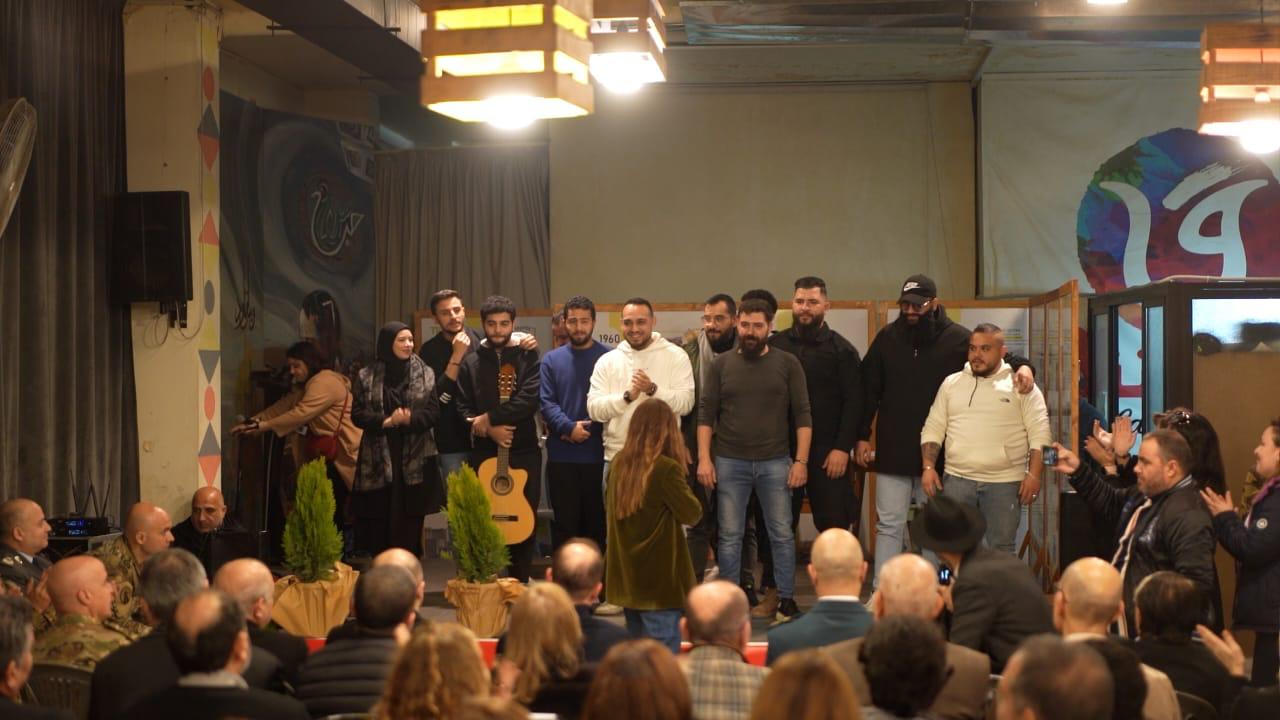
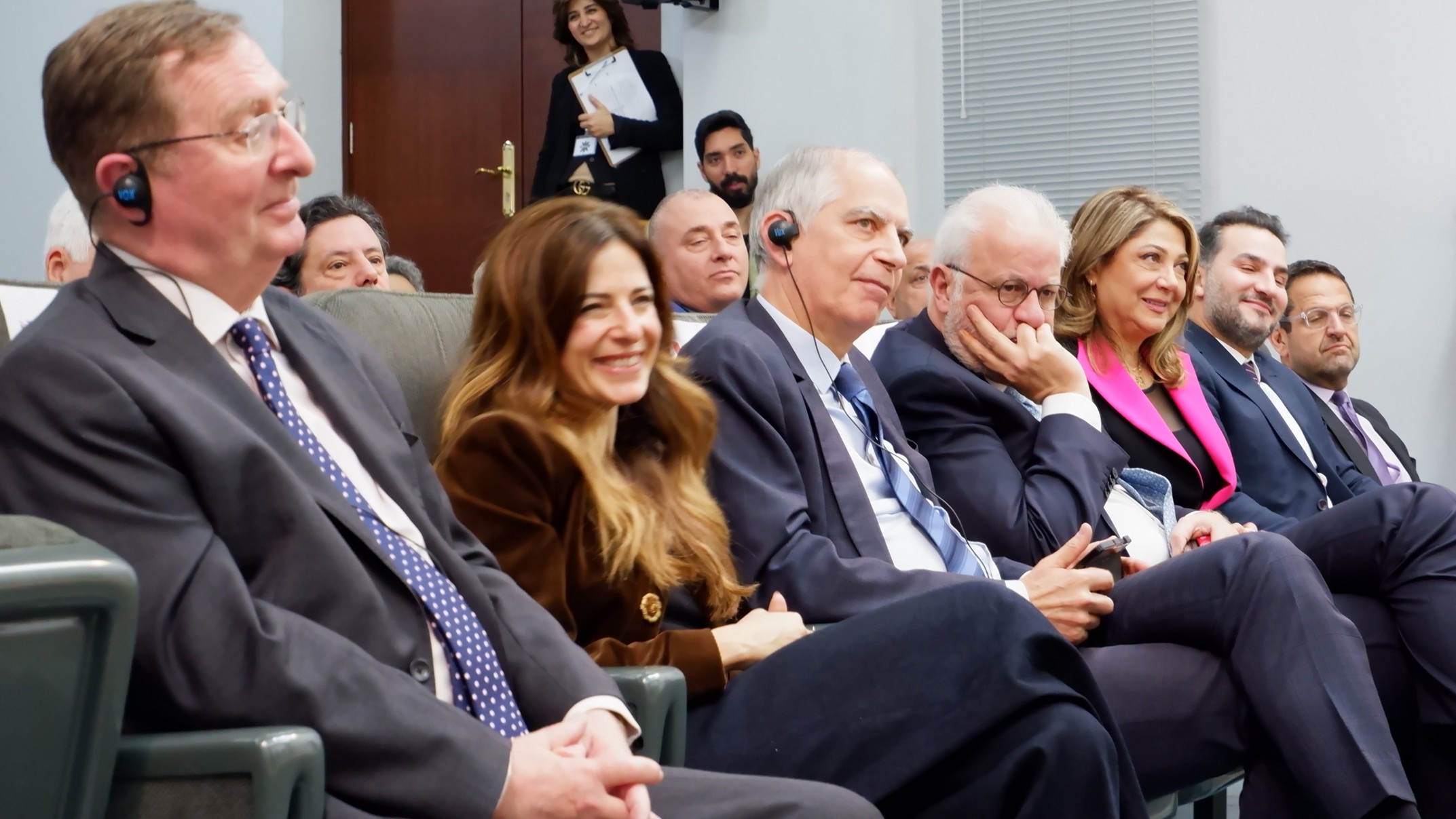
استعادت قلعة طرابلس التاريخية، المعروفة بـ”قلعة ريمون سان جيل” والعائدة إلى القرن الثاني عشر، رونقها بعد اختتام مشروع تأهيل شامل نُفّذ على مدى أشهر بتمويل بريطاني لصالح جمعية “مارش”، بمشاركة الجيش اللبناني والشباب في المدينة، في خطوة يُنظر إليها بوصفها تجربة تعاون حيوية تعيد وصل التراث بالمجتمع وأقيم حفل افتتاح رسمي للموقع بعد الترميم بحضور نائبة رئيس البعثة البريطانية فيكتوريا دنّ، والمدير العام للآثار في وزارة الثقافة سركيس الخوري ممثلاً الوزير محمد وسام المرتضى، إلى جانب رئيس بلدية طرابلس عبد الحميد كريمة، وعدد من ضباط الجيش، ورئيسة جمعية مارش ليا بارودي، إضافة إلى مجموعة من الشباب المشاركين في المشروع ويمثل هذا الإنجاز الثقافي نموذجا للتلاقي بين المؤسّسة العسكرية وأبناء الأحياء المهمّشة في المدينة، مؤكّدًا — بحسب الجهات المنفذة — أهمية حماية التراث ودعم إدماج الشباب عبر العمل الإنتاجي، بما يسهم في تعزيز الانتماء والهوية المشتركة يُذكر أن المملكة المتحدة موّلت منذ عام 2016 سلسلة مشاريع نفذتها “مارش” بهدف الحد من التوترات المجتمعية وتعزيز التماسك الاجتماعي في طرابلس وبيروت عبر إشراك الشباب في مبادرات بنّاءة ”وعلّقت دنّ بعد الافتتاح قائلة: ”إعادة تأهيل أقدم قلعة في طرابلس مصدر فخر لنا… فقد جمع هذا المشروع الجيش اللبناني وشباب المدينة، وعزز الثقة والتماسك المجتمعي، ليس في طرابلس فقط بل في لبنان ككل لقراءة المقال كاملا اضغط هنا
ممثل سلامة في اختتام مبادرة تنظيف قلعة طرابلس: التراث يمكنه ان يشكل اهم رافعة اقتصادية
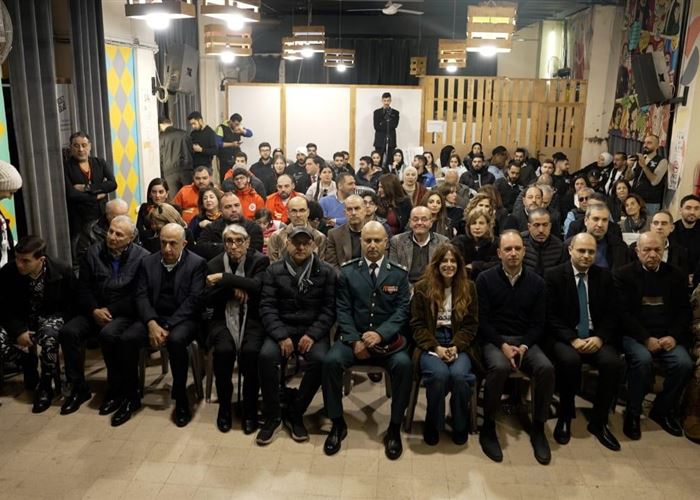
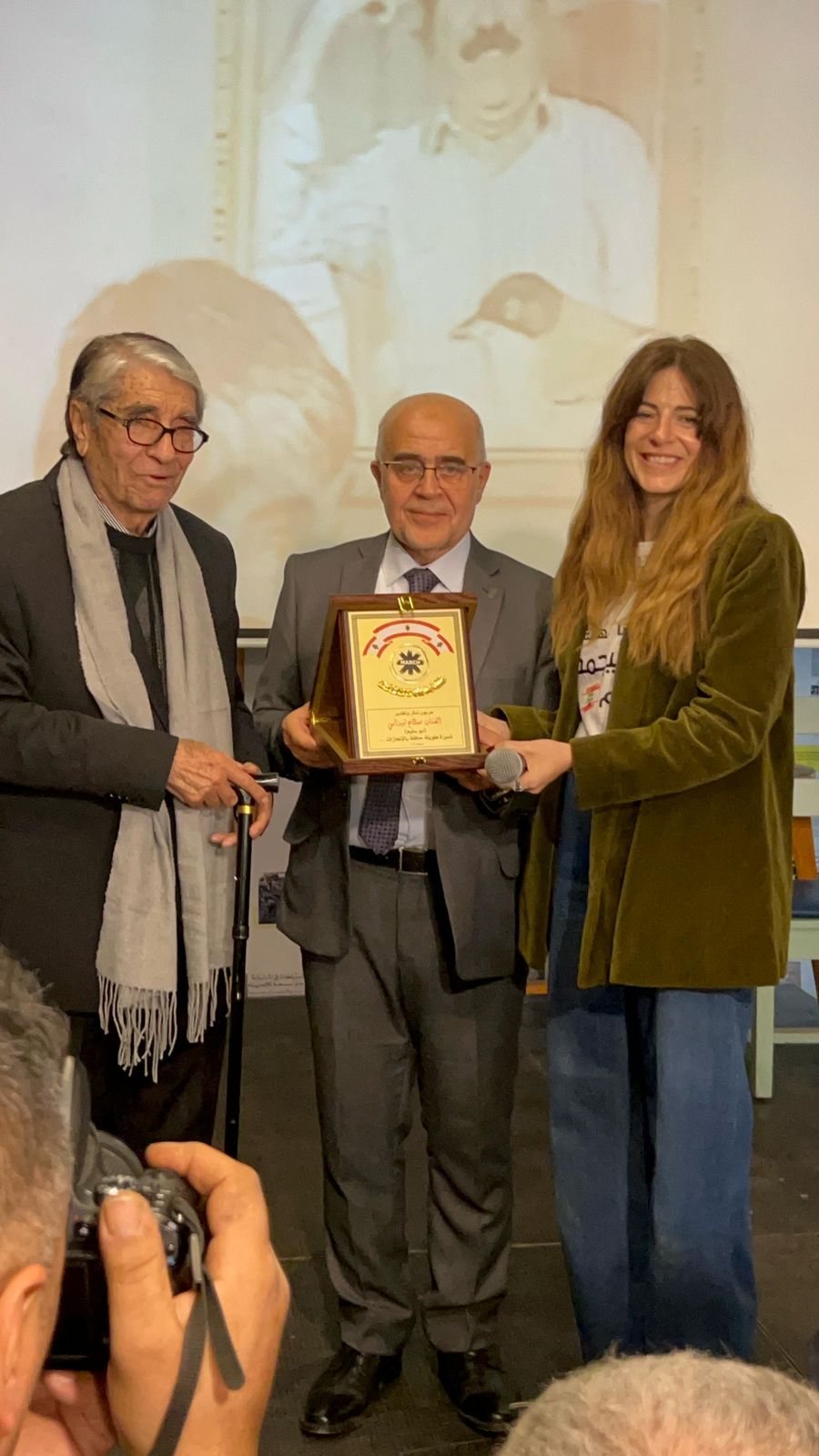
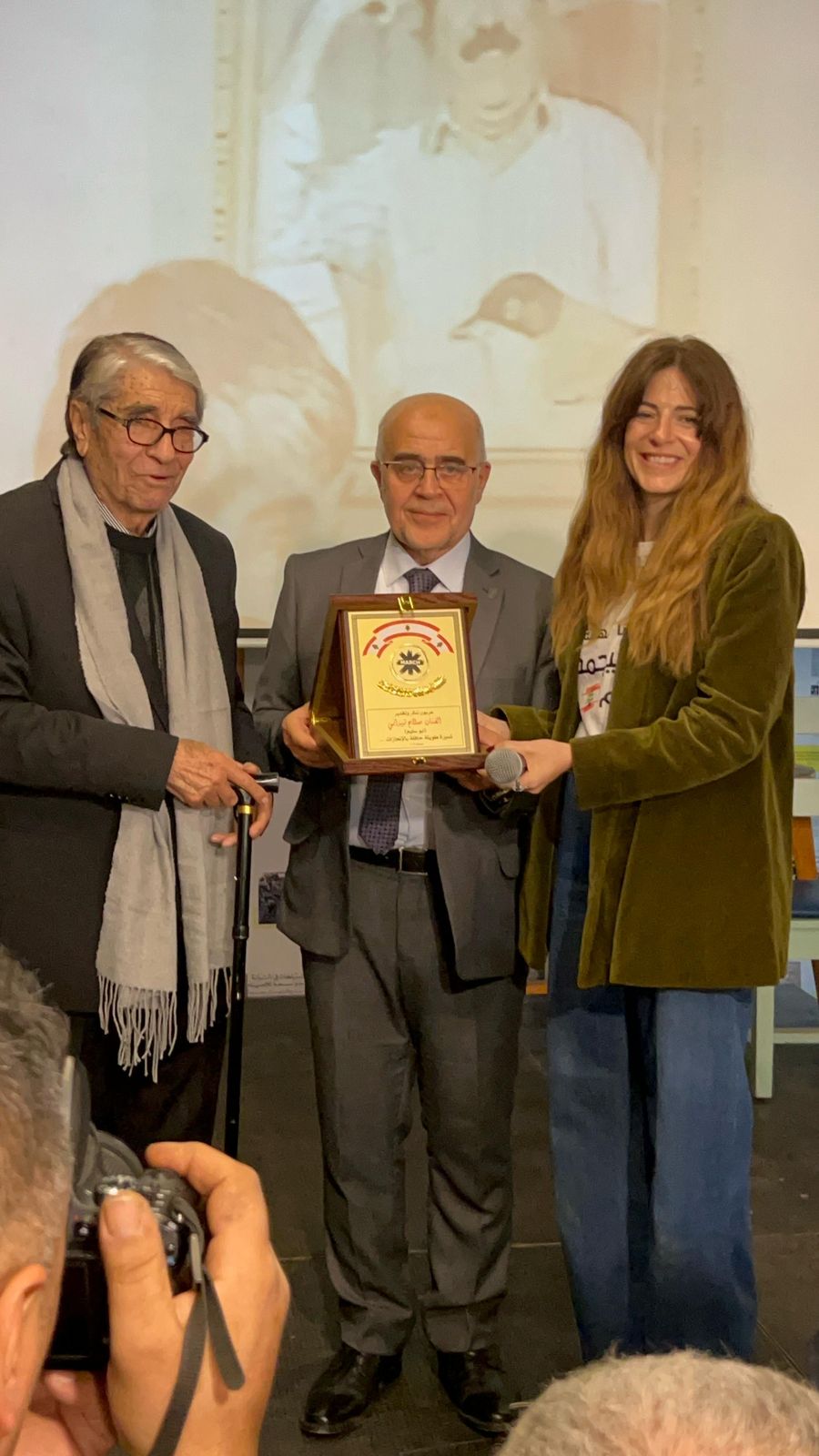
أقامت جمعية “مارتش” الحفل الختامي لمبادرة تنظيف وإنارة قلعة طرابلس الأثرية تحت عنوان “المصالحة من خلال الثقافة”، برعاية وزير الثقافة الدكتور غسان سلامة، في حرم قلعة طرابلس، بحضور ممثل وزير الثقافة المهندس سركيس خوري، النائب السابق علي الدرويش، ممثل قائد الجيش العميد عبد الكريم اسعد، محافظ لبنان الشمالي ايمان الرافعي، رئيس بلدية طرابلس عبد الحميد كريمة، فيكتوريا دانز ممثلة السفارة البريطانية. بعد النشيد الوطني، أشارت جوانا عطية الى ان “مشروع تنظيف القلعة هو عمل على هوية وعلى انتماء لاعادة احياء مرفق هام بالنسبة للمدينة” وقالت: “هذا المشروع يعطي قيمة لهذه اللحظة التي نسعى لنعيد فيها قلعة لا تزال تتمتع بالحضور”. وبعد عرض فيديو بعنوان “لمحة عن قلعة طرابلس”، لفتت ليا بارودي الى ان “هذا المكان شهد على عظمة المدينة”. وقالت: “الشكر للحاضرين ولشباب جبل محسن والتبانه والمنكوبين ووادي النحله والملولي وكل المناطق التي شاركت في هذا المشروع، لان وجودنا اليوم ليس فقط لنكرم تاريخ القلعة انما لنحتفل بهذه اللحظة لان هذا المشروع هو جزء من مسار طويل من ماضي الجمعية منذ اكثر من 10 سنوات، والتي سعت لتصلح ما خرب في هذه المدينة بعد حروب ممنهجة، وهي تعمل في اكثر المناطق تهميشا، في مناطق كبيرة تربى فيها الشباب على اصوات الرصاص والخوف وعلى اساس ان لا احد يراهن عليهم ولا يرى وجودهم، وحيث عملت مارش مع الشباب في خطوط التماس بن جبل المحسن والتبانه فانخرط في هذا المشروع المئات من شباب طرابلس في مشاريع مختلفة وخدمات اجتماعية في الاحياء ونجحت في ان تخفف عن الشباب وان يعيشوا معا بكرامة”. اضافت: “القلعة كنز لطرابلس لبنان وتراث وتاريخ، وما يعطي لهذه المبادرة معناها الحقيقي هم الشباب الذين كانوا على جبهات المواجهة، هم من عملوا على تنظيف القلعة ورمموها بإشراف مديرية الاثار وبالتعاون اليوم مع الجيش اللبناني”. وتابعت: “هناك تسميات أطلقت على شباب طرابلس من ارهاب وغيره، وهي صفات في غير محلها، ولا بد من تجنب الصفات المسبقة. ان قلعة طرابلس اليوم هي بفعل جهودهم انظف لان هؤلاء يستطيعون القيام بذلك”. وأثنت على دور “الجيش اللبناني الاساسي وهو وجه الدولة الوحيد”. وتحدثت عن الاعمال التي نفذتها “مارتش” بالتعاون مع الجيش اللبناني، والتي “قربت المسافات بين الشباب والجيش الشريك الاساسي في المصالحة وبناء الثقة بين الشباب ومحيطهم”. وبعد عرض فيلم عن اعمال التنظيف التي جرت في القلعة، قالت سمر كرم من مديرية الاثار: “يسرنا أن نستقبل الجميع في قلعة طرابلس، وجميل ان تكون القلعة هي البيت الذي يستقبل الجميع”. اضافت: “عندما نتحدث عن التراث لا نقول انها مسؤولية الدولة فقط، عندما نقول اننا نريد ان نصون هذا التراث فالامر يضع المسؤولية في سياق التزام وطني جماعي ومشاركة كل فرد ومؤسسة، فالتراث ليس مجرد حجارة بل ركيزة مهمة لكي نتحدث عن هويتنا الثقافية والذكرى التي ستحفظ من سبق وستحفظ ايضا هذا الجيل” . وتابعت: “ان المحافظة على الاثار تدخل ضمن مسار كامل من القيم والمعارف والعادات التي تشكل صلة الوصل بين الماضي والحاضر والمستقبل. من الضروري جدا مشاركة كل القطاعات لنحافظ على تراثنا”. بدوره، قال رئيس بلدية طرابلس: “نجتمع اليوم في مكان يحفظ ذاكرة الحرب والانتصارات، في قلعة كانت يوما حامية للمدينة، فتصبح اليوم شاهدة على ميلاد مرحلة جديدة، مرحلة تُثبت أن طرابلس لا تُصلحها السياسة وحدها، بل تُصلحها الثقافة، تُصلحها الإرادة، وتُصلحها قلوب أبنائها حين تتكاتف”. اضاف: “من باب التبانه، إلى جبل محسن، إلى الأحياء المحيطة، شباب كانوا سابقا على طرفي النزاع، ها هم اليوم كتفا إلى كتف، يعملون مع الجيش ومع كل الخيرين، ينظفون القلعة، يحرسون التراث، ويرممون ما حاولت السنوات هدمه. وهذا الانجاز ليس مجرد مبادرة بل رسالة عن طرابلس التي تنهض حين يقرر أبناؤها ذلك”. وتابع: “هنا لا بد أن نتوقف بصدق أمام الجهة التي آمنت بهذا التحول منذ بدايته: جمعية مارتش، التي قرأت في شباب المدينة طاقة لا مشكلة، ورأت في الثقافة جسرا لا حاجزا. شكرا لمارتش على إصرارها أن تكون شريكا مستمرا لا ضيفا عابرا، وعلى أنها اختارت أن تستثمر في الإنسان قبل الحجر، في فن الشارع قبل بيانات المؤتمرات، وفي المصالحة الحقيقية التي تبدأ حين نرى في الآخر إنسانا يشبهنا لا خصما علينا هزمه”. واردف: “نحن اليوم نرفع علم التكاتف، علم القرار بأن نبقى معا، نرفع راية تقول: إن ما توحد هنا في القلعة سيبقى مجتمعا في الشوارع، وإن ما بدأ كمبادرة ثقافية تحول إلى وعد لمدينة: وعد بأن التاريخ لا يعيد نفسه إلا حين نتركه يفعل ذلك. ومن قلب هذه القلعة، من حجارتها التي سمعت أصوات الصراع وتسمع اليوم ضحكات المصالحة، نعلن أن طرابلس أقوى بوحدة أبنائها، وأن ثقافتنا حين تُزهر تُسقط كل حواجز الخوف وسنوات العزلة”. وختم: “لكل شاب وشابة شاركوا في هذا الإنجاز: أنتم الدليل أن الوطن يمكن أن يُبنى من جديد، بفكرة، بفرشاة رسم، وبابتسامة ثقة في الغد. شكرا لكم، شكرا لمارتش، شكرا لكل من آمن أن مستقبل طرابلس يبدأ هنا، حين نمد يدنا لبعض، لا على بعض”. ثم كانت شهادات من شبان شاركوا في التأهيل، فكلمة ممثلة السفارة البريطانية، أعقبها ممثل وزير الثقافة الذي تحدث عن تجربة “التعاون بإشراف الجيش اللبناني بعد انفجار مرفأ بيروت والتجربة المتقدمة التي تمكنت من خلالها الجهات المختصة من تحديد مناطق مصنفة تراثية وتمكن لبنان البلد الصغير من تصنيف 34 موقعا من اصل 120 فيما في اوكرانيا نجحوا في تصنيف 23 منطقة”. وعرض لدور الجيش اللبناني في حماية مثل هذا التصنيف، مثنيا على دور وحدة الجيش التي تولت حماية الممتلكات الثقافية باعتبار ان “تجربة التصنيف رائدة بالنسبة للبنان”. وقال: “التراث في لبنان يمكنه ان يشكل اهم رافعة اقتصادية، فلا تكاد تخلو اي مدينة او اي قرية من موقع ثقافي يمكن ان يكون منتجا بالمعنى الايجابي للاقتصاد الوطني وللتنمية المستدامة”. اضاف: “دور وزارة الثقافة لا يمكن ان يكون ناجحا الا بالتعاون بين كل اللبنانيين، فكل فرد في لبنان يمكنه ان يلعب دوره على قدر احتماله، والتعاون بين كل المؤسسات والجمعيات والمجتمع المحلي يمكن ان يكون منتجا وايجابيا وخاصة في مدينة كطرابلس الغنية عن التعريف بتراثها الاجتماعي والاثري. هذا التميز الطرابلسي دفع وزارة الثقافة الى وضع المدينة على لائحة التراث العالمي”. ونوه بأعمال عدة في المدينة نفذت بالتعاون مع مؤسسات دولية مختصة، حيث أمكن انقاذ احد المباني المعرضة للخطر، مؤكدا “ضرورة حماية مدينة طرابلس الغنية بتراثها كرافعة اجتماعية اقتصادية”. وختاما وزعت الشهادات على المشاركين في المبادرة. لقراءة المقال كاملا اضغط هنا
The Solar-Well Initiative in Tripoli – Addressing the Water Shortage in Beb El Tebbeneh
Addressing Water Access Challenges in Marginalized Communities In Beb El Tebbeneh, Malloule, Mankoubin and Wadi Nahle water access has been a significant challenge for many residents. In some areas, the situation is so dire that households experience complete water shortages. This situation has often sparked roadblocks and confrontations, deepening existing sectarian tensions. Meanwhile those who do have access to water often face exorbitant costs, adding to the daily struggles of securing this essential resource. Unfortunately, the citizens of Beb El Tebbeneh, Malloule, Makoubin and Wadi Nahle are individuals with the lowest incomes who face the most hardship, especially in this economic stratum, struggling to cover their basic needs and water is one of them. Moreover, the high price of water worsens the difficulties for local communities, highlighting an urgent need for sustainable solutions to address the water crisis in the region. For years, these neighborhoods have remained largely neglected leaving residents to rely on inconsistent or informal alternatives to secure basic services. This lack of attention has deepened feelings of marginalization and widened socio-economic disparities, making initiatives like this one essential to improving living conditions and strengthening community resilience. The Hurdles of Fuel Reliance for Water Recognizing the urgency of this matter, local Sheikhs organized a significant well project. This initiative was a much-needed step toward alleviating the water crisis, but the wells’ reliance on fuel-powered generators posed another challenge. The financial strain of maintaining these generators, amid Lebanon’s ongoing fuel shortages and skyrocketing costs, meant the solution was far from sustainable. Supporting Communities Through Solar-Powered Water Access To add to the efforts in meeting the needs of the community, the youth of MARCH from Jabal Mohsen, Beb El Tebbeneh, Mallouleh, Mankoubin and Wadi Nahle decided to find solutions in collaboration with the Sheikhs. In response, the youth, with the help of MARCH, installed a total of 445 solar panels to power 18 water wells to generate a water distribution system for local wells installed previously by the local Sheikhs. This project directly addressed a critical need in the community and required the cooperation of the Lebanese Armed Forces (LAF) as well. The youth of Jabal Mohsen, Beb El Tebbeneh, Mallouleh, Mankoubin and Wadi Nahle alongside the Lebanese Army, joined efforts to install and maintain solar panels, ensuring a sustainable source of water for local households. In total, the project covered 10 wells in Beb El Tebbeneh, 6 in Al-Mankoubin, 1 in Upper Mallouleh, and 1 in Lower Malloule. The project initially began in Beb El Tebbeneh, before expanding to Al-Mankoubin and later to both Lower and Upper Mallouleh. The expansion aimed to reach neighborhoods where access to clean water remained most limited. Mallouleh, in particular, is among the areas with the lowest socio-economic conditions in Tripoli, where many families live in informal housing and face significant infrastructure challenges. Expanding the initiative to Mallouleh reflected a commitment to inclusion and to improving daily life for residents in some of Tripoli’s most marginalized areas. These solar systems now powers 18 water wells, providing a sustainable solution for water distribution. The impact of this initiative is substantial, with nearly 4,043 households benefiting from the improved water supply. Empowering Communities Through Solar Water Projects Through the installation of 445 solar panels, 18 wells can now operate independently of traditional generators. With just three hours of sunlight each day, the tanks of these wells can be adequately filled, ensuring reliable water distribution to the community. This sustainable system now provides around-the-clock access to clean water for 4,043 housing units in total, directly improving the daily lives of residents. As a result, roadblocks and tensions that once emerged due to water shortages have significantly decreased. Moreover, the project’s collaborative approach has strengthened relationships with local communities, as neighborhood committees and residents have developed greater trust in MARCH and its ongoing commitment to addressing shared challenges. The solar panel project has had a transformative impact on both communities. By facilitating access to water, improving daily life, and demonstrating the tangible benefits of this cooperation. More importantly, it allowed the youth to interact in positive ways, breaking down stereotypes and challenging entrenched prejudices. This collaborative effort highlights the power of community involvement and partnership in solving critical resource challenges. Moreover, the joint efforts of the youth from Jabal Mohsen, Beb El Tebbeneh, Mallouleh, Wadi Nahle and Mankoubin have led to meaningful progress in reducing animosity and fostering unity through identifying a shared need and addressing a common challenge.
Hona Beirut’s Inter-Communal Bus tour activities
Hona Beirut recently took its spirit of connection beyond the walls of the center and into the streets of the city. The tour began with visits across several diverse neighborhoods and formerly conflicting communities in Beirut including Badaro, Chiyah, Sin el Fil, Shatila, and Ein el Remmeneh. The journey later continued with another bus tour to Hamra, bringing the same energy of dialogue and coexistence to one of Beirut’s most vibrant areas, turning every stop into a moment of exchange and connection. As the bus stopped in each area, youth from different sectarian backgrounds engaged directly with residents, sharing messages of peace, music, dance, and conversation, transforming public spaces into areas of connection, understanding, and inclusivity. Beyond that, they also brought music and dance, creating a lively atmosphere that drew people in and encouraged new connections. For the youth, these initiatives strengthened confidence, sense of belonging, and purpose, allowing them to challenge stereotypes, bridge divides, and practice peacebuilding in real-life settings. The Bus Tours also symbolized hope, reconciliation, and the active role of youth as agents of social cohesion, reaffirming Beirut’s identity as a diverse, resilient, and interconnected city. These experiences gave them a chance to see others differently, and to be seen differently in return. Through these simple but genuine encounters, perceptions began to shift, and the idea of coexistence became something real and lived rather than just spoken about. These initiatives came at an important moment, as Lebanon and Beirut in particular continues to experience tensions and scenarios of division. The goal of the tour was to put sectarianism aside and remind residents of the city’s true identity: one of diversity, resilience, and unity. By meeting new people, sharing smiles, and creating moments of joy in the streets, the youth sent a clear message that what unites Beirut is stronger than what divides it. Through Youth-Led Community Awareness initiatives like this, Hona Beirut continues to highlight the role of young people as active agents of peace, proving that unity is possible even in times of tension, and that Beirut’s identity belongs to all of its people. The youth showed that reconciliation does not only happen in meeting halls or workshops, but also in everyday interactions that break barriers and bring people together.
Installing Solar Street lights in Collaboration with the Lebanese Armed Forces
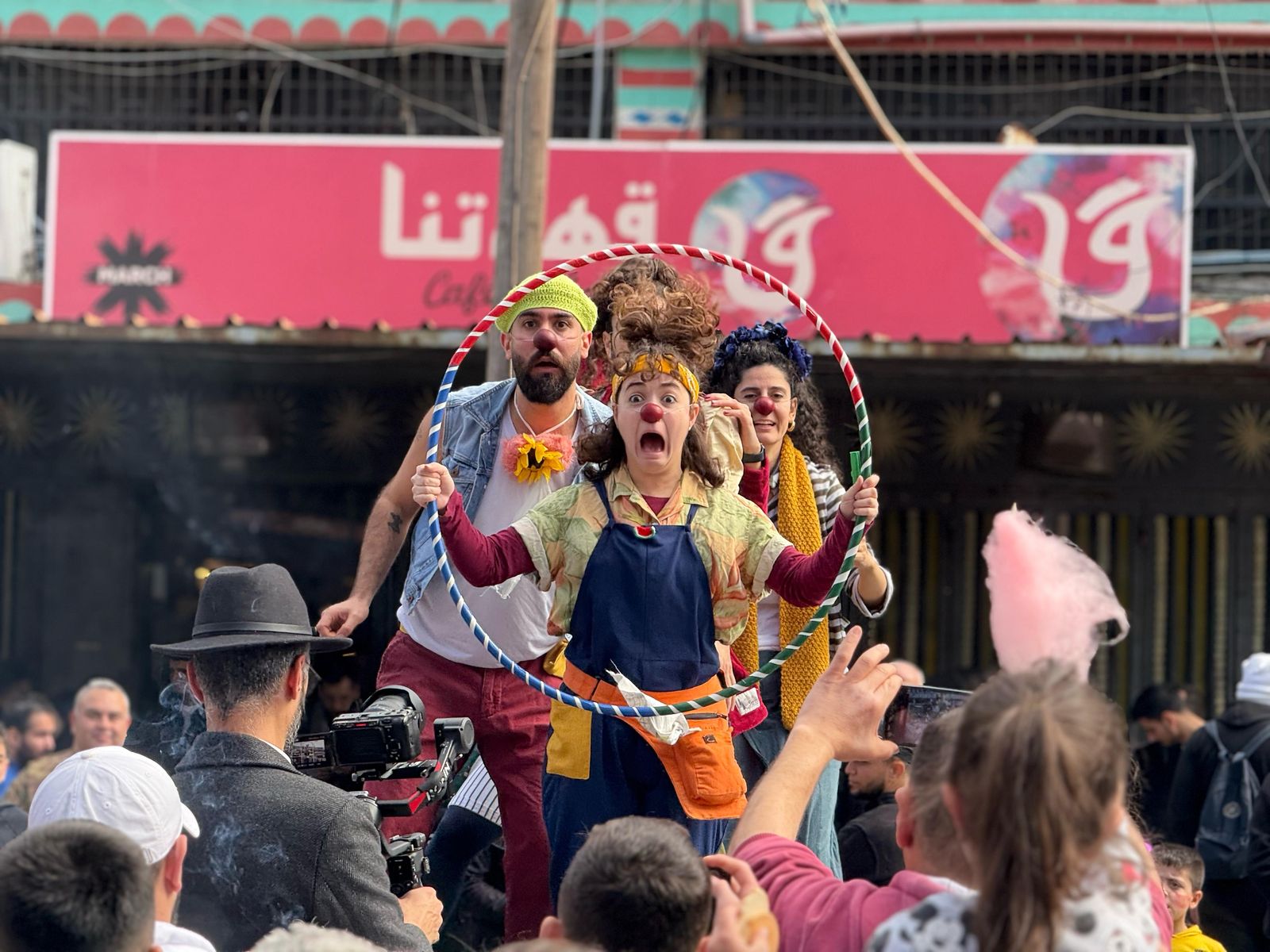
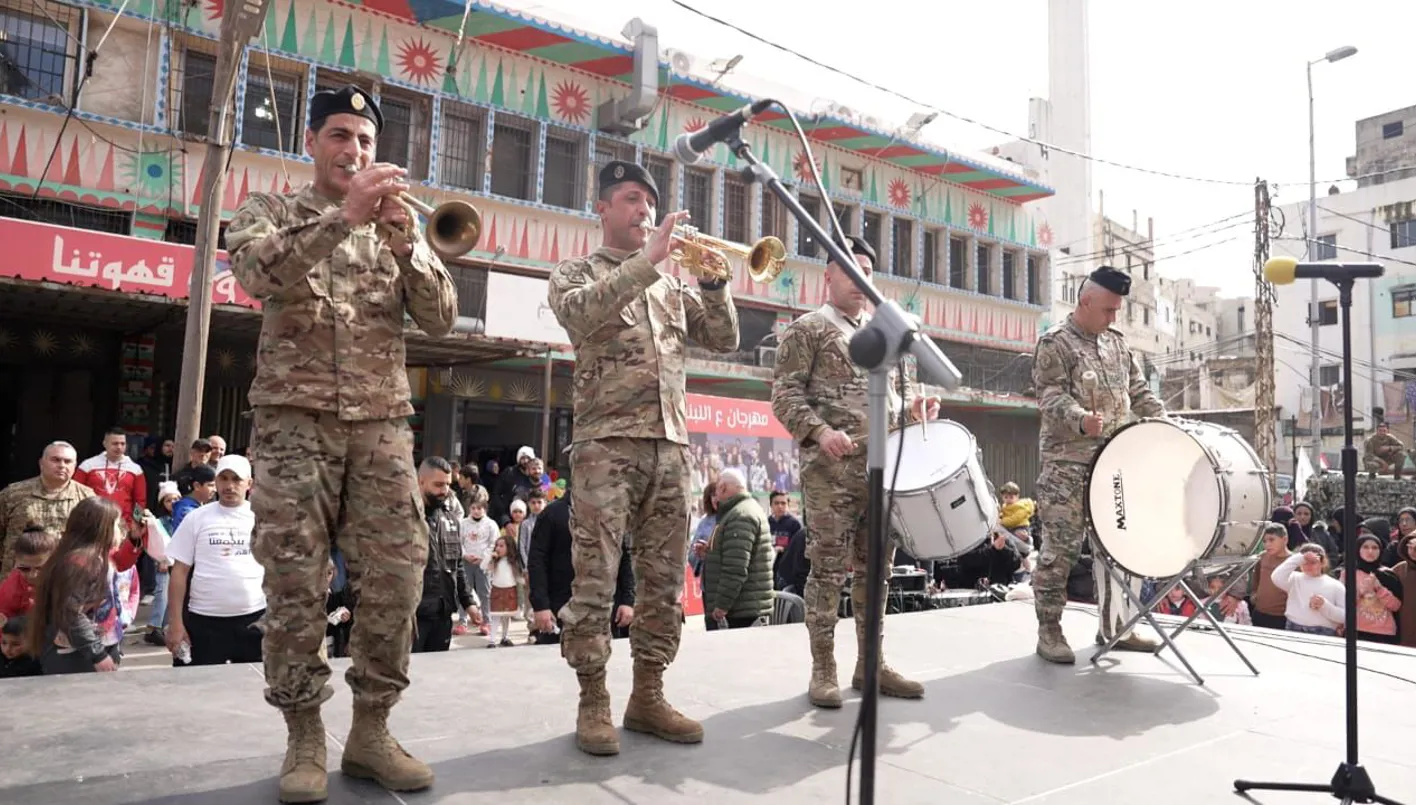
In collaboration with the Lebanese Army, MARCH installed 496 solar led street lights along the former demarcation lines of Beb El Tebbeneh, Jabal Mohsen, Mankoubin, Mallouleh, Haret Jdideh and Al Omary stairs. The solar led street lights were installed across three stages of this project (September 2023, January 2024, February 2025) benefiting the entire area along with an additional donation of 36 solar led lights to the municipality of Tripoli and the Lebanese civil defense. This project benefits everyone who lives or travels along these roads as it is the main route connecting the entire northren region. This initiative was conducted during a special event at Kahwetna and carried the powerful slogan: “To light a small candle is better than staying in darkness.” As a result, Syria Street and other former demarcation lines are now brilliantly lit, rejuvenating the streets and restoring a sense of safety. This initiative has garnered the heartfelt appreciation of residents in the Tebbaneh and Jabal Mohsen neighborhoods. By involving the twelfth brigade of the army, this initiative showed the significance of incorporating the Lebanese Armed Forces into communal projects aimed at community development and reconciliation. Its primary objective is to significantly enhance security and safety in the Beb El Tebbeneh and Jabal Mohsen areas, which had long been characterized by insecurity and tension stemming from historical conflicts, and mend societal and communal bonds between the communities and the Lebanese Armed Forces. Through the installation of these solar street lights, this project effectively illuminated the once shadowy streets and dark alleys that were associated with fear and violence. Beyond improving visibility, these lights have instilled a greater sense of security, enabling residents to move about more safely at night. The heightened safety and improved illumination have encouraged residents to come together, interact, and engage in activities that foster social cohesion.
Strengthening Trust Between At-risk Youth and Institutions: The Mayor of Tripoli Visits Kahwetna
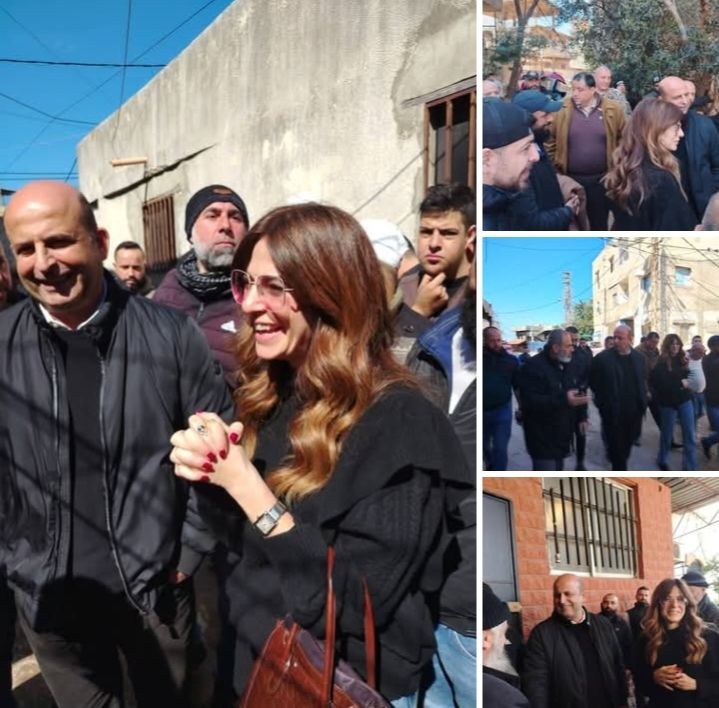
Years of conflict, neglect, and political marginalization have left deep scars on Tripoli’s most vulnerable neighborhoods, particularly in areas like Beb El Tebbeneh and Jabal Mohsen, where state institutions have long been viewed with suspicion or outright hostility. For many young people growing up between the frontlines of former clashes, public officials existed only on television or in the context of security operations. This disconnect didn’t just breed mistrust, it created space for radical ideologies to take hold, offering identity where the state offered none. In response, MARCH has committed to a long-term approach that redefines the relationship between marginalized communities and the state, not through policy, but through presence. One of the clearest examples of this took place on August 21, 2025, when Tripoli’s newly elected mayor, Mr. Abdel Hamid Karimeh, visited Kahwetna, MARCH’s cultural café during one of the inter-communal engagement activities that are continuously conducted by MARCH to bring the pre-conflicting communities of Jabal Mohsen, Beb El Tebbeneh, Mallouleh, Mankoubin and others together. The mayor showed his presence as a recognition of MARCH’s youths’ efforts in the area. The mayor was welcomed by MARCH’s team and the café’s youth beneficiaries, many of whom are former fighters & ex-convicts. During his visit, Mayor Karimeh took time to listen to the life testimonies of at-risk young men and women who had once been caught in cycles of violence and radicalization. He also watched a short documentary that chronicled their journey from conflict to civic engagement. Following the screening, the mayor addressed the group, underscoring the importance of hope, accountability, and youth leadership in rebuilding Tripoli. He committed to supporting Kahwetna as a vital civic space, pledging logistical and municipal coordination to ensure that the center and the youth continue to thrive. The visit continued with a guided tour of Kahwetna’s vocational hub, where young people acquire practical skills in fields ranging from woodworking and digital embroidery to dental assistance. The communal lunch was even prepared by the youth themselves, bringing together community members from both sides of Syria Street around one table. Once a symbolic dividing line, the space now hosts conversations, friendships, and shared experiences. This kind of trust-building is not abstract. When young people believe in the responsiveness of institutions, they are more likely to turn to them in moments of difficulty rather than disengaging or retreating into alternative, sometimes radical, forms of belonging. What began as a visit became a signal, a small but powerful disruption of the cycle of absence and resentment that has long shaped Tripoli’s civic reality. This visit was a shift in narrative. For youth who have long felt neglected or misjudged by those in power, seeing the mayor walk through their space, listen to their stories, and speak directly to their experiences offered more than recognition. It offered a different kind of engagement, one where presence replaces distance, and dialogue begins to undo years of silence. These are the moments where institutional trust begins to take root not in promises, but in action. And when that trust starts to grow, so does the hope that future problems will be met not with withdrawal or resentment, but with connection, accountability, and shared responsibility.
Football For Reconciliation: Common Ground Between Former Fighters and the Lebanese Armed Forces
MARCH held its Ninth Edition of the Beb El Dehab Football Tournament in Collaboration with the Lebanese Armed Forces! As part of MARCH’s Sports for Reconciliation efforts, the ninth edition of the Beb El Dahab Football Tournament brought together youth—including former fighters, former foes, and formerly incarcerated or arrested men—from historically divided neighborhoods in Tripoli, such as the Sunni-majority areas of Beb El Tebbeneh, Al Mankoubin, Wadi Al-Nahleh, Mallouleh, and Qobbeh, as well as the Alawite area of Jabal Mohsen, alongside members of the Lebanese Armed Forces. The football tournament is part of a wider approach MARCH refers to as Sports for Reconciliation, which uses sports as a tool to build trust, encourage dialogue, and foster a sense of shared identity. These events are not simply recreational, they are strategic. They reach youth who may feel disconnected or disillusioned and offer an entry point to engage constructively with the army and with one another. Contextual Relevance: Fear and Mistrust Towards the Lebanese Armed Forces in Tripoli’s Neighborhoods Tripoli’s neighborhoods particularly Beb El Tebbeneh and Jabal Mohsen have long been affected by sectarian divides, economic marginalization, and cycles of violence, and still carry the social impacts of past armed clashes. Intermittent fighting left deep scars across these areas, while trust between civilians and security institutions was strained, as the latter were sometimes perceived as favoring one side over the other or acting with excessive force during the 2014 Security Plan. As a result, relations between the Lebanese Armed Forces, the youth, and their communities were marked by mutual fear and mistrust. Replacing Fear with Familiarity on the Playing Field This football tournament reflects a deeper, ongoing collaboration between MARCH and the Lebanese Armed Forces (LAF). Today, efforts like this football tournament aim to rewrite the script not through political posturing, but through collective participation. Beyond the matches themselves, the tournament marked a significant step in breaking down fear and mistrust between these former fighters and former foes and the Lebanese Armed Forces. Twelve mixed teams participated in the tournament, soldiers from the First Intervention Regiment, the Second Brigade, and the Twelfth Brigade played alongside young men from communities once shaped by tension and mistrust. The matches unfolded in an atmosphere of camaraderie, fair play, and unexpected connection. By standing on the same team, sharing a strategy, and working toward a common goal, both sides began to see each other differently. What was once shaped by fear and distance started to shift toward mutual recognition, teamwork, and a new sense of possibility rooted in respect rather than hostility. Humanizing the Army in the Eyes of Youth and Society For many young participants, the army had long been associated with raids, tension, and confrontation rarely with dialogue or cooperation. Likewise, certain neighborhoods in Tripoli had been viewed by the army as high-risk zones, often approached with caution or avoided altogether. However, the presence of the army on the field playing side by side with youth from the aforementioned conflicting neighborhoods offered an opportunity to reshape mutual perceptions. After the successive and continuous football matches, army members were no longer seen only as enemies, but as individuals, teammates, and part of the same social fabric. This initiative is not only a tool for civil militray cohesion, but also a strategic effort aimed at humanizing the LAF in the eyes of both the youth and the wider community who are also a key audience of these events. Extending Reconciliation Beyond the Field First by shifting the focus from past conflicts to shared goals, the tournament offered a space where relationships could be rebuilt through collaboration and trust. It reminded players and spectators alike that the field could be a place for new beginnings, where a simple pass or goal could carry far more meaning than just points on a scoreboard. Beyond the matches, this collaboration includes community service projects and shared initiatives that extend into daily life in collaboration with the army. Together, they demonstrate that reconciliation is most effective when it is continuous, inclusive, and grounded in lived experience not confined to isolated moments.
Humanizing Civil–Military Relations Through Shared Experience: The Annual Civil-Military Camp
A History of Division and Mistrust Tensions and clashes between the Alawite neighborhood of Jabal Mohsen and the surrounding Sunni areas of Beb El Tebbeneh, Mallouleh, and others have long shaped the social and political landscape of Tripoli, Lebanon. Years of localized conflict and political marginalization have fostered deep mistrust not only between the aforementioned communities themselves, but also between them and state institutions, particularly the Lebanese Armed Forces which is the security institution with the most prerogatives in the area. In many of these neighborhoods, the army continues to be seen as enemies shaping a perception rooted in confrontation rather than protection. Humanizing the Military Through Sustained Civilian Engagement In response, MARCH has implemented a sustained civil-military cohesion strategy through organizing regular, sustainable and continous activities that bring together youth from these areas with members of the LAF to positively change perceptions from enemies to collaborators, humanize the LAF in the eyes of the youth and vice versa through personal story-telling, and build meaningful relationships grounded in shared experience. A 2-Day Camp in Qamouaa: Sharing Army Life and Personal Stories For the second year in a row, MARCH and the Lebanese Armed Forces organized a two-day residential camp in the 2nd Infantry Brigade in Quamouaa, Akkar, bringing together youth, including former fighters and foes and formerly incarcerated and/or arrested men, mostly those who also have a negative perception of the army, from the formerly conflicting neighborhoods (Beb El Tebbeneh, Jabal Mohsen, Al Mallouleh, Wadi Al-Nahleh, Qobbeh, Mankoubin and others) side by side with army personnel. This civil-military cohesion activity aimed to create a space for the youth to step into the daily rhythm of army life not through observation, but through shared experience. Whether through the meals, informal discussions, or collaborative tasks, the goal is to cultivate familiarity, build interpersonal bonds, and establish a space where both sides can engage as equals and begin to understand each other beyond uniforms or reputations. Fostering Empathy and Breaking Stereotypes Through Immersive Experience Over two days, participants shared meals, stories, music, hikes, and laughter. From the moment of arrival, the atmosphere shifted expectations. Youth were welcomed, guided around space, and assigned to shared tents. The camp was designed as a space for trust-building, open dialogue, and mutual understanding particularly in a context where many participants had previously viewed one another through a lens of fear, stigma, or enemies. For many, this was their first time entering a military setting under positive, voluntary terms. Their participation reflected the trust they’ve developed with MARCH, and their willingness to take a step toward something unfamiliar. At the same time, most of the soldiers involved were new to these types of encounters, allowing both sides to meet without the weight of previous interactions. Laying the Groundwork for Long-Term Reconciliation and Institutional Trust The impact of this activity extended far beyond the two days spent in the camp. For many youths, entering a military space as a guest, not a suspect, was unfamiliar and transformative. Sitting together with soldiers, exchanging jokes, walking, and eating with them allowed these young people to see the institution in a completely different light. “I think this activity is great because it breaks the barrier between the youth and the army. It lets us see what a soldier’s life is really like and how they treat people up close. We used to see the army in certain places as an enemy, but when we saw their reality, we realized they are human beings just like us. We used to have one fixed opinion about them which was a negative opinion, but then our perception completely changed after interacting with them”. Man, B.N, Former Fighter, Ex Convict, Mankoubin This shift was mutual. For the army personnel, the stories they heard around the fire, the daily realities, pain, and strength of these young men disrupted preconceptions. Soldiers came to understand the complexity of the lives lived in neighborhoods they may only have known by reputation. These young people were not statistics or threats, they were peers, often facing far more than anyone had assumed. The camp made that visible. “For the second time in a row, we are organizing a joint camp with March in Al-Qammouaa as part of the civil-military cooperation activities. These kinds of initiatives are vital as it allowed the youth, coming from Beb El Tebbeneh and Jabal Mohsen to know the importance of the army’s role and its duties, and to create a bond between civilians and the military.” General of the 2nd Infantry Brigade. These moments of shared humanity are where long-term reconciliation begins. After the camp, future encounters whether at a checkpoint or during a community project will be shaped by recognition, not suspicion. The soldiers will remember the stories they heard; the youth will remember the respect they received. This is not just a shift in feeling, it’s a shift in relationships. One Activity Among an Entire Civil-Militray Cohesion Strategy It is worth mentioning that the Annual Civil-Military Camp is not an isolated activity. It is part of MARCH’s long-term strategy for civil-military cooperation, trust-building, and reconciliation through direct engagement. Alongside initiatives like food parcel distribution and joint community development projects, the camp affirms a model of connection built on consistency, respect, and shared presence. In a country where institutions and communities are often divided by history, fear, or absence, it is these small, sustained efforts that begin to repair the distance.