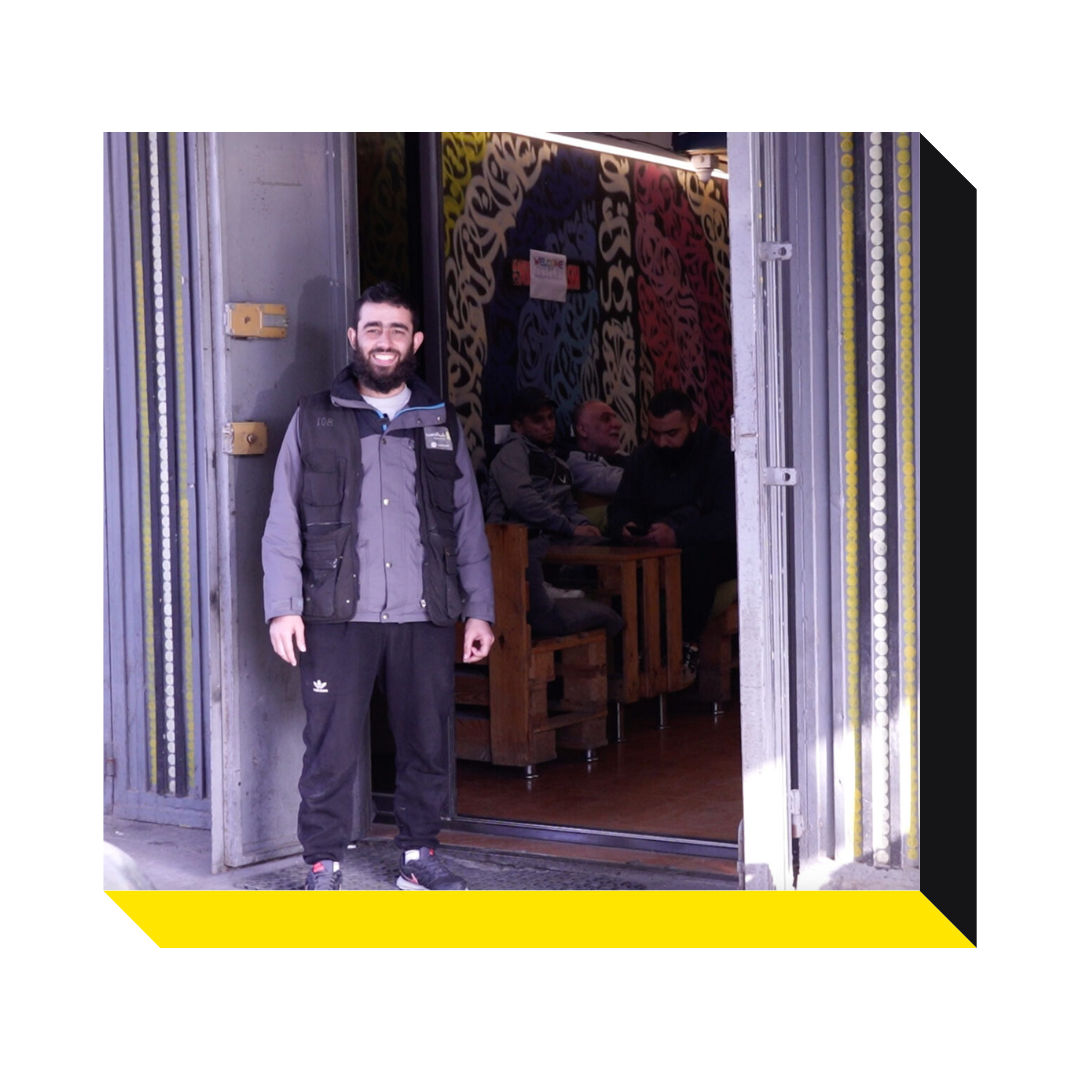
In Tripoli, a city long marked by sectarian conflict and mistrust between neighbouring communities, MARCH’s mission stands solid in challenging long-held perceptions and changing how the city’s past is understood. What once divided residents of Jabal Mohsen and Beb El Tebbeneh is now the path of a unique walking experience called the Love and War Tour. The Love and War Tour invites visitors to walk along the former demarcation lines that once symbolized conflict and tension. This route, officially recognised on Lebanon’s tourist map by the Ministry of Tourism, retraces streets where battles were fought and where suspicion once stood between neighbours. What makes the tour remarkable is who guides it: Former Fighters Lead the Way to What they Once Destroyed Instead of traditional tour guides, the hosts are former fighters and youth from both communities who have transformed their personal histories of confrontation into stories of reconciliation. They share first-hand accounts of life before and after the ceasefire, offering insights that cannot be found in textbooks or headlines. The Love and War Tour: Starting at Kahwetna The journey begins at Kahwetna, MARCH’s cultural hub on Syria Street. Kahwetna itself stands on what used to be a front line, visitors begin with an introduction to the history and culture of the area. Into the Souks From there, participants walk through iconic streets such as Sayde Street, Furun Street, and Souk al Tyeb, exploring souks, historic buildings, and cornerstones of a neighbourhood once shadowed by conflict. This immersive experience is much more than a tour. It is a bridge between “then” and “now,” where personal stories challenge preconceived notions and invite deep reflection. The tour shows how communities can rise above the narratives of war and rediscover shared humanity. For Tripoli, the Love and War Tour contributes to reviving economic activity in marginalised areas, promoting ethical tourism, and countering stigma associated with neighbourhoods once seen as conflict zones. It invites both locals and visitors to rethink the city, not as a place of division, but as a space where healing and unity are possible. It sheds light more on Tripoli. In a country where old wounds often persist, this tour stands as a testament to the power of storytelling, resilience, and community-led change , proving that the path from war to love runs through mutual understanding and shared histories. For more information check out our Youtube channel and Instagram
Category: Safe & Inclusive Spaces
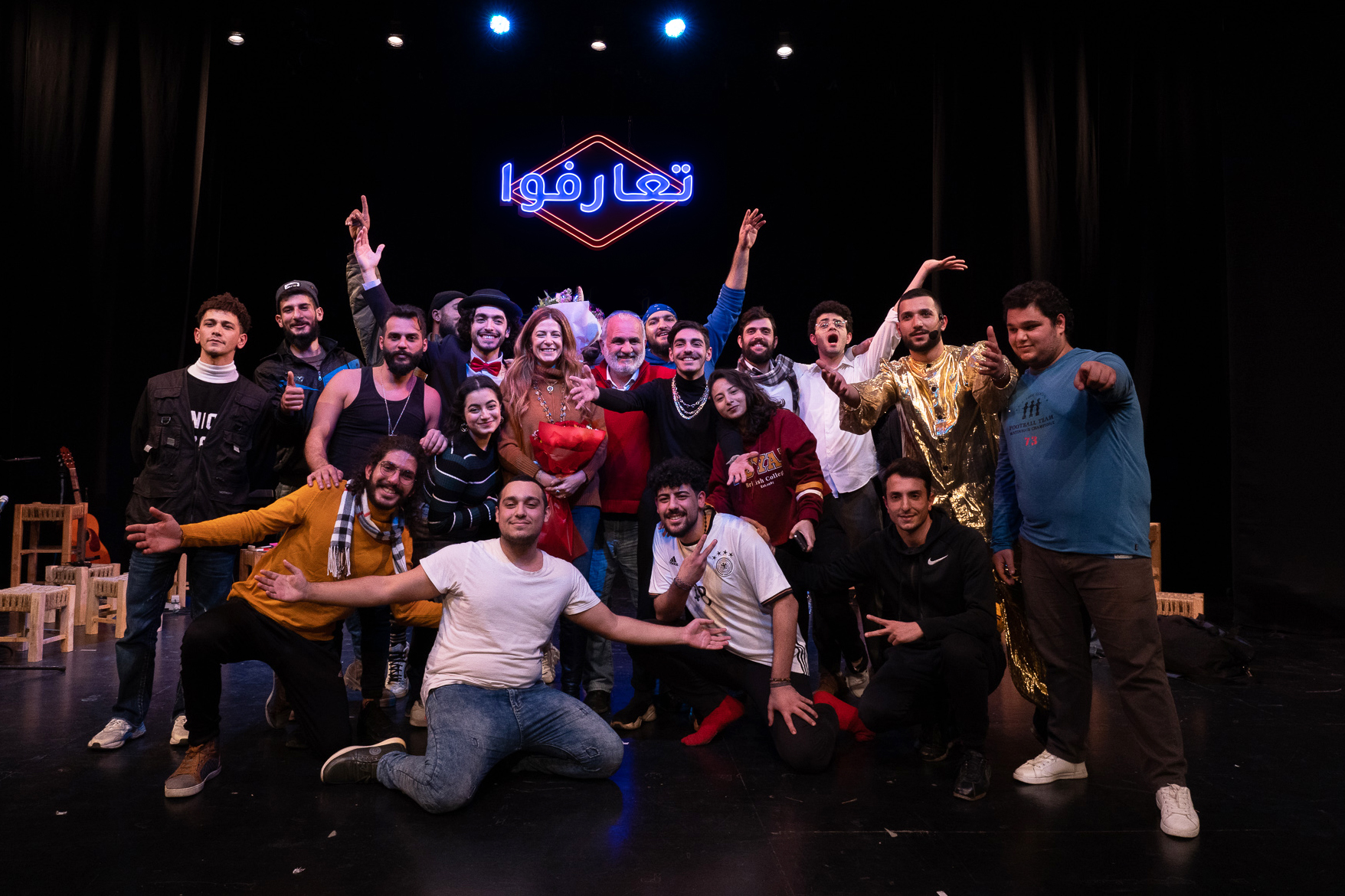
A Shared Table Across Divides: Youth from Hona Beirut and Kahwetna Tripoli Come Together for Christmas Lunch
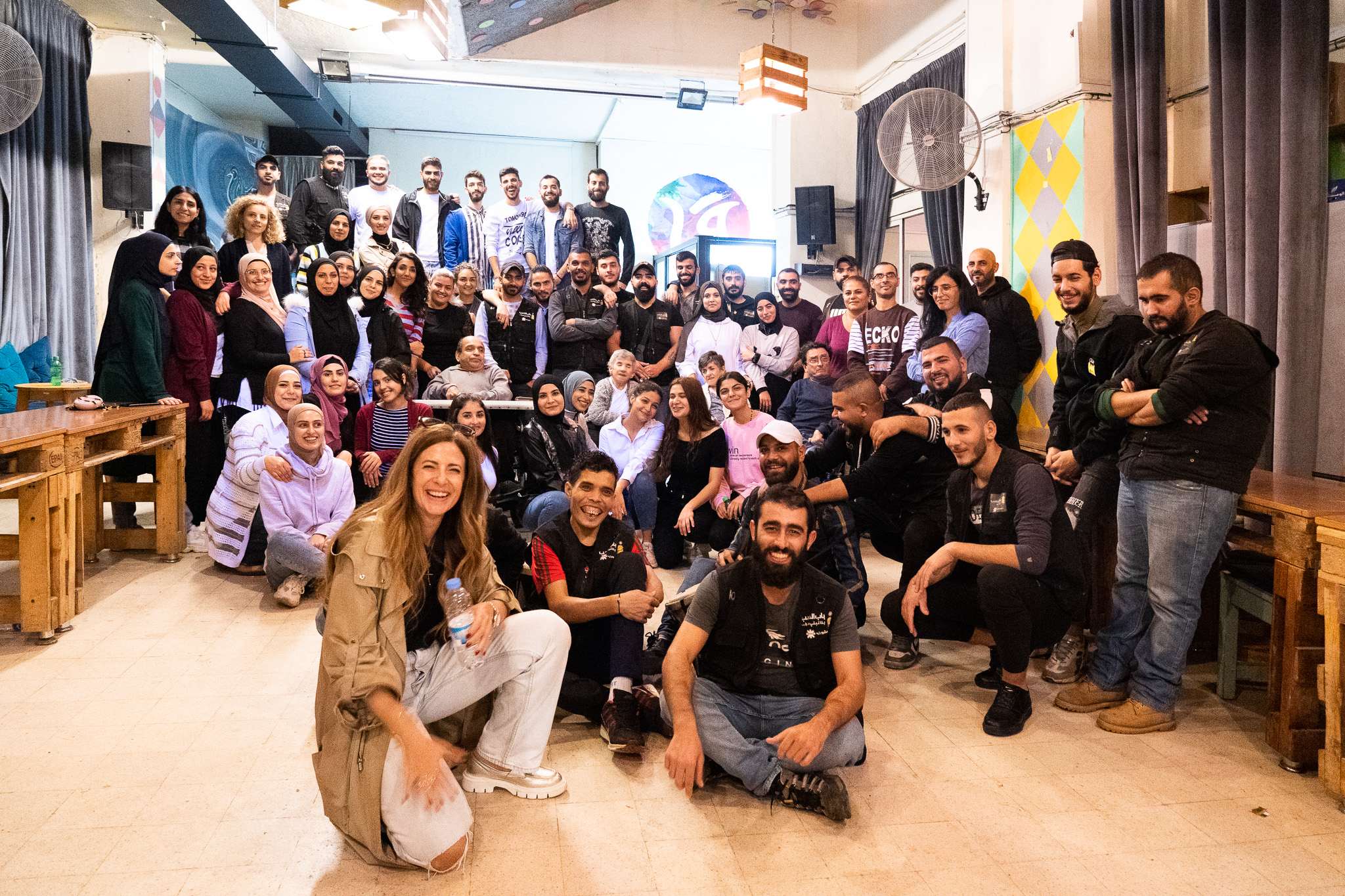
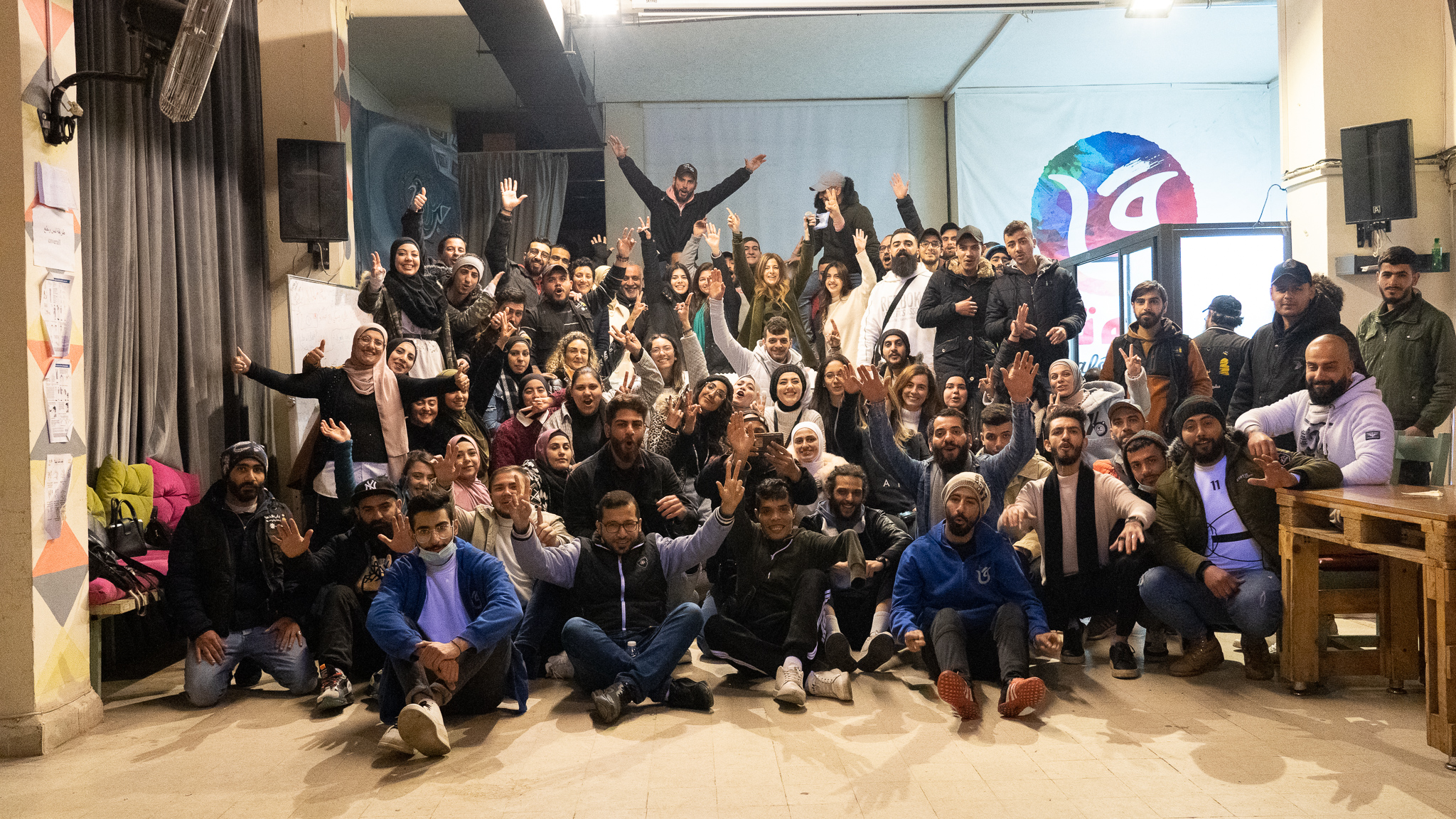
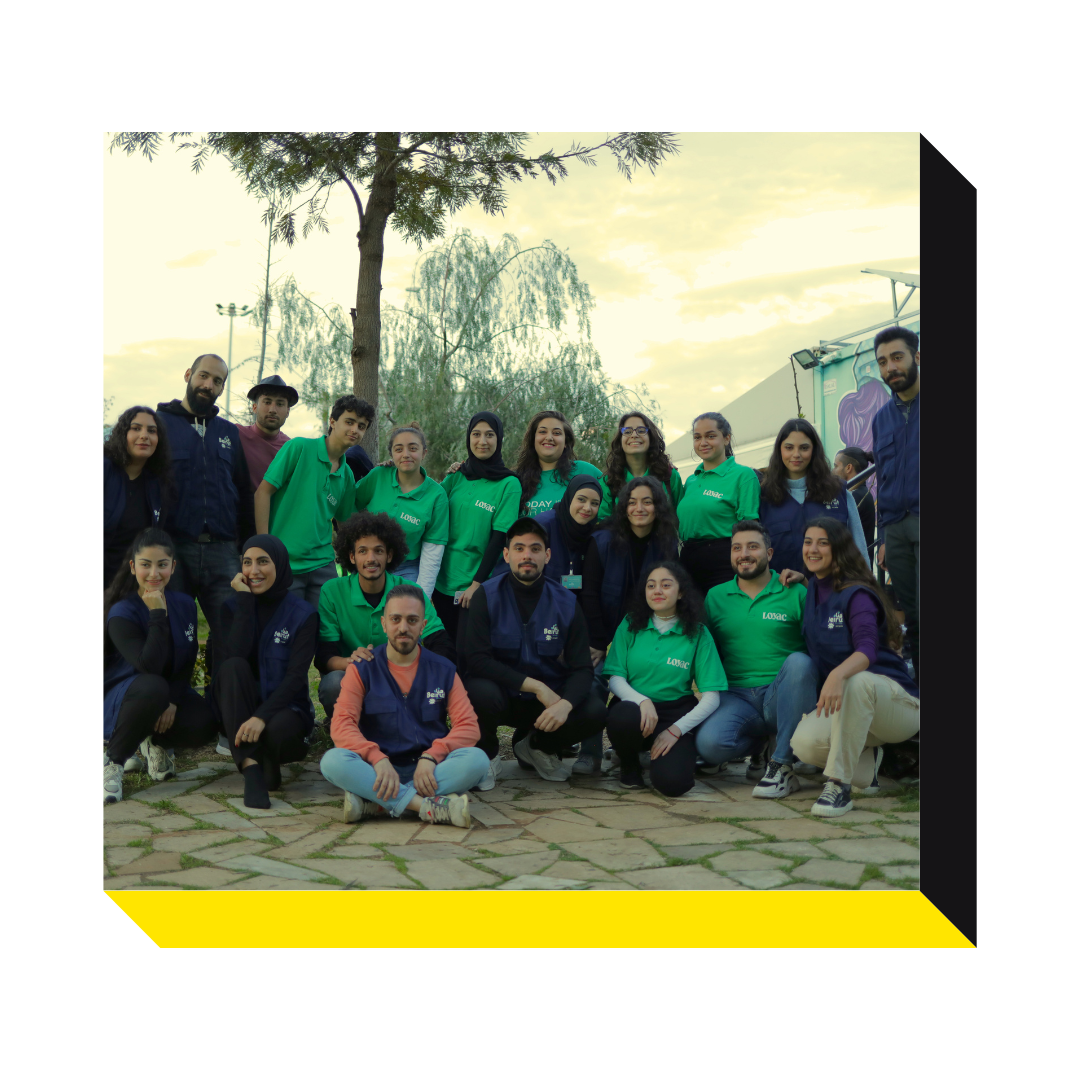
In a country where differences are often emphasized, a Christmas lunch organized by MARCH offered a different narrative. One centered on connection, warmth, and shared humanity. A City Shaped by Division Due to longstanding sectarian, geographic, and conflict-related dynamics, Beirut and Tripoli remain deeply divided from one another. Communities in Beirut particularly from Chiyah, Tariq El Jdideh, Ain El Remmaneh, and Borj El Barajneh are shaped largely by Sunni and Shiite polarization and recurrent street-level violence. In Tripoli, communities from Beb El Tebbeneh, Jabal Mohsen, Mallouleh, Mankoubin, and Wadi Nahleh are influenced by Sunni and Alawite divides and a history of armed confrontations, with many youth having direct or indirect exposure to past fighting. Parallel Histories, Shared Struggles These distinct yet parallel conflict trajectories have reinforced mutual mistrust and entrenched stereotypes between the two cities. As a result, perceptions are often shaped more by historical divisions and area-based identities than by lived similarities, overshadowing the shared struggles, vulnerabilities, and aspirations that unite youth across Beirut and Tripoli. Creating Spaces for Connection This gathering was part of MARCH’s wider initiatives aimed at bringing people together across social and geographic divides, creating spaces where dialogue, understanding, and human connection can grow. The lunch brought together youth participants of Beirut and Tripoli, from different areas and sectarian backgrounds creating a space where they could meet in an inclusive space that encouraged connection and exchange The day started with teambuilding activities to break ice and get to know each other, they were placed in mixed teams giving everyone the chance to meet and get comfortable with one another. The atmosphere was positive and welcoming, creating a sense of togetherness, filled with laughter and easy exchanges. As the day went on, boundaries dissolved. People had engaging conversations, learned about one another, and found comfort in building connections Meeting Beyond Assumptions For many, this lunch was their first opportunity to spend time with people from another area closely. Beirut and Tripoli met not through assumptions this time, but through stories, humor, and shared moments. The gathering showed how quickly distance fades when people are given the chance to simply sit together. As the afternoon ended, it became clear that the gathering meant more than just sharing a meal. The bonds formed during those hours reflected the kind of Lebanon many continue to hope for. One built on connection, respect, and shared experiences. For more information check out out Youtube channel and Instagram
بتمويل بريطاني… قلعة طرابلس تعود للحياة بحلة جديدة (صور)
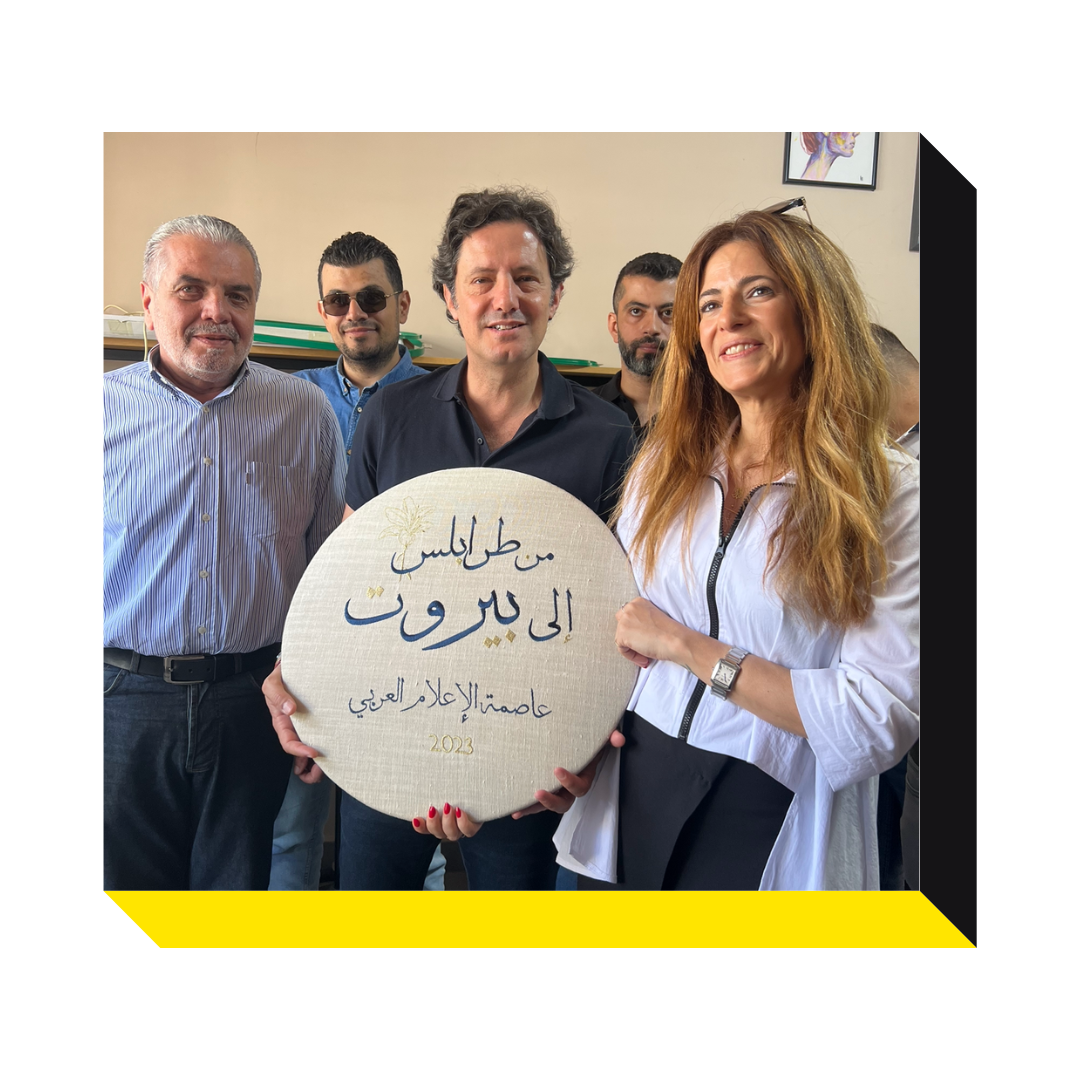
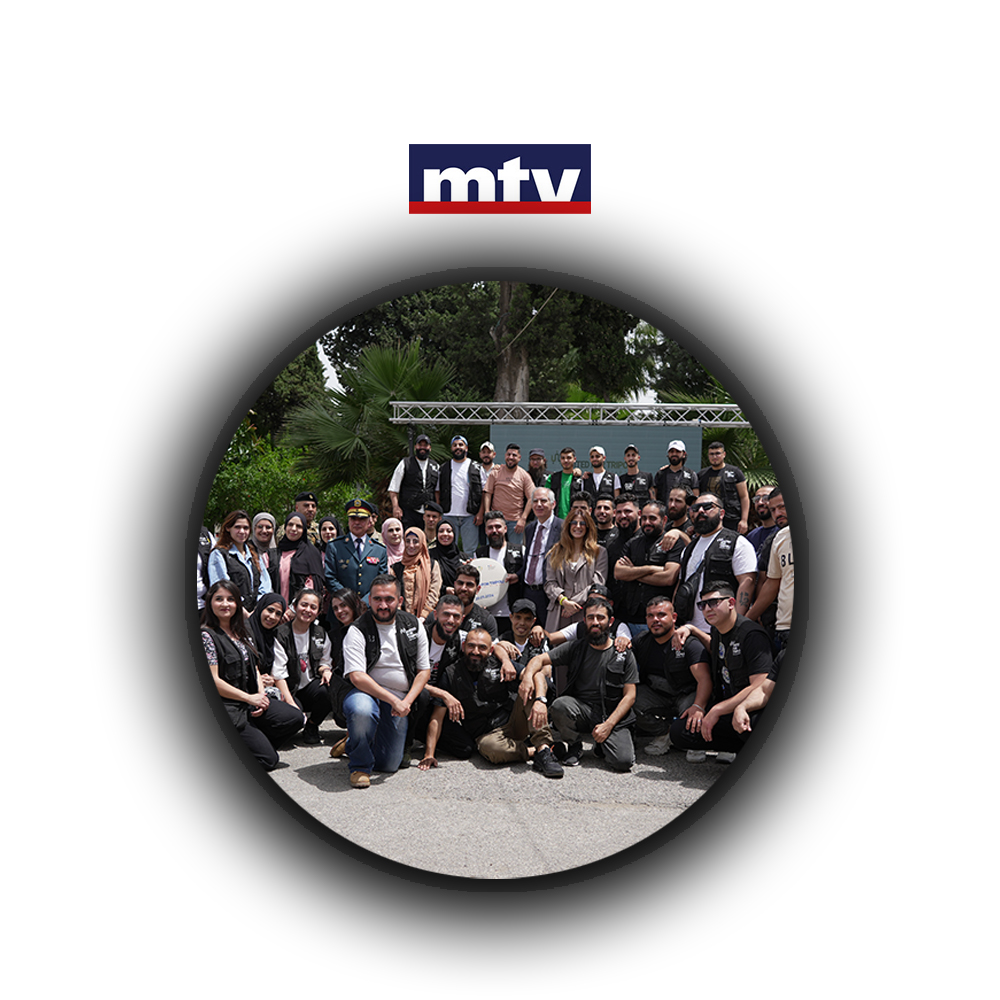
افتُتِحت اليوم قلعة طرابلس التاريخية – المعروفة بـ قلعة ريمون دي سان جيل – بعد الانتهاء من مشروع ترميم شامل استمرّ لأشهر، نفّذه الجيش اللبناني بالتعاون مع شبّان من الفئات المهمّشة في المدينة، وبتمويل مباشر من المملكة المتحدة عبر جمعية مارش. ويأتي هذا المشروع في إطار مبادرات تهدف إلى حماية الإرث التاريخي وتعزيز التماسك المجتمعي في واحدة من أقدم المدن على ساحل المتوسط. حضر الاحتفال نائبة رئيس البعثة البريطانية في بيروت فيكتوريا دنّ، إلى جانب المدير العام للآثار في وزارة الثقافة ممثّلًا الوزير غسان سلامة، ورئيس بلدية طرابلس الدكتور عبد الحميد كريمة، وعدد من ضباط الجيش اللبناني، إضافة إلى رئيسة جمعية “مارش” ليا بارودي وعدد من شباب المنطقة الذين شاركوا في الأعمال الميدانية. وأكدت السفارة البريطانية، في بيان، أنّ المشروع يمثّل “شهادة حيّة على قوة الشراكة بين الجيش اللبناني وشباب طرابلس”، مشدّدة على أنّ إعادة إحياء المعلم التاريخي تعكس التزاماً واضحاً من المملكة المتحدة بالحفاظ على التراث الثقافي وتعزيز الاستقرار الإنساني والاجتماعي في المدينة. وأشار البيان إلى أنّ المملكة المتحدة موّلت منذ عام 2016 مشاريع عدّة لجمعية “مارش” بهدف تخفيف التوترات الطائفية وتعزيز المصالحة عبر إشراك الشباب في العمل المشترك، سواء في طرابلس أو بيروت. وتُعدّ عملية ترميم القلعة واحدة من أبرز هذه المبادرات، لما تمثّله القلعة من رمز تاريخي وحضاري يعود للقرن الثاني عشر. وفي كلمة لها عقب الافتتاح، قالت نائبة رئيس البعثة: “إنّ دعم المملكة المتحدة في تأهيل أقدم قلعة تاريخية في طرابلس هو مصدر فخر لنا، وقد جمع هذا المشروع بين أفراد الجيش اللبناني وشباب المدينة عبر جمعية مارش. إنّ مثل هذه المبادرات تعزز التماسك المجتمعي وتبني الثقة بين المجتمعات المحلية والمؤسسات، في طرابلس وفي جميع أنحاء لبنان.” ويُنتظر أن يساهم المشروع في تعزيز الحركة السياحية في المدينة، وفتح آفاق جديدة للشباب عبر برامج تدريبية ومشاركات مستقبلية مرتبطة بحماية التراث والتنمية المحلية. لقراءة المقال كاملا اضغط هنا
Breaking Stigmas Between At-Risk Youth From Tripoli’s and Beirut’s Conflict Hot-Spot Areas
Once again, football proved to be a bridge for unity, turning the field into a space of reconciliation. As part of establishing positive relationships and decreasing stigma towards each others, a joint football cross-regional activity was conducted where youth from other areas and sectarian backgrounds (Beirut & Tripoli) and specifically from conflict hotspot areas such as Chiyah, Tarik Al Jdeede and Ain El Remmeneh from Beirut and Beb El Tebbeneh, Jabal Mohsen, Mallouleh and Mankoubin from Tripoli. The event took place in Batroun, where the setting itself reflected neutrality and new beginnings. This is part of a series of activities that are continously done. This was not mainly just a football match but the activities started with a teambuilding activity to allow the youth, who have never met before, to meet and share perspectives because they will be playing in mixed Tripoli and Beirut teams, playing with one another, not against each other. The match then began with two mixed teams, each made up of 11 players from both cities. From the start, the field came alive with energy not of rivalry, but of collaboration. By the final whistle, regardless of what the scoreboard read the real win was shared: a renewed belief that Lebanon’s youth can rewrite the story of their country. Both teams were awarded medals and trophies, underlining that the real victory was shared. What mattered was not the score, but the friendships built and the barriers dismantled. The spirit of the game continued beyond the pitch. Youth, coaches, and audience sat together for a communal lunch, sharing stories and laughter around the same tables. The conversations carried the message of the day: that building trust is possible, and that reconciliation can grow stronger each time we come together. Through Sports for Reconciliation, MARCH continues to use football as a platform for peace, resilience, and coexistence.
Sports for Reconciliation in Action: Hona Beirut’s Football and Community Basketball Matches
At Hona Beirut, sport continues to be more than just a game. It is a space where young people from different flashpoint areas and sectarian backgrounds meet, communities engage, and barriers are replaced with connection. Football as a Bridge for First Encounters – Youth From Flashpoint Areas meet on the Field Hona Beirut’s Football matches are where the youth play side by side with others from unfamiliar backgrounds which gives the youth a chance not only to show their skills on the field, but also to discover one another as teammates. Strangers at the start quickly became friends, as shared passes and goals created bonds that went beyond the game. Importantly, these tournaments and matches are not about winners or losers. Their goal is to strengthen connections highlighting the value of unity and building friendships. The celebration of collective spirit over competition sent a clear message: what matters most is the ability to work together and learn from one another. Basketball as a Space for New Bonds Hona Beirut’s Sports for Reconciliation also includes basketball matches that bring together youth from different sectarian backrgounds and sometimes holds collaborations with youth institutions such as Scouts from Christian areas and youth-led organizations. Once again, mixed teams ensure that players are paired with new faces rather than divided by group. The fast-paced games create an atmosphere of excitement, but also of respect and cooperation. For many of the participants, it was their first opportunity to meet peers from outside their usual circles, making the court a place where new friendships and trust could begin. From football fields to basketball courts, the message was the same: sport is a powerful tool for breaking barriers and building connections. By bringing together young people from different areas and communities of Beirut, Hona Beirut continues to show that through play, laughter, and teamwork, youth can discover common ground and create lasting bonds.
Theatre as a Bridge and a Tool for Conflict Transformation at Hona Beirut
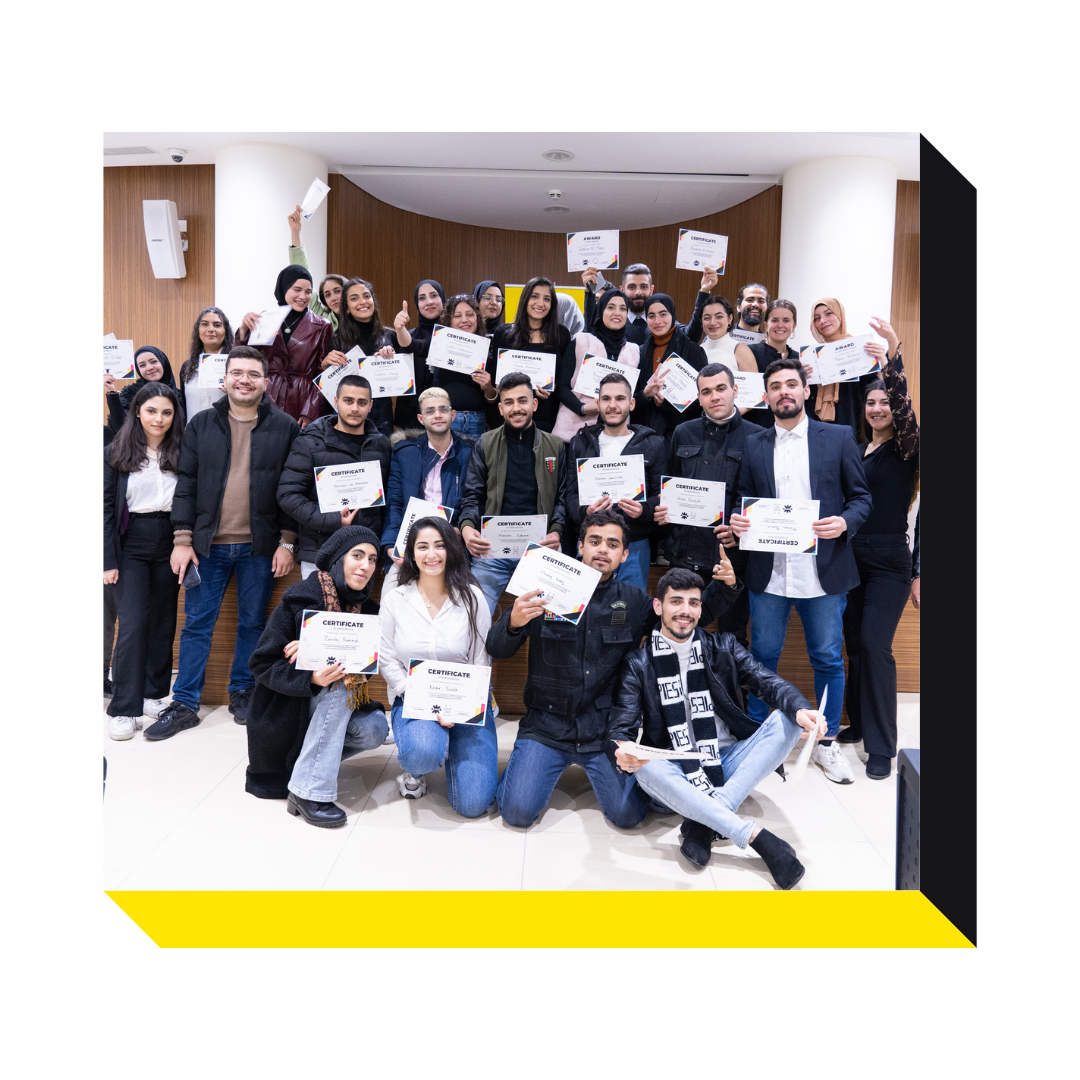
Performing Empathy: Theatre as a Tool for Conflict Transformation As part of its dialogue and peacebuilding efforts, Hona Beirut launched a series of theatre-based conflict transformation workshops, providing young people from diverse communities in Beirut with tools to navigate and transform conflict through performance, dialogue, and emotional exploration. Theatre was chosen as a tool for conflict transformation in Beirut precisely because of the city’s growing polarization. As hate speech and fearful perceptions of the “other” rise, shaped by both local realities and wider geopolitical tensions, there is an urgent need to cultivate empathy and compassion across divided communities in Beirut. By performing in the shoes of someone else, youth chosen from diverse backgrounds around Beirut, experienced the shared struggles of others, fostering deeper understanding between Shiite, Christian, and Sunni communities. In this way, theatre becomes not just a form of expression, but a vital space for breaking down barriers and building common ground. Conflict Transformation Through Theatre: A Safe Space for Dialogue The workshop series consisted of dynamic sessions designed as interactive simulations of real-life conflict scenarios many of which reflected sectarian or community tensions that youth themselves had encountered or witnessed. In these sessions, the youth engaged in role-playing, collaborative storytelling, and improvisation, stepping into the roles of mediators, bystanders, or those directly involved in the conflict. The goal was not only to explore conflict but to practice resolution: participants learned to identify triggers, de-escalate tension, and apply practical tools such as active listening, negotiation, and mediation. This theatre-based format allowed for emotional expression and open dialogue in a supportive, safe environment fostering empathy, self-awareness, and the confidence to act as peacemakers in their communities. Cross-Community Participation: Breaking Barriers Through Performance A defining strength of these sessions was the intentional mix of participants from diverse religious and sectarian backgrounds. By working together in an environment that emphasized expression over argumentation, the youth were able to connect on a human level beyond inherited stereotypes. The shared creative process served as a powerful tool to break down social silos, build mutual understanding, and encourage reflection on personal and communal experiences. Through their performances, participants confronted sensitive issues expressing perception of the others, a sense of shared struggle, challenging stereotypes, and offering new ways to envision coexistence. In this post-war context, where many divisions still run deep, the sessions offered a rare and vital space for young people to reclaim their agency and shape alternative narratives of unity and reconciliation. In a region where identity and politics often divide, these workshops are helping to write a different story one where dialogue replaces silence, empathy overcomes fear, nurturing emotional resilience, and promoting inclusive civic participation.
Strengthening Trust Between At-risk Youth and Institutions: The Mayor of Tripoli Visits Kahwetna
Years of conflict, neglect, and political marginalization have left deep scars on Tripoli’s most vulnerable neighborhoods, particularly in areas like Beb El Tebbeneh and Jabal Mohsen, where state institutions have long been viewed with suspicion or outright hostility. For many young people growing up between the frontlines of former clashes, public officials existed only on television or in the context of security operations. This disconnect didn’t just breed mistrust, it created space for radical ideologies to take hold, offering identity where the state offered none. In response, MARCH has committed to a long-term approach that redefines the relationship between marginalized communities and the state, not through policy, but through presence. One of the clearest examples of this took place on August 21, 2025, when Tripoli’s newly elected mayor, Mr. Abdel Hamid Karimeh, visited Kahwetna, MARCH’s cultural café during one of the inter-communal engagement activities that are continuously conducted by MARCH to bring the pre-conflicting communities of Jabal Mohsen, Beb El Tebbeneh, Mallouleh, Mankoubin and others together. The mayor showed his presence as a recognition of MARCH’s youths’ efforts in the area. The mayor was welcomed by MARCH’s team and the café’s youth beneficiaries, many of whom are former fighters & ex-convicts. During his visit, Mayor Karimeh took time to listen to the life testimonies of at-risk young men and women who had once been caught in cycles of violence and radicalization. He also watched a short documentary that chronicled their journey from conflict to civic engagement. Following the screening, the mayor addressed the group, underscoring the importance of hope, accountability, and youth leadership in rebuilding Tripoli. He committed to supporting Kahwetna as a vital civic space, pledging logistical and municipal coordination to ensure that the center and the youth continue to thrive. The visit continued with a guided tour of Kahwetna’s vocational hub, where young people acquire practical skills in fields ranging from woodworking and digital embroidery to dental assistance. The communal lunch was even prepared by the youth themselves, bringing together community members from both sides of Syria Street around one table. Once a symbolic dividing line, the space now hosts conversations, friendships, and shared experiences. This kind of trust-building is not abstract. When young people believe in the responsiveness of institutions, they are more likely to turn to them in moments of difficulty rather than disengaging or retreating into alternative, sometimes radical, forms of belonging. What began as a visit became a signal, a small but powerful disruption of the cycle of absence and resentment that has long shaped Tripoli’s civic reality. This visit was a shift in narrative. For youth who have long felt neglected or misjudged by those in power, seeing the mayor walk through their space, listen to their stories, and speak directly to their experiences offered more than recognition. It offered a different kind of engagement, one where presence replaces distance, and dialogue begins to undo years of silence. These are the moments where institutional trust begins to take root not in promises, but in action. And when that trust starts to grow, so does the hope that future problems will be met not with withdrawal or resentment, but with connection, accountability, and shared responsibility.
Humanizing Civil–Military Relations Through Shared Experience: The Annual Civil-Military Camp
A History of Division and Mistrust Tensions and clashes between the Alawite neighborhood of Jabal Mohsen and the surrounding Sunni areas of Beb El Tebbeneh, Mallouleh, and others have long shaped the social and political landscape of Tripoli, Lebanon. Years of localized conflict and political marginalization have fostered deep mistrust not only between the aforementioned communities themselves, but also between them and state institutions, particularly the Lebanese Armed Forces which is the security institution with the most prerogatives in the area. In many of these neighborhoods, the army continues to be seen as enemies shaping a perception rooted in confrontation rather than protection. Humanizing the Military Through Sustained Civilian Engagement In response, MARCH has implemented a sustained civil-military cohesion strategy through organizing regular, sustainable and continous activities that bring together youth from these areas with members of the LAF to positively change perceptions from enemies to collaborators, humanize the LAF in the eyes of the youth and vice versa through personal story-telling, and build meaningful relationships grounded in shared experience. A 2-Day Camp in Qamouaa: Sharing Army Life and Personal Stories For the second year in a row, MARCH and the Lebanese Armed Forces organized a two-day residential camp in the 2nd Infantry Brigade in Quamouaa, Akkar, bringing together youth, including former fighters and foes and formerly incarcerated and/or arrested men, mostly those who also have a negative perception of the army, from the formerly conflicting neighborhoods (Beb El Tebbeneh, Jabal Mohsen, Al Mallouleh, Wadi Al-Nahleh, Qobbeh, Mankoubin and others) side by side with army personnel. This civil-military cohesion activity aimed to create a space for the youth to step into the daily rhythm of army life not through observation, but through shared experience. Whether through the meals, informal discussions, or collaborative tasks, the goal is to cultivate familiarity, build interpersonal bonds, and establish a space where both sides can engage as equals and begin to understand each other beyond uniforms or reputations. Fostering Empathy and Breaking Stereotypes Through Immersive Experience Over two days, participants shared meals, stories, music, hikes, and laughter. From the moment of arrival, the atmosphere shifted expectations. Youth were welcomed, guided around space, and assigned to shared tents. The camp was designed as a space for trust-building, open dialogue, and mutual understanding particularly in a context where many participants had previously viewed one another through a lens of fear, stigma, or enemies. For many, this was their first time entering a military setting under positive, voluntary terms. Their participation reflected the trust they’ve developed with MARCH, and their willingness to take a step toward something unfamiliar. At the same time, most of the soldiers involved were new to these types of encounters, allowing both sides to meet without the weight of previous interactions. Laying the Groundwork for Long-Term Reconciliation and Institutional Trust The impact of this activity extended far beyond the two days spent in the camp. For many youths, entering a military space as a guest, not a suspect, was unfamiliar and transformative. Sitting together with soldiers, exchanging jokes, walking, and eating with them allowed these young people to see the institution in a completely different light. “I think this activity is great because it breaks the barrier between the youth and the army. It lets us see what a soldier’s life is really like and how they treat people up close. We used to see the army in certain places as an enemy, but when we saw their reality, we realized they are human beings just like us. We used to have one fixed opinion about them which was a negative opinion, but then our perception completely changed after interacting with them”. Man, B.N, Former Fighter, Ex Convict, Mankoubin This shift was mutual. For the army personnel, the stories they heard around the fire, the daily realities, pain, and strength of these young men disrupted preconceptions. Soldiers came to understand the complexity of the lives lived in neighborhoods they may only have known by reputation. These young people were not statistics or threats, they were peers, often facing far more than anyone had assumed. The camp made that visible. “For the second time in a row, we are organizing a joint camp with March in Al-Qammouaa as part of the civil-military cooperation activities. These kinds of initiatives are vital as it allowed the youth, coming from Beb El Tebbeneh and Jabal Mohsen to know the importance of the army’s role and its duties, and to create a bond between civilians and the military.” General of the 2nd Infantry Brigade. These moments of shared humanity are where long-term reconciliation begins. After the camp, future encounters whether at a checkpoint or during a community project will be shaped by recognition, not suspicion. The soldiers will remember the stories they heard; the youth will remember the respect they received. This is not just a shift in feeling, it’s a shift in relationships. One Activity Among an Entire Civil-Militray Cohesion Strategy It is worth mentioning that the Annual Civil-Military Camp is not an isolated activity. It is part of MARCH’s long-term strategy for civil-military cooperation, trust-building, and reconciliation through direct engagement. Alongside initiatives like food parcel distribution and joint community development projects, the camp affirms a model of connection built on consistency, respect, and shared presence. In a country where institutions and communities are often divided by history, fear, or absence, it is these small, sustained efforts that begin to repair the distance.
Ramadan Iftar with the Lebanese Armed Forces to Break Cycles of Mistrust & Mend Fractured Relationships
As part of its ongoing efforts to promote reconciliation, trust-building, and national cohesion, MARCH hosted a symbolic Ramadan Iftar bringing together all the youth of its peacebuilding and conflict transformation programs, including former fighters, former foes and formerly incarcerated and arrested men alongside 10 high-ranking generals from the Lebanese Armed Forces (LAF) representing diverse regions of Lebanon. This unique gathering was designed not only to honor the holy month of Ramadan, but also to foster shared values, personal stories, and connection between communities that have historically experienced division and conflict and the LAF. By convening youth who were once on opposing sides of violent clashes, alongside military officials from across the country, the Iftar served as a living example of what is possible when bridges are built instead of barriers. The atmosphere was filled with warmth, laughter, and a strong sense of shared humanity. Conversations flowed naturally, breaking down the walls of mistrust and replacing them with respect and empathy. The presence of the LAF was especially significant, symbolizing the state’s recognition of the youth’s efforts to move away from violence and toward active citizenship and peacebuilding. This Iftar was more than a simple meal it was a moment of national reflection as well as the first encounter between some at-risk youth and the LAF. It sent a powerful message: despite our differences in background, region, or history, what unites us as Lebanese is far greater than what divides us. Together, we celebrated the true spirit of Lebanon one of resilience, diversity, and hope. Events like this Iftar reaffirm MARCH’s commitment to creating safe spaces where former adversaries and foes can connect, share experiences, and rewrite their narratives not as victims of conflict, but as architects of a more inclusive and peaceful Lebanon.
Hona Beirut Hosts Cross-Communal Iftar to Foster Empathy, Inclusion, and Shared Values in Post-War Settings
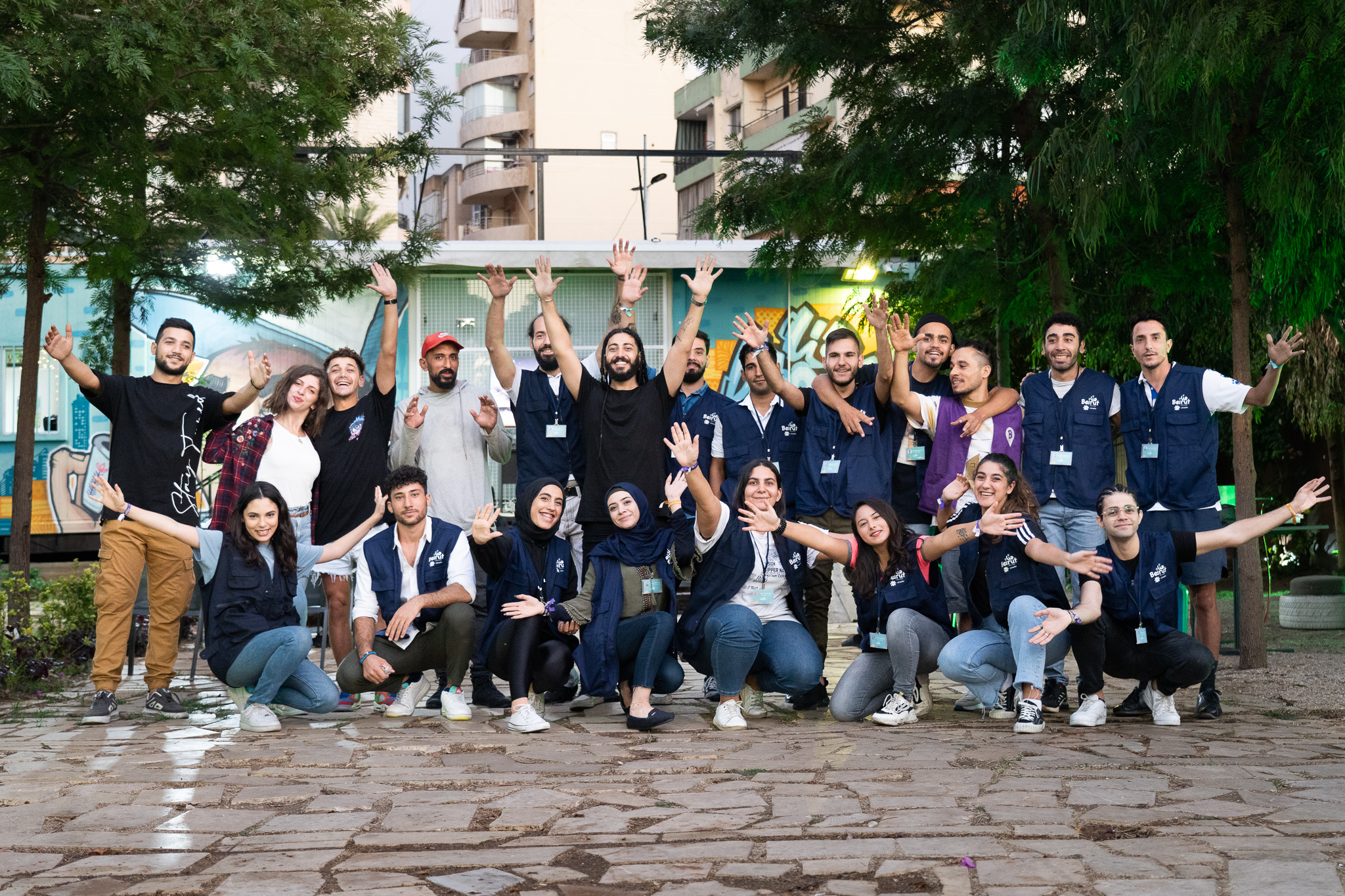
As part of its continued efforts to promote unity and dialogue among youth, Hona Beirut organized a cross-communal Iftar during the holy month of Ramadan. This Iftar was designed not only to celebrate the spirit of Ramadan but also to reaffirm Hona Beirut’s mission of bringing together youth from different sectarian and religious backgrounds in an inclusive and welcoming hub—aiming to reduce stereotypical judgments, foster a shared sense of empathy through the act of sharing a meal, and challenge polarizing narratives, which are much needed in a post-war context. The event brought together youth, families, and community members from diverse areas of Beirut, with the goal of forming friendships that transcend divisions and providing a safe, neutral space where values such as empathy, respect, and solidarity can flourish. As the youth gathered around the Iftar table, the simple act of breaking bread became a powerful symbol of breaking down barriers and bridging differences. Religious, sectarian, and social distinctions were set aside, creating space for genuine connection and mutual understanding. The event served as a reminder that Hona Beirut is more than just a physical space; it is a living platform for reconciliation where young people can come together to learn from and about one another, build trust, and strengthen their sense of community. Through initiatives like this Iftar, Hona Beirut continues to demonstrate its transformative power in shifting fear of the other into a love for encountering the other, especially in Beirut’s homogenous and cantonized areas.