Walking Beyond Division: MARCH’s Love and War tour

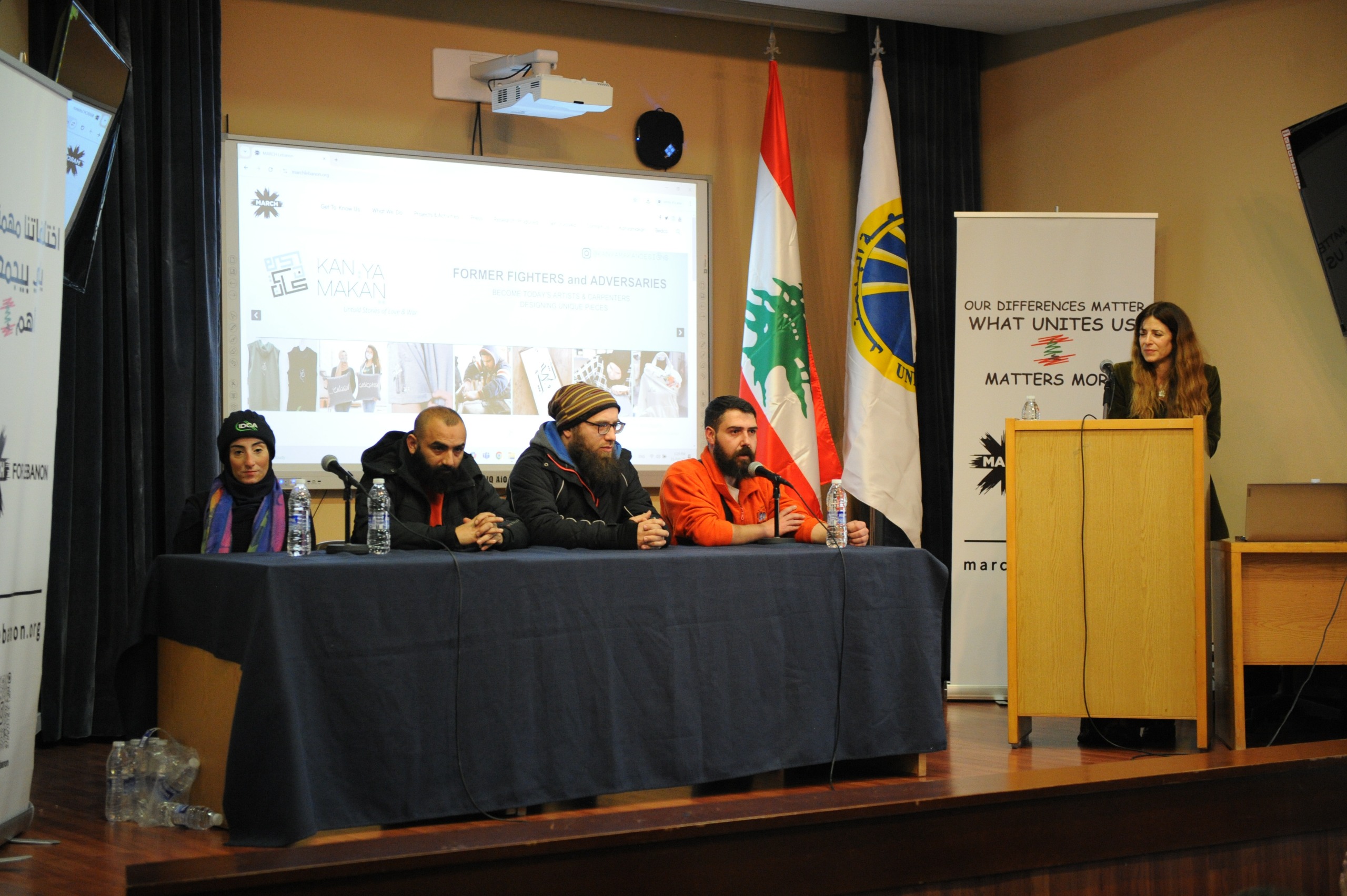
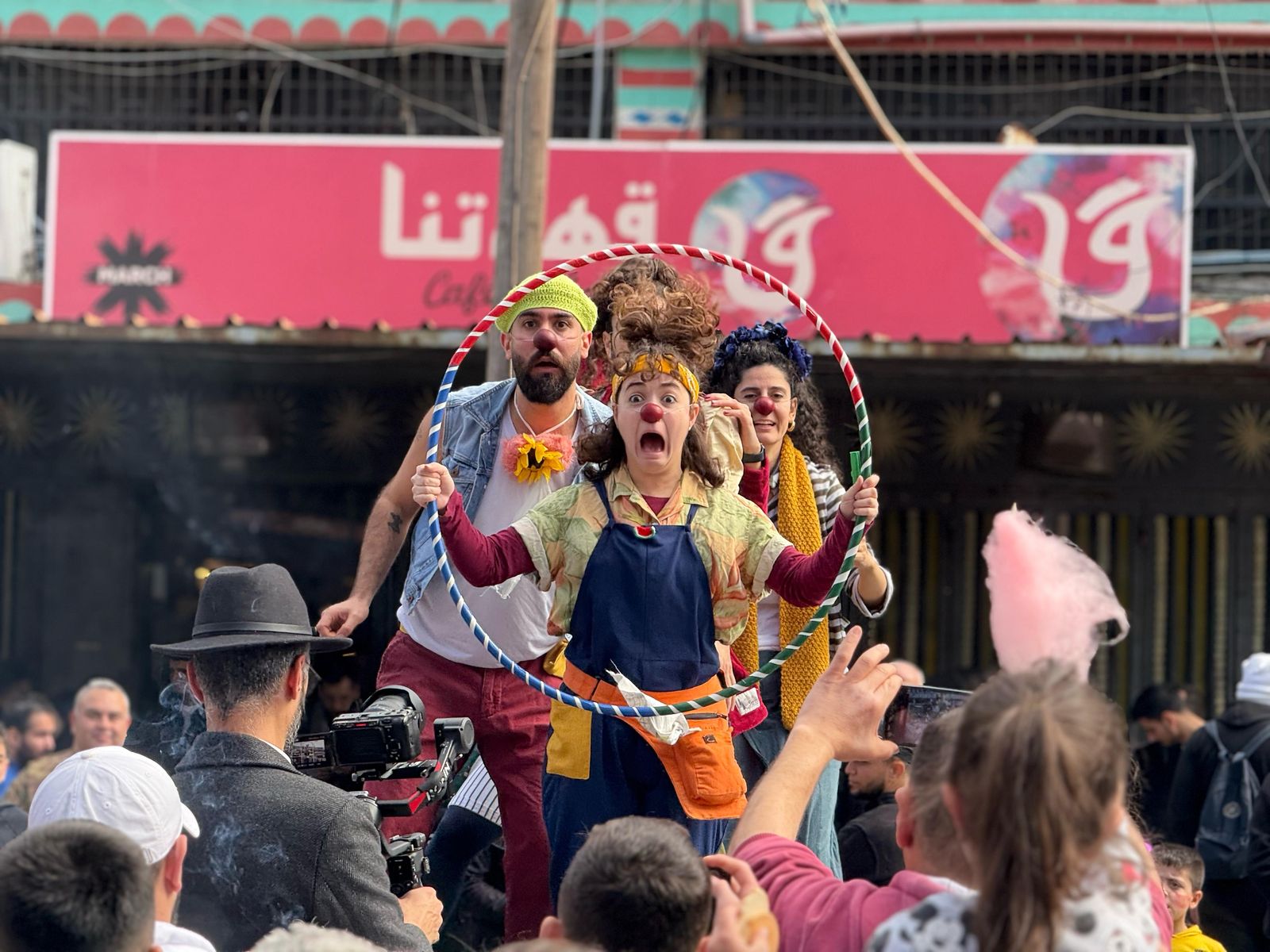
In Tripoli, a city long marked by sectarian conflict and mistrust between neighbouring communities, MARCH’s mission stands solid in challenging long-held perceptions and changing how the city’s past is understood. What once divided residents of Jabal Mohsen and Beb El Tebbeneh is now the path of a unique walking experience called the Love and War Tour. The Love and War Tour invites visitors to walk along the former demarcation lines that once symbolized conflict and tension. This route, officially recognised on Lebanon’s tourist map by the Ministry of Tourism, retraces streets where battles were fought and where suspicion once stood between neighbours. What makes the tour remarkable is who guides it: Former Fighters Lead the Way to What they Once Destroyed  Instead of traditional tour guides, the hosts are former fighters and youth from both communities who have transformed their personal histories of confrontation into stories of reconciliation. They share first-hand accounts of life before and after the ceasefire, offering insights that cannot be found in textbooks or headlines. The Love and War Tour: Starting at Kahwetna The journey begins at Kahwetna, MARCH’s cultural hub on Syria Street. Kahwetna itself stands on what used to be a front line, visitors begin with an introduction to the history and culture of the area. Into the Souks  From there, participants walk through iconic streets such as Sayde Street, Furun Street, and Souk al Tyeb, exploring souks, historic buildings, and cornerstones of a neighbourhood once shadowed by conflict. This immersive experience is much more than a tour. It is a bridge between “then” and “now,” where personal stories challenge preconceived notions and invite deep reflection. The tour shows how communities can rise above the narratives of war and rediscover shared humanity. For Tripoli, the Love and War Tour contributes to reviving economic activity in marginalised areas, promoting ethical tourism, and countering stigma associated with neighbourhoods once seen as conflict zones. It invites both locals and visitors to rethink the city, not as a place of division, but as a space where healing and unity are possible.  It sheds light more on Tripoli. In a country where old wounds often persist, this tour stands as a testament to the power of storytelling, resilience, and community-led change , proving that the path from war to love runs through mutual understanding and shared histories. For more information check out our Youtube channel and Instagram  

Youth Take the Lead in Repairing Tripoli’s Forgotten Streets

For years, potholes have been a daily hazard in Tripoli. Crumbling roads have damaged cars, caused traffic congestion, and, in some cases, led to accidents and rising tensions between neighbourhoods. Along former demarcation lines, these neglected streets became yet another reminder of long-standing marginalisation and state absence which increase feelings of anger. In response, youth from different parts of the city chose action over frustration. MARCH’s youths from Jabal Mohen, Mankoubin, Wadi Nahle, Mallouleh, Omareh, and Beb el Tebbeneh came together, working hand in hand to address a problem that had affected their communities for far too long. In collaboration with Ensa Joura on MTV Lebanon, IPT Group, the Lebanese Armed Forces, and the Municipality of Tripoli, MARCH’s youth completed a three-week mission to repair roads across Beb El Tebbeneh, Jabal Mohsen, Mallouleh, and Mankoubin. The initiative focused on areas along former front lines, where damaged roads had contributed to repeated incidents and renewed friction. Over the course of the project, the youth repaired a total of 160 potholes, significantly improving road safety and easing daily movement for residents. The work followed a clear and hands-on process. Damaged sections were first identified and cleaned, then filled, levelled, and reinforced to ensure durability and safer driving conditions. What might seem like simple repairs had an immediate impact on traffic flow, vehicle safety, and residents’ sense of security. Beyond infrastructure, the project carried a deeper meaning. Youth who were once seen as contributors to instability and destruction are now the same ones restoring streets, improving neighbourhoods, and addressing shared challenges. For many participants, the initiative fostered a renewed sense of belonging, pride, and hope, proving that they are active agents of peace and positive change. This effort stands as a powerful example of what community-led action can achieve. By turning cooperation into concrete results, Tripoli’s youth demonstrated that rebuilding the city does not only happen through policies or plans, but through collective responsibility, trust, and the belief that change is possible. For more infromation check out our Youtube channel and Instagram

Lighting Tripoli Through Solar Power

Tripoli has long struggled with theft and security concerns. Poor street lighting has left many neighborhoods in darkness, making residents feel unsafe and discouraging movement at night. This situation is widely seen as a result of prolonged state neglect toward the city. In a city long affected by electricity shortages and safety concerns, MARCH has taken a concrete step toward sustainable and community-focused change by installing solar-powered streetlights across former demarcation lines in areas such as Jabal Mohsen, Beb El Tebbeneh, Qobbeh, Mankoubin, Mallouleh, Hrajel, and Abou Samra. The project aims to enhance public safety while rebuilding trust in shared public spaces and aiding the community. The initiative is ongoing ensuring long-term impact and sustained engagement with local communities. Within the past two years, MARCH has successfully installed a total of 1,114 solar LED streetlights, significantly improving nighttime visibility and public safety in multiple neighborhoods. Of these, 977 streetlights were installed in residential areas, directly impacting 61,330 community members. These lights now illuminate streets that were previously dark, creating safer spaces for residents to move, work, and gather after sunset. The solar lights were distributed across several Tripoli’s marginalized and most impovirished areas along also conflict prone zones and former demarcation lines. Beb El Tebbeneh received 262 lights, impacting 11,150 residents. Jabal Mohsen saw the installation of 308 lights, benefiting 17,300 people. In Qobbeh, 133 lights now serve 2,970 residents, while Mankoubin received 274 lights, impacting 10,170 people. Additional installations included Mallouleh with 49 lights serving 3,520 residents, Abou Samra with 82 lights reaching 17,360 people, and Hrajel with 6 lights benefiting 100 residents. The project also extended to vital security points. In coordination with the Lebanese Army Forces, 137 solar streetlights were installed at army checkpoints and key security routes. This component of the initiative benefited 1,240 LAF members, enhancing visibility and operational safety in critical locations. Beyond numbers, the project reflects a broader commitment to sustainable solutions in underserved areas. By relying on solar energy, the initiative provides long-term lighting without adding pressure on an already strained power grid. Through this effort, MARCH demonstrated how renewable energy can directly improve daily life, strengthen community safety, and support public institutions. In Tripoli, light has become more than illumination. It has become a tool for dignity, security, and resilience. For more information check out our Youtube channel and Instagram

Tripoli citadel inaugurated following landmark UK funded restoration project

Tripoli’s historic 12th century “Citadel Raymond De Saint Gilles” was officially inaugurated following months of restoration efforts carried out by the Lebanese army and youth from marginalized communities, through UK funding to the NGO MARCH. Wednesday’s inauguration ceremony was attended by Deputy Head of Mission Victoria Dunne with the Director General of Antiquities at the Ministry of Culture (representing Minister Ghassan Salameh) Sarkis Al Khoury, Tripoli’s Mayor Dr. Abdel Hamid Kareemeh, senior Lebanese Army officers, Head of MARCH Lea Baroudi and local youth from the city. “This UK-funded restoration project is a powerful testament to the collaborative spirit between the Lebanese Army and marginalized youth in Tripoli, underscoring a shared commitment to preserving the city’s rich heritage for future generations,” the British Embassy in Beirut said, adding that the UK has funded MARCH, since 2016, to help reduce sectarian tensions and support community cohesion, by engaging at-risk youth from marginalized communities in Tripoli and Beirut. Following the inauguration, Deputy Head of Mission Victoria Dunne said: “I am proud of the UK’s support to restore Tripoli’s oldest historic Citadel, which brought together the Lebanese Armed Forces and Tripoli’s young people through the NGO MARCH. Hand in hand, these initiatives promote community cohesion here in Tripoli and across Lebanon, fostering trust between local communities and Lebanese institutions.” Read the full article here

A Shared Table Across Divides: Youth from Hona Beirut and Kahwetna Tripoli Come Together for Christmas Lunch

In a country where differences are often emphasized, a Christmas lunch organized by MARCH offered a different narrative. One centered on connection, warmth, and shared humanity. A City Shaped by Division Due to longstanding sectarian, geographic, and conflict-related dynamics, Beirut and Tripoli remain deeply divided from one another. Communities in Beirut particularly from Chiyah, Tariq El Jdideh, Ain El Remmaneh, and Borj El Barajneh are shaped largely by Sunni and Shiite polarization and recurrent street-level violence. In Tripoli, communities from Beb El Tebbeneh, Jabal Mohsen, Mallouleh, Mankoubin, and Wadi Nahleh are influenced by Sunni and Alawite divides and a history of armed confrontations, with many youth having direct or indirect exposure to past fighting. Parallel Histories, Shared Struggles These distinct yet parallel conflict trajectories have reinforced mutual mistrust and entrenched stereotypes between the two cities. As a result, perceptions are often shaped more by historical divisions and area-based identities than by lived similarities, overshadowing the shared struggles, vulnerabilities, and aspirations that unite youth across Beirut and Tripoli. Creating Spaces for Connection This gathering was part of MARCH’s wider initiatives aimed at bringing people together across social and geographic divides, creating spaces where dialogue, understanding, and human connection can grow. The lunch brought together youth participants of Beirut and Tripoli, from different areas and sectarian backgrounds creating a space where they could meet in an inclusive space that encouraged connection and exchange The day started with teambuilding activities to break ice and get to know each other, they were placed in mixed teams giving everyone the chance to meet and get comfortable with one another.   The atmosphere was positive and welcoming, creating a sense of togetherness, filled with laughter and easy exchanges. As the day went on, boundaries dissolved. People had engaging conversations, learned about one another, and found comfort in building connections Meeting Beyond Assumptions For many, this lunch was their first opportunity to spend time with people from another area closely. Beirut and Tripoli met not through assumptions this time, but through stories, humor, and shared moments. The gathering showed how quickly distance fades when people are given the chance to simply sit together. As the afternoon ended, it became clear that the gathering meant more than just sharing a meal. The bonds formed during those hours reflected the kind of Lebanon many continue to hope for. One built on connection, respect, and shared experiences. For more information check out out Youtube channel and Instagram

Tripoli : la réconciliation par la culture redonne vie à la citadelle

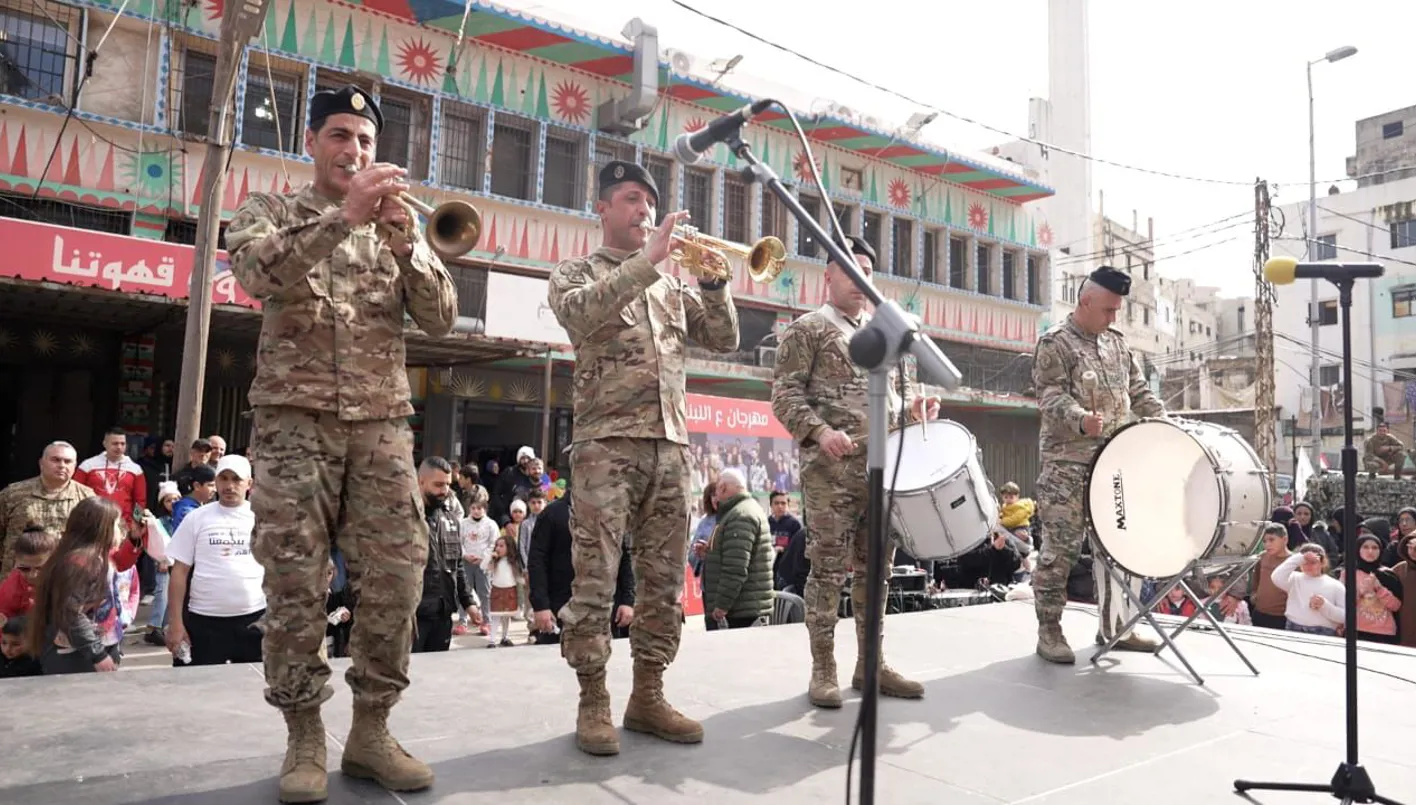
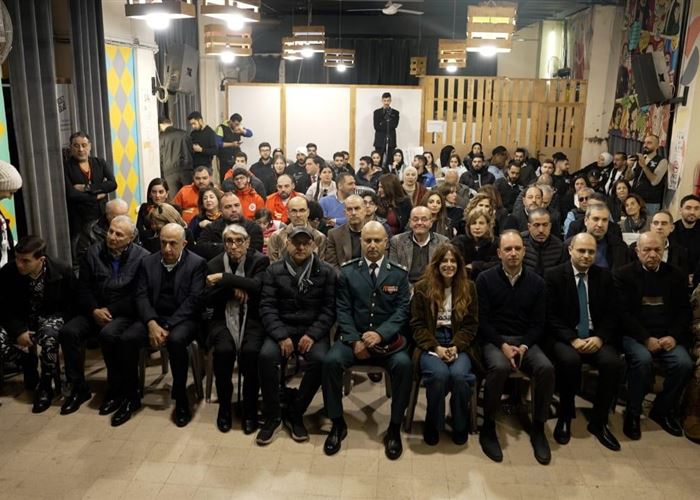
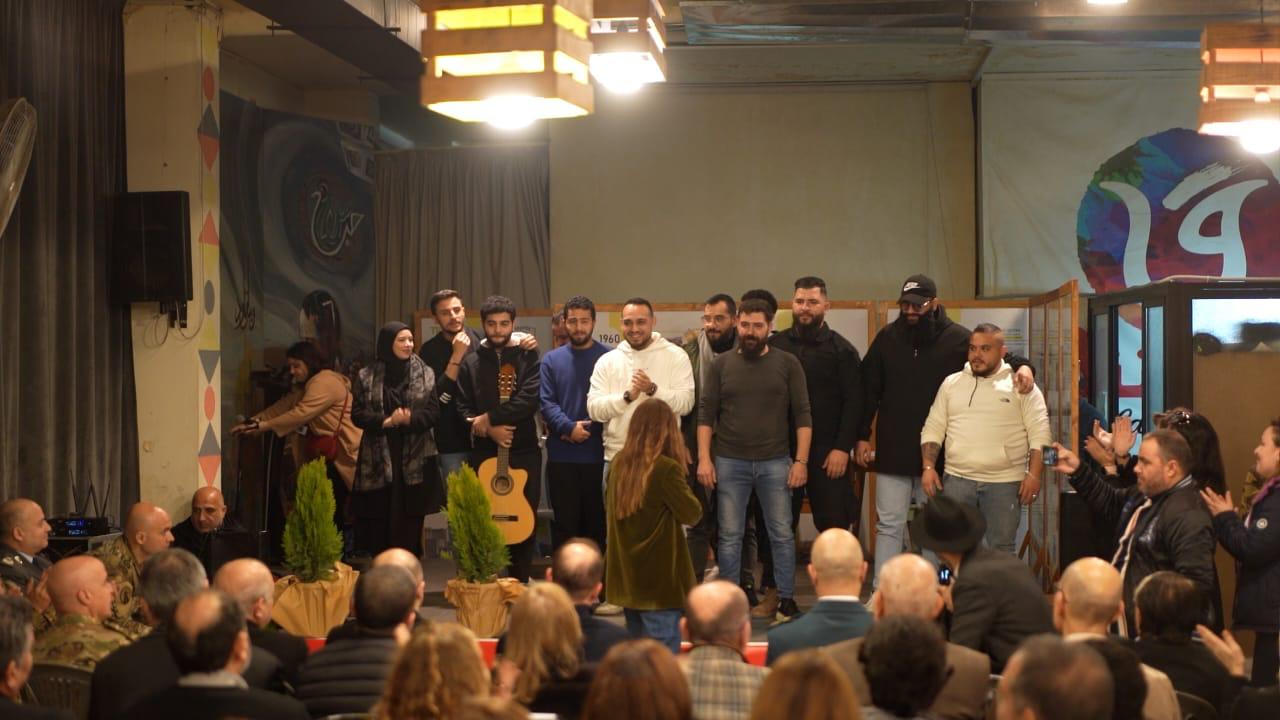
Sous le thème « La réconciliation par la culture », l’association March, en collaboration avec le ministère de la Culture, l’armée libanaise, l’Organisme de secours et la municipalité de Tripoli, a clôturé une initiative inédite visant à nettoyer et illuminer la citadelle de Tripoli, le plus vaste monument historique du Liban, laissée à l’abandon durant des années. L’originalité de cette initiative tient à la participation de dizaines de jeunes issus de quartiers marginalisés de la ville longtemps marqués par les affrontements armés et les lignes de division. Ces jeunes, qui faisaient autrefois partie de groupes opposés, ont travaillé ensemble pendant plus d’un mois pour redonner vie à l’un des plus importants sites patrimoniaux du Liban, dépassant les fractures confessionnelles au profit d’un projet commun. La cérémonie de clôture, organisée le 10 décembre au cœur même de la citadelle, s’est tenue sous le patronage du ministre de la Culture, Ghassan Salamé, représenté par le directeur général des Antiquités, Sarkis Khoury, en présence de plusieurs responsables civils et militaires, dont Victoria Dunne, chargée d’affaires à l’ambassade britannique, principal soutien de l’initiative. Après la projection d’un documentaire retraçant l’histoire de la citadelle, la présidente de March, Léa Baroudi, a salué l’engagement des jeunes et des forces militaires ayant participé à ce projet « dont la véritable valeur réside dans l’humain plus que dans la pierre ». Elle a rappelé que ce chantier s’inscrit dans un travail de longue haleine mené par March depuis plus de dix ans pour réparer les fractures sociales nées des conflits et de la marginalisation systématique à Tripoli. Elle a souligné que plusieurs des jeunes ayant participé au projet avaient jadis été impliqués dans les violences qui ont déchiré la ville. « Aujourd’hui, ils portent les pierres qu’ils avaient autrefois cherché à détruire », a-t-elle dit, insistant sur la capacité de transformation de la jeunesse lorsqu’elle est accompagnée, écoutée et reconnue. Elle a également salué le rôle de l’armée dans la reconstruction du lien entre les habitants et l’État, ainsi que l’appui constant de l’ambassade britannique et des institutions publiques. Les discours se sont succédé pour saluer la dimension patrimoniale, sociale et symbolique du projet. La cérémonie s’est conclue par la remise de certificats de reconnaissance à soixante jeunes et militaires engagés dans le projet, suivie de la levée du drapeau libanais sur les remparts au son de la musique militaire, un moment hautement symbolique, reflet de la volonté de Tripoli de dépasser les traumatismes du passé. Au-delà de la restauration d’un monument, cette initiative confirme que la culture peut être un vecteur de réconciliation, une passerelle entre communautés et un outil durable pour reconstruire le tissu social. March espère poursuivre ces projets afin de renforcer le sentiment d’appartenance et de préserver le patrimoine urbain de Tripoli. Pour lire l’article complet, cliquez ici

بتمويل بريطاني… قلعة طرابلس تعود للحياة بحلة جديدة (صور)

افتُتِحت اليوم قلعة طرابلس التاريخية – المعروفة بـ قلعة ريمون دي سان جيل – بعد الانتهاء من مشروع ترميم شامل استمرّ لأشهر، نفّذه الجيش اللبناني بالتعاون مع شبّان من الفئات المهمّشة في المدينة، وبتمويل مباشر من المملكة المتحدة عبر جمعية مارش. ويأتي هذا المشروع في إطار مبادرات تهدف إلى حماية الإرث التاريخي وتعزيز التماسك المجتمعي في واحدة من أقدم المدن على ساحل المتوسط. حضر الاحتفال نائبة رئيس البعثة البريطانية في بيروت فيكتوريا دنّ، إلى جانب المدير العام للآثار في وزارة الثقافة ممثّلًا الوزير غسان سلامة، ورئيس بلدية طرابلس الدكتور عبد الحميد كريمة، وعدد من ضباط الجيش اللبناني، إضافة إلى رئيسة جمعية “مارش” ليا بارودي وعدد من شباب المنطقة الذين شاركوا في الأعمال الميدانية. وأكدت السفارة البريطانية، في بيان، أنّ المشروع يمثّل “شهادة حيّة على قوة الشراكة بين الجيش اللبناني وشباب طرابلس”، مشدّدة على أنّ إعادة إحياء المعلم التاريخي تعكس التزاماً واضحاً من المملكة المتحدة بالحفاظ على التراث الثقافي وتعزيز الاستقرار الإنساني والاجتماعي في المدينة. وأشار البيان إلى أنّ المملكة المتحدة موّلت منذ عام 2016 مشاريع عدّة لجمعية “مارش” بهدف تخفيف التوترات الطائفية وتعزيز المصالحة عبر إشراك الشباب في العمل المشترك، سواء في طرابلس أو بيروت. وتُعدّ عملية ترميم القلعة واحدة من أبرز هذه المبادرات، لما تمثّله القلعة من رمز تاريخي وحضاري يعود للقرن الثاني عشر. وفي كلمة لها عقب الافتتاح، قالت نائبة رئيس البعثة: “إنّ دعم المملكة المتحدة في تأهيل أقدم قلعة تاريخية في طرابلس هو مصدر فخر لنا، وقد جمع هذا المشروع بين أفراد الجيش اللبناني وشباب المدينة عبر جمعية مارش. إنّ مثل هذه المبادرات تعزز التماسك المجتمعي وتبني الثقة بين المجتمعات المحلية والمؤسسات، في طرابلس وفي جميع أنحاء لبنان.” ويُنتظر أن يساهم المشروع في تعزيز الحركة السياحية في المدينة، وفتح آفاق جديدة للشباب عبر برامج تدريبية ومشاركات مستقبلية مرتبطة بحماية التراث والتنمية المحلية. لقراءة المقال كاملا اضغط هنا

قلعة طرابلس تعود إلى الحياة… ترميم بتمويل بريطاني جمع الجيش وأبناء المدينة

استعادت قلعة طرابلس التاريخية، المعروفة بـ”قلعة ريمون سان جيل” والعائدة إلى القرن الثاني عشر، رونقها بعد اختتام مشروع تأهيل شامل نُفّذ على مدى أشهر بتمويل بريطاني لصالح جمعية “مارش”، بمشاركة الجيش اللبناني والشباب في المدينة، في خطوة يُنظر إليها بوصفها تجربة تعاون حيوية تعيد وصل التراث بالمجتمع وأقيم حفل افتتاح رسمي للموقع بعد الترميم بحضور نائبة رئيس البعثة البريطانية فيكتوريا دنّ، والمدير العام للآثار في وزارة الثقافة سركيس الخوري ممثلاً الوزير محمد وسام المرتضى، إلى جانب رئيس بلدية طرابلس عبد الحميد كريمة، وعدد من ضباط الجيش، ورئيسة جمعية مارش ليا بارودي، إضافة إلى مجموعة من الشباب المشاركين في المشروع ويمثل هذا الإنجاز الثقافي نموذجا للتلاقي بين المؤسّسة العسكرية وأبناء الأحياء المهمّشة في المدينة، مؤكّدًا — بحسب الجهات المنفذة — أهمية حماية التراث ودعم إدماج الشباب عبر العمل الإنتاجي، بما يسهم في تعزيز الانتماء والهوية المشتركة يُذكر أن المملكة المتحدة موّلت منذ عام 2016 سلسلة مشاريع نفذتها “مارش” بهدف الحد من التوترات المجتمعية وتعزيز التماسك الاجتماعي في طرابلس وبيروت عبر إشراك الشباب في مبادرات بنّاءة ”وعلّقت دنّ بعد الافتتاح قائلة: ”إعادة تأهيل أقدم قلعة في طرابلس مصدر فخر لنا… فقد جمع هذا المشروع الجيش اللبناني وشباب المدينة، وعزز الثقة والتماسك المجتمعي، ليس في طرابلس فقط بل في لبنان ككل لقراءة المقال كاملا اضغط هنا

ممثل سلامة في اختتام مبادرة تنظيف قلعة طرابلس: التراث يمكنه ان يشكل اهم رافعة اقتصادية

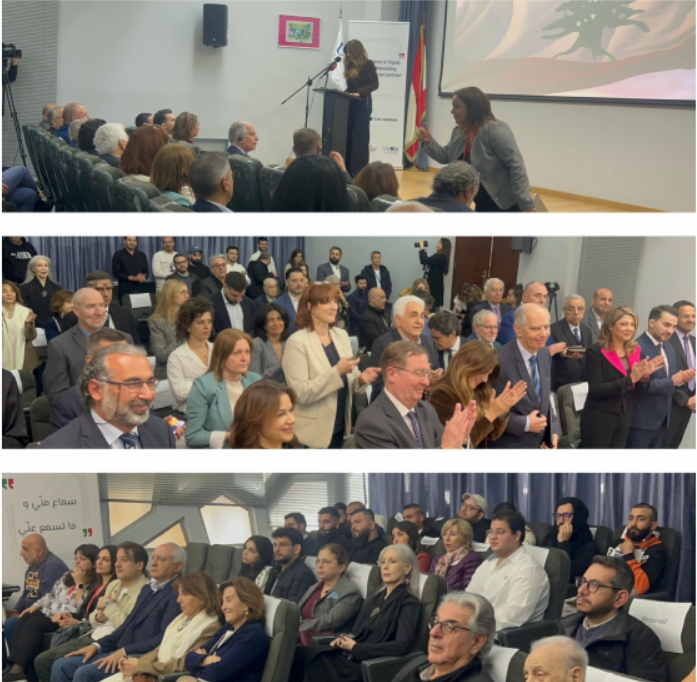
 أقامت جمعية “مارتش” الحفل الختامي لمبادرة تنظيف وإنارة قلعة طرابلس الأثرية تحت عنوان “المصالحة من خلال الثقافة”، برعاية وزير الثقافة الدكتور غسان سلامة، في حرم قلعة طرابلس، بحضور ممثل وزير الثقافة المهندس سركيس خوري، النائب السابق علي الدرويش، ممثل قائد الجيش العميد عبد الكريم اسعد، محافظ لبنان الشمالي ايمان الرافعي، رئيس بلدية طرابلس عبد الحميد كريمة، فيكتوريا دانز ممثلة السفارة البريطانية. بعد النشيد الوطني، أشارت جوانا عطية الى ان “مشروع تنظيف القلعة هو عمل على هوية وعلى انتماء لاعادة احياء مرفق هام بالنسبة للمدينة”  وقالت: “هذا المشروع يعطي قيمة لهذه اللحظة التي نسعى لنعيد فيها قلعة لا تزال تتمتع بالحضور”. وبعد عرض فيديو بعنوان “لمحة عن قلعة طرابلس”، لفتت ليا بارودي الى ان “هذا المكان شهد على عظمة المدينة”. وقالت: “الشكر للحاضرين ولشباب جبل محسن والتبانه والمنكوبين ووادي النحله والملولي وكل المناطق التي شاركت في هذا المشروع، لان وجودنا اليوم ليس فقط لنكرم تاريخ القلعة انما لنحتفل بهذه اللحظة لان هذا المشروع هو جزء من مسار طويل من ماضي الجمعية منذ اكثر من 10 سنوات، والتي سعت لتصلح ما خرب في هذه المدينة بعد حروب ممنهجة، وهي تعمل في اكثر المناطق تهميشا، في مناطق كبيرة تربى فيها الشباب على اصوات الرصاص والخوف وعلى اساس ان لا احد يراهن عليهم ولا يرى وجودهم، وحيث عملت مارش مع الشباب في خطوط التماس بن جبل المحسن والتبانه فانخرط في هذا المشروع المئات من شباب طرابلس في مشاريع مختلفة وخدمات اجتماعية في الاحياء ونجحت في ان تخفف عن الشباب وان يعيشوا معا بكرامة”. اضافت: “القلعة كنز لطرابلس لبنان وتراث وتاريخ، وما يعطي لهذه المبادرة معناها الحقيقي هم الشباب الذين كانوا على جبهات المواجهة، هم من عملوا على تنظيف القلعة ورمموها بإشراف مديرية الاثار وبالتعاون اليوم مع الجيش اللبناني”. وتابعت: “هناك تسميات أطلقت على شباب طرابلس من ارهاب وغيره، وهي صفات في غير محلها، ولا بد من تجنب الصفات المسبقة. ان قلعة طرابلس اليوم هي بفعل جهودهم انظف لان هؤلاء يستطيعون القيام بذلك”. وأثنت على دور “الجيش اللبناني الاساسي وهو وجه الدولة الوحيد”. وتحدثت عن الاعمال التي نفذتها “مارتش” بالتعاون مع الجيش اللبناني، والتي “قربت المسافات بين الشباب والجيش الشريك الاساسي في المصالحة وبناء الثقة بين الشباب ومحيطهم”. وبعد عرض فيلم عن اعمال التنظيف التي جرت في القلعة، قالت سمر كرم من مديرية الاثار: “يسرنا أن نستقبل الجميع في قلعة طرابلس، وجميل ان تكون القلعة هي البيت الذي يستقبل الجميع”. اضافت: “عندما نتحدث عن التراث لا نقول انها مسؤولية الدولة فقط، عندما نقول اننا نريد ان نصون هذا التراث فالامر يضع المسؤولية في سياق التزام وطني جماعي ومشاركة كل فرد ومؤسسة، فالتراث ليس مجرد حجارة بل ركيزة مهمة لكي نتحدث عن هويتنا الثقافية والذكرى التي ستحفظ من سبق وستحفظ ايضا هذا الجيل” . وتابعت: “ان المحافظة على الاثار تدخل ضمن مسار كامل من القيم والمعارف والعادات التي تشكل صلة الوصل بين الماضي والحاضر والمستقبل. من الضروري جدا مشاركة كل القطاعات لنحافظ على تراثنا”. بدوره، قال رئيس بلدية طرابلس: “نجتمع اليوم في مكان يحفظ ذاكرة الحرب والانتصارات، في قلعة كانت يوما حامية للمدينة، فتصبح اليوم شاهدة على ميلاد مرحلة جديدة، مرحلة تُثبت أن طرابلس لا تُصلحها السياسة وحدها، بل تُصلحها الثقافة، تُصلحها الإرادة، وتُصلحها قلوب أبنائها حين تتكاتف”. اضاف: “من باب التبانه، إلى جبل محسن، إلى الأحياء المحيطة، شباب كانوا سابقا على طرفي النزاع، ها هم اليوم كتفا إلى كتف، يعملون مع الجيش ومع كل الخيرين، ينظفون القلعة، يحرسون التراث، ويرممون ما حاولت السنوات هدمه. وهذا الانجاز ليس مجرد مبادرة بل رسالة عن طرابلس التي تنهض حين يقرر أبناؤها ذلك”. وتابع: “هنا لا بد أن نتوقف بصدق أمام الجهة التي آمنت بهذا التحول منذ بدايته: جمعية مارتش، التي قرأت في شباب المدينة طاقة لا مشكلة، ورأت في الثقافة جسرا لا حاجزا. شكرا لمارتش على إصرارها أن تكون شريكا مستمرا لا ضيفا عابرا، وعلى أنها اختارت أن تستثمر في الإنسان قبل الحجر، في فن الشارع قبل بيانات المؤتمرات، وفي المصالحة الحقيقية التي تبدأ حين نرى في الآخر إنسانا يشبهنا لا خصما علينا هزمه”. واردف: “نحن اليوم نرفع علم التكاتف، علم القرار بأن نبقى معا، نرفع راية تقول: إن ما توحد هنا في القلعة سيبقى مجتمعا في الشوارع، وإن ما بدأ كمبادرة ثقافية تحول إلى وعد لمدينة: وعد بأن التاريخ لا يعيد نفسه إلا حين نتركه يفعل ذلك. ومن قلب هذه القلعة، من حجارتها التي سمعت أصوات الصراع وتسمع اليوم ضحكات المصالحة، نعلن أن طرابلس أقوى بوحدة أبنائها، وأن ثقافتنا حين تُزهر تُسقط كل حواجز الخوف وسنوات العزلة”. وختم: “لكل شاب وشابة شاركوا في هذا الإنجاز: أنتم الدليل أن الوطن يمكن أن يُبنى من جديد، بفكرة، بفرشاة رسم، وبابتسامة ثقة في الغد. شكرا لكم، شكرا لمارتش، شكرا لكل من آمن أن مستقبل طرابلس يبدأ هنا، حين نمد يدنا لبعض، لا على بعض”. ثم كانت شهادات من شبان شاركوا في التأهيل، فكلمة ممثلة السفارة البريطانية، أعقبها ممثل وزير الثقافة الذي تحدث عن تجربة “التعاون بإشراف الجيش اللبناني بعد انفجار مرفأ بيروت والتجربة المتقدمة التي تمكنت من خلالها الجهات المختصة من تحديد مناطق مصنفة تراثية وتمكن لبنان البلد الصغير من تصنيف 34 موقعا من اصل 120 فيما في اوكرانيا نجحوا في تصنيف 23 منطقة”. وعرض لدور الجيش اللبناني في حماية مثل هذا التصنيف، مثنيا على دور وحدة الجيش التي تولت حماية الممتلكات الثقافية باعتبار ان “تجربة التصنيف رائدة بالنسبة للبنان”. وقال: “التراث في لبنان يمكنه ان يشكل اهم رافعة اقتصادية، فلا تكاد تخلو اي مدينة او اي قرية من موقع ثقافي يمكن ان يكون منتجا بالمعنى الايجابي للاقتصاد الوطني وللتنمية المستدامة”. اضاف: “دور وزارة الثقافة لا يمكن ان يكون ناجحا الا بالتعاون بين كل اللبنانيين، فكل فرد في لبنان يمكنه ان يلعب دوره على قدر احتماله، والتعاون بين كل المؤسسات والجمعيات والمجتمع المحلي يمكن ان يكون منتجا وايجابيا وخاصة في مدينة كطرابلس الغنية عن التعريف بتراثها الاجتماعي والاثري. هذا التميز الطرابلسي دفع وزارة الثقافة الى وضع المدينة على لائحة التراث العالمي”. ونوه بأعمال عدة في المدينة نفذت بالتعاون مع مؤسسات دولية مختصة، حيث أمكن انقاذ احد المباني المعرضة للخطر، مؤكدا “ضرورة حماية مدينة طرابلس الغنية بتراثها كرافعة اجتماعية اقتصادية”. وختاما وزعت الشهادات على المشاركين في المبادرة. لقراءة المقال كاملا  اضغط هنا

The Solar-Well Initiative in Tripoli – Addressing the Water Shortage in Beb El Tebbeneh

Addressing Water Access Challenges in Marginalized Communities In Beb El Tebbeneh, Malloule, Mankoubin and Wadi Nahle water access has been a significant challenge for many residents. In some areas, the situation is so dire that households experience complete water shortages. This situation has often sparked roadblocks and confrontations, deepening existing sectarian tensions. Meanwhile those who do have access to water often face exorbitant costs, adding to the daily struggles of securing this essential resource. Unfortunately, the citizens of Beb El Tebbeneh, Malloule, Makoubin and Wadi Nahle are individuals with the lowest incomes who face the most hardship, especially in this economic stratum, struggling to cover their basic needs and water is one of them. Moreover, the high price of water worsens the difficulties for local communities, highlighting an urgent need for sustainable solutions to address the water crisis in the region. For years, these neighborhoods have remained largely neglected leaving residents to rely on inconsistent or informal alternatives to secure basic services. This lack of attention has deepened feelings of marginalization and widened socio-economic disparities, making initiatives like this one essential to improving living conditions and strengthening community resilience. The Hurdles of Fuel Reliance for Water Recognizing the urgency of this matter, local Sheikhs organized a significant well project. This initiative was a much-needed step toward alleviating the water crisis, but the wells’ reliance on fuel-powered generators posed another challenge. The financial strain of maintaining these generators, amid Lebanon’s ongoing fuel shortages and skyrocketing costs, meant the solution was far from sustainable. Supporting Communities Through Solar-Powered Water Access To add to the efforts in meeting the needs of the community, the youth of MARCH from Jabal Mohsen, Beb El Tebbeneh, Mallouleh, Mankoubin and Wadi Nahle decided to find solutions in collaboration with the Sheikhs. In response, the youth, with the help of MARCH, installed a total of 445 solar panels to power 18 water wells to generate a water distribution system for local wells installed previously by the local Sheikhs. This project directly addressed a critical need in the community and required the cooperation of the Lebanese Armed Forces (LAF) as well. The youth of Jabal Mohsen, Beb El Tebbeneh, Mallouleh, Mankoubin and Wadi Nahle alongside the Lebanese Army, joined efforts to install and maintain solar panels, ensuring a sustainable source of water for local households. In total, the project covered 10 wells in Beb El Tebbeneh, 6 in Al-Mankoubin, 1 in Upper Mallouleh, and 1 in Lower Malloule. The project initially began in Beb El Tebbeneh, before expanding to Al-Mankoubin and later to both Lower and Upper Mallouleh. The expansion aimed to reach neighborhoods where access to clean water remained most limited. Mallouleh, in particular, is among the areas with the lowest socio-economic conditions in Tripoli, where many families live in informal housing and face significant infrastructure challenges. Expanding the initiative to Mallouleh reflected a commitment to inclusion and to improving daily life for residents in some of Tripoli’s most marginalized areas. These solar systems now powers 18 water wells, providing a sustainable solution for water distribution. The impact of this initiative is substantial, with nearly 4,043  households benefiting from the improved water supply. Empowering Communities Through Solar Water Projects Through the installation of  445 solar panels, 18 wells can now operate independently of traditional generators. With just three hours of sunlight each day, the tanks of these wells can be adequately filled, ensuring reliable water distribution to the community. This sustainable system now provides around-the-clock access to clean water for 4,043 housing units in total, directly improving the daily lives of residents. As a result, roadblocks and tensions that once emerged due to water shortages have significantly decreased. Moreover, the project’s collaborative approach has strengthened relationships with local communities, as neighborhood committees and residents have developed greater trust in MARCH and its ongoing commitment to addressing shared challenges. The solar panel project has had a transformative impact on both communities. By facilitating access to water, improving daily life, and demonstrating the tangible benefits of this cooperation. More importantly, it allowed the youth to interact in positive ways, breaking down stereotypes and challenging entrenched prejudices. This collaborative effort highlights the power of community involvement and partnership in solving critical resource challenges. Moreover, the joint efforts of the youth from Jabal Mohsen, Beb El Tebbeneh, Mallouleh, Wadi Nahle and Mankoubin have led to meaningful progress in reducing animosity and fostering unity through identifying a shared need and addressing a common challenge.