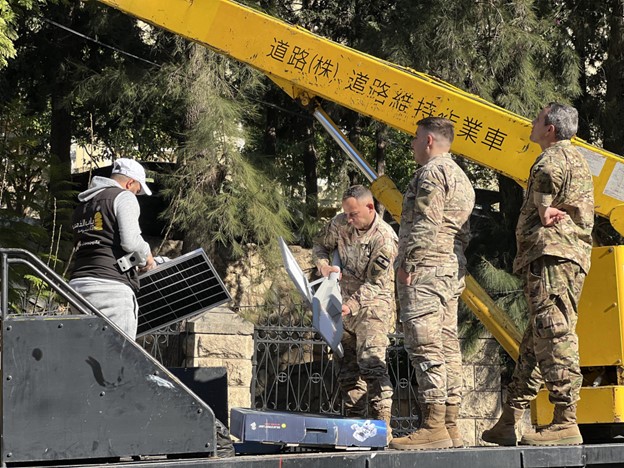
In collaboration with the Lebanese Army, MARCH installed 496 solar led street lights along the former demarcation lines of Beb El Tebbeneh, Jabal Mohsen, Mankoubin, Mallouleh, Haret Jdideh and Al Omary stairs. The solar led street lights were installed across three stages of this project (September 2023, January 2024, February 2025) benefiting the entire area along with an additional donation of 36 solar led lights to the municipality of Tripoli and the Lebanese civil defense. This project benefits everyone who lives or travels along these roads as it is the main route connecting the entire northren region. This initiative was conducted during a special event at Kahwetna and carried the powerful slogan: “To light a small candle is better than staying in darkness.” As a result, Syria Street and other former demarcation lines are now brilliantly lit, rejuvenating the streets and restoring a sense of safety. This initiative has garnered the heartfelt appreciation of residents in the Tebbaneh and Jabal Mohsen neighborhoods. By involving the twelfth brigade of the army, this initiative showed the significance of incorporating the Lebanese Armed Forces into communal projects aimed at community development and reconciliation. Its primary objective is to significantly enhance security and safety in the Beb El Tebbeneh and Jabal Mohsen areas, which had long been characterized by insecurity and tension stemming from historical conflicts, and mend societal and communal bonds between the communities and the Lebanese Armed Forces. Through the installation of these solar street lights, this project effectively illuminated the once shadowy streets and dark alleys that were associated with fear and violence. Beyond improving visibility, these lights have instilled a greater sense of security, enabling residents to move about more safely at night. The heightened safety and improved illumination have encouraged residents to come together, interact, and engage in activities that foster social cohesion.
Tag: syria street
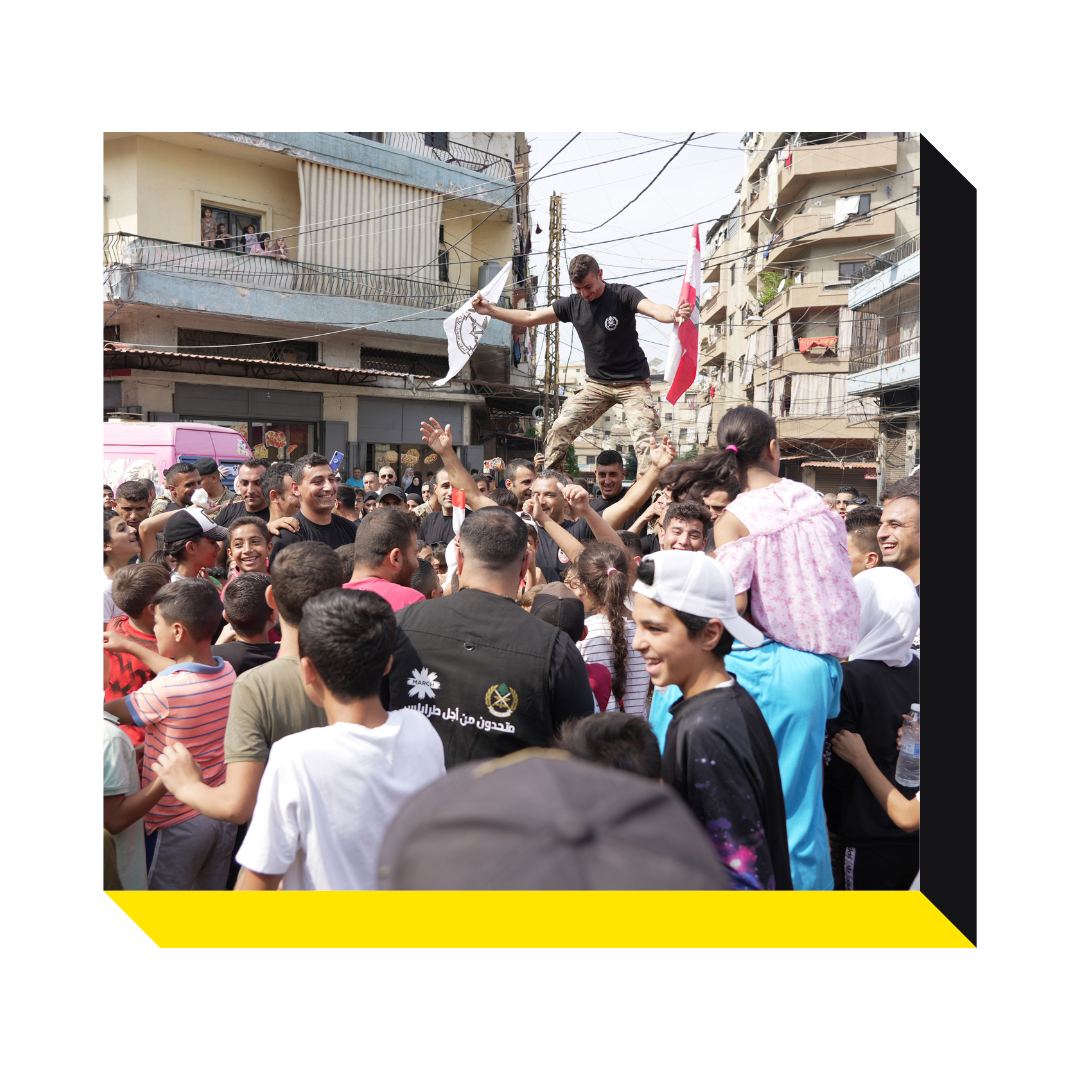
Uniting Communities and Bridging Divides on Once-Conflicting Streets in Tripoli
Conflict Overview: Jabal Mohsen and Beb El Tebbeneh Communities vs. Lebanese Armed Forces (LAF) The communities of Beb El Tebbeneh and Jabal Mohsen in Tripoli, Lebanon, have long been marred by tensions and conflict. Most of the conflict and clashes have taken on two main streets in Tebbeneh, Syria and Malloule streets, once conflict zones. For years, political and sectarian divisions fueled hostilities between these neighboring areas. After that, in 2014, a ceasefire was implemented and the LAF, the only security institution responsible in Tripoli, was seen as insufficient and biased by both neighborhoods. The conflict with the LAF also stems from deep-seated mistrust and perceived partiality, which has exacerbated tensions and fueled ongoing disputes which led to strained relations between the communities of Jabal Mohsen and Beb El Tebbeneh and the LAF. MARCH’s Approach to Building Bridges To bridge the communal divide between both the communities of Jabal Mohsen and Beb El Tebbeneh as well as with these communities and the LAF, MARCH worked on implementing communal events in specific targeted areas with the aim of breaking down long-standing barriers and promoting unity and peace through inclusive activities involving both communities and the Lebanese Armed Forces (LAF). Youth and Army Join Forces for Peace: The First festival on Syria Street Unites To strengthen the relationship collaboration and trust between residents and the LAF, community engagement sessions and trust-building workshops were held prior to the events. The first communal event took place on October 8th on Syria Street, engaging 70 at-risk youth (30 women, 40 men) and 451 army members. The event featured joint entertainment parade shows by the Lebanese Army which marked the first time ever after the 2014 clashes that the army implements entertainment activities on Syria street. Highlights included 30 army members rappelling, 36 participating in an army march, and over 1,000 servings of traditional foods distributed. Former Conflict Zone Hosts Unity Festival: The Second Communal Festival on Malloule Street On April 19th, a second event was held on Malloule Street, strategically located between the former conflict lines of Jabal Mohsen and Beb El Tebbeneh. It involved 70 youth and 72 army members in organizing, entertainment, and logistical roles. The event featured food stations, martial arts show, and entertainment activities. The youth of MARCH and LAF jointly managed security, logistics, and communication, fostering collaboration and trust. Fostering Unity and Stability through MARCH’s Community Initiatives The event successfully drew 2,800 community members which proved to be a success in improving the relations between the youth of Jabal Mohsen and Beb El Tebbeneh. By engaging in joint events and cooperative projects, the youth of MARCH have begun to build mutual respect and understanding between their communities and the LAF. This collaboration has helped to break down long-standing barriers, reduce animosity, and foster a sense of shared purpose, paving the way for a more harmonious and cooperative community. After the community engagement activities, the community now perceives the LAF more positively. These initiatives have also demonstrated the LAF’s commitment to helping to alleviate previous biases and misconceptions. The increased visibility of the LAF’s efforts to work collaboratively and address community concerns has fostered greater trust and cooperation, contributing to a more supportive and collaborative relationship between the LAF and the community. Much More to Come! MARCH’s community events successfully brought together the divided communities of Jabal Mohsen and Beb El Tebbeneh, promoting peace and a positive change in perception towards the other. By involving the youth of which most are former fighter or previously incarcerated individuals and the LAF, the initiatives helped change their negative perceptions, as they have only seen the LAF on the checkpoints now they see the LAF as aiding in contributing to long-term stability. Through shared activities and cooperative planning, the events highlighted the potential for unity in even the most challenging environments.
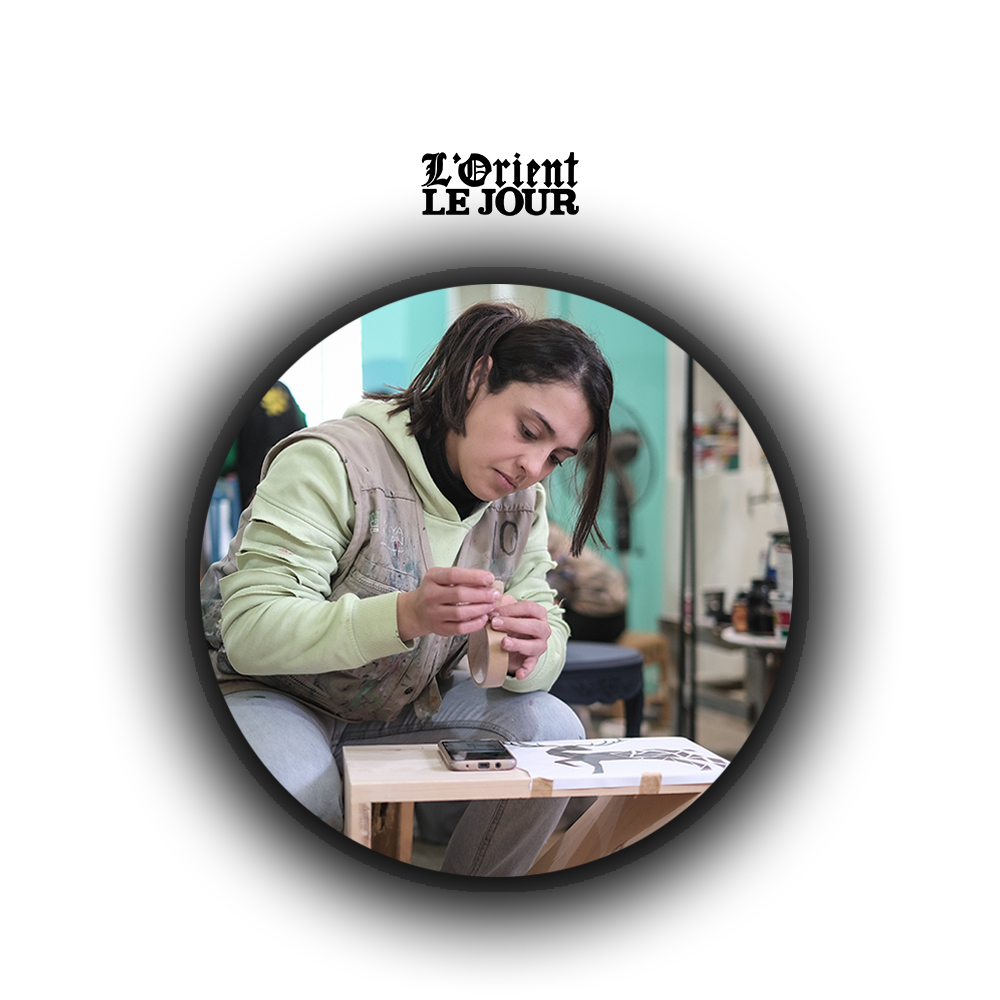
À Tripoli, des porteuses de paix bâtissent des ponts entre des quartiers rivaux
Les habitants des quartiers de Jabal Mohsen et Bab el-Tebbané se sont longtemps livrés à des affrontements sanglants les uns contre les autres. Désormais, ils se réunissent autour de projets civiques grâce au travail d’une association menée par un groupe de femmes. Un jour d’hiver à Tripoli, deuxième plus grande ville du Liban, des jeunes sont assis dans un café au bout de la rue de Syrie. Ils rient et discutent autour d’une boisson, alors que la pluie s’abat avec la régularité d’un métronome sur la chaussée, dissipant l’air épais de la ville. Il n’y a pas si longtemps, une telle scène était improbable. Kahwetna (« Notre café » en arabe) se situe au point de rencontre entre les quartiers de Jabal Mohsen et Bab el-Tebbané de Tripoli, où des affrontements sectaires entre ces deux communautés ont ravagé la vie des habitants pendant des années. Mais Kahwetna est un espace sûr. Il dispose de deux entrées distinctes – une pour chaque quartier. Derrière cette initiative, il y a Léa Baroudi, cofondatrice et coordinatrice de March Lebanon, une association libanaise qui œuvre pour la promotion de la cohésion sociale à travers la consolidation de la paix et la résolution des conflits sectaires au Liban. Kahwetna, qui a ouvert ses portes en 2016, est l’une des solutions proposées par l’ONG. La jeune femme a grandi pendant la guerre civile libanaise et, longtemps après la fin de celle-ci, elle était choquée de voir que « même les gens de [son] âge étaient divisés suivant des courants politiques sectaires ». Elle est devenue médiatrice certifiée et, parallèlement à son travail de consultante en affaires, a aidé à mettre en place des initiatives pour les jeunes avec un groupe d’amis. Sa passion a finalement pris le dessus, et c’est ainsi qu’est né March en 2011. « Love and War on the Rooftop » C’est au théâtre que tout a vraiment commencé. Léa Baroudi s’intéressait particulièrement à l’utilisation de l’art comme moyen de consolider la paix. Elle a alors eu l’idée de monter une pièce de théâtre entre les factions belligérantes à Tripoli. C’était en 2015, et les affrontements continus entre Jabal Mohsen et Bab el-Tebbané venaient de prendre fin avec le déploiement de l’armée libanaise dans la région. Léa, qui vit à Beyrouth, a commencé par se rendre à Tripoli les week-ends pour discuter avec les habitants. Quelques combattants ont fini par accepter de l’aider à rassembler des jeunes à auditionner pour son spectacle. Un véritable exploit, vu le contexte. « Nous pensions qu’une fois les jeunes réunis dans une même salle, une bagarre finirait irrémédiablement par éclater. J’ai rejeté l’idée de la pièce, je n’y ai pas participé au début », se souvient Ali, un ex-combattant devenu leader communautaire. « J’ai regardé la pièce, mais j’étais contre le fait que mon ami y participe », explique Zafer, lui aussi un ex-combattant qui travaille avec March. « Mon ami m’a dit : “En fait, je ne vais pas participer. Je vais voir leurs visages et cela nous aidera à leur tirer dessus plus tard”. Mais, au fil des répétitions, ils ont appris à se connaître et à s’apprécier, poursuit Zafer. J’avais aussi prévu de leur faire du mal, renchérit Ali. Mais nous avons changé d’avis quand nous avons vu que beaucoup de nos hommes participaient au projet et qu’ils seraient aussi blessés. » Léa Baroudi se souvient que nombre d’entre eux venaient aux répétitions armés. « Je me rappelle qu’au lieu de chercher des téléphones, nous cherchions des armes… Des lames de rasoir cachées sous la langue, des pistolets dans les poches ou dans les chaussettes, des couteaux. » La pièce devait s’inspirer de la vie des jeunes des deux quartiers, et les participants devaient donc partager leurs histoires. Il n’y avait aucun script. « Quand ils ont partagé leurs histoires, ils se sont rendu compte qu’ils se ressemblaient plus qu’ils ne le pensaient. Et c’est ainsi que les choses ont débuté », se remémore la jeune femme. « Nous avons réalisé que nous étions plongés dans la même souffrance. La même pauvreté. Que nous avions les mêmes besoins », confie Ali. C’est ainsi que la pièce Love and War on the Rooftop (Amour et guerre sur les toits) a vu le jour, avant de tourner dans tout le Liban. « Les gens nous ont raconté que, pendant les conflits, tout se passait sur les toits : des combattants se tirant dessus aux amis jouant aux cartes, sans oublier les amours secrètes », explique Léa Baroudi. Celle-ci croit fermement que la pierre angulaire de la paix est la connexion humaine et affirme qu’il n’y a rien de « magique » à cela. C’est juste une question d’intuition. « Lorsque vous travaillez dans des initiatives de consolidation de la paix, les activités que vous menez ne sont pas le plus important, mais les émotions que ces activités suscitent. Qu’est-ce que cela éveille chez les gens ? L’expérience intérieure. » La prison comme seul lieu de rencontre Ali a finalement participé aux activités de March en 2019, après avoir purgé cinq ans dans la prison notoirement lugubre de Roumié. « J’aurais pu faire tellement de choses pendant ces cinq années. » « Nous n’avions pas d’occasions ou d’endroits pour nous rencontrer, avant », ajoute-t-il. Hormis la prison. Léa Baroudi se souvient avoir demandé aux participants, un jour qu’ils répétaient, s’ils avaient des amis de « l’autre côté ». Une seule personne a répondu par l’affirmative. « Je lui ai demandé : “Où l’as-tu rencontré ?”. Il m’a dit : « En prison. » » « Vous vivez littéralement à quelques mètres l’un de l’autre. Il a fallu que tu ailles en prison pour le rencontrer ? » réagit-elle alors. « Quand Kahwetna a ouvert, ils ont eu peur. Ils me disaient : « On va se faire bombarder. Ils vont faire exploser cet endroit… On nous a déjà traités de traîtres parce qu’on est avec des gens de l’autre côté. » Huit ans plus tard, Kahwetna fourmille d’activités. Derrière une
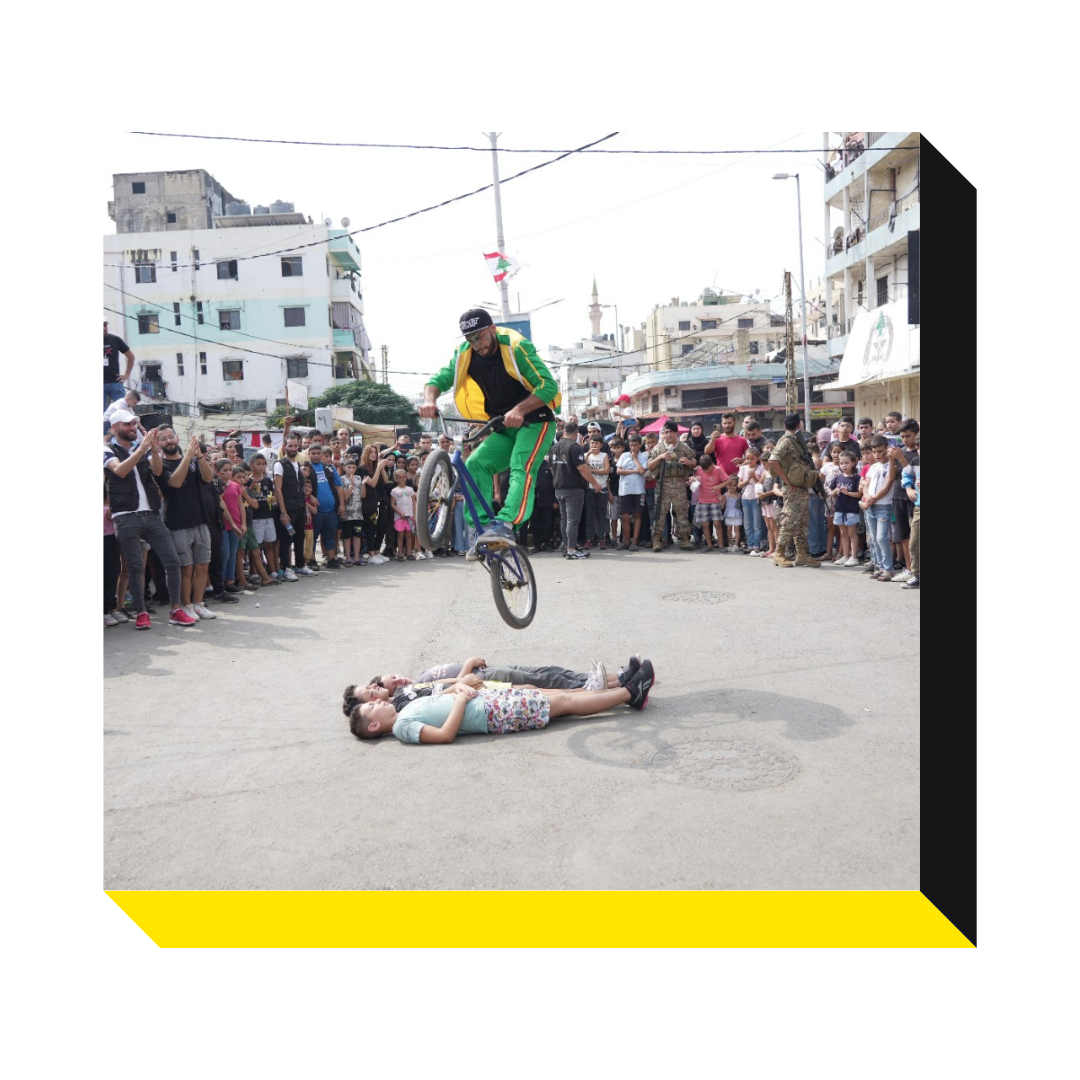
Let’s Celebrate Together: Bridging Divides and Fostering Unity in Tripoli
“Let’s Celebrate Together!” This festival, organized by MARCH, brilliantly transformed the old demarcation lines of Jabal Mohsen and Beb El Tebbeneh into a vibrant space for celebration and unity! Stretching along Syria Street, between the neighborhoods of Tebbaneh and Jabal, this event was a collaborative effort with the Lebanese Army. The festival was launched with the aim of fostering a sense of bonding and acceptance between the neighboring areas, which had seen nearly a decade of conflict and division. Nonetheless, in 2014, the implementation of the security plan by the Lebanese Army, marked by mass arrests, resulted in tensions between the communities and the army and trust in the security institutions waned. As a response, and as part of MARCH’s efforts in building bridges between communities and security institutions, the festival sought to rebuild relationships between these communities and between them and the army, featuring a diverse array of unique military and artistic performances. Under the inspiring slogan “Together Against Drugs,” “Together Against Stray Bullets,” and “Together for a More Beautiful Tripoli,” the dedicated young men and women from MARCH, in collaboration with Lebanese Army personnel, set up stalls along Syria Street. They also distributed snacks and beverages to their communities. The Lebanese Army’s initiative to prepare and distribute the renowned “Habayeb” dish of Tripoli captured the community’s attention, creating an atmosphere of camaraderie and joy. As we build bridges between security institutions and communities, we are actively promoting a sustainable and positive relationship founded on trust. This trust, in turn, fosters a vital sense of safety and security in the area. At last, the “Let’s Celebrate Together” festival is a testament to the power of unity and shared celebrations in mending divides and promoting harmony within a community. It serves as an example of how even after years of conflict, reconciliation is achievable through collaborative efforts and a shared vision of a brighter future. Together, we can indeed celebrate and build a better, more secure Tripoli.