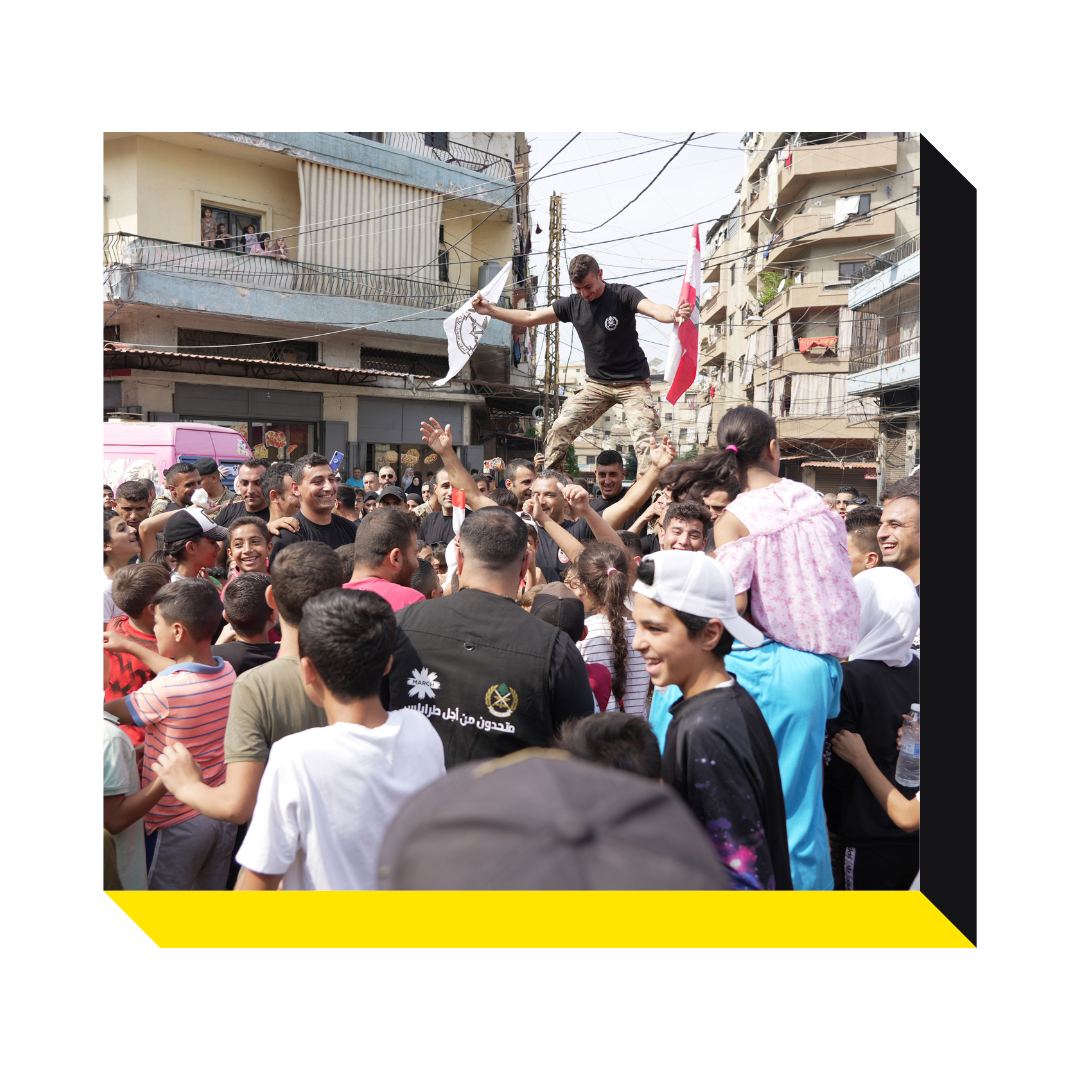
Conflict Overview: Jabal Mohsen and Beb El Tebbeneh Communities vs. Lebanese Armed Forces (LAF) The communities of Beb El Tebbeneh and Jabal Mohsen in Tripoli, Lebanon, have long been marred by tensions and conflict. Most of the conflict and clashes have taken on two main streets in Tebbeneh, Syria and Malloule streets, once conflict zones. For years, political and sectarian divisions fueled hostilities between these neighboring areas. After that, in 2014, a ceasefire was implemented and the LAF, the only security institution responsible in Tripoli, was seen as insufficient and biased by both neighborhoods. The conflict with the LAF also stems from deep-seated mistrust and perceived partiality, which has exacerbated tensions and fueled ongoing disputes which led to strained relations between the communities of Jabal Mohsen and Beb El Tebbeneh and the LAF. MARCH’s Approach to Building Bridges To bridge the communal divide between both the communities of Jabal Mohsen and Beb El Tebbeneh as well as with these communities and the LAF, MARCH worked on implementing communal events in specific targeted areas with the aim of breaking down long-standing barriers and promoting unity and peace through inclusive activities involving both communities and the Lebanese Armed Forces (LAF). Youth and Army Join Forces for Peace: The First festival on Syria Street Unites To strengthen the relationship collaboration and trust between residents and the LAF, community engagement sessions and trust-building workshops were held prior to the events. The first communal event took place on October 8th on Syria Street, engaging 70 at-risk youth (30 women, 40 men) and 451 army members. The event featured joint entertainment parade shows by the Lebanese Army which marked the first time ever after the 2014 clashes that the army implements entertainment activities on Syria street. Highlights included 30 army members rappelling, 36 participating in an army march, and over 1,000 servings of traditional foods distributed. Former Conflict Zone Hosts Unity Festival: The Second Communal Festival on Malloule Street On April 19th, a second event was held on Malloule Street, strategically located between the former conflict lines of Jabal Mohsen and Beb El Tebbeneh. It involved 70 youth and 72 army members in organizing, entertainment, and logistical roles. The event featured food stations, martial arts show, and entertainment activities. The youth of MARCH and LAF jointly managed security, logistics, and communication, fostering collaboration and trust. Fostering Unity and Stability through MARCH’s Community Initiatives The event successfully drew 2,800 community members which proved to be a success in improving the relations between the youth of Jabal Mohsen and Beb El Tebbeneh. By engaging in joint events and cooperative projects, the youth of MARCH have begun to build mutual respect and understanding between their communities and the LAF. This collaboration has helped to break down long-standing barriers, reduce animosity, and foster a sense of shared purpose, paving the way for a more harmonious and cooperative community. After the community engagement activities, the community now perceives the LAF more positively. These initiatives have also demonstrated the LAF’s commitment to helping to alleviate previous biases and misconceptions. The increased visibility of the LAF’s efforts to work collaboratively and address community concerns has fostered greater trust and cooperation, contributing to a more supportive and collaborative relationship between the LAF and the community. Much More to Come! MARCH’s community events successfully brought together the divided communities of Jabal Mohsen and Beb El Tebbeneh, promoting peace and a positive change in perception towards the other. By involving the youth of which most are former fighter or previously incarcerated individuals and the LAF, the initiatives helped change their negative perceptions, as they have only seen the LAF on the checkpoints now they see the LAF as aiding in contributing to long-term stability. Through shared activities and cooperative planning, the events highlighted the potential for unity in even the most challenging environments.
Tag: Lea Baroudi
جمعية “مارتش” أنهت المرحلة الثانية من مشروع حل أزمة المياه في التبانة بالتعاون مع الجيش
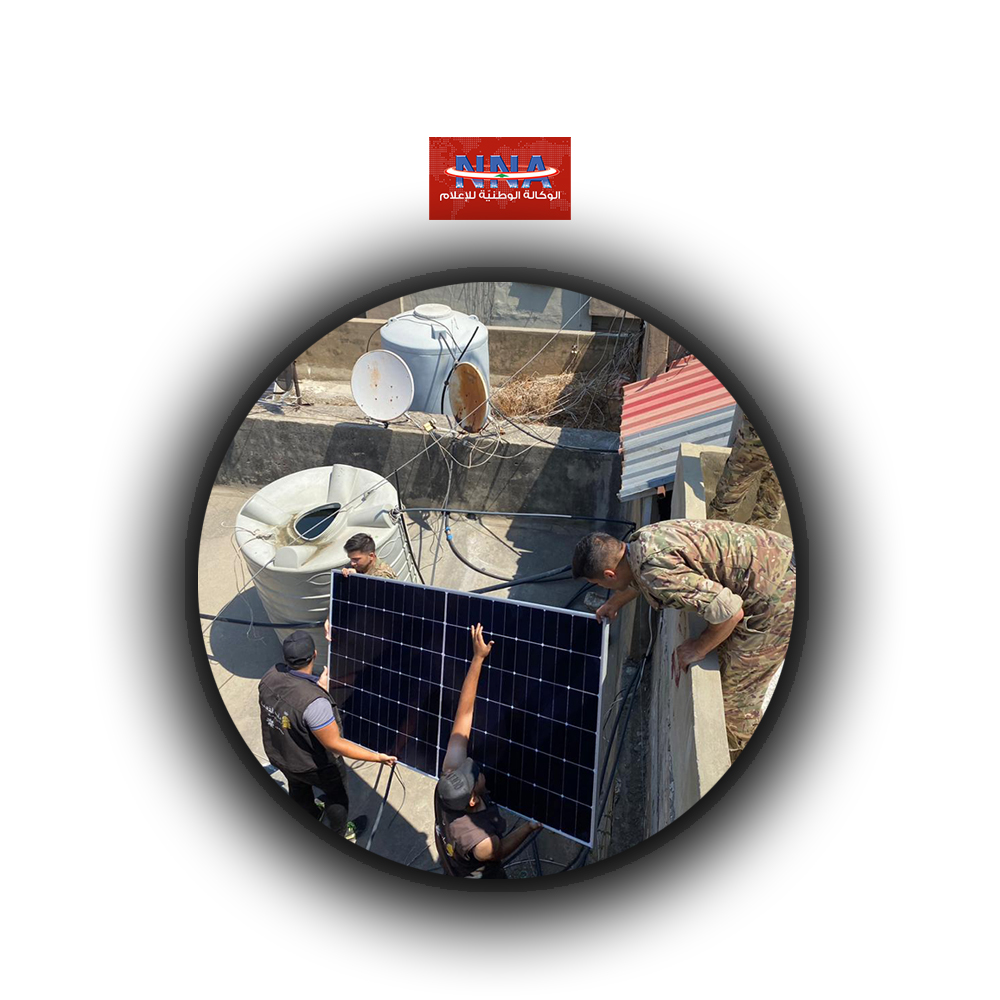
وطنية – تابعت جمعية “مارتش” مشروعها الذي أطلقته بالتعاون مع الجيش مطلع السنة، لتأمين المياه في المناطق الأكثر فقرًا وحرماناً في محلة التبانة. وكانت هذه المبادرة تحت ضغط الازمة المستفحلة بسبب فقدان التيار الكهربائي بعد مرحلة أولى ناجحة، وفرّت الطاقة الكهربائية لأربع آبار أساسية في محلة التبانة، اختتمت المرحلة الثانية من مشروعها بعد تجهيز نظام كهربائي كامل لتشغيل البئر الارتوازية التي تغذي محلة الملولة ومحيطها، ونظام ثانٍ يشغّل البئر الارتوازية في محلة ساحة الأسمر، مع مجموعة من الخزانات البلاستيكية لجمع المياه وزيادة عدد الوحدات السكنية المستفيدة وقد سلمت رئيسة الجمعية ليا بارودي يرافقها ضابط من الجيش، التجهيزات إلى لجان الاهالي في الاحياء لتأمين استدامة الخدمة المقدمة وقد شكر الاهالي للقيمين المبادرة الحيوية التي توّفر المياه بصورة مستدامة وتساعدهم على مواجهة الصعوبات التي يعيشونها في ظروف الانقطاع المستمر للتيار الكهربائي عن مناطقهم ج.س Click here to read the article
حملة تنظيف قلعة طرابلس من الداخل والخارج
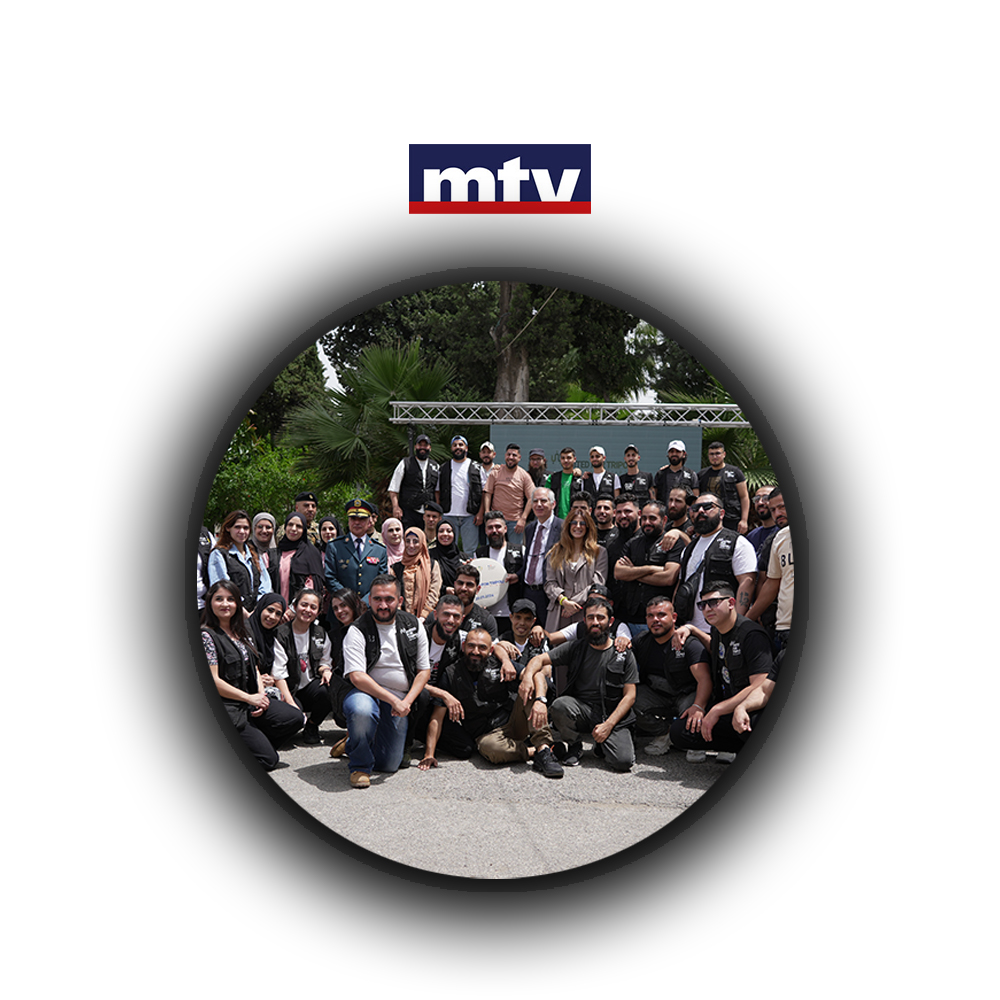
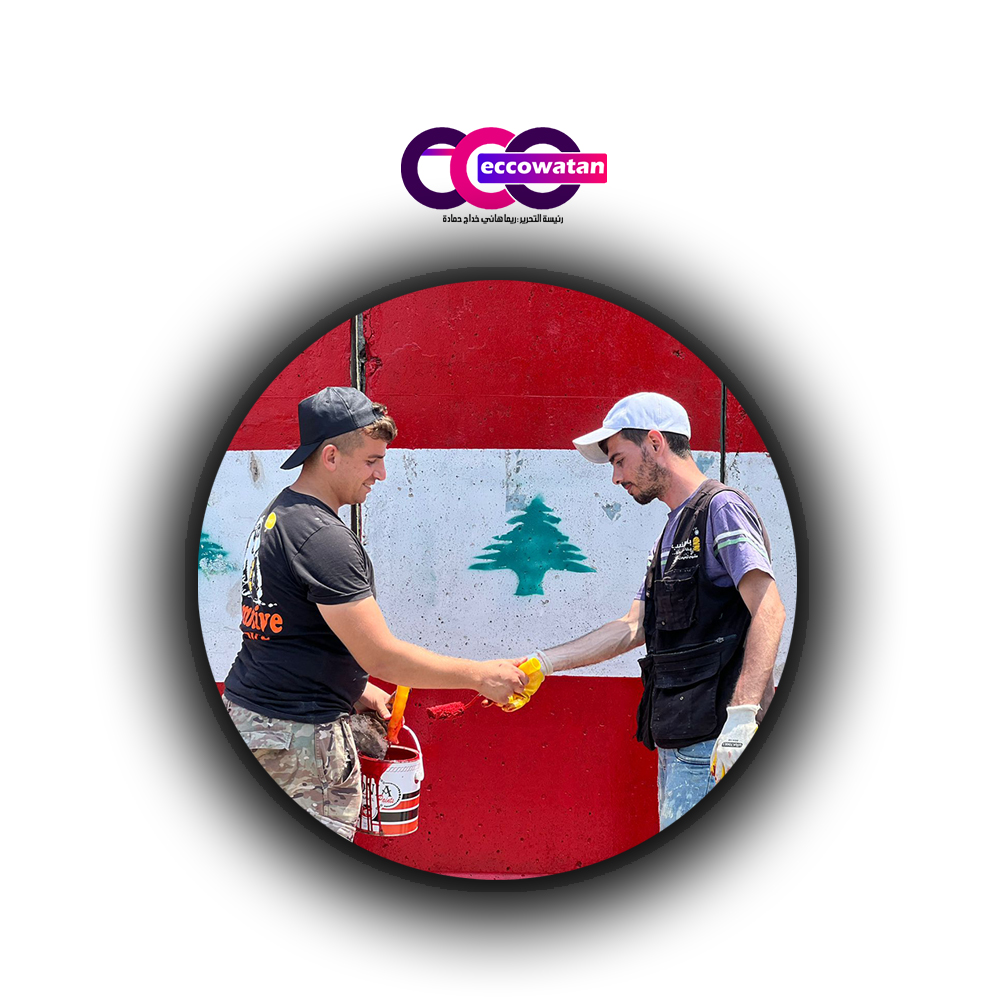
نظمت جمعية مارش بالتعاون مع الجيش اللبناني حملة تنظيف لقلعة طرابلس ضمن إطار فعاليات ” مدينة طرابلس عاصمة للثقافة العربية” ، على أن تشمل حملة التنظيف التي بدأت اليوم وتستمر لمدة أربعة أسابيع ازالة الشوائب عن جدران القلعة من الداخل والخارج وطبعاً يشارك في هذا العمل جهاز الطوارئ والإغاثة وصباحاً وقبل بدء الأعمال كانت كلمة لقائد لواء المشاة الثاني عشر العميد الركن فادي أبو حيدر قال:”نرحب في اليوم الاول من تنظيف القلعة وهو اليوم الاساس لتنسيق العمل بين الجميع نرحب بجمعية “مارش “والتي هي الداعم الاول للمشروع وعلى رأسها العميد يعقوب معوض كما وبفريق العمل، إضافة إلى فريق عمل الهيئة الطبية وهم الذين سيعملون بشكل عام على موضوع تسلق الجدران ونرحب بجهاز الطوارئ والاغاثة وسيكون لهم دوران دور في الاغاثة والدور في عمليه التنظيف بمساعدة فوج التدخل الاول بغية ازالة الاعشاب عن الجدران ، إلى جانب تقديم الإسعافات الاولية اذا لا قدر الله وأصيب احد العاملينوتابع:”كقائد لواء الثاني عشر نعمل ضمن أرضنا ولدينا امر السريه مئتان واثنان وثلاثون، لقد قسمنا القلعة الى عده أقسام ، والخريطة تظهر كيفية العمل ضمن الرقم واحد أي جدران القلعة، الرقم اثنان داخل القلعة والاسبوع الثالث والرابع سنعمل على الجدران، وبالطبع سنتناول كل قسم ونتابعه خلال العمل الذي سيمتد على أربعة أسابيع قائد فوج التدخل الأول العميد الركن جورج رزق الله قال:” بالطبع هذا الموضوع في غاية الأهمية خصوصا ضمن اطار اعلان مدينة طرابلس مدينة ثقافية للعام 2024، وكفوج تدخل اول سيكون لنا عمل على الجدران بالتعاون مع جهاز الطوارئ، وسوف ننجز هذا المشروع بأفضل طريقة ونحرص على ان تكون قلعة طرابلس منارة للعالم كله ابراهيم زيلع امين مركز طرابلس في جهاز الطوارئ والاغاثة قال:” وجودنا لمساعدة فرق الجيش ضمن فريق الانقاذ الجبلي، وفي الشق الثاني نحن على جهوزية تامة لوضع خيمتين لمواكبة أعمال الشباب، وهناك سيارات إسعاف لمواكبة أي طارئ وعن جمعية مارش تحدث العميد المتقاعد يعقوب معوض فقال:”سابقا كنت اخدم في مدينة طرابلس كقائد اللواء الثاني عشر ، وبقيت قائداً لهذا اللواء من ال 2017 لل 2019 وخلالها عايشت تفاصيل مدينة طرابلس ومشاكلها واحداثها وكنت دائما أسمع أصوات في طرابلس، أينما كنا في بلدية طرابلس او عند مسؤولين ، لديهم نظرة خاطئة ان الجيش موجود في القلعة وفي ملعب الاولمبي ولكن اقول ان هذا الشيء غير صحيح وهو ظالم بحق الجيش الذي يحمي القلعة ، اليوم وضمن اعلان مدينة طرابلس عاصمه للثقافة العربية للعام 2024 احببنا ان نقوم بشيء مهم ولم نجد أهم من قلعتها وتنظيفها وترميمها وأن نزيل الضرر عنها وردا على سؤال أجاب :”قلعه طرابلس تشكل رمزاً كبيراً لدى الأهالي فهي تعود الى عهد الفاطميين وهي بمثابة إرث ثقافي وتنظيفها اليوم يساعد في إطالة عمرها لأن الحشيش والأعشاب يؤديان الى زعزعه الصخور والجدران وتماسكها ونحن ضمن الامكانيات المتوفره نعمل على ازاله الضرر عن قلعه طرابلس ونحافظ على تماسكها وعندما تصبح اداره الدوله قادره تستطيع ان تعمل الشيء اللازم وردا على سؤال حول من المسؤول عن إهمالها قال:” الجميع مسؤول عن حماية الارث الثقافي وحتى وسائل الاعلام التي لا تضيء على أي حدث مهم في طرابلس فقط المشاكل الأمنية تستحوذ على إهتمامها حتى المواطن ولكن اهتمامه اليوم يتلخص بتأمين لقمة عيشه ، لكن يجب أن نهتم لأن هذا هو بترول لبنان وسياحته ومستقبلهوعن الإنارة قال:” سنعمل على إضاءتها وهناك مولد خاص بها تابع للبلدية وقد يكون هناك تعاقد وتعاون مع أصحاب المولدات الخاصة نتمنى أن يكون لقلعة طرابلس دور هام في المستقبل
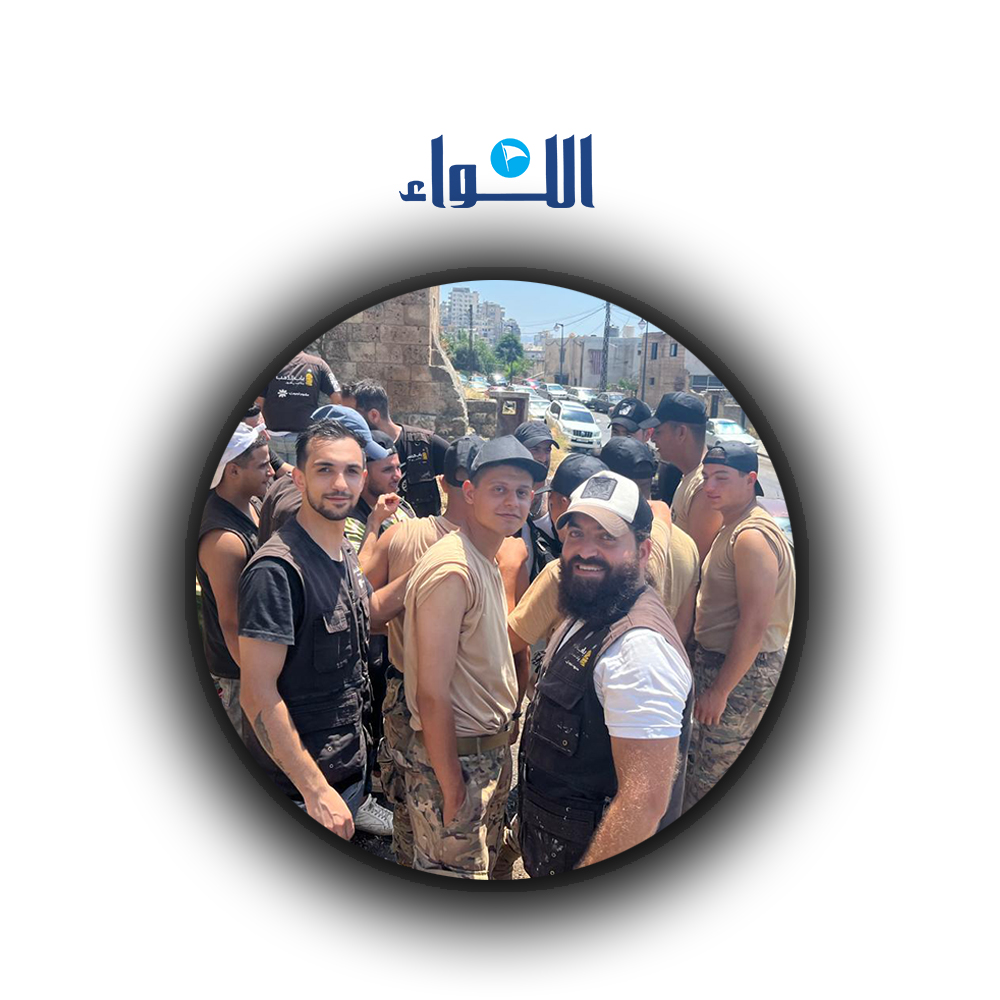
حملة تنظيف قلعة طرابلس من الداخل والخارج
تعاون مشترك بين جمعية مارش والجيش اللبناني نظمت جمعية مارش بالتعاون مع الجيش اللبناني حملة تنظيف لقلعة طرابلس ضمن إطار فعاليات ” مدينة طرابلس عاصمة للثقافة العربية” ، على أن تشمل حملة التنظيف التي بدأت اليوم وتستمر لمدة أربعة أسابيع ازالة الشوائب عن جدران القلعة من الداخل والخارج وطبعاً يشارك في هذا العمل جهاز الطوارئ والإغاثة العميد أبو حيدر وصباحاً وقبل بدء الأعمال كانت كلمة لقائد لواء المشاة 12 العميد الركن فادي أبو حيدر قال:”نرحب في اليوم الاول من تنظيف القلعه وهو اليوم الاساس لتنسيق العمل بين الجميع نرحب بجمعيه “مارش “والتي هي الداعم الاول للمشروع وعلى رأسها العميد يعقوب معوض كما وبفريق العمل، إضافة إلى فريق عمل الهيئه الطبيه وهم الذين سيعملون بشكل عام على موضوع تسلق الجدران ونرحب بجهاز الطوارئ والاغاثه وسيكون لهم دورين دور في الاغاثه والدور في عمليه التنظيف بمساعده فوج التدخل الاول بغية ازاله الاعشاب عن الجدران ، إلى جانب تقديم الإسعافات الاوليه اذا لا قدر الله وأصيب احد العاملين وتابع:”كقائد لواء 12 نعمل ضمن أرضنا ولدينا امر السريه 232 ، لقد قسمنا القلعة الى عده أقسام ، والخريطة تظهر كيفية العمل ضمن الرقم واحد أي جدران القلعه، الرقم 2 داخل القلعه والاسبوع الثالث والرابع سنعمل على الجدران، وبالطبع سنتناول كل قسم ونتابعه خلال العمل الذي سيمتد على أربعة أسابيع العميد رزق الله قائد فوج التدخل الأول العميد الركن جورج رزق الله قال:” بالطبع هذا الموضوع في غاية الأهمية خصوصا ضمن اطار اعلان مدينه طرابلس مدينه ثقافيه للعام 2024، وكفوج تدخل اول سيكون لنا عمل على الجدران بالتعاون مع جهاز الطوارئ، وسوف ننجز هذا المشروع بأفضل طريقة ونحرص على تكون قلعة طرابلس منارة للعالم كله زيلع ابراهيم زيلع امين مركز طرابلس في جهاز الطوارئ والاغاثة قال:” وجودنا لمساعدة فرق الجيش ضمن فريق الانقاذ الجبلي، وفي الشق الثاني نحن على جهوزية تامة لوضع خيمتين لمواكبة أعمال الشباب، وهناك سيارات إسعاف لمواكبة أي طارئ العميد معوض وعن جمعية مارش تحدث العميد المتقاعد يعقوب معوض فقال:”سابقا كنت اخدم في مدينه طرابلس كقائد اللواء الثاني عشر ، وبقيت قائداً لهذا اللواء من ال 2017 لل 2019 وخلالها عايشت تفاصيل مدينه طرابلس ومشاكلها واحداثها وكنت دائما أسمع أصوات في طرابلس، أينما كنا في بلديه طرابلس او عند مسؤولين ، لديهم نظره خاطئه ان الجيش موجود في القلعه وفي ملعب الاولمبي ولكن اقول ان هذا الشيء غير صحيح وهو ظالم بحق الجيش الذي يحمي القلعه ، اليوم وضمن اعلان مدينه طرابلس عاصمه للثقافه العربيه للعام 2024 احببنا ان نقوم بشيء مهم ولم نجد أهم من قلعتها وتنظيفها وترميمها وأن نزيل الضرر عنها وردا على سؤال أجاب :”قلعه طرابلس تشكل رمزاً كبيراً لدى الأهالي فهي تعود الى عهد الفاطميين وهي بمثابة إرث ثقافي وتنظيفها اليوم يساعد في إطالة عمرها لأن الحشيش والأعشاب يؤديان الى زعزعه الصخور والجدران وتماسكها ونحن ضمن الامكانيات المتوفره نعمل على ازاله الضرر عن قلعه طرابلس ونحافظ على تماسكها وعندما تصبح اداره الدوله قادره تستطيع ان تعمل الشيء اللازم وردا على سؤال حول من المسؤول عن إهمالها قال:” الجميع مسؤول عن حماية الارث الثقافي وحتى وسائل الاعلام التي لا تضيء على أي حدث مهم في طرابلس فقط المشاكل الأمنية تستحوذ على إهتمامها حتى المواطن ولكن اهتمامه اليوم يتلخص بتأمين لقمة عيشه ، لكن يجب أن نهتم لأن هذا هو بترول لبنان وسياحته ومستقبله وعن الإنارة قال: سنعمل على إضاءتها وهناك مولد خاص بها تابع للبلدية وقد يكون هناك تعاقد وتعاون مع أصحاب المولدات الخاصة نتمنى أن يكون لقلعة طرابلس دورا هاماً في المستقبل
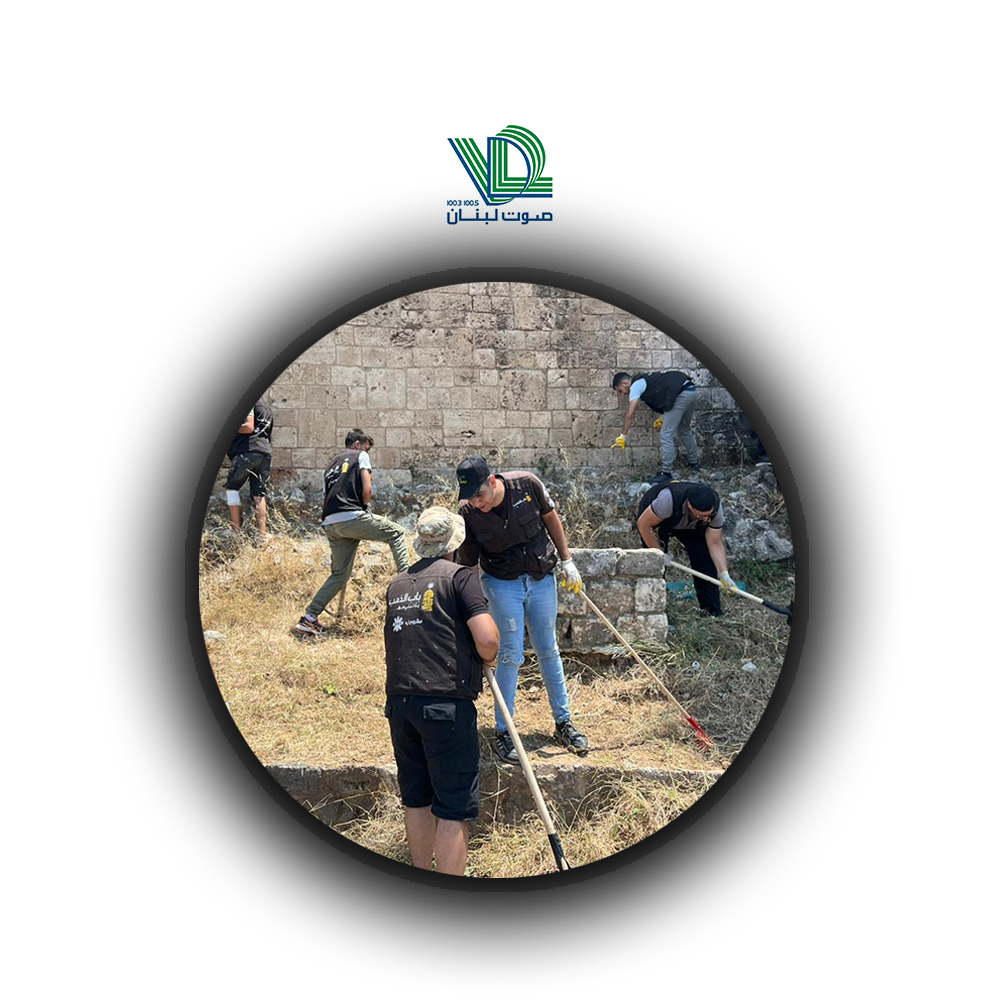
إطلاق حملة لتنظيف قلعة طرابلس
ضمن إطار فعاليات ” طرابلس عاصمة للثقافة العربية” حظيت قلعة طرابلس الأثرية بإهتمام جمعية مارش لجهة إطلاق حملة لتنظيفها وإزالة الحشائش من داخلها وتلك التي نمت على جدرانها بهدف الحفاظ ورفع الضرر عنها، العمل يأتي بالتعاون مع الجيش اللبناني ويستمر أربعة أسابيع ومن داخل القلعة بدأت الأعمال صباح اليوم حيث شرح قائد لواء المشاة 12 العميد الركن فادي أبو حيدر كيفية تقسيم القلعة قائد فوج التدخل الأول العميد الركن جورج رزق الله أكد على ضرورة أن تلعب القلعة دورها كمنارة لطرابلس وعن جمعية مارش تحدث العميد المتقاعد يعقوب معوض لصوت لبنان طبعاً أعمال التنظيف والإضاءة في غاية الأهمية بالنسبة لقلعة طرابلس لكن الإهتمام الدائم والعمل على دعمها المتواصل يستوجب تحرك الوزارات والسلطات المعنية وبلدية طرابلس المسؤولة بالدرجة الأولى فهل سيتغير الواقع مع حملة تنظيفها اليوم؟

La mediatrice Lea Baroudi. «La mia cura per il Libano dentro a un teatro»
L’impegno del gruppo March nel Paese, in ginocchio dalla fine della guerra civile: «Arte e cultura sono catalizzatori di cambiamento. Vi racconto come metto sul palcoscenici combattenti e nemici» Una vita da mediatrice, nel mezzo di conflitti interconfessionali e settari, usando l’arte – in particolare il teatro sociale – come strumento per far abbassare le armi e iniziare a riconciliare gruppi o società che fino a poco tempo prima si erano combattuti. Verrebbe da dire la triste quotidianità per il Libano, se il sorriso di Lea Baroudi, cristiana, co-fondatrice e direttrice di March, appartenente alla Rete di mediatrici del Mediterraneo promossa dal ministero degli Esteri italiano, non fosse, nonostante la drammatica situazione sociale ed economica del Libano (che la crisi a Gaza ha ulteriormente aggravato), un invito all’ottimismo. Un volto di donna e di speranza, costruita non su un vuoto sentimentalismo ma su un serio impegno professionale che è valso numerosi riconoscimenti internazionali. Lea Baroudi, quando ha capito che, in quanto donna, lei avrebbe potuto dare un contributo originale per costruire la pace? L’ho realizzato quando iniziai a lavorare in progetti di peacebuilding e risoluzione dei conflitti a Tripoli, la principale città del Nord del Libano, tra ex combattenti che erano impegnati in una guerra settaria. Nonostante mi venisse detto che avrei fallito, che quello non fosse un lavoro adatto a una donna e che avrei potuto essere uccisa, in realtà proprio il fatto di essere una donna ha facilitato le mie interazioni con questi combattenti, che erano uomini. Loro si aprivano di più a me e mettevano in comune le loro vulnerabilità, cosa che mi permetteva di costruire un rapporto di fiducia con loro e di raggiungere una corretta modalità di riconciliazione e reintegrazione. Le donne che lavorano sul campo sono significativamente più efficaci in questa attività. Gli uomini non ti percepiscono come un rivale; non ci sono ego o competizioni, in quanto donna sei percepita come più neutrale. E, dal momento che la maggior parte dei conflitti e delle guerre è istigata da uomini, è essenziale riconoscere che, specialmente nel campo della risoluzione dei conflitti, della mediazione, e nei processi di pace, le donne hanno un valore aggiunto da portare al tavolo, e che possono talvolta essere più efficaci degli uomini. Questa convinzione è stata parte del mio percorso professionale come mediatrice e costruttrice di pace. Il teatro sociale è la via per lei privilegiata verso la pace. E questo lavorando dentro la più frammentata società che si possa immaginare: quella del Libano. Come è iniziata questa esperienza? Il teatro è uno dei vari strumenti di risoluzione dei conflitti che March ha realizzato durante gli anni. Credo che le arti e la cultura, in particolare le arti dello spettacolo e il teatro, siano potenti catalizzatori per il cambiamento. Tutto è iniziato con una semplice idea nel 2014. Decisi di usare il teatro per cercare di riconciliare a Tripoli combattenti di due opposte fazioni che si scontravano sulle rispettive interpretazioni della guerra civile in Siria. Queste fazioni provenivano dal quartiere alawita di Jabaal Mohsen e dal quartiere sunnita di Beb el Tabbeneh, separati da una strada ironicamente chiamata “Syria street”. Tuttavia, quei giovani non solo combattevano gli uni contro gli altri; molti di loro avevano anche attraversato il confine per raggiungere il fronte in Siria quando il conflitto iniziò nel 2011. Quando decisi di lavorare in una delle regioni più a rischio del Libano, la gran parte della gente attorno a me pensò che mi stavo impegnando in un lavoro impossibile. Dopo mesi di ostacoli, finalmente convinsi 16 giovani ex combattenti a recitare in uno spettacolo ispirato alle loro vite. Ricordo ancora in modo vivo l’esperienza surreale di stare davanti alla porta della sala prove, assicurandomi che fossero disarmati. Nonostante le tensioni e le resistenze iniziali, il nostro progetto permise di condividere le loro storie e abbattere le barriere della paura, rendendosi conto che erano molto più simili di quanto pensassero. Questa esperienza è riuscita a trasformare i combattenti in attori e i nemici in amici. La commedia “Amore e guerra sui tetti”, che debuttò allora, andò in tournée nei teatri di tutto il Paese con un enorme successo. Quell’esperienza ha segnato l’inizio del nostro approccio di “teatro per la riconciliazione”, che finora ha prodotto sei spettacoli che riappacificano diverse comunità in Libano. E poi? Ciò che era iniziato come un’unica opera teatrale si è rapidamente evoluto in un approccio olistico, affrontando vari fattori di conflitto. Abbiamo inaugurato un caffè culturale sull’ex linea di demarcazione di Tripoli, creando uno spazio sicuro e inclusivo sia per gli uomini che per le donne. Questo caffè è ora il centro del nostro programma olistico di costruzione della pace. Attualmente il Libano vive una terribile crisi economica e sociale: la Banca mondiale, due anni fa, l’ha definita la terza crisi economica più grave dal 1929. Come riuscite a continuare le vostre attività? La crisi libanese, iniziata nel 2019, ha posto sfide significative per l’adattamento e la continuazione del nostro lavoro. Inizialmente è stato difficile poiché i fattori del conflitto e della radicalizzazione sono tornati con tutta la loro forza. La crisi ha portato a perdite diffuse – di denaro, posti di lavoro e mezzi di sussistenza – alimentando sentimenti di rabbia, disperazione e ingiustizia tra le persone, che sono importanti fattori di conflitto. In risposta, ho dovuto adattare il nostro lavoro e i nostri progetti. Oltre ai processi di mediazione e di risoluzione dei conflitti, ho incorporato programmi di formazione professionale in design, edilizia e turismo. Inoltre, ho creato tre imprese sociali in questi settori per aiutare i giovani, gli ex combattenti e la comunità più ampia a continuare a lavorare, essere produttivi e sostenere i nostri sforzi di costruzione della pace. Oggi queste iniziative, che permettono ai partecipanti anche di condividere le loro storie di riconciliazione, coinvolgono oltre 150 persone. Gli approcci di costruzione della pace devono essere onnicomprensivi per essere efficaci: ciò significa affrontare traumi e stigmi, ma anche includere l’integrazione socioeconomica, l’esposizione a diversi punti di vista attraverso il
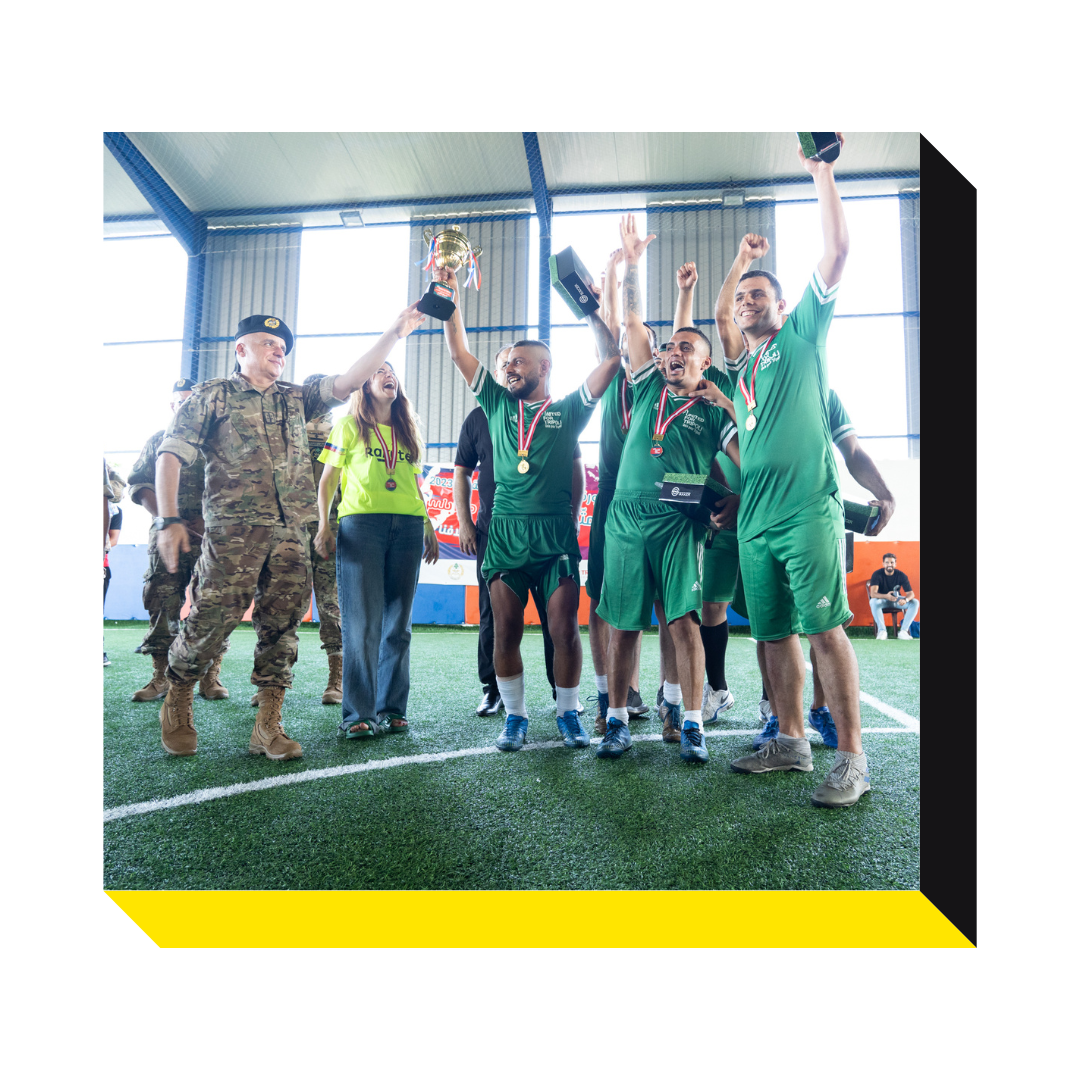
United for Tripoli : Football tournament
Sports for Reconciliation: Bridging Divides between Former Fighters and the Lebanese Armed Forces Tripoli has long grappled with conflict, social unrest, and insecurity within its communities, particularly in Jabal Mohsen and Beb El Tebbeneh. Furthermore, socio-economic instability, gang activity, drug use, and the widespread presence of illegal weapons have intensified these challenges. This situation often places the Lebanese Army, already operating with limited resources, and continuously on the brink of conflict with these communities. MARCH’s projects’ focused on repairing and mending relations between the communities of Jabal Mohsen and Beb El Tebbeneh and the Lebanese Army, as well as fostering reconciliation among the communities themselves. As part of its distinctive Sports for Reconciliation initiatives, MARCH organized a joint football tournament aimed to mitigate divisions and tensions by uniting army personnel and at-risk youth in a spirit of unity and camaraderie. The Tournament From the 19th to the 27th of July 2023, the tournament brought together 20 members of the Lebanese Armed Forces’ 12th brigade and 41 at-risk youth from Tripoli’s Jabal Mohsen and Beb el Tebbeneh neighborhoods. Additionally, around 70 community members and 60 army personnel participated in or attended the event with the aim of celebrating the unity and spirit of the youth and army’s collaboration. Breaking Barriers through capacity building Prior to the tournament, participants underwent workshops focusing on cultural sensitivity, communication skills, and conflict resolution. These sessions aimed to equip participants with the tools necessary to engage in constructive dialogue and overcome long standing barriers between communities and the army. Many of the youth had never interacted with army personnel before, and did not even accept to be part of the initiative at first, viewing them as adversaries. Through facilitated discussions and storytelling sessions, the youth shared personal experiences, fostering empathy and recognizing commonalities that transcended divides. Closing Ceremony The tournament culminated in a closing ceremony attended by prominent figures, including the General Coordinator of MARCH, Lea Baroudi, and General Major Fadi Bou Haidar, commander of the 12th brigade. Trophies and medals were awarded to recognize the youths’ achievements and contributions to fostering unity and dialogue. In conclusion, the United for Tripoli Football Tournament 2023 demonstrated the power of sport and dialogue in bridging divides and fostering understanding among communities long divided by conflict. By bringing together army personnel and at-risk youth, this initiative laid the groundwork for ongoing collaboration, reconciliation and mitigating long standing tensions in Tripoli.
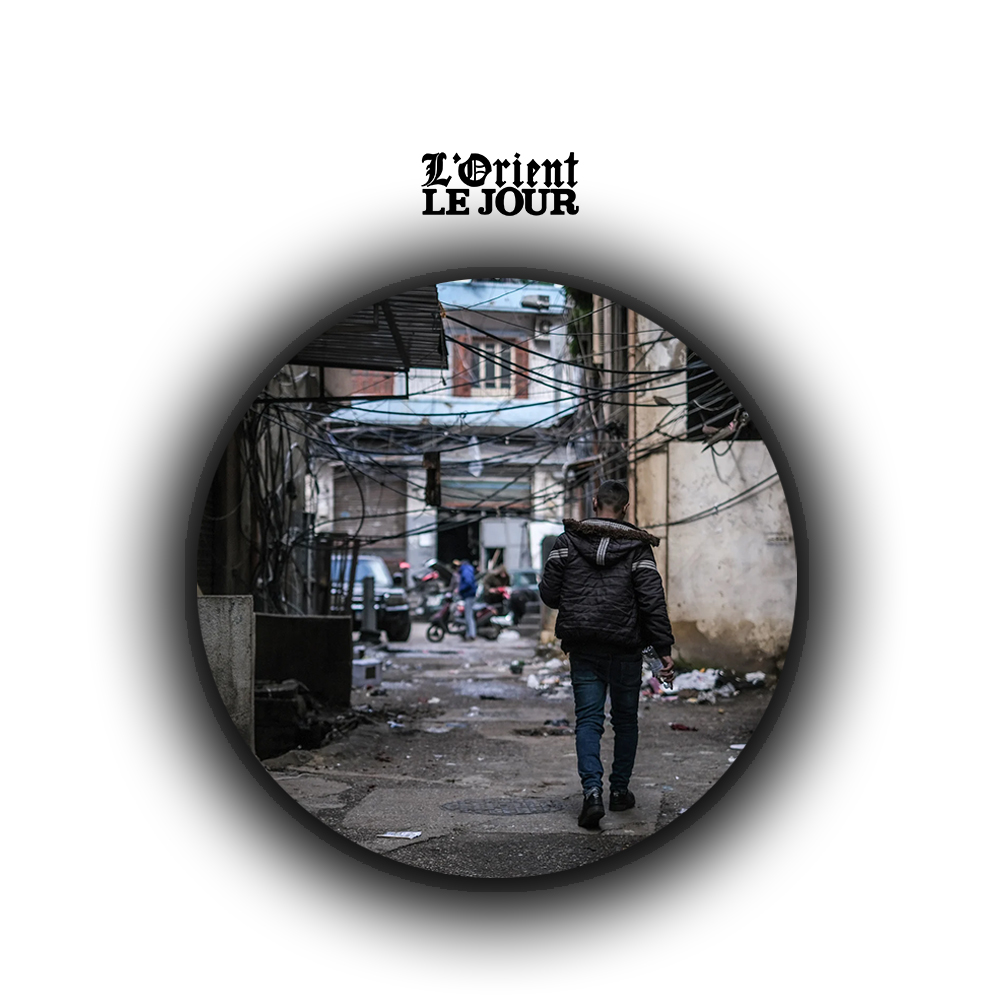
In Tripoli’s Bab al-Tabbaneh and Jabal Mohsen, ex-rival fighters light up former frontlines with solar energy
Darkness contributes to conflict. When you can’t see what they tell you is your enemy, you will live in perpetual fear. TRIPOLI — “We used to go to the Army in handcuffs, now we go to them with lightbulbs,” jokes Bassam*, a young ex-combatant from Tripoli’s Bab al-Tabbaneh neighborhood. The men sitting around him in a circle break out into laughter. They’re gathered together at MARCH Lebanon, a peace-building NGO and community center in Tripoli. Not long ago, these same young men — now close friends — were sworn enemies. But since 2011 they’ve been working through MARCH to fight against the social divisions that once separated their two adjacent neighborhoods: Bab al-Tabbaneh and Jabal Mohsen. Their latest project: setting up solar-powered streetlights throughout both of them. The participants have installed a total of 382 solar panels since the project began in September. Both Bab al-Tabbaneh and Jabal Mohsen are marked with the bullet holes of recurring sectarian-political battles, which were only exacerbated by the outbreak of the Civil War in Syria in 2011. The fighting has killed hundreds of casualties since it began simmering decades ago and ended in 2015 with the Lebanese Army’s deployment to the area. It remains under the watch of the military today. A bright idea Besides the simmering violence, darkened streets and neighborhoods “used to be one of our pains in this city,” says Ahmad Shaaban, a Tabbaneh resident who has been working with MARCH for the past eight years. Lebanese authorities have mismanaged the electricity sector for decades, especially neglecting the country’s north and south. Like the rest of Lebanon, Tripoli — especially Jabal Mohsen and Bab al-Tabbaneh — has suffered. Power supply dimmed even further due to the economic crisis that struck Lebanon in 2019, reducing the capacities of state provider Électricité du Liban (EDL), and inflating the cost of private generator subscriptions beyond the means of most Lebanese. Municipalities and residents across the country have resorted, instead, to solar power for their electricity needs. MARCH participants decided the best way to tackle the dark streets in their own corner of Tripoli would be to install solar-powered street lights. “The symbol of this project lies in the fact that all three sides — us [Bab al-Tabbaneh residents], Jabal Mohsen residents and the Lebanese Army, all of whom were fighting against each other, worked together and installed the solar panels hand in hand,” says Bassam, who fought in Syria against the Assad regime and served years in Lebanese prisons. “Darkness contributes to conflict,” he says. “When you can’t see what they tell you is your enemy, you will live in perpetual fear.” “Which always eventually leads to conflict.” MARCH has been building bridges between the communities of Jabal Mohsen and Bab al Tabbaneh since 2011, through a conflict resolution and mediation program, vocational training, therapy and other services. “I used to fight the people from Jabal. The fact that we’re sitting here today, it would have been impossible a few years ago,” Shaaban, 39, says. “They were our enemies. I was shot by them three times in the fights,” he says, pointing to his chest and arm. He went to prison for a year when he was 28. Atrice Hussein, 33, a fellow MARCH volunteer, eventually persuaded Shaaban to join the NGO a few years ago. “We worked on ourselves a lot. It was really hard at first,” Shaaban recalls. “I had a really negative idea about people from the Jabal, but then we reached the point where we were having lunch together. And repairing the area together. I realized soon enough that we were really the same.” That change has branched outside of his own work at MARCH, Shaaban adds. “My father didn’t accept that I was working with people from the Jabal at first. But now it has changed.” “Not even the politicians could have accomplished what MARCH did,” says Shaaban. Mahmoud al-Omar, a 31-year-old ex-combatant from Jabal Mohsen, now hangs out “every day” with people from both sides of the street that divides the two neighborhoods, he says. “At each other’s homes, in cafes.” The solar panel project has brought them even closer together. After receiving training, they set out to install the panels. “We’re working in each other’s areas and we’re excited about it,” Omar says. “I was installing solar panels in an area where before, I couldn’t even stand without being shot,” says Shaaban. “Now I go for arguileh at their houses, before, I used to lie in wait for them bearing a rifle.” They also worked on solar-powered water pumps to supply the communities with water. “People were happy, they would open up their homes and welcome us when we asked to install [panels] from their balconies,” Bassam says. “We are also gaining the community’s trust,” Hussein says. “We used to be the bad boys, this is how society looked at us.” The initiative also installed solar lights on Army checkpoints throughout the city, where previously, residents looked at soldiers with suspicion and distrust due to the Army’s hard-security approach. Acts of service Volunteers say the project has had a tangible impact. “The light helped reduce the incidents of theft and drug use,” Shaaban says. Now, pedestrians can see at night along the pothole-ridden streets and dilapidated sidewalks, which, in the dark, used to be a safety issue for residents, especially the elderly, he adds. Many elderly used to get injured walking in the darkness, according to Shaaban. “Someone once attacked me attempting to steal my purse on my way back home on this very street,” Aman al-Zaabi, a Bab al-Tabbaneh resident, tells L’Orient Today while walking home with her child. “I started screaming until he ran off and I couldn’t see his face because it was dark.” “I have three young girls who I’m scared of being subjected to harassment at night, I’m more at ease now,” Zaabi adds. MARCH volunteer Omar drives one of the organization’s tuktuks, bearing a sign that reads “Love and War Tour,” gesturing at streets with
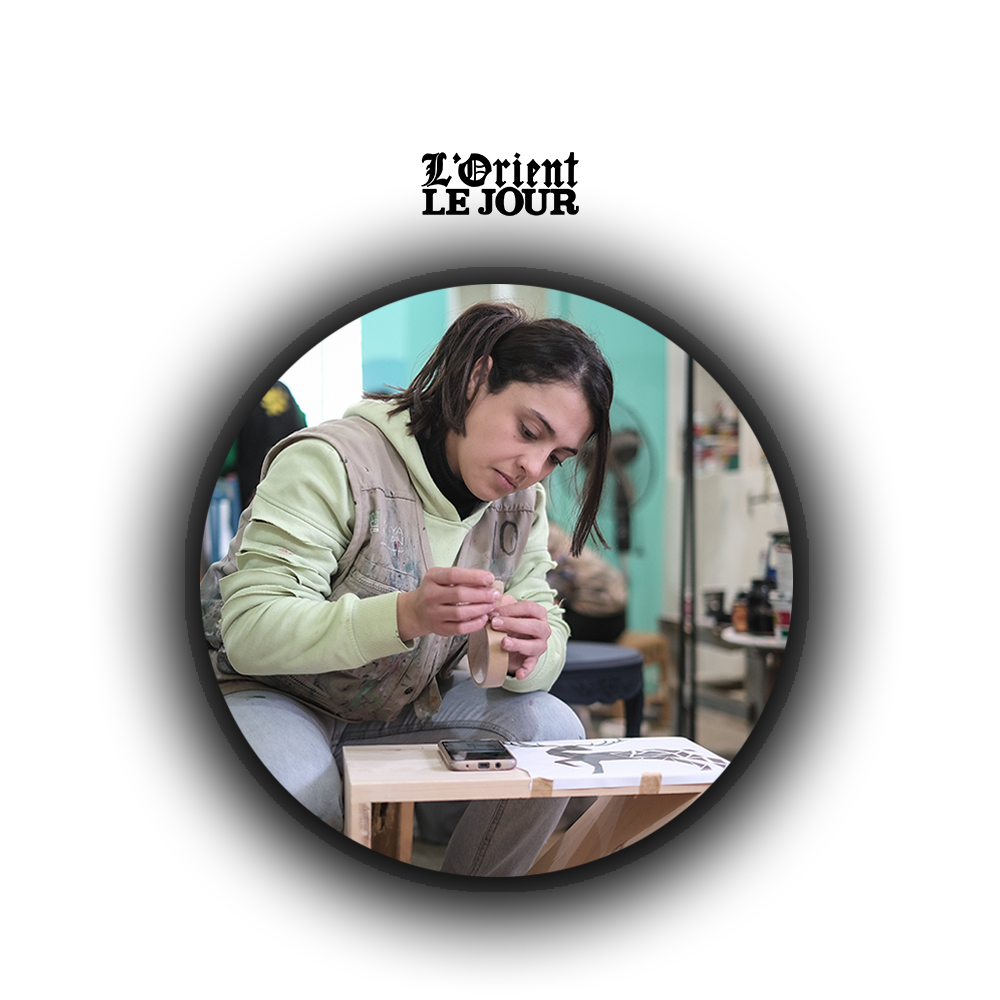
À Tripoli, des porteuses de paix bâtissent des ponts entre des quartiers rivaux
Les habitants des quartiers de Jabal Mohsen et Bab el-Tebbané se sont longtemps livrés à des affrontements sanglants les uns contre les autres. Désormais, ils se réunissent autour de projets civiques grâce au travail d’une association menée par un groupe de femmes. Un jour d’hiver à Tripoli, deuxième plus grande ville du Liban, des jeunes sont assis dans un café au bout de la rue de Syrie. Ils rient et discutent autour d’une boisson, alors que la pluie s’abat avec la régularité d’un métronome sur la chaussée, dissipant l’air épais de la ville. Il n’y a pas si longtemps, une telle scène était improbable. Kahwetna (« Notre café » en arabe) se situe au point de rencontre entre les quartiers de Jabal Mohsen et Bab el-Tebbané de Tripoli, où des affrontements sectaires entre ces deux communautés ont ravagé la vie des habitants pendant des années. Mais Kahwetna est un espace sûr. Il dispose de deux entrées distinctes – une pour chaque quartier. Derrière cette initiative, il y a Léa Baroudi, cofondatrice et coordinatrice de March Lebanon, une association libanaise qui œuvre pour la promotion de la cohésion sociale à travers la consolidation de la paix et la résolution des conflits sectaires au Liban. Kahwetna, qui a ouvert ses portes en 2016, est l’une des solutions proposées par l’ONG. La jeune femme a grandi pendant la guerre civile libanaise et, longtemps après la fin de celle-ci, elle était choquée de voir que « même les gens de [son] âge étaient divisés suivant des courants politiques sectaires ». Elle est devenue médiatrice certifiée et, parallèlement à son travail de consultante en affaires, a aidé à mettre en place des initiatives pour les jeunes avec un groupe d’amis. Sa passion a finalement pris le dessus, et c’est ainsi qu’est né March en 2011. « Love and War on the Rooftop » C’est au théâtre que tout a vraiment commencé. Léa Baroudi s’intéressait particulièrement à l’utilisation de l’art comme moyen de consolider la paix. Elle a alors eu l’idée de monter une pièce de théâtre entre les factions belligérantes à Tripoli. C’était en 2015, et les affrontements continus entre Jabal Mohsen et Bab el-Tebbané venaient de prendre fin avec le déploiement de l’armée libanaise dans la région. Léa, qui vit à Beyrouth, a commencé par se rendre à Tripoli les week-ends pour discuter avec les habitants. Quelques combattants ont fini par accepter de l’aider à rassembler des jeunes à auditionner pour son spectacle. Un véritable exploit, vu le contexte. « Nous pensions qu’une fois les jeunes réunis dans une même salle, une bagarre finirait irrémédiablement par éclater. J’ai rejeté l’idée de la pièce, je n’y ai pas participé au début », se souvient Ali, un ex-combattant devenu leader communautaire. « J’ai regardé la pièce, mais j’étais contre le fait que mon ami y participe », explique Zafer, lui aussi un ex-combattant qui travaille avec March. « Mon ami m’a dit : “En fait, je ne vais pas participer. Je vais voir leurs visages et cela nous aidera à leur tirer dessus plus tard”. Mais, au fil des répétitions, ils ont appris à se connaître et à s’apprécier, poursuit Zafer. J’avais aussi prévu de leur faire du mal, renchérit Ali. Mais nous avons changé d’avis quand nous avons vu que beaucoup de nos hommes participaient au projet et qu’ils seraient aussi blessés. » Léa Baroudi se souvient que nombre d’entre eux venaient aux répétitions armés. « Je me rappelle qu’au lieu de chercher des téléphones, nous cherchions des armes… Des lames de rasoir cachées sous la langue, des pistolets dans les poches ou dans les chaussettes, des couteaux. » La pièce devait s’inspirer de la vie des jeunes des deux quartiers, et les participants devaient donc partager leurs histoires. Il n’y avait aucun script. « Quand ils ont partagé leurs histoires, ils se sont rendu compte qu’ils se ressemblaient plus qu’ils ne le pensaient. Et c’est ainsi que les choses ont débuté », se remémore la jeune femme. « Nous avons réalisé que nous étions plongés dans la même souffrance. La même pauvreté. Que nous avions les mêmes besoins », confie Ali. C’est ainsi que la pièce Love and War on the Rooftop (Amour et guerre sur les toits) a vu le jour, avant de tourner dans tout le Liban. « Les gens nous ont raconté que, pendant les conflits, tout se passait sur les toits : des combattants se tirant dessus aux amis jouant aux cartes, sans oublier les amours secrètes », explique Léa Baroudi. Celle-ci croit fermement que la pierre angulaire de la paix est la connexion humaine et affirme qu’il n’y a rien de « magique » à cela. C’est juste une question d’intuition. « Lorsque vous travaillez dans des initiatives de consolidation de la paix, les activités que vous menez ne sont pas le plus important, mais les émotions que ces activités suscitent. Qu’est-ce que cela éveille chez les gens ? L’expérience intérieure. » La prison comme seul lieu de rencontre Ali a finalement participé aux activités de March en 2019, après avoir purgé cinq ans dans la prison notoirement lugubre de Roumié. « J’aurais pu faire tellement de choses pendant ces cinq années. » « Nous n’avions pas d’occasions ou d’endroits pour nous rencontrer, avant », ajoute-t-il. Hormis la prison. Léa Baroudi se souvient avoir demandé aux participants, un jour qu’ils répétaient, s’ils avaient des amis de « l’autre côté ». Une seule personne a répondu par l’affirmative. « Je lui ai demandé : “Où l’as-tu rencontré ?”. Il m’a dit : « En prison. » » « Vous vivez littéralement à quelques mètres l’un de l’autre. Il a fallu que tu ailles en prison pour le rencontrer ? » réagit-elle alors. « Quand Kahwetna a ouvert, ils ont eu peur. Ils me disaient : « On va se faire bombarder. Ils vont faire exploser cet endroit… On nous a déjà traités de traîtres parce qu’on est avec des gens de l’autre côté. » Huit ans plus tard, Kahwetna fourmille d’activités. Derrière une