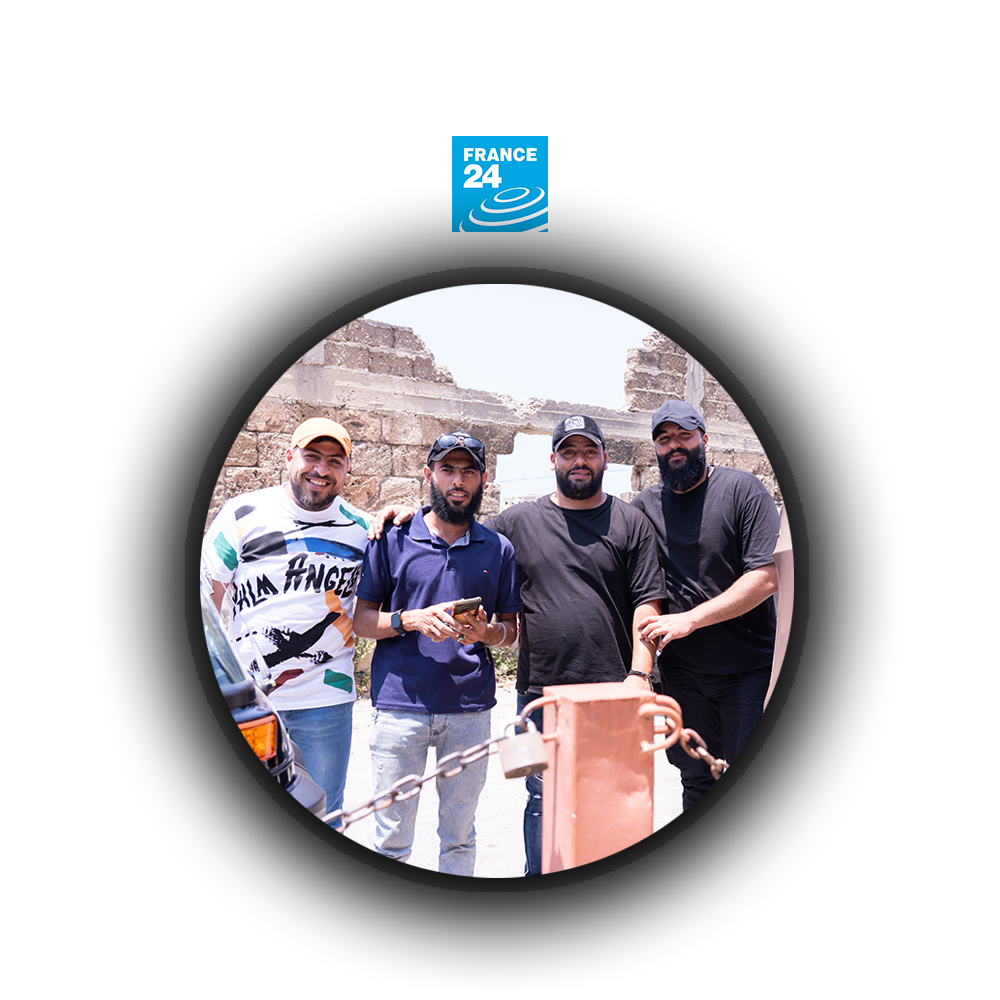
Tripoli has long struggled with theft and security concerns. Poor street lighting has left many neighborhoods in darkness, making residents feel unsafe and discouraging movement at night. This situation is widely seen as a result of prolonged state neglect toward the city. In a city long affected by electricity shortages and safety concerns, MARCH has taken a concrete step toward sustainable and community-focused change by installing solar-powered streetlights across former demarcation lines in areas such as Jabal Mohsen, Beb El Tebbeneh, Qobbeh, Mankoubin, Mallouleh, Hrajel, and Abou Samra. The project aims to enhance public safety while rebuilding trust in shared public spaces and aiding the community. The initiative is ongoing ensuring long-term impact and sustained engagement with local communities. Within the past two years, MARCH has successfully installed a total of 1,114 solar LED streetlights, significantly improving nighttime visibility and public safety in multiple neighborhoods. Of these, 977 streetlights were installed in residential areas, directly impacting 61,330 community members. These lights now illuminate streets that were previously dark, creating safer spaces for residents to move, work, and gather after sunset. The solar lights were distributed across several Tripoli’s marginalized and most impovirished areas along also conflict prone zones and former demarcation lines. Beb El Tebbeneh received 262 lights, impacting 11,150 residents. Jabal Mohsen saw the installation of 308 lights, benefiting 17,300 people. In Qobbeh, 133 lights now serve 2,970 residents, while Mankoubin received 274 lights, impacting 10,170 people. Additional installations included Mallouleh with 49 lights serving 3,520 residents, Abou Samra with 82 lights reaching 17,360 people, and Hrajel with 6 lights benefiting 100 residents. The project also extended to vital security points. In coordination with the Lebanese Army Forces, 137 solar streetlights were installed at army checkpoints and key security routes. This component of the initiative benefited 1,240 LAF members, enhancing visibility and operational safety in critical locations. Beyond numbers, the project reflects a broader commitment to sustainable solutions in underserved areas. By relying on solar energy, the initiative provides long-term lighting without adding pressure on an already strained power grid. Through this effort, MARCH demonstrated how renewable energy can directly improve daily life, strengthen community safety, and support public institutions. In Tripoli, light has become more than illumination. It has become a tool for dignity, security, and resilience. For more information check out our Youtube channel and Instagram
Category: Freedom Of Expression
Hona Beirut’s Inter-Communal Bus tour activities
Hona Beirut recently took its spirit of connection beyond the walls of the center and into the streets of the city. The tour began with visits across several diverse neighborhoods and formerly conflicting communities in Beirut including Badaro, Chiyah, Sin el Fil, Shatila, and Ein el Remmeneh. The journey later continued with another bus tour to Hamra, bringing the same energy of dialogue and coexistence to one of Beirut’s most vibrant areas, turning every stop into a moment of exchange and connection. As the bus stopped in each area, youth from different sectarian backgrounds engaged directly with residents, sharing messages of peace, music, dance, and conversation, transforming public spaces into areas of connection, understanding, and inclusivity. Beyond that, they also brought music and dance, creating a lively atmosphere that drew people in and encouraged new connections. For the youth, these initiatives strengthened confidence, sense of belonging, and purpose, allowing them to challenge stereotypes, bridge divides, and practice peacebuilding in real-life settings. The Bus Tours also symbolized hope, reconciliation, and the active role of youth as agents of social cohesion, reaffirming Beirut’s identity as a diverse, resilient, and interconnected city. These experiences gave them a chance to see others differently, and to be seen differently in return. Through these simple but genuine encounters, perceptions began to shift, and the idea of coexistence became something real and lived rather than just spoken about. These initiatives came at an important moment, as Lebanon and Beirut in particular continues to experience tensions and scenarios of division. The goal of the tour was to put sectarianism aside and remind residents of the city’s true identity: one of diversity, resilience, and unity. By meeting new people, sharing smiles, and creating moments of joy in the streets, the youth sent a clear message that what unites Beirut is stronger than what divides it. Through Youth-Led Community Awareness initiatives like this, Hona Beirut continues to highlight the role of young people as active agents of peace, proving that unity is possible even in times of tension, and that Beirut’s identity belongs to all of its people. The youth showed that reconciliation does not only happen in meeting halls or workshops, but also in everyday interactions that break barriers and bring people together.
HONA BEIRUT: “Echoes of Youth” — A Cross-Communal Event to Promote Reconciliation and Intercommunal Engagement
Monthly Community Events: Spreading Messages of Reconciliation and Celebrating Youth-Led Achievements As part of its mission to foster reconciliation and cross-sectarian solidarity, Hona Beirut organized a youth-led community event at its center in collaboration with university clubs in Beirut from Lebanese American University, USJ, American University of Beirut, and Balamand. The event featured young people from diverse backgrounds across Beirut such as Chiyah, Ain El Remmeneh, Furn El Chebek, Ghobeiry, Tarik Al Jdeedeh, Sabra, Chatila, Barbir, and others who came together to exchange personal stories and experiences, finding common ground through shared values and initiatives. Sharing Stories and Experiences: Inspiring Initiatives and Promoting Inclusion The event began with heartfelt reflections from Hona Beirut youth on their journeys in community engagement. These experiences revealed how their involvement helped transform personal perspectives, bridge societal divides, and increase their sense of collective responsibility. Their stories highlighted how inclusive community work can empower youth to see beyond differences and serve society regardless of people’s backgrounds. This was followed by a session with presidents of university clubs, who shared how they contributed to their communities through fields such as arts, science, and psychology. Their diverse approaches expanded the perspectives of Hona Beirut youth, sparking new ideas for engagement and collaboration. These exchanges also emphasized how community service can go hand-in-hand with personal development, especially through cross-campus cooperation. TED-Style Talks: Dialogue and Impact The program continued with TED-style talks and a Q&A session with the club presidents and special guest Edward Namour, a social media cultural influencer. Discussions focused on life choices, giving back to the community, and creative ways to increase positive impact. The session fostered inspiration and motivation among the youth, encouraging them to reflect on their own roles as changemakers. Creative Performances: Art as a Tool for Peace In a vibrant arts session, participants used brushes and color to express their vision of peace and how they connect with it. These expressive paintings allowed the youth to visually reflect on their inner feelings and values, creating a symbolic mural of hope, unity, and healing.
Lea Baroudi Represents MARCH Lebanon at Caux Initiatives of Change 2025 !
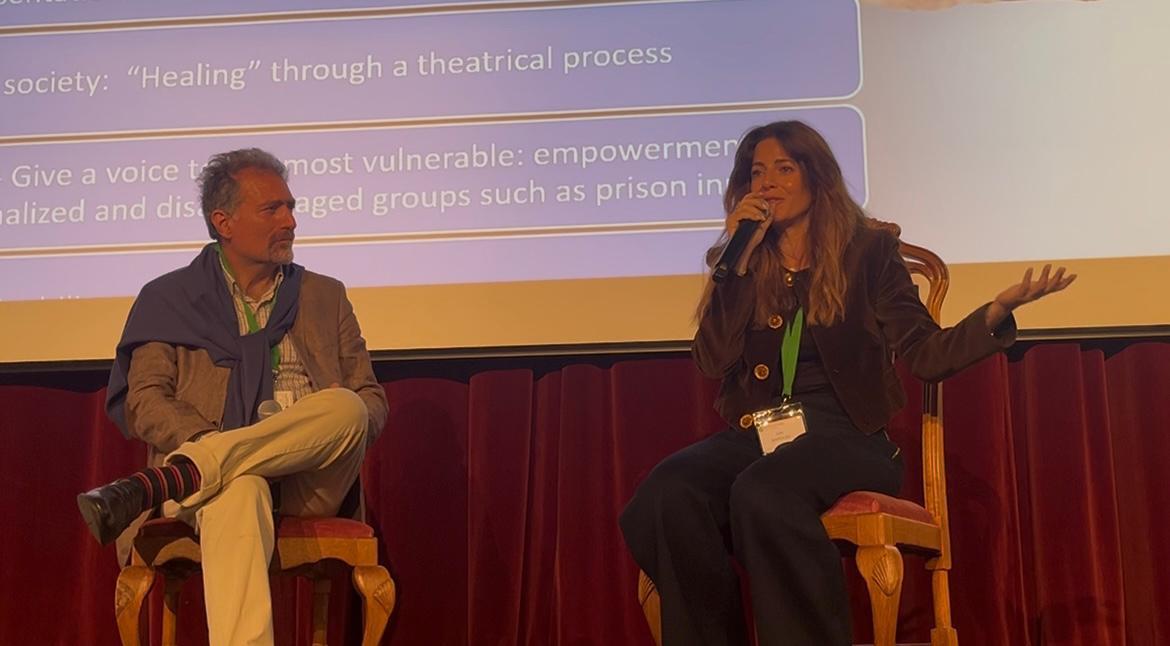
In May 2025, Lea Baroudi, co-founder and president of MARCH Lebanon, proudly represented the organization at the prestigious Caux Initiatives of Change Foundation conference held in Switzerland. This powerful three-day gathering united peacebuilders, activists, artists, and parliament members from around the world, creating a vibrant space for dialogue, inspiration, and transformation. Bringing Reconciliation Through Theatre to the Global Stage Lea shared MARCH’s impactful legacy in peacebuilding during a panel discussion with Michelle Abi Khalil, founder of SwissMadeCulture. She focused on one of MARCH’s core pillars—theatre for reconciliation—an innovative approach that has brought together former fighters and ex-convicts from opposing communities in Tripoli, Lebanon. This initiative has transformed a site of conflict into a center for rehabilitation and dialogue, enabling young participants to embark on profound journeys of personal and communal healing. One of the most moving moments Lea shared was the testimony of a young former fighter: “You saw in me a power that I didn’t see in myself.” When asked about the risks involved in joining MARCH, they responded: “We once risked our lives for nothing. Now, we risk our lives for something powerful—and for peace.” Collective Creation with Peacebuilders, Artists and Activists from around the Globe A highlight of the conference was the masterclass delivered by John Paul Lederach, a legendary figure in peacebuilding and author of The Moral Imagination. Lederach’s message resonated deeply with the MARCH philosophy: “Real change in conflict settings does not happen through technique alone, but through relationships, stories, and the courage to take risks.” His words underscore the heart of MARCH’s approach, which emphasizes connection, storytelling, and moral courage as vital ingredients for lasting peace. Participants also experienced a dynamic session led by Tristan Kaufmann, a medical doctor and musician, who guided the group through rhythm, movement, and a unique language of signs. This interactive experience transformed the room into a space of collective creativity, demonstrating that peace can be felt, heard, and improvised—beyond words. A Shared Vision for Peace The Caux conference offered an inspiring platform to exchange stories, deepen understanding, and renew commitment to building a more peaceful world. Lea’s participation not only amplified MARCH’s transformative work but also strengthened ties with global peacebuilders dedicated to reconciliation and social change.
La mediatrice Lea Baroudi. «La mia cura per il Libano dentro a un teatro»
L’impegno del gruppo March nel Paese, in ginocchio dalla fine della guerra civile: «Arte e cultura sono catalizzatori di cambiamento. Vi racconto come metto sul palcoscenici combattenti e nemici» Una vita da mediatrice, nel mezzo di conflitti interconfessionali e settari, usando l’arte – in particolare il teatro sociale – come strumento per far abbassare le armi e iniziare a riconciliare gruppi o società che fino a poco tempo prima si erano combattuti. Verrebbe da dire la triste quotidianità per il Libano, se il sorriso di Lea Baroudi, cristiana, co-fondatrice e direttrice di March, appartenente alla Rete di mediatrici del Mediterraneo promossa dal ministero degli Esteri italiano, non fosse, nonostante la drammatica situazione sociale ed economica del Libano (che la crisi a Gaza ha ulteriormente aggravato), un invito all’ottimismo. Un volto di donna e di speranza, costruita non su un vuoto sentimentalismo ma su un serio impegno professionale che è valso numerosi riconoscimenti internazionali. Lea Baroudi, quando ha capito che, in quanto donna, lei avrebbe potuto dare un contributo originale per costruire la pace? L’ho realizzato quando iniziai a lavorare in progetti di peacebuilding e risoluzione dei conflitti a Tripoli, la principale città del Nord del Libano, tra ex combattenti che erano impegnati in una guerra settaria. Nonostante mi venisse detto che avrei fallito, che quello non fosse un lavoro adatto a una donna e che avrei potuto essere uccisa, in realtà proprio il fatto di essere una donna ha facilitato le mie interazioni con questi combattenti, che erano uomini. Loro si aprivano di più a me e mettevano in comune le loro vulnerabilità, cosa che mi permetteva di costruire un rapporto di fiducia con loro e di raggiungere una corretta modalità di riconciliazione e reintegrazione. Le donne che lavorano sul campo sono significativamente più efficaci in questa attività. Gli uomini non ti percepiscono come un rivale; non ci sono ego o competizioni, in quanto donna sei percepita come più neutrale. E, dal momento che la maggior parte dei conflitti e delle guerre è istigata da uomini, è essenziale riconoscere che, specialmente nel campo della risoluzione dei conflitti, della mediazione, e nei processi di pace, le donne hanno un valore aggiunto da portare al tavolo, e che possono talvolta essere più efficaci degli uomini. Questa convinzione è stata parte del mio percorso professionale come mediatrice e costruttrice di pace. Il teatro sociale è la via per lei privilegiata verso la pace. E questo lavorando dentro la più frammentata società che si possa immaginare: quella del Libano. Come è iniziata questa esperienza? Il teatro è uno dei vari strumenti di risoluzione dei conflitti che March ha realizzato durante gli anni. Credo che le arti e la cultura, in particolare le arti dello spettacolo e il teatro, siano potenti catalizzatori per il cambiamento. Tutto è iniziato con una semplice idea nel 2014. Decisi di usare il teatro per cercare di riconciliare a Tripoli combattenti di due opposte fazioni che si scontravano sulle rispettive interpretazioni della guerra civile in Siria. Queste fazioni provenivano dal quartiere alawita di Jabaal Mohsen e dal quartiere sunnita di Beb el Tabbeneh, separati da una strada ironicamente chiamata “Syria street”. Tuttavia, quei giovani non solo combattevano gli uni contro gli altri; molti di loro avevano anche attraversato il confine per raggiungere il fronte in Siria quando il conflitto iniziò nel 2011. Quando decisi di lavorare in una delle regioni più a rischio del Libano, la gran parte della gente attorno a me pensò che mi stavo impegnando in un lavoro impossibile. Dopo mesi di ostacoli, finalmente convinsi 16 giovani ex combattenti a recitare in uno spettacolo ispirato alle loro vite. Ricordo ancora in modo vivo l’esperienza surreale di stare davanti alla porta della sala prove, assicurandomi che fossero disarmati. Nonostante le tensioni e le resistenze iniziali, il nostro progetto permise di condividere le loro storie e abbattere le barriere della paura, rendendosi conto che erano molto più simili di quanto pensassero. Questa esperienza è riuscita a trasformare i combattenti in attori e i nemici in amici. La commedia “Amore e guerra sui tetti”, che debuttò allora, andò in tournée nei teatri di tutto il Paese con un enorme successo. Quell’esperienza ha segnato l’inizio del nostro approccio di “teatro per la riconciliazione”, che finora ha prodotto sei spettacoli che riappacificano diverse comunità in Libano. E poi? Ciò che era iniziato come un’unica opera teatrale si è rapidamente evoluto in un approccio olistico, affrontando vari fattori di conflitto. Abbiamo inaugurato un caffè culturale sull’ex linea di demarcazione di Tripoli, creando uno spazio sicuro e inclusivo sia per gli uomini che per le donne. Questo caffè è ora il centro del nostro programma olistico di costruzione della pace. Attualmente il Libano vive una terribile crisi economica e sociale: la Banca mondiale, due anni fa, l’ha definita la terza crisi economica più grave dal 1929. Come riuscite a continuare le vostre attività? La crisi libanese, iniziata nel 2019, ha posto sfide significative per l’adattamento e la continuazione del nostro lavoro. Inizialmente è stato difficile poiché i fattori del conflitto e della radicalizzazione sono tornati con tutta la loro forza. La crisi ha portato a perdite diffuse – di denaro, posti di lavoro e mezzi di sussistenza – alimentando sentimenti di rabbia, disperazione e ingiustizia tra le persone, che sono importanti fattori di conflitto. In risposta, ho dovuto adattare il nostro lavoro e i nostri progetti. Oltre ai processi di mediazione e di risoluzione dei conflitti, ho incorporato programmi di formazione professionale in design, edilizia e turismo. Inoltre, ho creato tre imprese sociali in questi settori per aiutare i giovani, gli ex combattenti e la comunità più ampia a continuare a lavorare, essere produttivi e sostenere i nostri sforzi di costruzione della pace. Oggi queste iniziative, che permettono ai partecipanti anche di condividere le loro storie di riconciliazione, coinvolgono oltre 150 persone. Gli approcci di costruzione della pace devono essere onnicomprensivi per essere efficaci: ciò significa affrontare traumi e stigmi, ma anche includere l’integrazione socioeconomica, l’esposizione a diversi punti di vista attraverso il
Tripoli’s Syria Street: A symbol of Lebanon’s divisions
In the northern Lebanese city of Tripoli, one road symbolises the complex relationship between Lebanon and neighbouring Syria: the aptly named Syria Street. With the outbreak of civil war in Syria in 2011, Tripoli street also become a conflict zone. On one side, the Alawite district sided with Syrian President Bashar al-Assad. The Sunni neighbourhood on the other side supported the rebels. For several years, the street was transformed into a battlefield. Young Lebanese living in Tripoli fought each other, ready to die for a cause that was not their own. Today, calm has returned to the street and communities that were once divided are learning to live together again. From the outset of the war in Syria in 2011, Syria Street, in the northern Lebanese city of Tripoli, became the scene of conflict. Echoing the war, the two neighbourhoods divided by the street were torn apart by violent clashes. Bab al-Tabbaneh, the Sunni district, sided with the opposition, while Jabal Mohsen, the Alawite district, supported the regime of Syrian President Bashar al-Assad. The restive street became a microcosm of the war in Syria For a few dollars, idle young Lebanese men were turned into fanatics, ready to die for a cause that was not their own. Hundreds of people were killed in heavy gun battles while businesses and homes were destroyed. Syria Street became a front line, more than ever justifying its name. For years, the war in Syria severely destabilised Lebanon and almost dragged the country into a copycat war. Although that did not happen, the conflict has had a lasting political and economic impact on Lebanon. More than ever, Tripoli’s Syria Street symbolises the close relationship between the two neighbours, for better or worse. Today, the fighting has stopped and calm has returned to Bab al-Tabbaneh and Jabal Mohsen. The enemy neighbourhoods have been reconciled, but peace is fragile and the wounds of war are still raw.
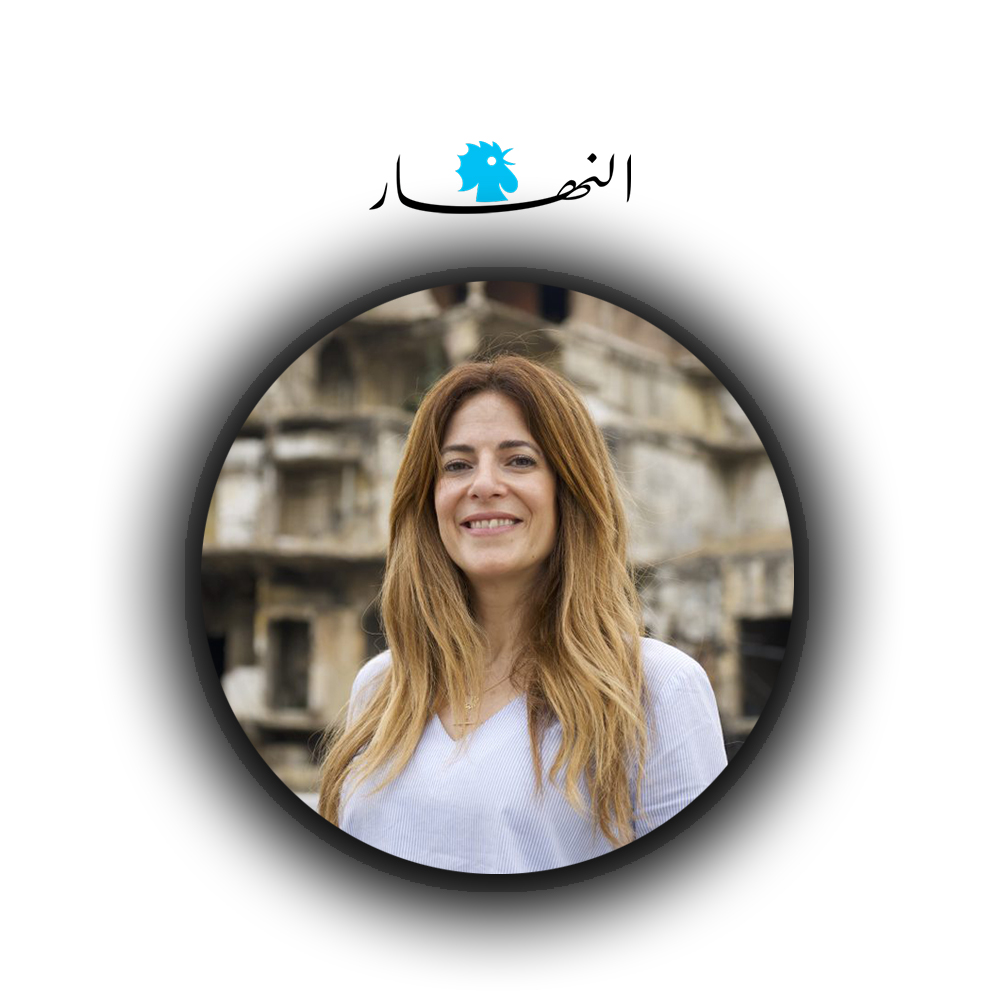
لبنانيّة تحارب الطائفيّة بالفنّ والعلم وتتأهّل لجائزة عالميّة من بين 10 صنّاع تغيير ملهمين
جعلت من مقاتلين سابقين يحملون ريشة رسم بدلاً من السلاح، ويحاربون التطرّف والطائفية بالفن والثقافة والعلم. مؤسِّسة منظمة “مارش” غير الحكومية ووسيطة السلام ليا بارودي تتحدّث لـ”النهار”، عن أهمية جعل التعدد مصدراً للغنى بدلاً من الخلاف، وقد أثبتت ذلك من خلال تجربتها التي تفوق الـ10 سنوات مع شباب مقاتلين سابقين وفئات مهمشة في بلد كلبنان، وسيط سلام يعني الكثير لأنّنا في بلد تعدّدي يحمل اختلافات كثيرة مناطقية وطائفية ومذهبية وغيرها، وهي للأسف مصدر خلاف بينما يجب أن تكون مصدر غنى، تقول بارودي هذه السيدة متخصصة بوساطة السلام إلى جانب دراستها لإدارة الأعمال. وهي واحدة من ضمن مجموعة من الوسيطات، وفضّلت التوسّط لحل النزاعات الطائفية. و”تحدّي القيام بهذه الوساطة في لبنان هو بناء جسور بين الجميع ومعرفة الآخر لعدم شيطنته”، برأيها أسّست بارودي المنظمة في عام 2012 واستطاعت تغيير المشاعر السلبية بين أبناء المنطقة الواحدة. وفي عام 2014، توجّهت إلى طرابلس وعملت مع شباب من جبل محسن وباب التبانة، حيث كانت تدور معارك طاحنة بينهم، وقرّرت التركيز على جيل الشباب، فهم مستقبل لبنان “كان إيماني بالتخلص من المشاعر السلبية في ما بينهم كبيراً، تروي بارودي، وتضيف أنّ “التحلي بالإيمان في كسر الطائفية بعد كل المعارك والحروب التي شهدناها لم يكن بالأمر السهل، لكن النجاحات الصغيرة التي أنجزها شباب كانوا خلف المتاريس، هي جزء أساسي من إيماني قدّمت المنظمة برامج عديدة لتأهيل الشباب وتمكينهم ومدّت جسوراً في ما بينهم، إذ يقوم صلب عملها على محاربة الطائفية بالفن والعلم والثقافة. ونتيجة مجهودها ومجهود فريقها، تأهّلت بارودي إلى التصفيات النهائية لجائزة #GlobalPluralismAward لعام 2023 بين 10 صانعي تغيير ملهمين من 200 دولة حول العالم، لدورها في حل النزاعات وبناء الجسور وتجدر الإشارة إلى أنّ هذه الجائزة العالمية تُمنح كل سنتين، وتحتفي بالعمل الملهِم والشجاع الذي يساعد على بناء مجتمعات أكثر شمولاً وتقدّر التنوّع وحمايته وعن هذه الجائزة، تتحدّث بارودي عن أنّ “الترشّح لهذه الجائزة لم يكن سهلاً، واستغرق وقتاً تحديداً في عملنا المتعلّق بحل النزاعات وبناء الجسور بين الطوائف اللبنانية”. وبالنسبة إليها، ترشيحي يعني الكثير لأنّ العامل الأساسي الذي يمكن أن يحوّل لبنان إلى بلد مستقر ومزدهر هو التنوّع الذي يحتويه وعلينا أن نثق ببعضنا وأن نقوم بمجهود لمد الجسور وأن نقوم بعقد اجتماعي جديد، ويأتي ترشّحنا لهذه الجائزة ليؤكّد لنا أنّنا على المسار الصحيح وفي إطار بناء الجسور وكسر الطائفية بالفن والثقافة، فتحت بارودي مقاهي ثقافية في بيروت وطرابلس، كمساحات لاتحاد الشباب بدلاً من تفريقهم. وأسّست مشغلاً لإعادة تدوير الأثاث، يعمل فيه مقاتلون سابقون أصبحوا أصدقاء وبرأيها، “ما نقوم به، ليحظى باستدامة وأقصى منفعة، يجب أن يكون على مستوى الدولة لكن إيماننا بالتغيير، ولو عبر عدد أفراد بسيط، فجميعنا بحاجة إلى السلام اليوم، وليس فقط الشباب وتؤكّد بارودي أنّ “الشباب يشعرون أحياناً بغضب شديد في داخلهم من شدة ظلم عانوه أو ظروف قاسية، لكنّهم يتحلّون بطاقات كبيرة”. وبحكم تجربتها، تورد أنّه “لكي يؤمنوا بطاقاتهم، علينا نحن أن نؤمن بهم، وهنا يكمن التحدي الذي نجحنا فيه في تحويل مقاتلين إلى مصمّمي أزياء ونجّارين ورسّامين وطبّاخين دخلوا في سوق العمل، وهذا مدعاة فخر لي كذلك، “الخوف من الآخر هو سبب العلة” برأي بارودي، و”مقاربة سهلة وصعبة في الوقت نفسه. وما نجحت فيه، إلى جانب تمكين الشباب، هو أن ينظربعضهم إلى بعض كإنسان. لذلك، فإنّ بناء الجسور أمر سهل، لكن يبقى الأفراد رهائن أفكارهم المسبقة وأحكامها، “لذا، علينا إعطاء الفرصة للآخر وكسر هذه الأحكام ووصل التسامح والثقة بين المتقاتلين السابقين في شمال لبنان إلى أن يتحوّلوا إلى مرشدين سياحيين في المناطق التي كان يتقاتلون فيها في إطار مبادرة “جولة الحبّ والحرب” التي أُدرجت على الخطة السياحية الداخلية لوزارة السياحة، و”أصبحوا بذلك رسل سلام وهو من أكثر الأمور التي أفتخر بها، لأنّهم هم مَن يحملون شعلة السلام الآن ويكملون الطريق”، وفق بارودي
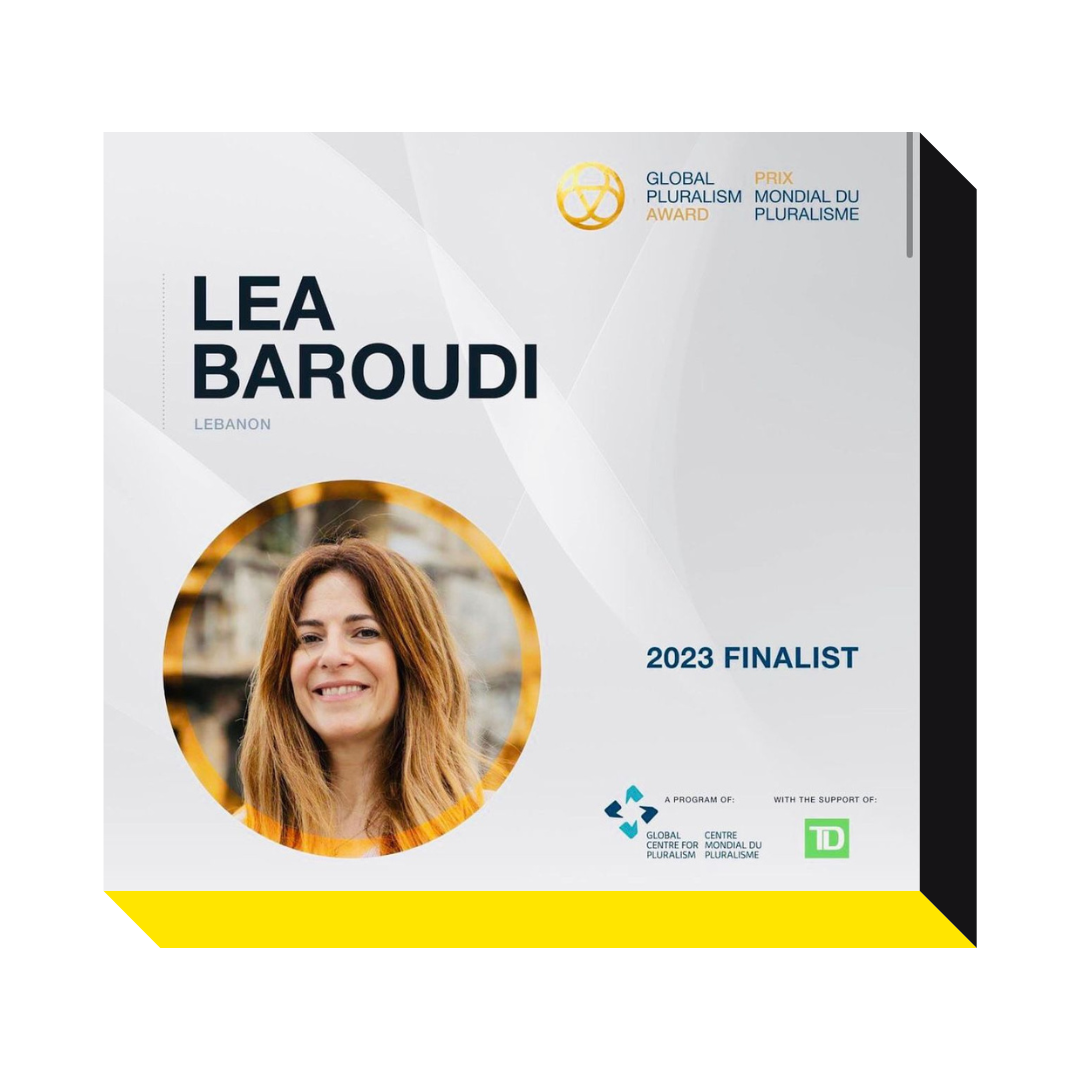
Lea Baroudi selected as one of the Ten Finalist for 2023 Global Pluralism Award
Lea Baroudi, Co-Founder and General Coordinator of MARCH, an organization dedicated to peacebuilding and conflict resolution and youth empowerment in Lebanon, has been selected as one of the ten finalists for the 2023 Global Pluralism Award. The 2023 Global Pluralism Award recognizes the remarkable efforts of Mrs. Baroudi, a passionate peace mediator employing art, culture, education, and development to provide Lebanese youth with a unique opportunity to escape the clutches of violence, extremism and sectarian divides. The Global Pluralism Award is a biennial global award presented to individuals, organizations, governments, and businesses that have demonstrated remarkable and sustained contributions to building societies where diversity is not just embraced but safeguarded. The award is administered by the Global Centre for Pluralism, a charitable organization founded by His Highness the Aga Khan and the Government of Canada. The Centre collaborates with policymakers, educators, and community leaders worldwide to promote and implement the transformative power of pluralism. Mrs. Baroudi’s commendable endeavors through MARCH’s work in peacebuilding and conflict resolution with former fighters and adversaries from the two conflicting communities of Jabal Mohsen and Beb El Tebbeneh who once were a battleground of sectarian clashes. Along with several conflict resolution programs such as building bridges between communities and security institutions, conducting dialogue sessions and conflict transformation workshops, MARCH is also known for its Theatre for Reconciliation program that successfully united and reconciled youth from diverse backgrounds through the medium of theater, notably in Tripoli, Beirut and Akkar. The journey of Theatre for Reconciliation began with the production “Love and War on the Rooftop” in Tripoli which brought together young people from Jabal Mohsen and Beb el Tebbeneh. Through this powerful performance, the youth were able to bridge their differences, forging connections that transcended their cultural and social boundaries. Lea Baroudi’s recognition as a finalist for the 2023 Global Pluralism Award is not just an acknowledgment of her individual efforts, but also a celebration of the transformative impact that organizations like MARCH can have in building a more inclusive and pluralistic world. Her work serves as an inspiration and a reminder that, even in the face of deep-seated divisions, peace, reconciliation, and pluralism are attainable goals when driven by dedicated individuals and organizations like MARCH.
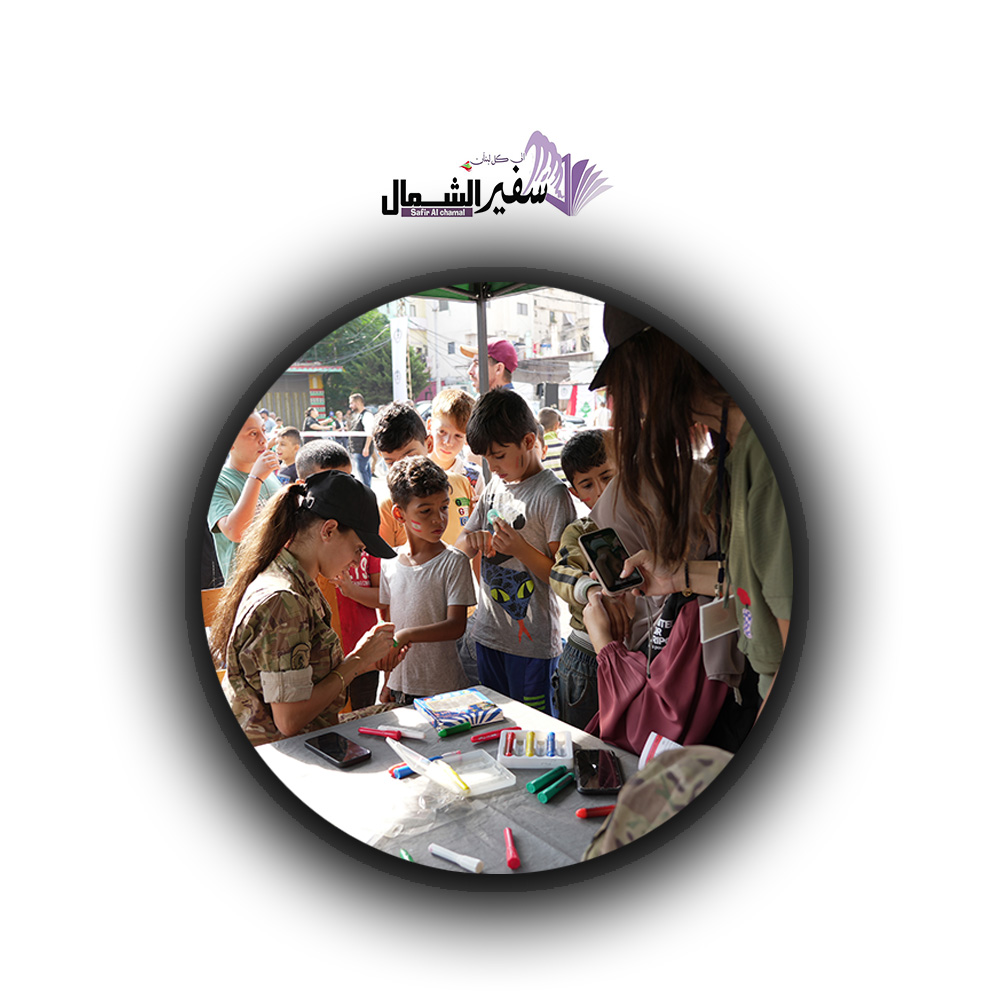
سفير الشمال – أهالي التبانة وجبل محسن في مهرجان ترفيهي مشترك
منذ عشر سنوات كان شارع سوريا ” خط تماس” لجولات قتالية إندلعت بين منطقتي باب التبانة وجبل محسن، واليوم شارع سوريا نقطة مهمة لمهرجان ترفيهي ” يلا نفرح سوا” تحت شعار ” متحدون من أجل طرابلس ” اطلقته جمعية مارش بالتعاون مع الجيش اللبناني بهدف دعم الاستقرار بين المنطقتين بحسب ما قالت رئيسة الجمعية ليا بارودي من جهته العميد المتقاعد يعقوب معوض أكد أن أهالي المنطقتين قرروا وقف القتال وهم اليوم ينعمون بالسلام يلا نفرح سوا تضمن عروضات عسكرية ورسم على الوجوه وفقرات غنائية وألعاب ترفيهية للأطفال من المنطقتين
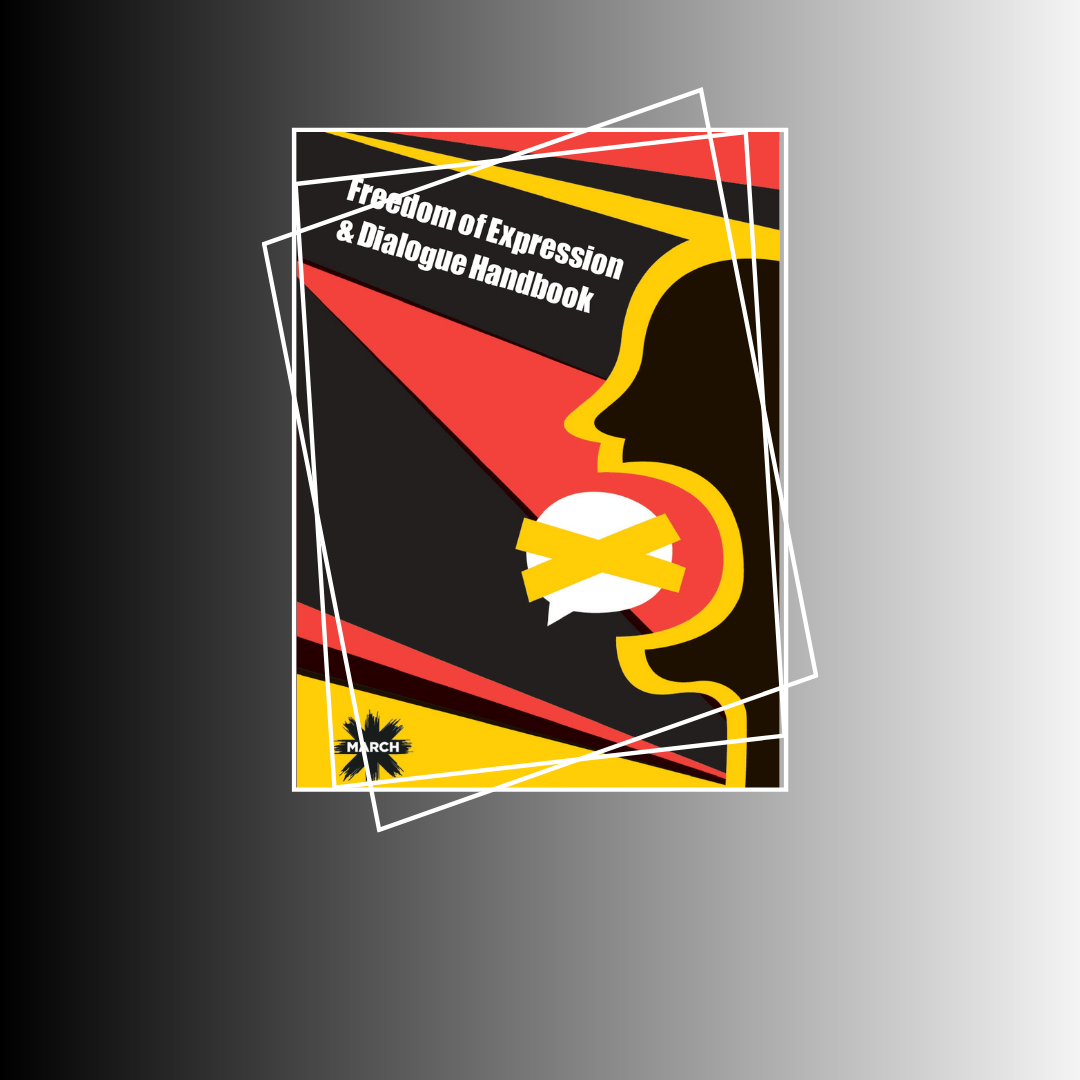
Promoting Freedom of Expression: The Challenging Censorship Program
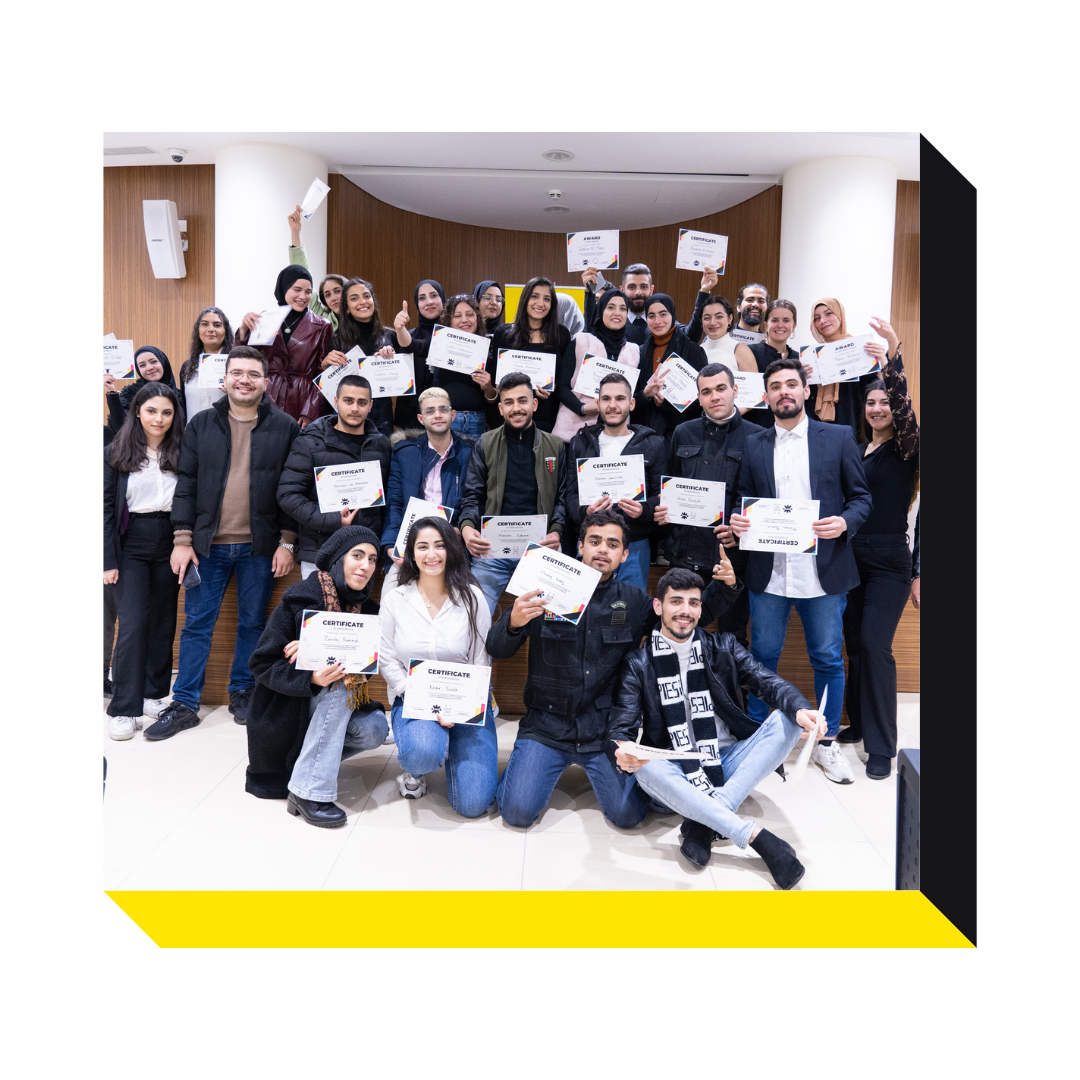
In the year 2020, the Challenging Censorship program was launched by MARCH with a mission to combat censorship practices and promote freedom of expression in Lebanon. The program aims to empower youth in Tripoli and Beirut through capacity building and knowledge-sharing. With some activists leaving the country, the Challenging Censorship program reevaluated its approach from focusing on activists into focusing on grass-root activities and decided to restructure its network to include youth. By empowering young people to be active agents of change, the program aims to foster positive dialogue and reject differences in opinion. Empowering Youth through Workshops and Training: To achieve its objectives, the program organized multidisciplinary interactive workshops on mediation, conflict prevention, team building, and communication skills related to freedom of expression. These workshops aim to equip youth with the necessary tools to engage in constructive conversations, accept diverse opinions, and promote a bottom-up approach to enacting change. Expanding Reach and Achievements: Throughout the years 2020 to 2023, the Challenging Censorship program successfully expanded its network to include youth members mainly from Tripoli. It conducted capacity-building sessions and workshops, aimed at empowering young participants to raise awareness about freedom of expression and censorship in their communities. The program also strengthened its digital presence on social media and the MARCH website, reaching a broader audience. The Power of Dialogue and Acceptance: One of the most profound achievements of the program was the positive impact it had on the participants. One youth member expressed, “I never thought I could have a constructive conversation with someone who disagrees with me. However, after the training, I was eager to listen to someone with different opinions rather than fight them.” This transformation of mindset towards acceptance of differences and valuing freedom of expression showcased the program’s success. In conclusion, the Challenging Censorship program in Lebanon has been making significant strides in promoting freedom of expression and fostering positive dialogue among youth. By empowering young participants with knowledge and skills, the program has contributed to a more tolerant and open society that values the right to express oneself freely while respecting others’ opinions. As it continues to expand its reach and influence, the program stands as a testament to the power of dialogue in breaking down barriers and promoting a culture of acceptance in Lebanon.