Tag: ONG March
Collaborative Journey with the Lebanese Armed Forces
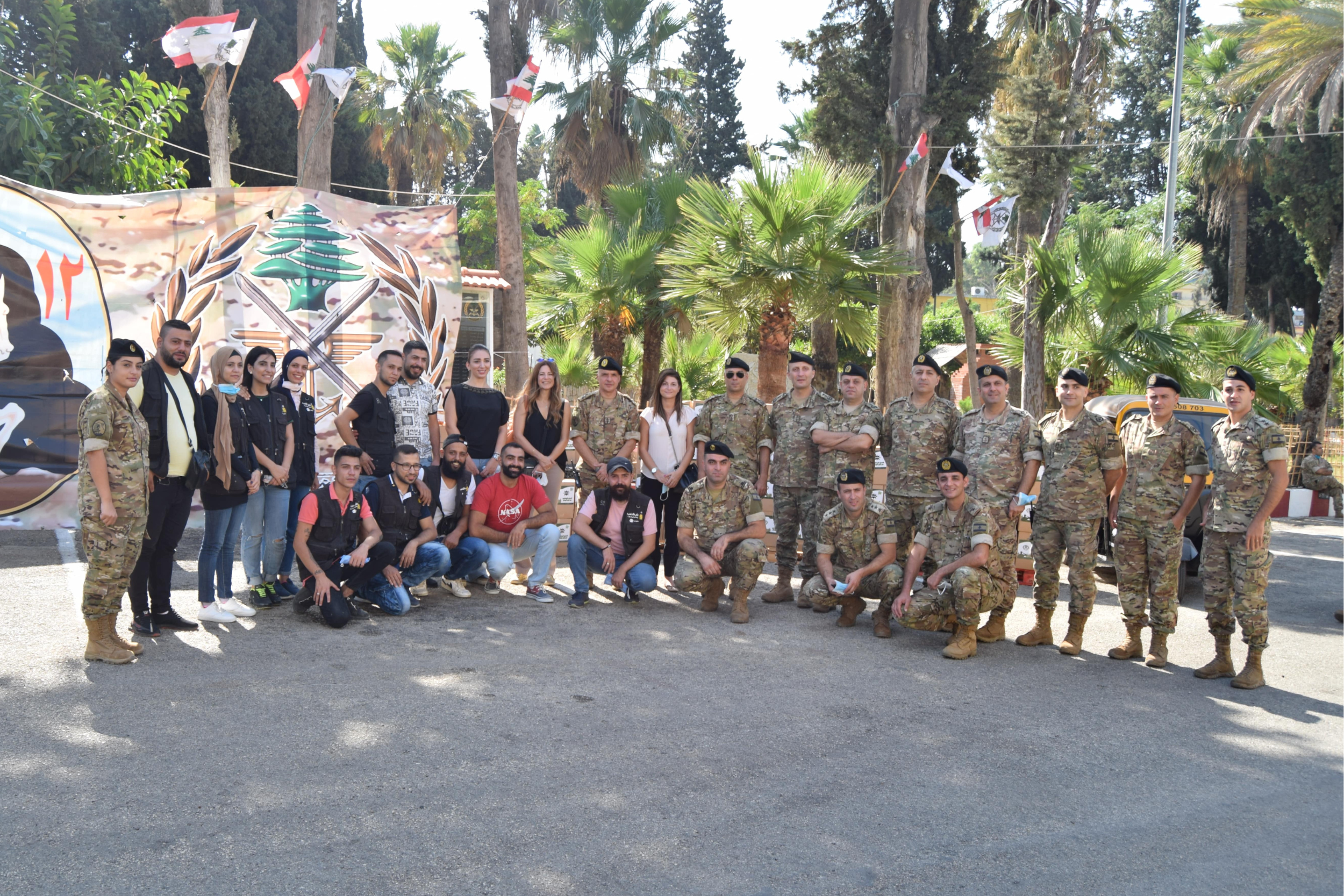
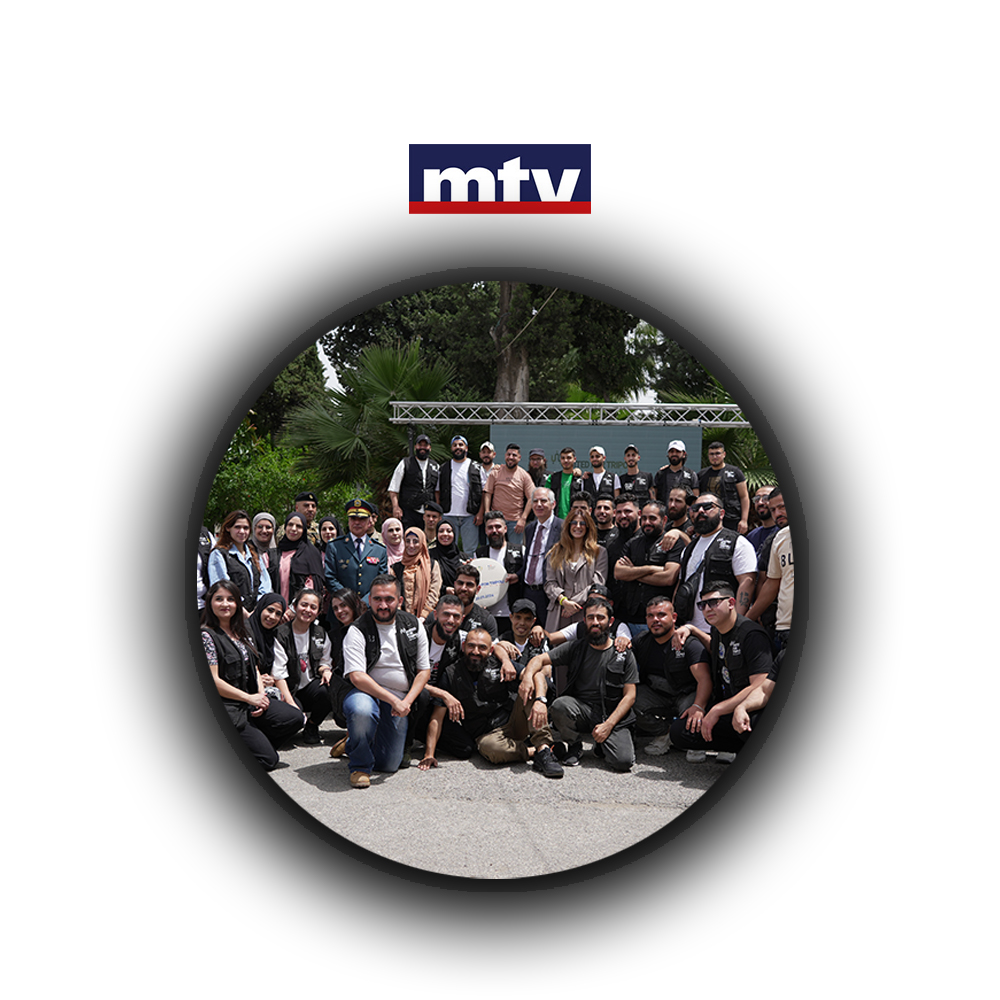
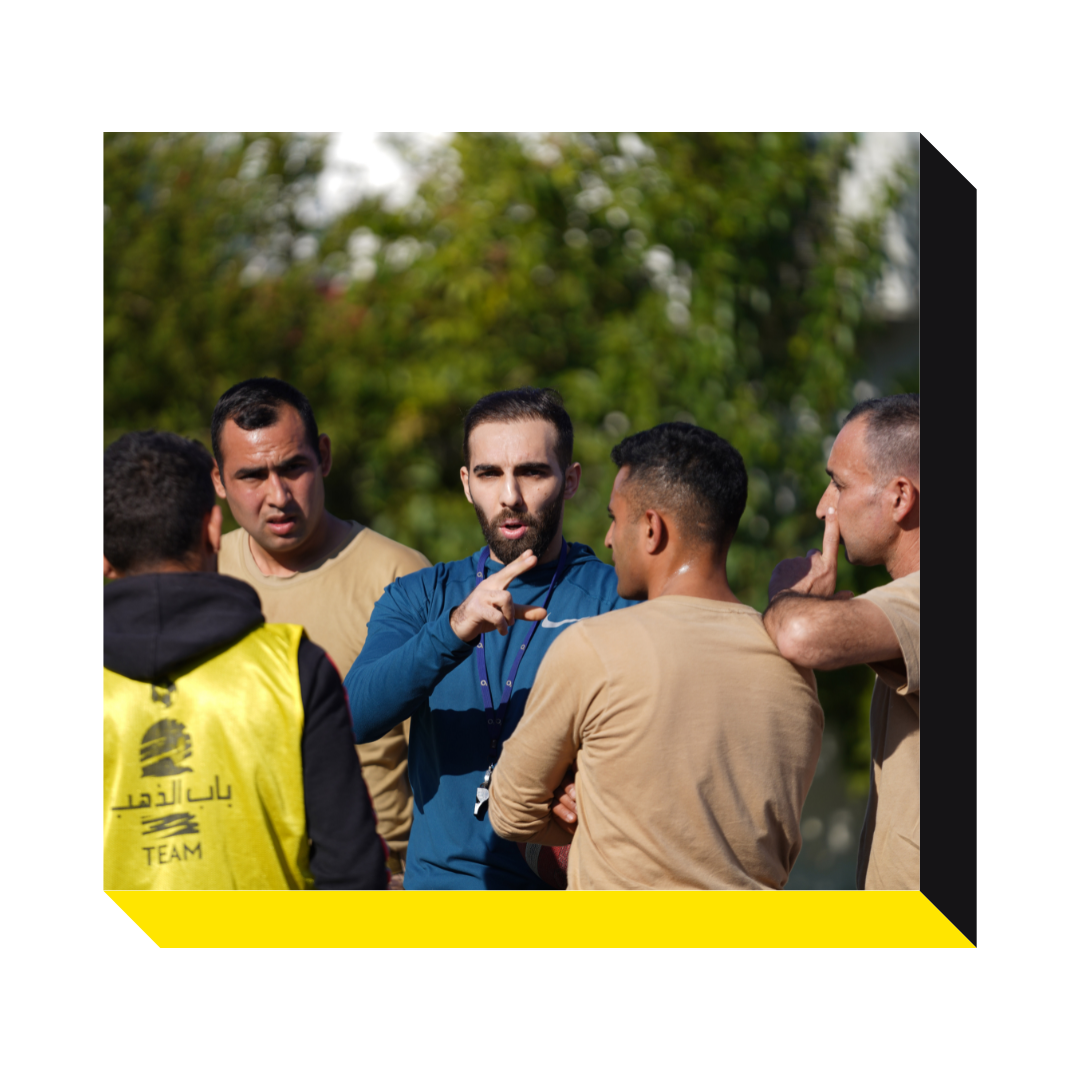
In the realm of humanitarian work and community development, successful collaboration is often the linchpin that holds together transformative initiatives. MARCH has exemplified this spirit of collaboration across multiple sectors. One particularly noteworthy partnership that has borne significant fruit is its ongoing relationship with the Lebanese Armed Forces (LAF). Collaborative Journey with the Lebanese Armed Forces In the realm of humanitarian work and community development, successful collaboration is often the linchpin that holds together transformative initiatives. MARCH has exemplified this spirit of collaboration across multiple sectors. One particularly noteworthy partnership that has borne significant fruit is its ongoing relationship with the Lebanese Armed Forces (LAF). Transformative Activities for Positive Change MARCH’s involvement with the Lebanese Armed Forces extends to a wide range of transformative activities. These include: Football Tournaments: MARCH has brought together youth from Jabal Mohsen and Beb El Tebbeneh, along with members of the Lebanese Army, on the football field. These tournaments aid in improving perceptions towards the Lebanese army and between the communities of the respective neighborhoods. This has brought a positive ripple effect as their communities were the audience of such a unique collaboration away from resentment and towards acceptance and collaboration and all in the aim of reducing tensions in the region. Agricultural Projects: By engaging in agricultural initiatives, MARCH contributes to local sustainability efforts to support the army as these projects are implemented in army camps. Not only does this activity aim to support army facilities but also brings them together to work on a mutual goal. Solar Panel Installations: The installation of solar panels not only promotes sustainable energy for the neighborhood but also showcases the positive outcomes of collaboration between communities and the military in bettering their communities. Community Events: MARCH organizes various community events in the respective neighborhoods, fostering a sense of togetherness and shared purpose. Conflict Transformation Sessions: Team-building and conflict transformation sessions aim to improve perceptions and behaviors among at-risk youth, breaking down barriers and biases.This also creates a sense of trust between the communities that establishes sustainable peace in the region. Building Bridges and Reshaping Perspectives Between Communities and the Army: MARCH’s commitment to consistent partnership and coordination with the Lebanese Army has had a profound impact on reshaping perspectives towards the army’s role in post-conflict scenarios. Through diverse activities and cooperative efforts, MARCH has helped foster a better understanding of the army’s mission and its significance in maintaining stability and security. These activities collectively work to improve the perception and behavior of at-risk youth towards the others, whether they are from conflicting communities or members of the Lebanese Armed Forces. By enhancing psychosocial resilience and fostering positive relationships among former foes, MARCH’s efforts have a ripple effect, extending beyond individuals to benefit entire communities. One of the most striking outcomes of this collaboration has been the constructive dialogues it has facilitated between local communities and army members. These interactions have paved the way for mutual understanding and cooperation, transcending historical divides. Strong and Enduring Partnership MARCH’s collaboration with the Lebanese Armed Forces, particularly the 12th and 2nd brigades responsible for the North area, is built on a longstanding relationship. Over the past seven years, MARCH has undertaken successful activities with the army, which continue to be leveraged for this transformative project. Support extended to target communities by the Lebanese Armed Forces and at-risk youth empowers individuals and creates a positive influence that resonates throughout the region. This empowerment extends to socioeconomic integration by enhancing capacity building and vocational skills among at-risk youth. In conclusion, the partnership between MARCH and the Lebanese Armed Forces serves as a shining example of how collaboration can bring about positive change, bridge divides, and contribute to the well-being and unity of communities. Through their joint efforts, they are not only reshaping perceptions but also forging a path towards a more harmonious and prosperous future for all.
SUPPORTING & STRENGTHENING THE PUBLIC SECTOR
Institutional Resilience and Collaborative Approach: MARCH’s Path to Social Cohesion In the pursuit of a stable and prosperous nation, institutional resilience stands as a cornerstone for both development and social harmony. Establishing a robust governmental infrastructure is vital to ensuring citizens’ access to essential services that contribute to a high quality of life. Yet, when proper governance mechanisms are absent, the resulting socioeconomic disparities can erode the very fabric of societal unity. Recognizing its interconnected role within the broader context, MARCH understands that sustainable change is not a solo contribution, but one rooted in collaboration and cooperation. The organization acknowledges that effecting positive transformation requires partnerships that transcend sectors and ideologies. MARCH is deeply committed to fostering public sector reform through strategic alliances with governmental institutions. Promoting Civil-Military Cooperation The commitment of MARCH to collaboration has been successful across multiple sectors. One noteworthy example is its fruitful partnership with the Lebanese Armed Forces. By maintaining consistent communication and coordination with the Lebanese army, MARCH has contributed to reshaping perspectives towards the army’s approach in post-conflict scenarios. This collaboration has also facilitated constructive dialogues between local communities and army members, paving the way for mutual understanding and cooperation. Activities like football tournaments, installing solar panels, agricultural projects and jointly creation of a military training base by youth from Beb El Tebbeneh and Jabal Mohsen, with army members, have reshaped perceptions and socioeconomic dynamics. Addressing Statelessness: An Impetus for Change MARCH’s collaboration has also been successful in its work in tackling statelessness. After identifying a substantial number of stateless individuals in Tripoli, the second largest city in Lebanon, MARCH took initiative to conduct a comprehensive field study, shedding light on the implications of this issue in several regions in the country. Stateless individuals from Lebanese fathers lack official recognition by the government due to the failure of registering their birth within the legal timeline and ignorance of the legal frameworks. As such they face immense challenges in accessing fundamental services like education, healthcare, and employment. In response, MARCH partnered with Siren Associates to develop an automated system that revolutionized the work of civil status registrars across Lebanon. This system not only promotes transparency and efficiency but also addresses the core issue of statelessness. A Unifying Approach: Building Bridges between Communities and Governmental Institutions MARCH’s efforts showcase the transformative potential of initiatives and these collaborations bridge the divide between government institutions through fostering open dialogue, sharing knowledge, and working together. MARCH’s model illustrates the power of cooperation in creating lasting change portraying that institutional resilience isn’t only about the strength of governmental structures; it’s about recognizing the interconnectedness of all segments of society. Through forging alliances, sharing expertise, and embracing a united approach, MARCH is building a new perception of the community towards the army and governmental and legal institutions away from mistrust and resentment and towards acceptance, tolerance and trust.
MARCH’S LEGAL SUPPORT APPROACH & FIGHT AGAINST LEBANESE STATELESSNESS
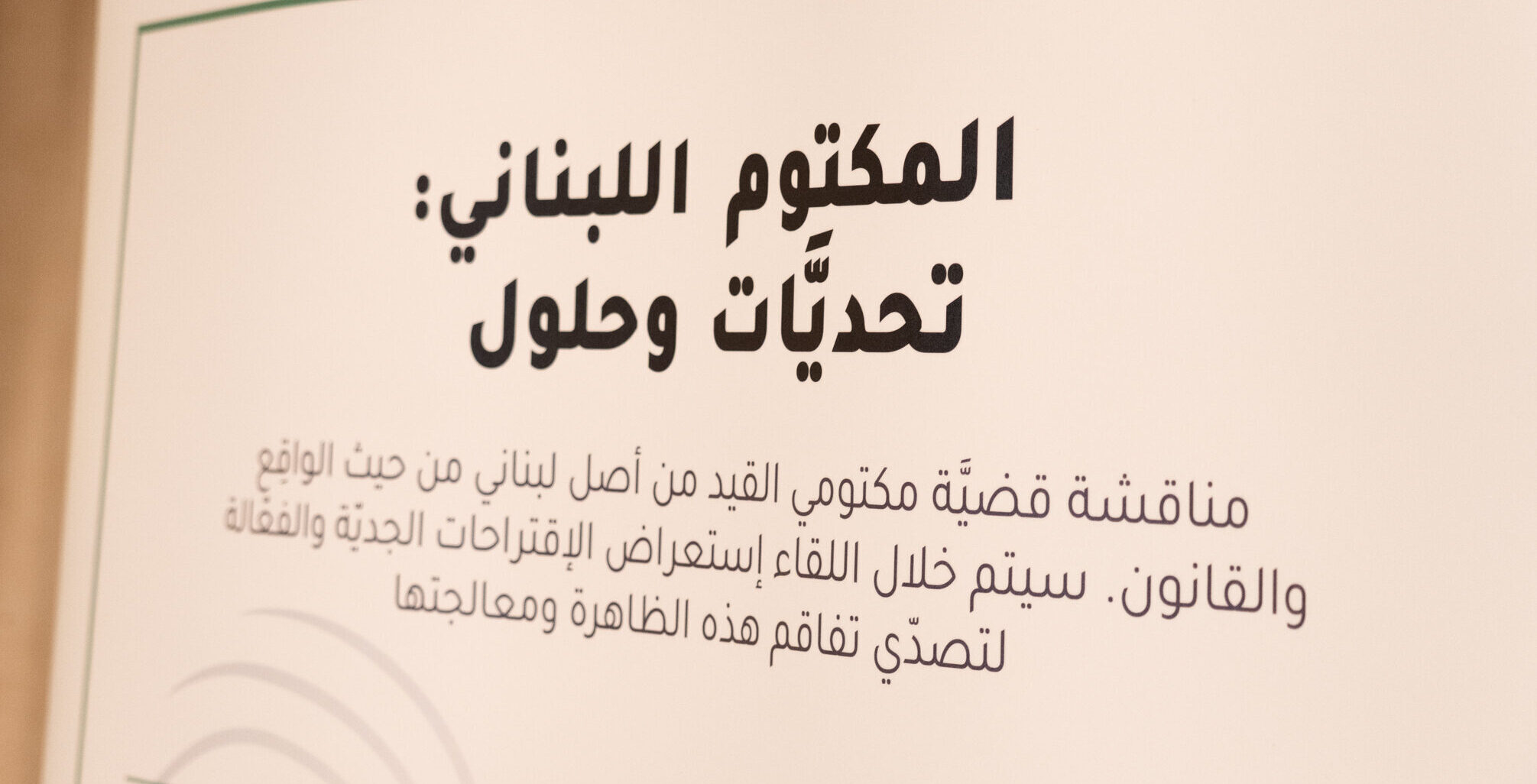
As part of the MARCH mission to promote the resilience of youth within its center and foster a more coherent and sustainable peace-building process, it offers legal support in Tripoli. This support is focused on providing legal services and awareness sessions aimed at addressing the hardships that have deprived young people of their civil rights, freedom of movement, educational opportunities, and even basic rights such as obtaining a passport or applying for a job. Through these legal services, MARCH successfully redirects the trajectory of these young lives away from conflict and seeking identity in extremist groups. By reinstating trust in governmental institutions and legal systems, these youths are less likely to resort to self-protection mechanisms, bear arms, or resort to conflict out of economic disparity. Having said that MARCH’s legal department has embarked on a multifaceted approach: Raising Awareness: MARCH conducts group awareness sessions on various legal topics, such as civil rights and the legal mechanism of birth registration, ensuring that these youths understand their rights and the role of the legal institutions. Providing Counseling Sessions: MARCH provides individualized counseling sessions and personalized guidance for its youth to comprehend their legal conditions and research several case studies. MARCH also extends legal representation for cases that require court intervention. Providing Legal Assistance and Representation: MARCH aids beneficiaries in reintegrating into society and securing their human rights that are governed by local laws and international treaties through assisting and representing the beneficiaries in civil and military courts. Tackling the Dilemma of the Lebanese Statelessness: An Invisible Crisis MARCH’s engagement in Tripoli’s Beb El Tabbaneh and Jabal Mohsen neighborhoods brought to light another pressing issue: Lebanese statelessness. Many of the local youths participating in MARCH’s programs were found to be stateless – individuals from Lebanese fathers who were not registered at birth due to several reasons such as their parents were not able to register them within the legal timeline or their fathers being away due to battles or war and thus, they remain unrecognized by the government. This lack of official documentation severely limits their access to fundamental rights and services, including education, healthcare, and employment, leaving them vulnerable to exploitation such as human trafficking. As part of an initiative to reduce the number of Lebanese unregistered children and combat Lebanese statelessness, March created a comprehensive guide booklet containing legal information and procedures on birth registration. This endeavor seeks to raise awareness and address the issue, especially among individuals born to a Lebanese father but not registered. Concurrently, MARCH’s commitment extends to conducting social media campaigns to elucidate the definition, reasons, statistics, challenges, recommendations, and all aspects related to this phenomenon. These campaigns also aim to distinguish between statelessness in general and Lebanese statelessness. Through a data-driven approach, MARCH recognized the scarcity of reliable data within governmental institutions and initiated a comprehensive field study on statelessness in Tripoli in collaboration with the Siren Association aiming to determine the size of the problem and discern its causes, measure its effects on individuals and their families and determine who is at risk of statelessness, to identify and deploy the adequate projects that can help reduce and prevent this phenomenon as well as protect the Lebanese stateless in Tripoli. This research supported MARCH’s deep-rooted trust in the community and led to enlightening findings. These findings were then shared with key entities including the Ministry of Interior and Municipalities and the Ministry of Justice, to initiate systemic reforms to tackle the issue of statelessness. MARCH developed an automated system for the personal status departments of the Ministry of Interior that would help facilitate bureaucratic processes related to nationalization and registration. The installed and configured server operates as an automated workflow for personal status, allowing monitoring procedures and requests, their status, and duration, and retrieving copies of supporting documents. This innovative system guarantees the prevention of any loss, delay, oversight, or neglect of files, and will alleviate the bureaucratic deadlock that has caused many challenges in the registration process. MARCH is working on a draft law in collaboration with the General Directorate of Personal Status at the Ministry of Interior and Municipalities to streamline the registration of Lebanese Stateless individuals born to Lebanese fathers. These efforts resulted in a successful high-level consultative meeting titled “Lebanese Stateless: Challenges and Solutions.” The meeting brought together several Members of Parliament, ambassadors, experts, policymakers, judges, lawyers, and representatives from various local and international organizations to collectively address the Lebanese statelessness issue. Lastly, MARCH’s work stands as a testament to the power of grassroots initiatives in transforming societies. Through legal support and Lebanese statelessness-focused efforts, many beneficiaries, particularly ex-rival fighters, have had their records cleaned, granting them access to their civil rights and the freedom to move freely without constraint at checkpoints, and removing barriers to socio-economic reintegration, especially in the workforce. This transformation has created new opportunities for reintegration into society, empowering them to pursue brighter futures with optimism and confidence. By facilitating their journey towards legal recognition and empowerment, we are paving the way for a more inclusive and equitable society.
Le Figaro – Les bas-fonds de Tripoli s’ouvrent aux visites guidées.
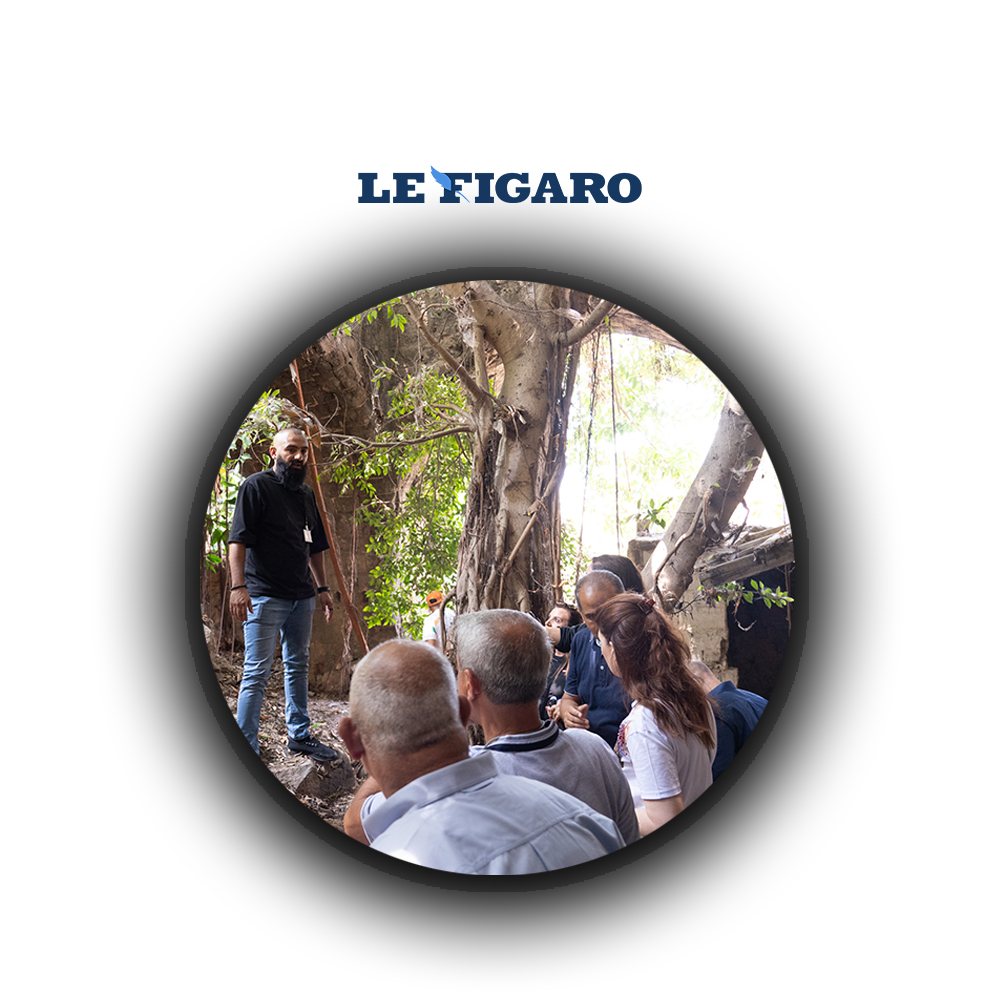
REPORTAGE – Une ONG organise des excursions pour changer leregard sur les quartiers de cette ville libanaise longtemps déchirée parles combats. Tripoli «Vous avez des questions avant qu’on aille sur les lieux des combats?» Ali, 23 ans, barbe de hipster et long short de boxe, est un guide surprenant. Comme son alter ego, Zafer, 38 ans, casquette sur le crâne, la barbichette effilée et un pantalon cargo noir. Ils se sont fait une spécialité d’organiser des visites guidées des quartiers pauvres et malfamés de Tripoli, la grande ville du nord du Liban dont ils sont originaires. Ali est de Jabal Mohsen, un réduit alaouite demeuré fidèle à la famille au pouvoir en Syrie ; Zafer est de Bab Tebbané, un bastion sunnite, par définition hostile à Hafez el-Assad, dont le cœur, après s’être longtemps enflammé pour la gaucherévolutionnaire, a basculé dans l’intégrisme religieux au tournant des années 1980. Ces deux quartiers ont été séparés par une guerre de cinquante ans que ni les affiliations politiques ni les rivalités communautaires n’expliquent à elles seules. La marginalisation ainsi que la pauvreté croissante de ses quelque 100.000 habitants y est aussi pour beaucoup. Dès la fin des années 1960, 90 % de cette population,principalement des migrants venus de l’arrière-pays libano-syrien, appartenait aux classes défavorisées. Peu, parmi les jeunes de plus de 20 ans, avaient reçu une éducation primaire. «Même les gens de Tripoli ont peur de venir», déplore Ali. La dernière grosse bataille est encore, il est vrai, dans toutes les mémoires: en 2014, 200 personnes ont péri dans le labyrinthe de ruelles de Bab Tebbanné, justifiant le surnom de «Kandahar libanaise». Une opportunité de réinsertion Le «Love War Tour» débute par un arrêt à Kahwetna, le café de l’association March, à l’origine de ce circuit hors norme. Installée en 2016 dans la rue de Syrie, qui sert de ligne de démarcation aux camps rivaux, l’ONG cherche à réconcilier les habitants en leur offrant un lieu de rencontre. Pour les anciens combattants, que March prend en outre en charge, c’est l’opportunité d’une possible réinsertion. Quelque 350 sont d’ailleurs passés par ses ateliers. «Beaucoup pensent que trop de sang a coulé entrenos communautés. Je comprends: nous avons tous un proche mort dans les combats. Mais, sans réconciliation, il n’y a pas d’avenir», témoigne un ancien de l’association, employé désormais dans l’atelier de fabrication de meubles que March a ouvert il y a peu. «Quand j’ai commencé ici, moi, l’Alaouite, je n’ai adressé la parole à personne pendant six mois, tant les autres (les sunnites, NDLR) étaient “l’ennemi à abattre”. Aujourd’hui, mes meilleurs copains sont sunnites. Alors, quant à ouvrir nos quartiers aux étrangers, je dis: essayons! Si ça peut casser notre isolement…» Depuis juillet et l’accréditation du ministère du Tourisme, une poignée de touristes ont tenté l’excursion.À l’intérieur de l’estaminet, une majorité d’hommes: certains jouent aux échecs ; d’autres palabrent en sirotant un café. Ahmed (le nom a été changé à sa demande) en fait partie. À 34 ans, ce sunnite de Bab Tebbané est un combattant d’un autre genre: lui a fait la Syrie, engagé à Qseir en 2013, puis, quand cette bataille fut perdue pour les anti-Assad, à Qalamoun. De ces années-là, il ne dira ni ce qu’il a fait, ni ce qu’il a vu. «Rentré au Liban, je me suis terré. Je me baladais avec une ceinture d’explosif en permanence sur moi: je pensais me faire sauter, si l’armée me capturait. C’est un proche qui a eu peur pour moi qui m’a dénoncé. J’ai échoué à Roumié(célèbre prison libanaise où un quartier est réservé aux islamistes, NDLR), pour finalement être relâché dans l’attente de mon procès.» Ahmed a rejoint March il y a deux ans. «Je voudrais que le monde extérieur comprenne notre histoire: notre parole n’est jamais prise en compte», dit ce damné de l’histoire. D’anciennes régions prospères Le tuk-tuk du «Love War Tour» dépasse le check-point de l’armée libanaise à l’entrée de Jabal Mohsen. Pas de militaires en vue: ils lambinent plus haut, profitant de l’ombre d’un bâtiment. Avec ses six passagers, le rickshaw peine à grimper l’ancienne colline où oliviers et orangers balayaient jadis l’horizon. Beaucoup des visiteurs ignorent qu’avant d’être considérés comme un coupe-gorge et un repaire du trafic de drogue Jabal Mohsen comme Bab Tebbané furent des régions prospères, situées idéalement sur la route de la Syrie pour capter une partie du négoce transfrontalier. ÀJabal Mohsen, les vestiges d’un monumental caravansérail et la présence d’un palais déserté attestent de ces splendeurs passées. «On a tapé à toutes les portes pour réhabiliter le caravansérail. Sans succès, et la pluie a eu raison des murs», relève Ali. Le groupe arrive devant un café-narguilé délabré. Pas un client à l’intérieur, mais, tout autour, des voisins qui commentent une récente échauffourée: il y a quelques jours, les armes ont encore parlé. «Un deal qui a mal tourné entre caïds, croit savoir letenancier, un aimable géant qui veille sur les ruines d’une fabrique de savons ottomane accessible depuis son arrière-cour. Pendant les affrontements, les combattants de Bab Tebbané s’y infiltraient pour mieux pénétrer à Jabal Mohsen. «Cela a été une zone de combats meurtriers. Pourtant, aujourd’hui, la vraie question est économique. Les gens me disent: “Au moins, quand on se battait, on était payés. Avec la crise, on n’a plus rien”», rapporte-t-il. À quelques mètres, le vieux sculpteur sur bois ne peut qu’opiner. Dernière échoppe ouverte d’une rue qui en comptait des dizaines, il peaufine son ultime commande: une future crèche de Noël. Après? «Mon métier va disparaître», s’inquiète-t-il. Tandis que parallèlement émergera sans doute une autre configuration de ces favelas rongées par la criminalité: «Plus dure, plus désespérée, la nouvelle génération me fait parfois vraiment peur», confie Léa Baroudi, la fondatrice de March.
EMPOWERING WOMEN
Transforming Communities: Empowering Women through Post-Conflict Peacebuilding In recent years, the humanitarian sector has embraced a gender-sensitive lens: recognizing the importance of women’s active participation in peacebuilding processes, particularly in post-conflict societies. MARCH’s work in Tripoli has been at the forefront of this transformative approach which showcases the power of women’s inclusion in rebuilding efforts and how it leads to stronger, more resilient communities. Recognizing the Crucial Role of Women MARCH acknowledges the importance of women’s equal and active involvement in their rehabilitation and reintegration programs which is vital in defying the concept of alienating women from peacebuilding interventions that in turn weakens the foundation and compromises the stability and sustainability of intercommunal cohesion. The local context in Tripoli demanded a nuanced and intricate approach. MARCH launched a unique reconstruction project in Beb El Tabbaneh and Jabal Mohsen following the severe clashes of 2011. The project involved daily collaborations between men and women from both communities. Their joint efforts focused on renovating buildings and a market place along the former demarcation line that was destroyed by the clashes. This initiative aimed to foster tolerance, respect, and understanding while challenging traditional gender hierarchies. Breaking Stereotypes and Empowering Women During the workshops in Kanyamakan, women challenged the patriarchal perception of their role and became fundamental components of the rebuilding process. They worked alongside men, defying traditional gender norms. Men received on-the-job training in construction, while women were offered graphic design courses. The women designed shop signs and branding materials, demonstrating their creativity and contribution to the project. This collaboration shattered gender barriers and shifted power dynamics. Transforming Women into Actors of Change The inclusion of local women in MARCH’s work empowered them and provided the confidence and support they lacked. By equipping them with the necessary skills and tools, MARCH enabled women to become agents of change. They transformed from passive recipients of aid to active participants in their communities’ development. Through the Beb El Dahab program, women discovered new skills, interests, and hobbies. They even started manufacturing their own products, such as t-shirts and tote bags, generating their own revenue and becoming economic agents in the process. Evolution of Women’s Engagement MARCH’s efforts have had a lasting impact on the lives of women in Beb El Dahab. Their engagement with the organization’s activities continues to evolve and take on various forms. By empowering women, MARCH not only challenged gender inequality but also transformed societal perceptions of men towards fashion design and embroidery. Now, women participants have access to a world of opportunities previously restricted by their gender, leading to a more inclusive and prosperous society. MARCH’s work in the Kanyamakan hub of Beb El Dahab exemplifies the transformative power of women’s inclusion in peacebuilding processes. By empowering women and challenging traditional gender roles, MARCH has helped create resilient and cohesive communities. Their efforts demonstrate the importance of women’s equal and active involvement in rebuilding post-conflict societies, ultimately leading to sustainable peace and progress.
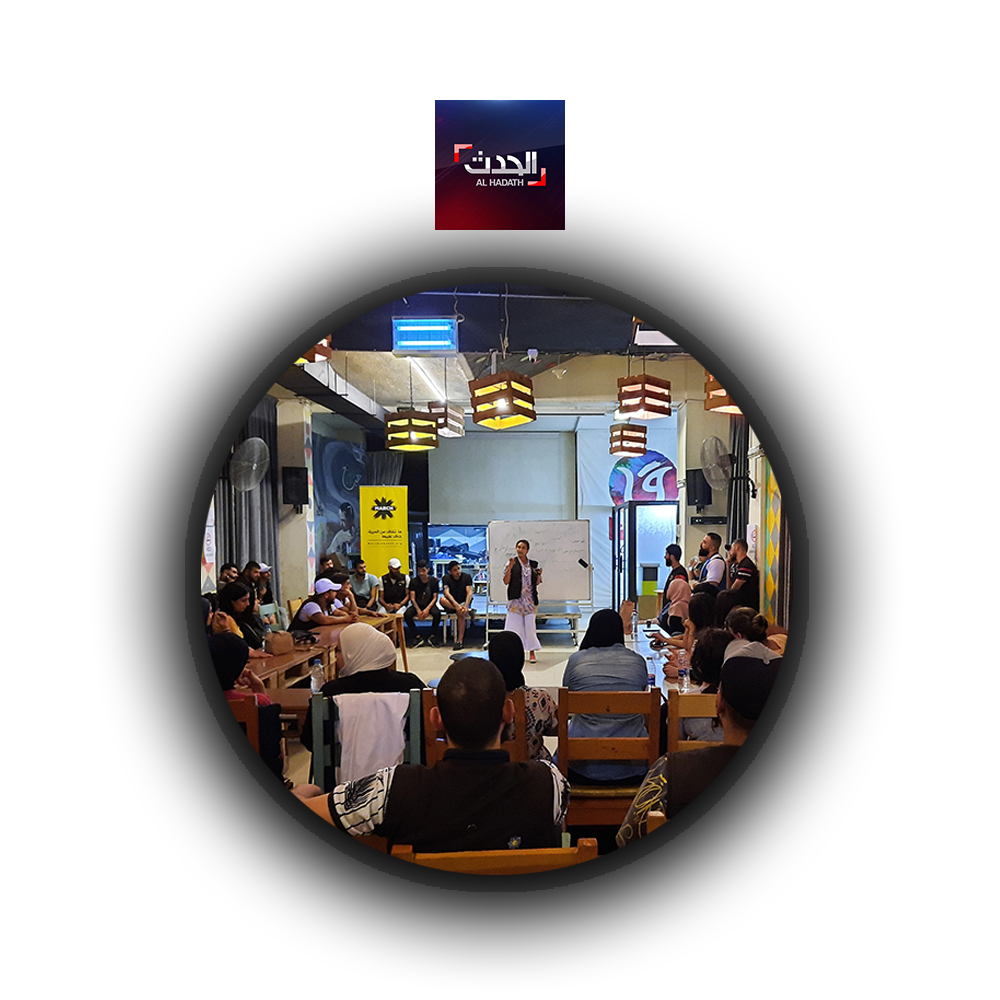
الحدث – أحد متاريس خطوط التماس في طرابلس
في الشارع الفاصل بين باب التبانة وجبل محسن في طرابلس، أحد متاريس خطوط التماس سابقاً، نشأت “قهوتنا” كمساحة تلاق لشباب رفضوا الاقتتال وفاءً للزعماء… ومن أجل مدينة أكثر سلاماً وانفتاحاً، يجلسون معاً، يشربون القهوة، يدرسون، يعملون، يتحدّثون
ECONOMIC SUSTAINABILITY, A PRECONDITION TO STRONG AND RESILIENT COMMUNITIES
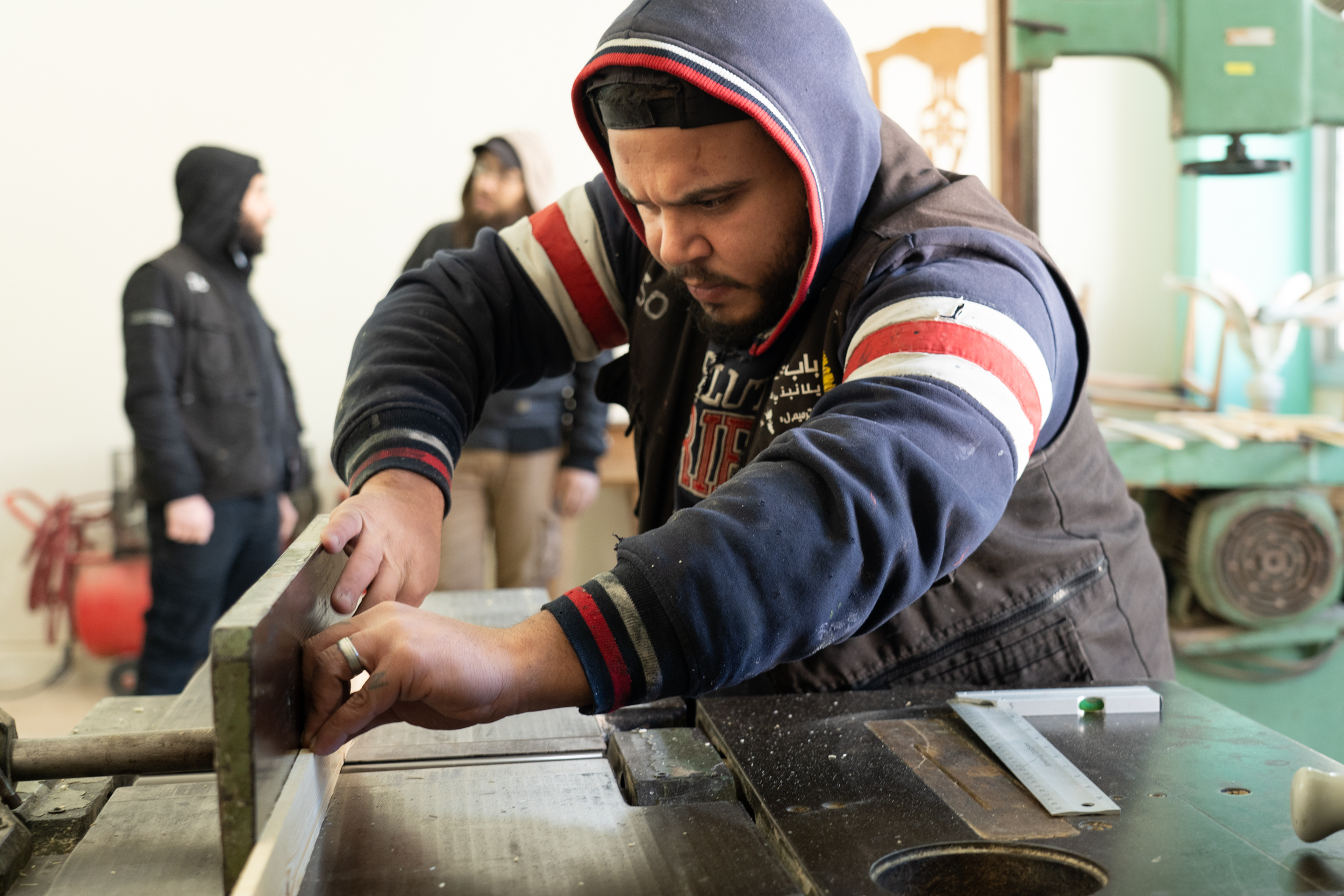
Economic resilience stands as a cornerstone of MARCH’s initiatives, particularly evident in its efforts within Beb El Tabbaneh and Jabal Mohsen. Recognizing that the roots of conflict extended beyond mere ideology, MARCH identified a socioeconomic ecosystem that led to further marginalization of these communities, leaving them lacking opportunities and mired in hopelessness. This was primarily due to their inability to attain formal education and build the skills and capacities required for a profession or a career. Additionally, a significant number of these youths were stateless and/or had unclean records which then constituted drivers of violence and conflict. In response, MARCH’s adopted theory of change focuses on integrating gender-mixed vocational training workshops into its cultural hub Kahwetna. These workshops provide at-risk youth with alternative pathways, fostering professional skills and economic independence. The vocational training workshops are diverse where most are in craftsmanship such as woodwork, sewing, fashion design, digital and hand embroidery, and another vocation in kitchen and moune making. A newly added vocational training in dentistry after realizing the importance of dental care in the area focusing on training youth in the center on becoming dental assistants. The impact of the vocational training became evident as youth gained proficiency in furniture manufacturing, fashion design, mouneh making and others shifting their life trajectories towards sustainable careers. Moreover, these trainings work on challenging traditional gender norms by empowering young men and women to explore diverse vocational fields and work together to achieve economic resilience and empowerment. Witnessing the success of the Beb El Dehab program, MARCH expanded its economic initiatives, establishing sustainable projects such as “BEDCO,” “KAN YA MAKAN,” the “Love and War Tour,” and “Kahwetna.” These initiatives not only created job opportunities but also promoted reconciliation and community development. “BEDCO” facilitated Beirut’s recovery post-blast, engaging youth in SME rehabilitation efforts. On another hand, “KAN YA MAKAN” provides a platform for former fighters and adversaries to create traditional and uniquely crafted items to showcase their stories of peace and resilience. The “Love and War Tour” highlights their unity along former demarcation lines as they showcase the history of the region, while “Kahwetna Café” emerges as a cultural hub, where the youth serve coffee and welcome visitors and serve as a symbol of unity. Moreover, MARCH forged partnerships with private sector entities to ensure sustained support beyond its program through collaborating with companies like Café Najjar and Bokja Design Studios which provided employment opportunities for a significant number of the youth. Through these multifaceted efforts, MARCH recognized that fostering economic resilience and social inclusion offered a viable alternative to sectarian narratives. By providing stability, security, and purpose, MARCH empowered youth to break free from cycles of violence, contributing to a more prosperous and inclusive society.
Promoting Freedom of Expression: The Challenging Censorship Program
In the year 2020, the Challenging Censorship program was launched by MARCH with a mission to combat censorship practices and promote freedom of expression in Lebanon. The program aims to empower youth in Tripoli and Beirut through capacity building and knowledge-sharing. With some activists leaving the country, the Challenging Censorship program reevaluated its approach from focusing on activists into focusing on grass-root activities and decided to restructure its network to include youth. By empowering young people to be active agents of change, the program aims to foster positive dialogue and reject differences in opinion. Empowering Youth through Workshops and Training: To achieve its objectives, the program organized multidisciplinary interactive workshops on mediation, conflict prevention, team building, and communication skills related to freedom of expression. These workshops aim to equip youth with the necessary tools to engage in constructive conversations, accept diverse opinions, and promote a bottom-up approach to enacting change. Expanding Reach and Achievements: Throughout the years 2020 to 2023, the Challenging Censorship program successfully expanded its network to include youth members mainly from Tripoli. It conducted capacity-building sessions and workshops, aimed at empowering young participants to raise awareness about freedom of expression and censorship in their communities. The program also strengthened its digital presence on social media and the MARCH website, reaching a broader audience. The Power of Dialogue and Acceptance: One of the most profound achievements of the program was the positive impact it had on the participants. One youth member expressed, “I never thought I could have a constructive conversation with someone who disagrees with me. However, after the training, I was eager to listen to someone with different opinions rather than fight them.” This transformation of mindset towards acceptance of differences and valuing freedom of expression showcased the program’s success. In conclusion, the Challenging Censorship program in Lebanon has been making significant strides in promoting freedom of expression and fostering positive dialogue among youth. By empowering young participants with knowledge and skills, the program has contributed to a more tolerant and open society that values the right to express oneself freely while respecting others’ opinions. As it continues to expand its reach and influence, the program stands as a testament to the power of dialogue in breaking down barriers and promoting a culture of acceptance in Lebanon.
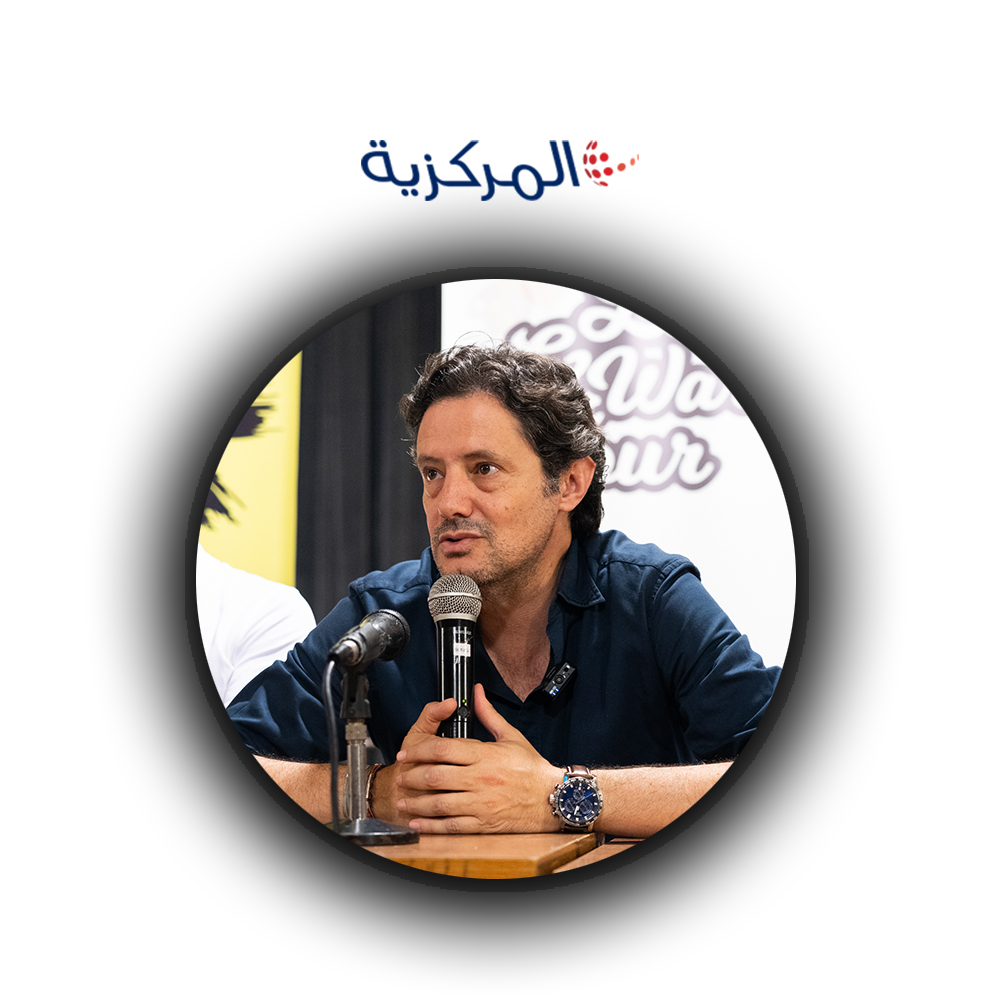
المركزية – المكاري جال في ورش جمعية “مارش” – طرابلس
زار وزير الإعلام في حكومة تصريف الأعمال المهندس زياد المكاري، مركز “قهوتنا” التابع لجمعية “مارش”، وجال في أقسام المشاريع والورش التي ينفذها، واستمع الى المشرفين والمتطوعين في الورش المختلفة ورحبت رئيسة “مارش” ليا بارودي بالمكاري. وتحدثت عن “معاناة المنطقة نتيجة ما تعرضت له من مفهوم المواجهة، وعما بذل من جهد لإعادة التواصل بين الشباب على أساس مفهوم المودة والتفاهم” ثم عرضت افلام وثائقية عن أعمال “مارش” والتعاون مع الجيش وتحدث المكاري عن “تجربة لبنان مع الحرب والتي لا تقدم للناس إلا الموت والشهداء بلا ثمن حقيقي”. وتطرق الى حقبات مرت بين طرابلس وزغرتا، مشددا على “معرفة الناس بعضها البعض بعد الكثير من المفاهيم غير المجدية، وأنه لا بد من تواصل وتكامل متين عميق دائم ومستمر”. وأسف “لتفشي الجهل المتعدد الأوجه في طرابلس ولتسرب الشباب وهجرتهم نتيجة الواقع” وتطرق الى موعد جلسة الانتخابات الرئاسية الأسبوع المقبل، متوقعا أن تكون “بلا نتيجة، وبالتالي انعكاسات ذلك ستكون غير مفيدة للبلد” وشكر بارودي و”مارش”، مؤكدا أن “السعي المشابه يمكن أن يساهم في البناء وإلغاء منطق الحروب الداخلية الكارثية النتائج”