Tag: Peace Building
حملة تنظيف قلعة طرابلس من الداخل والخارج
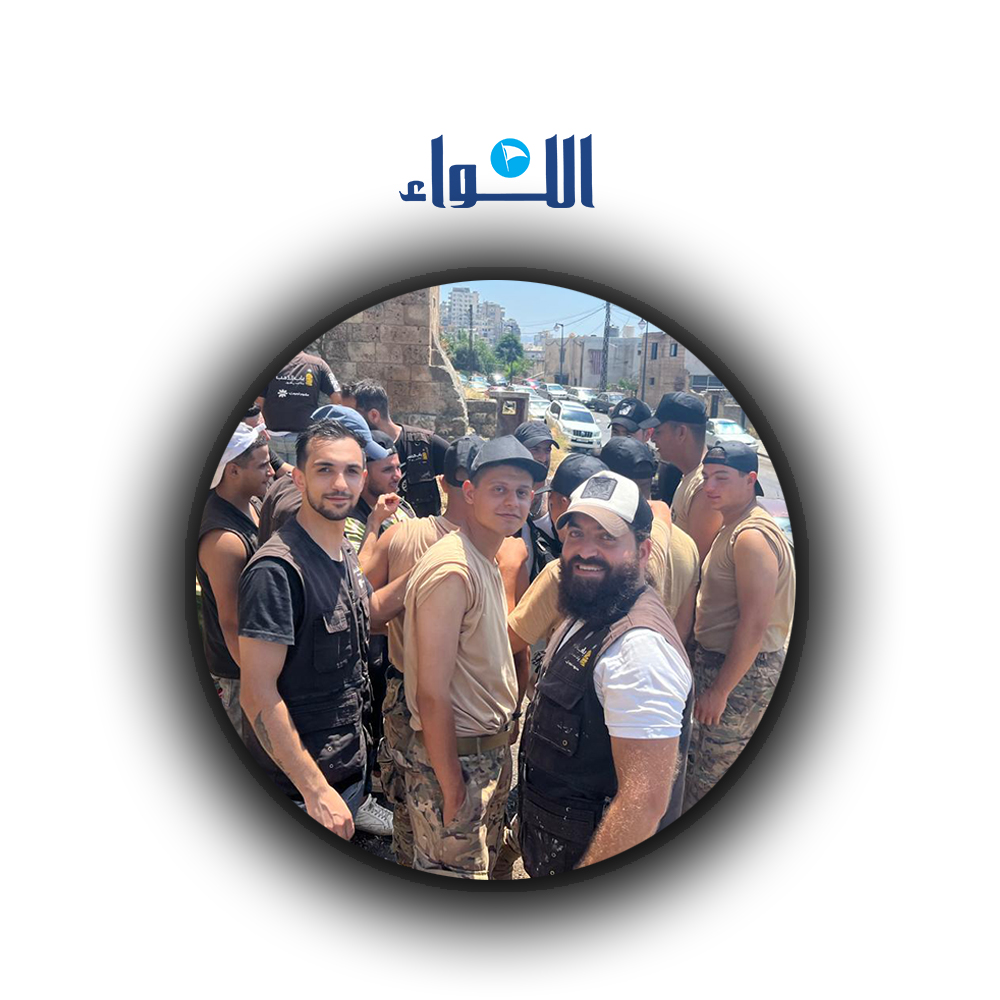
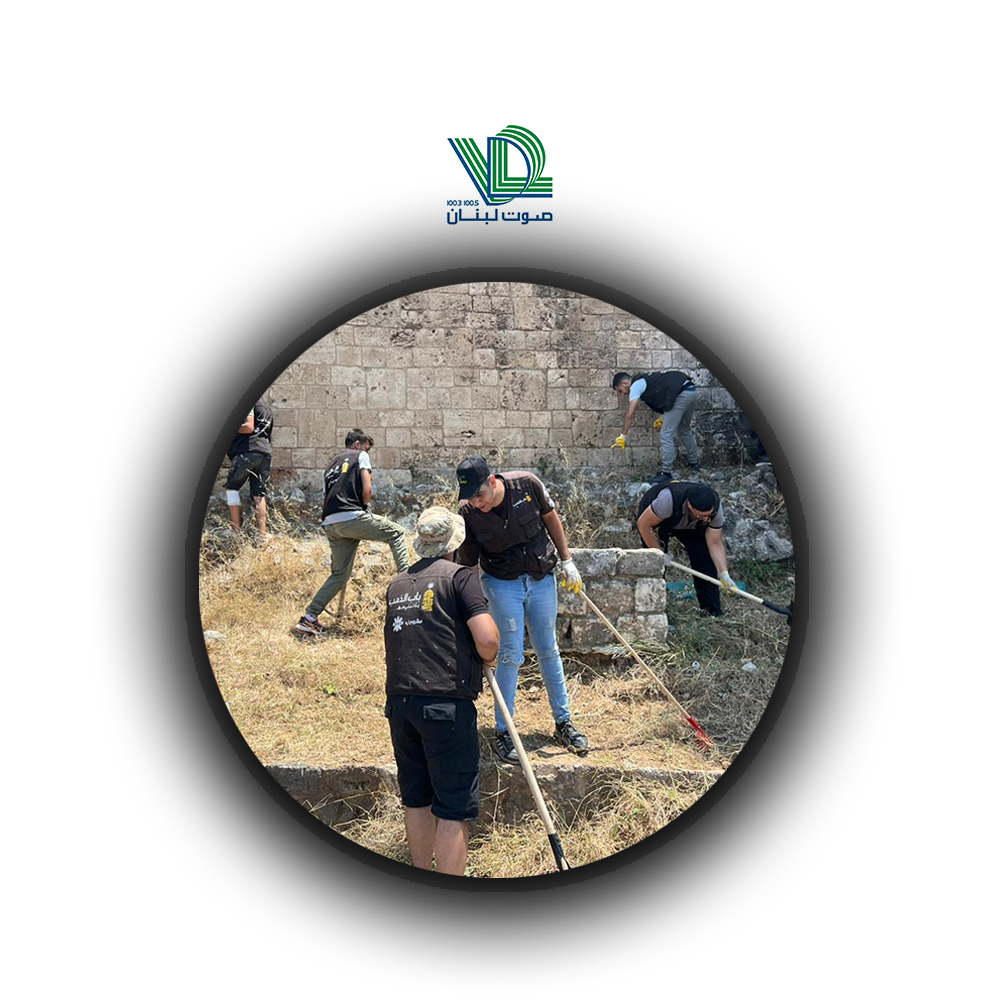
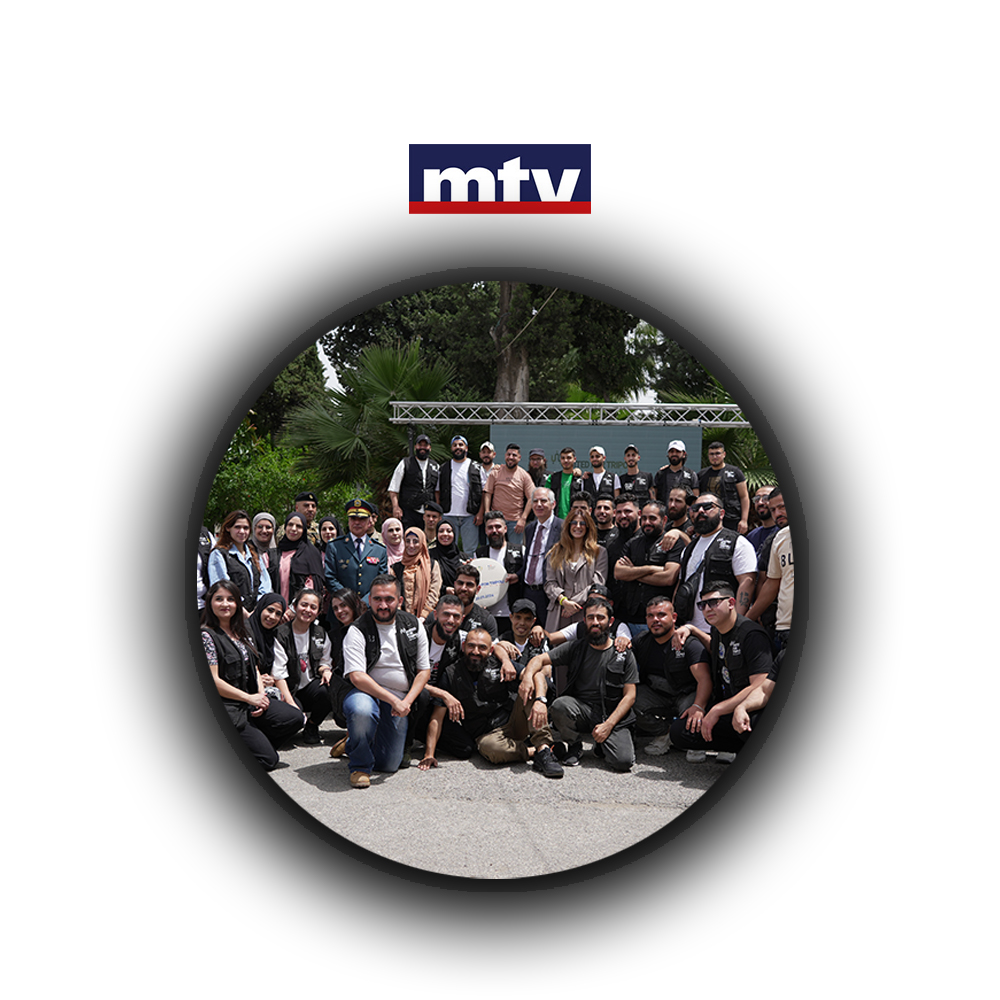
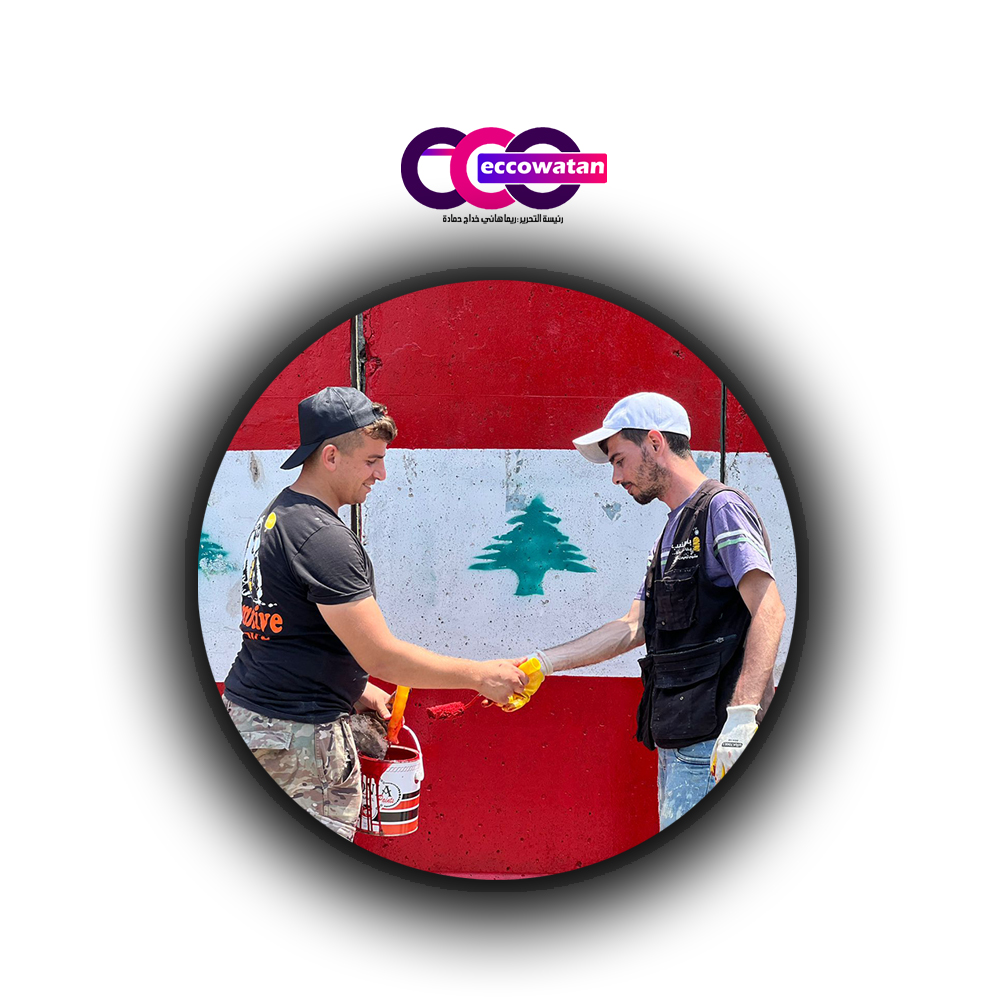
نظمت جمعية مارش بالتعاون مع الجيش اللبناني حملة تنظيف لقلعة طرابلس ضمن إطار فعاليات ” مدينة طرابلس عاصمة للثقافة العربية” ، على أن تشمل حملة التنظيف التي بدأت اليوم وتستمر لمدة أربعة أسابيع ازالة الشوائب عن جدران القلعة من الداخل والخارج وطبعاً يشارك في هذا العمل جهاز الطوارئ والإغاثة وصباحاً وقبل بدء الأعمال كانت كلمة لقائد لواء المشاة الثاني عشر العميد الركن فادي أبو حيدر قال:”نرحب في اليوم الاول من تنظيف القلعة وهو اليوم الاساس لتنسيق العمل بين الجميع نرحب بجمعية “مارش “والتي هي الداعم الاول للمشروع وعلى رأسها العميد يعقوب معوض كما وبفريق العمل، إضافة إلى فريق عمل الهيئة الطبية وهم الذين سيعملون بشكل عام على موضوع تسلق الجدران ونرحب بجهاز الطوارئ والاغاثة وسيكون لهم دوران دور في الاغاثة والدور في عمليه التنظيف بمساعدة فوج التدخل الاول بغية ازالة الاعشاب عن الجدران ، إلى جانب تقديم الإسعافات الاولية اذا لا قدر الله وأصيب احد العاملينوتابع:”كقائد لواء الثاني عشر نعمل ضمن أرضنا ولدينا امر السريه مئتان واثنان وثلاثون، لقد قسمنا القلعة الى عده أقسام ، والخريطة تظهر كيفية العمل ضمن الرقم واحد أي جدران القلعة، الرقم اثنان داخل القلعة والاسبوع الثالث والرابع سنعمل على الجدران، وبالطبع سنتناول كل قسم ونتابعه خلال العمل الذي سيمتد على أربعة أسابيع قائد فوج التدخل الأول العميد الركن جورج رزق الله قال:” بالطبع هذا الموضوع في غاية الأهمية خصوصا ضمن اطار اعلان مدينة طرابلس مدينة ثقافية للعام 2024، وكفوج تدخل اول سيكون لنا عمل على الجدران بالتعاون مع جهاز الطوارئ، وسوف ننجز هذا المشروع بأفضل طريقة ونحرص على ان تكون قلعة طرابلس منارة للعالم كله ابراهيم زيلع امين مركز طرابلس في جهاز الطوارئ والاغاثة قال:” وجودنا لمساعدة فرق الجيش ضمن فريق الانقاذ الجبلي، وفي الشق الثاني نحن على جهوزية تامة لوضع خيمتين لمواكبة أعمال الشباب، وهناك سيارات إسعاف لمواكبة أي طارئ وعن جمعية مارش تحدث العميد المتقاعد يعقوب معوض فقال:”سابقا كنت اخدم في مدينة طرابلس كقائد اللواء الثاني عشر ، وبقيت قائداً لهذا اللواء من ال 2017 لل 2019 وخلالها عايشت تفاصيل مدينة طرابلس ومشاكلها واحداثها وكنت دائما أسمع أصوات في طرابلس، أينما كنا في بلدية طرابلس او عند مسؤولين ، لديهم نظرة خاطئة ان الجيش موجود في القلعة وفي ملعب الاولمبي ولكن اقول ان هذا الشيء غير صحيح وهو ظالم بحق الجيش الذي يحمي القلعة ، اليوم وضمن اعلان مدينة طرابلس عاصمه للثقافة العربية للعام 2024 احببنا ان نقوم بشيء مهم ولم نجد أهم من قلعتها وتنظيفها وترميمها وأن نزيل الضرر عنها وردا على سؤال أجاب :”قلعه طرابلس تشكل رمزاً كبيراً لدى الأهالي فهي تعود الى عهد الفاطميين وهي بمثابة إرث ثقافي وتنظيفها اليوم يساعد في إطالة عمرها لأن الحشيش والأعشاب يؤديان الى زعزعه الصخور والجدران وتماسكها ونحن ضمن الامكانيات المتوفره نعمل على ازاله الضرر عن قلعه طرابلس ونحافظ على تماسكها وعندما تصبح اداره الدوله قادره تستطيع ان تعمل الشيء اللازم وردا على سؤال حول من المسؤول عن إهمالها قال:” الجميع مسؤول عن حماية الارث الثقافي وحتى وسائل الاعلام التي لا تضيء على أي حدث مهم في طرابلس فقط المشاكل الأمنية تستحوذ على إهتمامها حتى المواطن ولكن اهتمامه اليوم يتلخص بتأمين لقمة عيشه ، لكن يجب أن نهتم لأن هذا هو بترول لبنان وسياحته ومستقبلهوعن الإنارة قال:” سنعمل على إضاءتها وهناك مولد خاص بها تابع للبلدية وقد يكون هناك تعاقد وتعاون مع أصحاب المولدات الخاصة نتمنى أن يكون لقلعة طرابلس دور هام في المستقبل
حملة تنظيف قلعة طرابلس من الداخل والخارج
تعاون مشترك بين جمعية مارش والجيش اللبناني نظمت جمعية مارش بالتعاون مع الجيش اللبناني حملة تنظيف لقلعة طرابلس ضمن إطار فعاليات ” مدينة طرابلس عاصمة للثقافة العربية” ، على أن تشمل حملة التنظيف التي بدأت اليوم وتستمر لمدة أربعة أسابيع ازالة الشوائب عن جدران القلعة من الداخل والخارج وطبعاً يشارك في هذا العمل جهاز الطوارئ والإغاثة العميد أبو حيدر وصباحاً وقبل بدء الأعمال كانت كلمة لقائد لواء المشاة 12 العميد الركن فادي أبو حيدر قال:”نرحب في اليوم الاول من تنظيف القلعه وهو اليوم الاساس لتنسيق العمل بين الجميع نرحب بجمعيه “مارش “والتي هي الداعم الاول للمشروع وعلى رأسها العميد يعقوب معوض كما وبفريق العمل، إضافة إلى فريق عمل الهيئه الطبيه وهم الذين سيعملون بشكل عام على موضوع تسلق الجدران ونرحب بجهاز الطوارئ والاغاثه وسيكون لهم دورين دور في الاغاثه والدور في عمليه التنظيف بمساعده فوج التدخل الاول بغية ازاله الاعشاب عن الجدران ، إلى جانب تقديم الإسعافات الاوليه اذا لا قدر الله وأصيب احد العاملين وتابع:”كقائد لواء 12 نعمل ضمن أرضنا ولدينا امر السريه 232 ، لقد قسمنا القلعة الى عده أقسام ، والخريطة تظهر كيفية العمل ضمن الرقم واحد أي جدران القلعه، الرقم 2 داخل القلعه والاسبوع الثالث والرابع سنعمل على الجدران، وبالطبع سنتناول كل قسم ونتابعه خلال العمل الذي سيمتد على أربعة أسابيع العميد رزق الله قائد فوج التدخل الأول العميد الركن جورج رزق الله قال:” بالطبع هذا الموضوع في غاية الأهمية خصوصا ضمن اطار اعلان مدينه طرابلس مدينه ثقافيه للعام 2024، وكفوج تدخل اول سيكون لنا عمل على الجدران بالتعاون مع جهاز الطوارئ، وسوف ننجز هذا المشروع بأفضل طريقة ونحرص على تكون قلعة طرابلس منارة للعالم كله زيلع ابراهيم زيلع امين مركز طرابلس في جهاز الطوارئ والاغاثة قال:” وجودنا لمساعدة فرق الجيش ضمن فريق الانقاذ الجبلي، وفي الشق الثاني نحن على جهوزية تامة لوضع خيمتين لمواكبة أعمال الشباب، وهناك سيارات إسعاف لمواكبة أي طارئ العميد معوض وعن جمعية مارش تحدث العميد المتقاعد يعقوب معوض فقال:”سابقا كنت اخدم في مدينه طرابلس كقائد اللواء الثاني عشر ، وبقيت قائداً لهذا اللواء من ال 2017 لل 2019 وخلالها عايشت تفاصيل مدينه طرابلس ومشاكلها واحداثها وكنت دائما أسمع أصوات في طرابلس، أينما كنا في بلديه طرابلس او عند مسؤولين ، لديهم نظره خاطئه ان الجيش موجود في القلعه وفي ملعب الاولمبي ولكن اقول ان هذا الشيء غير صحيح وهو ظالم بحق الجيش الذي يحمي القلعه ، اليوم وضمن اعلان مدينه طرابلس عاصمه للثقافه العربيه للعام 2024 احببنا ان نقوم بشيء مهم ولم نجد أهم من قلعتها وتنظيفها وترميمها وأن نزيل الضرر عنها وردا على سؤال أجاب :”قلعه طرابلس تشكل رمزاً كبيراً لدى الأهالي فهي تعود الى عهد الفاطميين وهي بمثابة إرث ثقافي وتنظيفها اليوم يساعد في إطالة عمرها لأن الحشيش والأعشاب يؤديان الى زعزعه الصخور والجدران وتماسكها ونحن ضمن الامكانيات المتوفره نعمل على ازاله الضرر عن قلعه طرابلس ونحافظ على تماسكها وعندما تصبح اداره الدوله قادره تستطيع ان تعمل الشيء اللازم وردا على سؤال حول من المسؤول عن إهمالها قال:” الجميع مسؤول عن حماية الارث الثقافي وحتى وسائل الاعلام التي لا تضيء على أي حدث مهم في طرابلس فقط المشاكل الأمنية تستحوذ على إهتمامها حتى المواطن ولكن اهتمامه اليوم يتلخص بتأمين لقمة عيشه ، لكن يجب أن نهتم لأن هذا هو بترول لبنان وسياحته ومستقبله وعن الإنارة قال: سنعمل على إضاءتها وهناك مولد خاص بها تابع للبلدية وقد يكون هناك تعاقد وتعاون مع أصحاب المولدات الخاصة نتمنى أن يكون لقلعة طرابلس دورا هاماً في المستقبل
إطلاق حملة لتنظيف قلعة طرابلس
ضمن إطار فعاليات ” طرابلس عاصمة للثقافة العربية” حظيت قلعة طرابلس الأثرية بإهتمام جمعية مارش لجهة إطلاق حملة لتنظيفها وإزالة الحشائش من داخلها وتلك التي نمت على جدرانها بهدف الحفاظ ورفع الضرر عنها، العمل يأتي بالتعاون مع الجيش اللبناني ويستمر أربعة أسابيع ومن داخل القلعة بدأت الأعمال صباح اليوم حيث شرح قائد لواء المشاة 12 العميد الركن فادي أبو حيدر كيفية تقسيم القلعة قائد فوج التدخل الأول العميد الركن جورج رزق الله أكد على ضرورة أن تلعب القلعة دورها كمنارة لطرابلس وعن جمعية مارش تحدث العميد المتقاعد يعقوب معوض لصوت لبنان طبعاً أعمال التنظيف والإضاءة في غاية الأهمية بالنسبة لقلعة طرابلس لكن الإهتمام الدائم والعمل على دعمها المتواصل يستوجب تحرك الوزارات والسلطات المعنية وبلدية طرابلس المسؤولة بالدرجة الأولى فهل سيتغير الواقع مع حملة تنظيفها اليوم؟
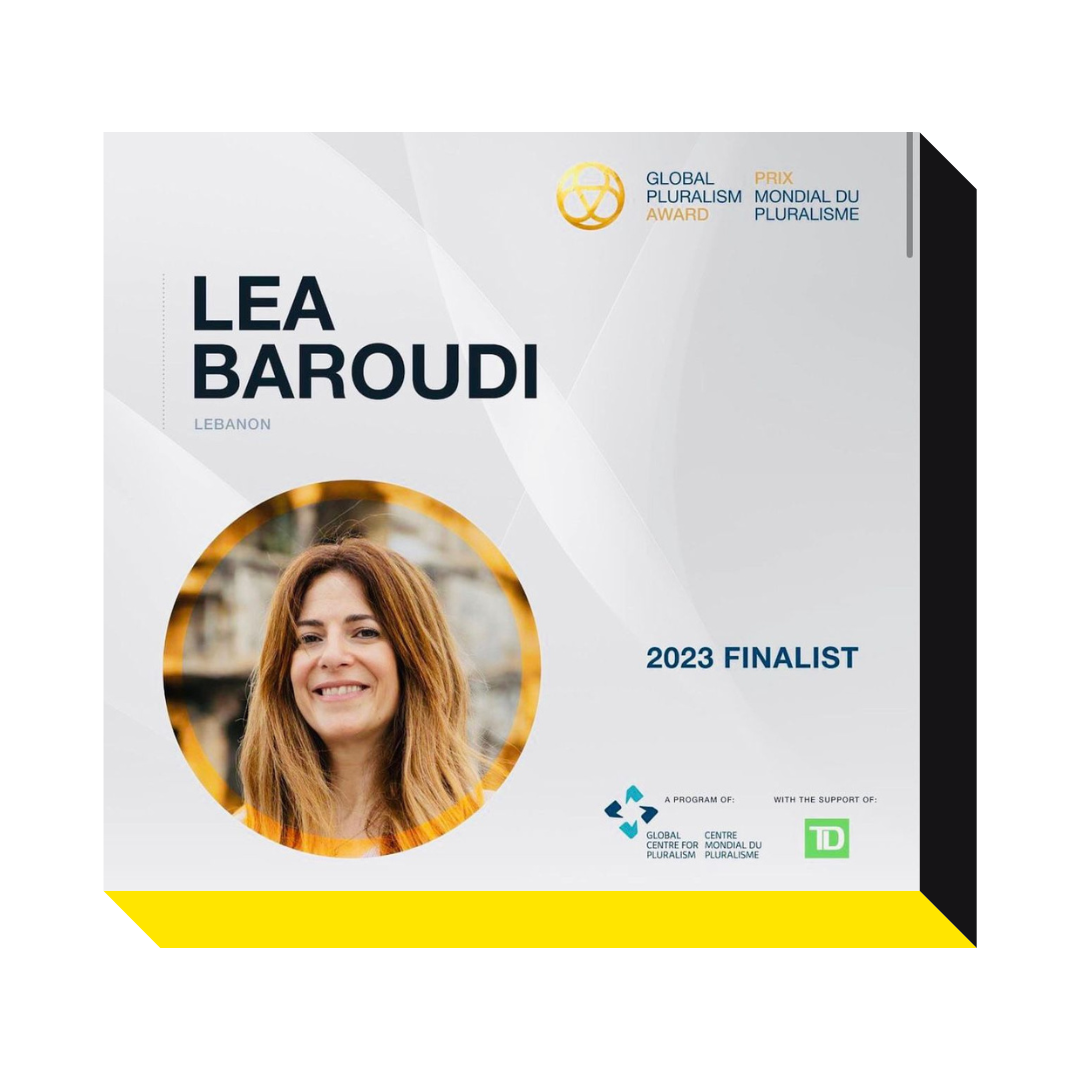
Lea Baroudi selected as one of the Ten Finalist for 2023 Global Pluralism Award
Lea Baroudi, Co-Founder and General Coordinator of MARCH, an organization dedicated to peacebuilding and conflict resolution and youth empowerment in Lebanon, has been selected as one of the ten finalists for the 2023 Global Pluralism Award. The 2023 Global Pluralism Award recognizes the remarkable efforts of Mrs. Baroudi, a passionate peace mediator employing art, culture, education, and development to provide Lebanese youth with a unique opportunity to escape the clutches of violence, extremism and sectarian divides. The Global Pluralism Award is a biennial global award presented to individuals, organizations, governments, and businesses that have demonstrated remarkable and sustained contributions to building societies where diversity is not just embraced but safeguarded. The award is administered by the Global Centre for Pluralism, a charitable organization founded by His Highness the Aga Khan and the Government of Canada. The Centre collaborates with policymakers, educators, and community leaders worldwide to promote and implement the transformative power of pluralism. Mrs. Baroudi’s commendable endeavors through MARCH’s work in peacebuilding and conflict resolution with former fighters and adversaries from the two conflicting communities of Jabal Mohsen and Beb El Tebbeneh who once were a battleground of sectarian clashes. Along with several conflict resolution programs such as building bridges between communities and security institutions, conducting dialogue sessions and conflict transformation workshops, MARCH is also known for its Theatre for Reconciliation program that successfully united and reconciled youth from diverse backgrounds through the medium of theater, notably in Tripoli, Beirut and Akkar. The journey of Theatre for Reconciliation began with the production “Love and War on the Rooftop” in Tripoli which brought together young people from Jabal Mohsen and Beb el Tebbeneh. Through this powerful performance, the youth were able to bridge their differences, forging connections that transcended their cultural and social boundaries. Lea Baroudi’s recognition as a finalist for the 2023 Global Pluralism Award is not just an acknowledgment of her individual efforts, but also a celebration of the transformative impact that organizations like MARCH can have in building a more inclusive and pluralistic world. Her work serves as an inspiration and a reminder that, even in the face of deep-seated divisions, peace, reconciliation, and pluralism are attainable goals when driven by dedicated individuals and organizations like MARCH.
سفير الشمال – أهالي التبانة وجبل محسن في مهرجان ترفيهي مشترك
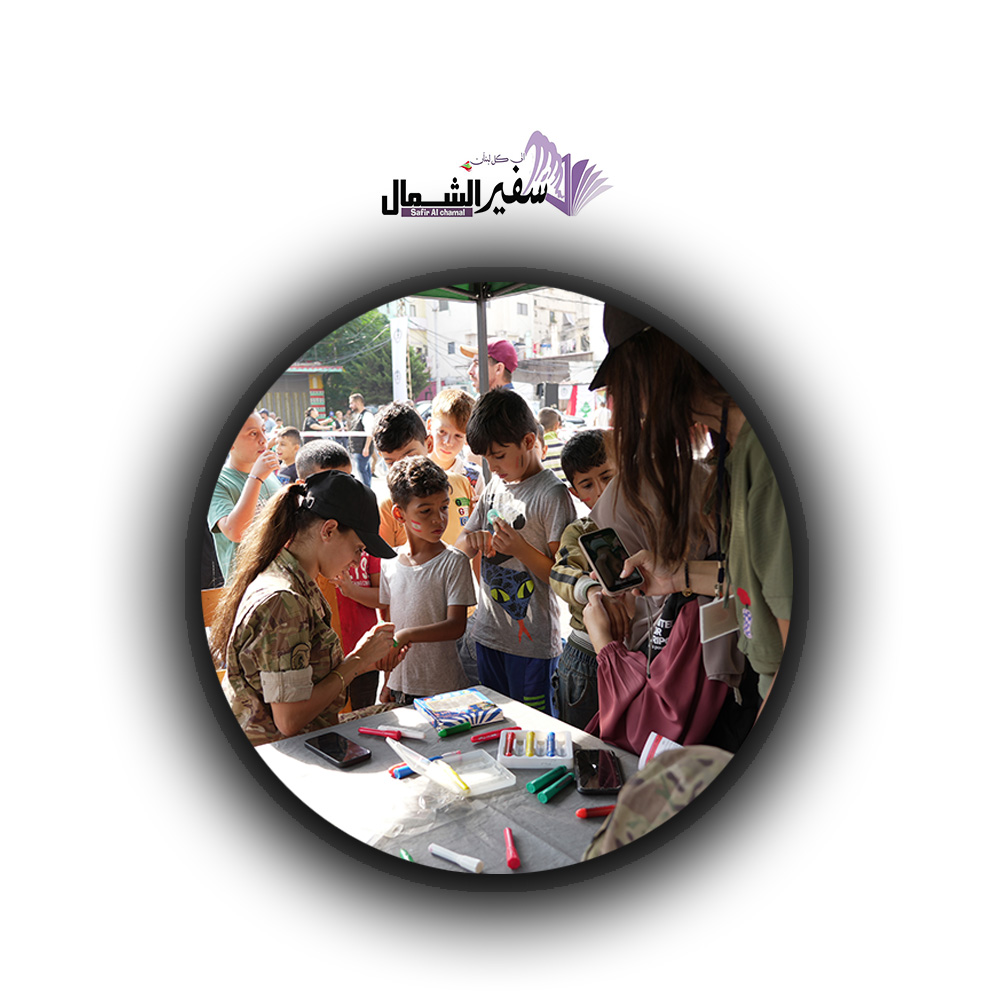
منذ عشر سنوات كان شارع سوريا ” خط تماس” لجولات قتالية إندلعت بين منطقتي باب التبانة وجبل محسن، واليوم شارع سوريا نقطة مهمة لمهرجان ترفيهي ” يلا نفرح سوا” تحت شعار ” متحدون من أجل طرابلس ” اطلقته جمعية مارش بالتعاون مع الجيش اللبناني بهدف دعم الاستقرار بين المنطقتين بحسب ما قالت رئيسة الجمعية ليا بارودي من جهته العميد المتقاعد يعقوب معوض أكد أن أهالي المنطقتين قرروا وقف القتال وهم اليوم ينعمون بالسلام يلا نفرح سوا تضمن عروضات عسكرية ورسم على الوجوه وفقرات غنائية وألعاب ترفيهية للأطفال من المنطقتين
Transformative Collaborations: Building Bridges between Local Communities and Governmental Institutions
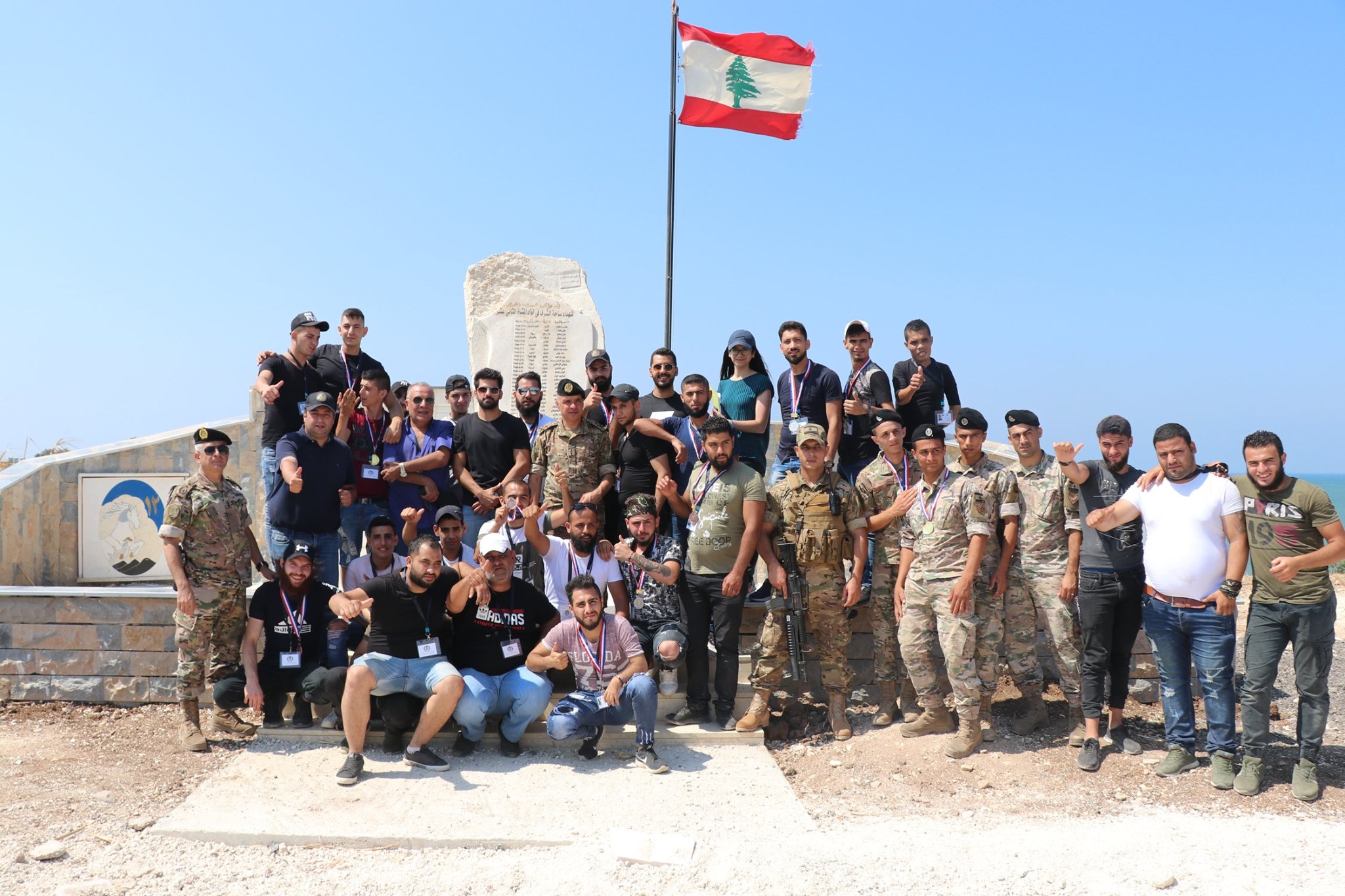
A History of Clashes, Battles, and Resentment The city of Tripoli, Lebanon, has faced its share of challenges, including periods of partial government absence and clashes between the communities of Jabal Mohsen and Bab El Tebbeneh, as well as between these communities and security institutions, notably the Lebanese Armed Forces. During the peak conflicts of 2011, the government’s presence diminished, only to reemerge in 2014 with a new security plan. However, this resurgence came with raids and arrests that left elevated feelings of resentment towards the Lebanese Armed Forces and the state. Consequently, tense relationships developed between the Lebanese Armed Forces and the community, leading to ongoing clashes. MARCHing Forward for Change MARCH recognized that fostering stability and unity required rebuilding trust, respect, understanding, and communication between local communities and the Lebanese army. This vision led to the creation of innovative initiatives aimed at bridging the gap and shifting perceptions away from hatred towards acceptance and tolerance. Sustainable and resilient stability isn’t achieved in isolation; it’s the outcome of collective efforts from diverse stakeholders working together. As such, MARCH strategically collaborated with the public sector, particularly the Lebanese Armed Forces, to reshape perceptions, rebuild trust, and foster unity within a community that has experienced conflict and division. Building Bridges Through Sports One of MARCH’s innovative approaches is football tournaments that bring together youth from historically opposing neighborhoods, Bab El Tebbeneh and Jabal Mohsen, along with members of the Lebanese Army. The participants form mixed teams, fostering teamwork and respect both on and off the field. By promoting trust and collaboration, these activities aim to positively influence individual and community opinions and change the narratives of war and hatred. This approach was previously successful with the biannual three-week-long football tournament. Building Bridges Through Dialogue In May 2019, MARCH organized a two-day army camp that facilitated open dialogues and physical activities between the Bab El Dahab team and the soldiers of Tripoli’s 12th infantry brigade. This retreat delved into past conflicts, encouraged team-building exercises, and provided shared experiences through team-building activities and shared meals. The event proved transformative, fostering mutual respect and a sense of partnership between the two groups. Moreover, an impressive example is the military training base established from the ground up. Young individuals from Bab El Tebbaneh and Jabal Mohsen, some of whom had participated in MARCH’s rehabilitative programs, teamed up with the Lebanese Army. This initiative involved constructing various elements of the facility, while dynamic ice-breaking activities focused on teamwork and interpersonal dynamics. Through daily cooperation and a shared goal, tensions dissipated, and a foundation for unity and inclusion was solidified. Building Bridges through Construction and Agriculture The civil-military cooperation activities were numerous and successful throughout the years. They brought the youth closer to military institutions and enabled them to learn various construction skills, from plastering to painting to electricity, along with the construction of solar panels in the army camps to produce sustainable energy for the camp. One of the initiatives also included an agricultural project in Araman Barracks in Tripoli. Youth who had once taken part in clashes in the area joined forces with the Lebanese Army to plant several lands in the camp and install greenhouses to benefit the army. In conclusion, MARCH’s journey exemplifies the transformative power of collaboration. By partnering with the public sector, particularly the Lebanese Armed Forces, the organization has succeeded in reshaping perceptions, forging communication, and building a stronger community. The initiatives, from sports tournaments to collaborative construction projects, highlight MARCH’s achievements in promoting unity, understanding, and resilience, all achievable through collaborative efforts that transcend divisions and promote progress.
ECONOMIC SUSTAINABILITY, A PRECONDITION TO STRONG AND RESILIENT COMMUNITIES
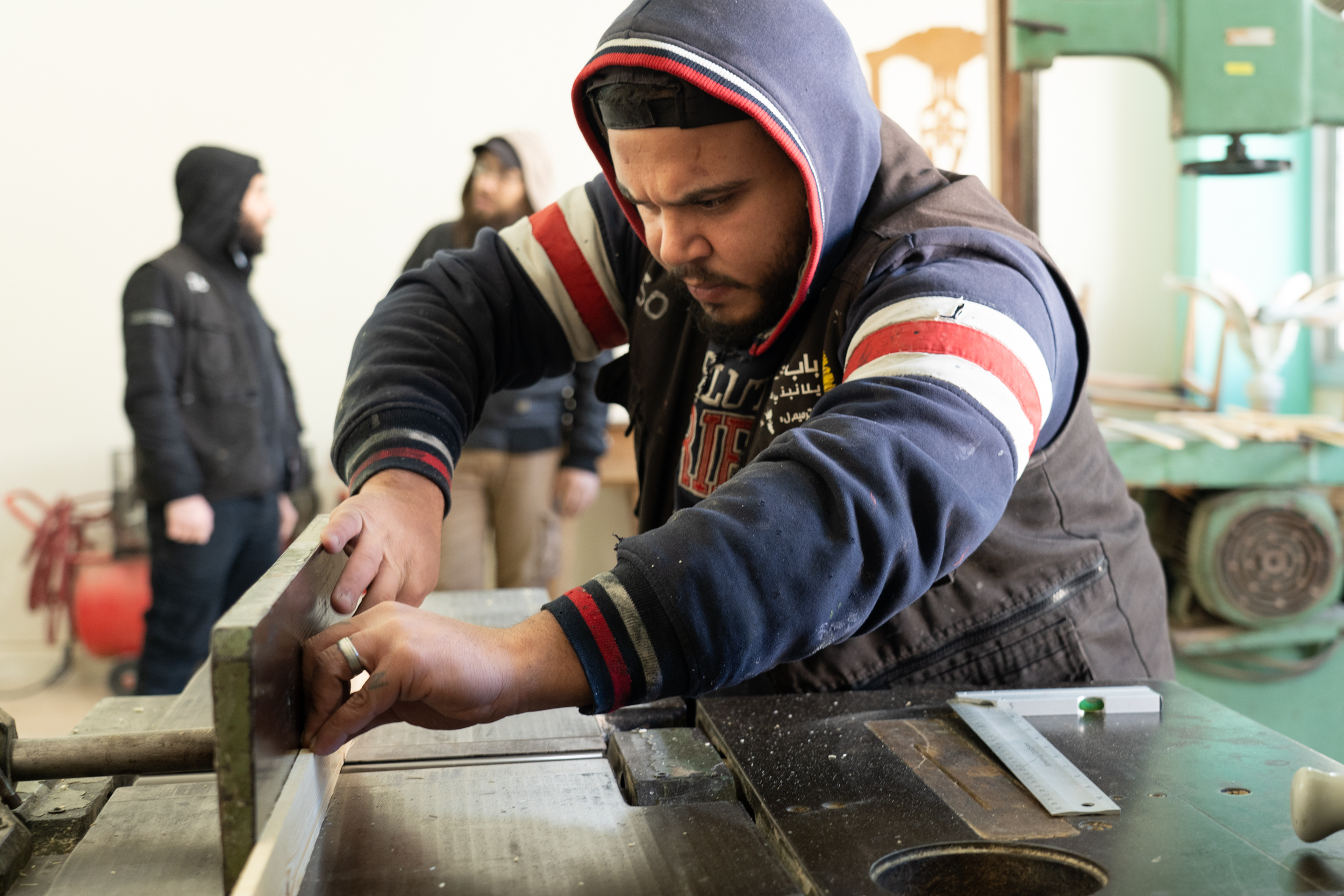
Economic resilience stands as a cornerstone of MARCH’s initiatives, particularly evident in its efforts within Beb El Tabbaneh and Jabal Mohsen. Recognizing that the roots of conflict extended beyond mere ideology, MARCH identified a socioeconomic ecosystem that led to further marginalization of these communities, leaving them lacking opportunities and mired in hopelessness. This was primarily due to their inability to attain formal education and build the skills and capacities required for a profession or a career. Additionally, a significant number of these youths were stateless and/or had unclean records which then constituted drivers of violence and conflict. In response, MARCH’s adopted theory of change focuses on integrating gender-mixed vocational training workshops into its cultural hub Kahwetna. These workshops provide at-risk youth with alternative pathways, fostering professional skills and economic independence. The vocational training workshops are diverse where most are in craftsmanship such as woodwork, sewing, fashion design, digital and hand embroidery, and another vocation in kitchen and moune making. A newly added vocational training in dentistry after realizing the importance of dental care in the area focusing on training youth in the center on becoming dental assistants. The impact of the vocational training became evident as youth gained proficiency in furniture manufacturing, fashion design, mouneh making and others shifting their life trajectories towards sustainable careers. Moreover, these trainings work on challenging traditional gender norms by empowering young men and women to explore diverse vocational fields and work together to achieve economic resilience and empowerment. Witnessing the success of the Beb El Dehab program, MARCH expanded its economic initiatives, establishing sustainable projects such as “BEDCO,” “KAN YA MAKAN,” the “Love and War Tour,” and “Kahwetna.” These initiatives not only created job opportunities but also promoted reconciliation and community development. “BEDCO” facilitated Beirut’s recovery post-blast, engaging youth in SME rehabilitation efforts. On another hand, “KAN YA MAKAN” provides a platform for former fighters and adversaries to create traditional and uniquely crafted items to showcase their stories of peace and resilience. The “Love and War Tour” highlights their unity along former demarcation lines as they showcase the history of the region, while “Kahwetna Café” emerges as a cultural hub, where the youth serve coffee and welcome visitors and serve as a symbol of unity. Moreover, MARCH forged partnerships with private sector entities to ensure sustained support beyond its program through collaborating with companies like Café Najjar and Bokja Design Studios which provided employment opportunities for a significant number of the youth. Through these multifaceted efforts, MARCH recognized that fostering economic resilience and social inclusion offered a viable alternative to sectarian narratives. By providing stability, security, and purpose, MARCH empowered youth to break free from cycles of violence, contributing to a more prosperous and inclusive society.
ALL ABOARD! BUILDING BRIDGES THROUGH CREATING SAFE AND INCLUSIVE PUBLIC SPACES
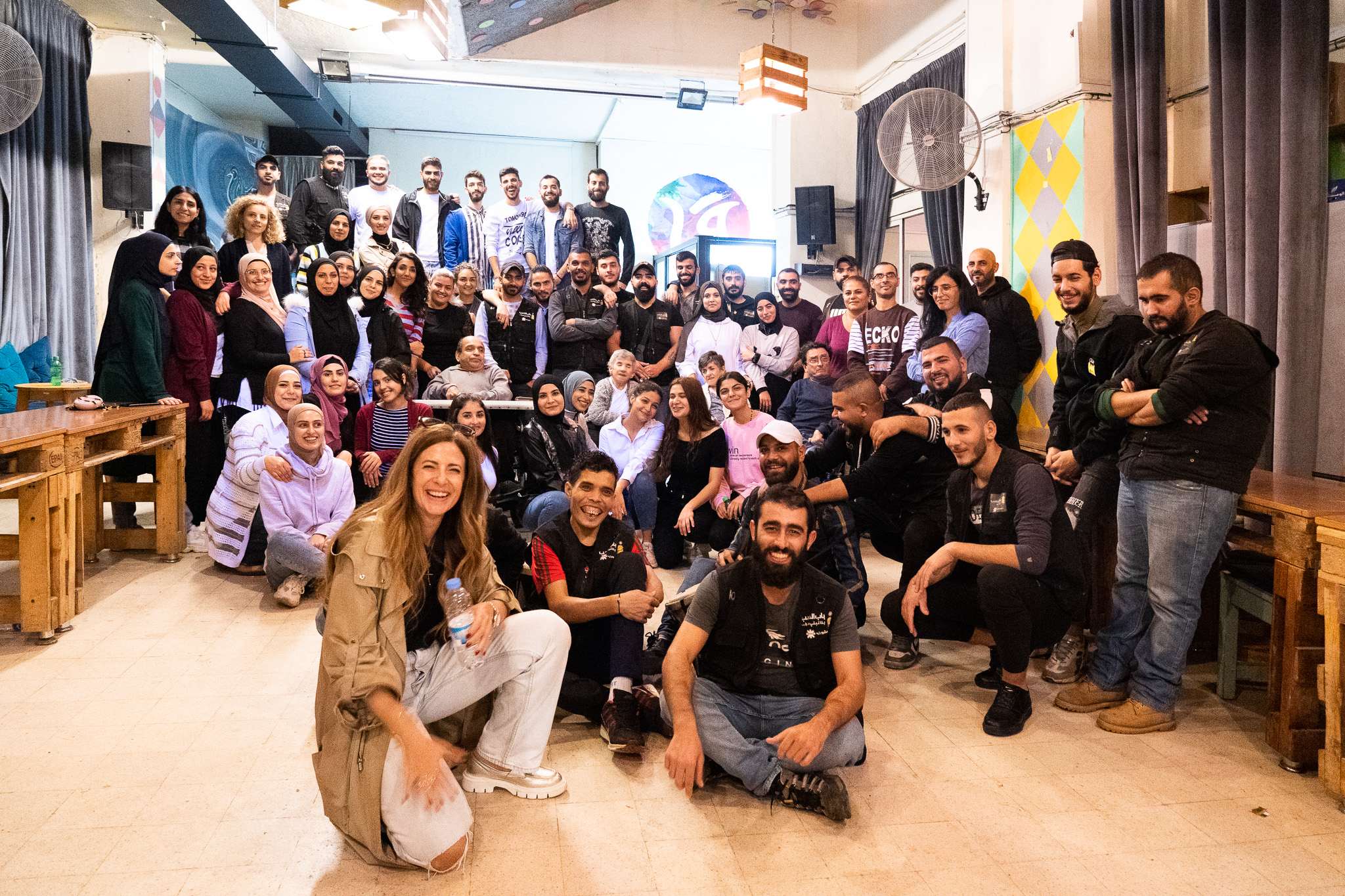
In 2016, MARCH inaugurated Kahwetna, on Syria street, the former demarcation line between Jabal Mohsen and Beb El Tebbeneh of a violent past. Kahwetna serves as a cultural café and hub which brought together former enemies and fighters in the aim of building bridges and friendships and fostering constructive dialogue. Today, Kahwetna has developed into the cradle of our organization’s work in Tripoli and has transformed into a place where participants share stories, meals and experiences. Kahwetna has become a hub for tolerance and understanding and has contributed to the creation of a common identity. By engaging with the young men and women of Beb El Tabbaneh and Jabal Mohsen, our organization recognized the imperative need to create safe and inclusive public spaces within the communities that would give the youth a place to interact away from the toxic dynamics of sectarian divide. MARCH also wanted to build an environment that challenges the patriarchal narrative and allowed women to be seen as equals. From here came the idea of our cultural cafés. Over and above, MARCH realized that the absence of accessible shared spaces had intensified the sharp sectarian dichotomy within these neighborhoods. In 2018, MARCH replicated this experience in Beirut where it opened Hona Beirut, another cultural café strategically placed at the heart of one of the capital’s former demarcation lines. Much like Tripoli, Beirut’s multiculturalism hadn’t always played to its advantage. Traces of the civil war still remained embedded in the city’s infrastructure. Although different in nature, sectarian tensions were also tangible and youth were more often than not confined to their respective environments rarely integrating other communities. Therefore, the organization set out to establish Hona Beirut, an inter-communal hub that offers artistic and recreational facilities in addition to ongoing capacity-building and career-oriented workshops. Hona Beirut has successfully challenged the cross-generational sectarian narrative that had been forcefully ingrained in the city’s youth. Kahwetna and Hona Beirut have been the cornerstone of MARCH’s work in peace-building as they have allowed the youth to claim ownership of their own expression and find a sense of belonging.
HONA BEIRUT: A CULTURE HOT-SPOT IN THE HEART OF BEIRUT
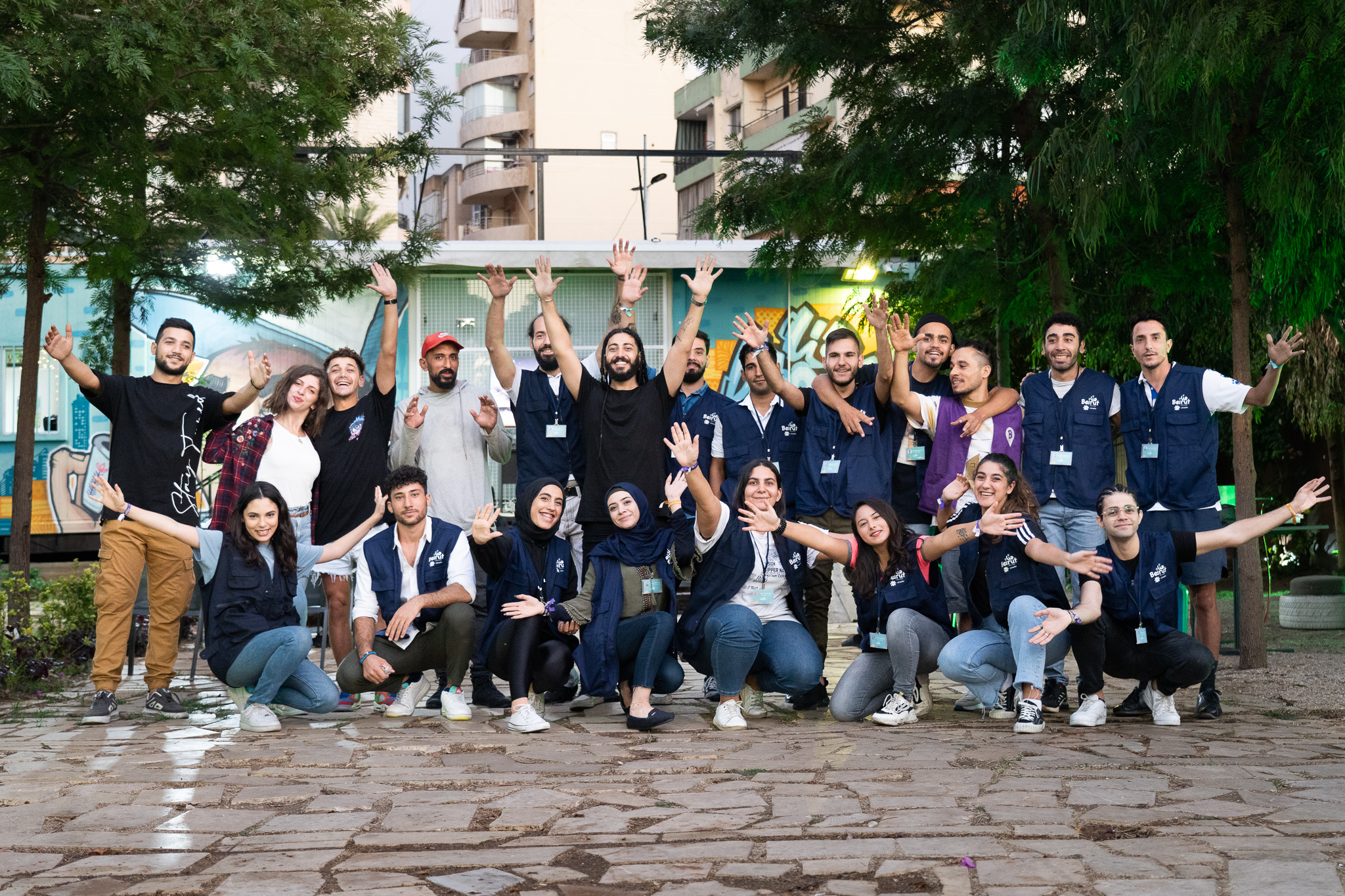
Beirut, the capital of Lebanon, hosts several marginalized communities who lack access to equal and equitable opportunities. This has been the city’s biggest trait for a long time even before the start of the current economic crisis. In addition to the socio-economic inequalities, what characterizes this city is a fissure between the different communities. Most people in Beirut live inside socio-economically and culturally homogenous communities and rarely interact with others from different communities. As such, this has led to a closed mindset towards accepting others from different communal backgrounds. In this regard, MARCH has created a cultural hot-spot that allows youth from different parts of Beirut to join in a common space where they can share experiences and activities. In 2018, the organization launched Hona Beirut, its second cultural café at the intersection of different neighborhoods reflective of the capital’s diversity. The café is now attributed as a few of Beirut’s green public hangout spots. It features a professional recording studio and a modest library. Additionally, it regularly hosts a variety of cultural events such as open mic nights, poetry nights, movie nights etc. designed to bring the community closer together and provide a pedestal for self-expression. As a result, the café has successfully created an unconventional learning network that allows youth to explore their interests and discover new skills. Building bridges at Hona Beirut also takes place through the Football Club where youth from different backgrounds join together on the football field and learn about teamwork, team building and cooperation. Not only being a safe space for youth, Hona Beirut contributes in promoting peacebuilding in the area. At Hona Beirut, youth learn about conflict resolution and negotiation through joining the Debate Club. The Debate Club encourages constructive discussions on several topics that interest them and provides a platform for discussion, negotiation, mediation and conflict resolution techniques. Moreover, Hona Beirut provides an array of free capacity-building workshops and employability workshops to help alleviate the economic disparities and provide vulnerable youth with practical tools that would allow them develop marketable skills and offer them a chance at a better future.