Tag: Rehabilitation
Kanyamakan Designs
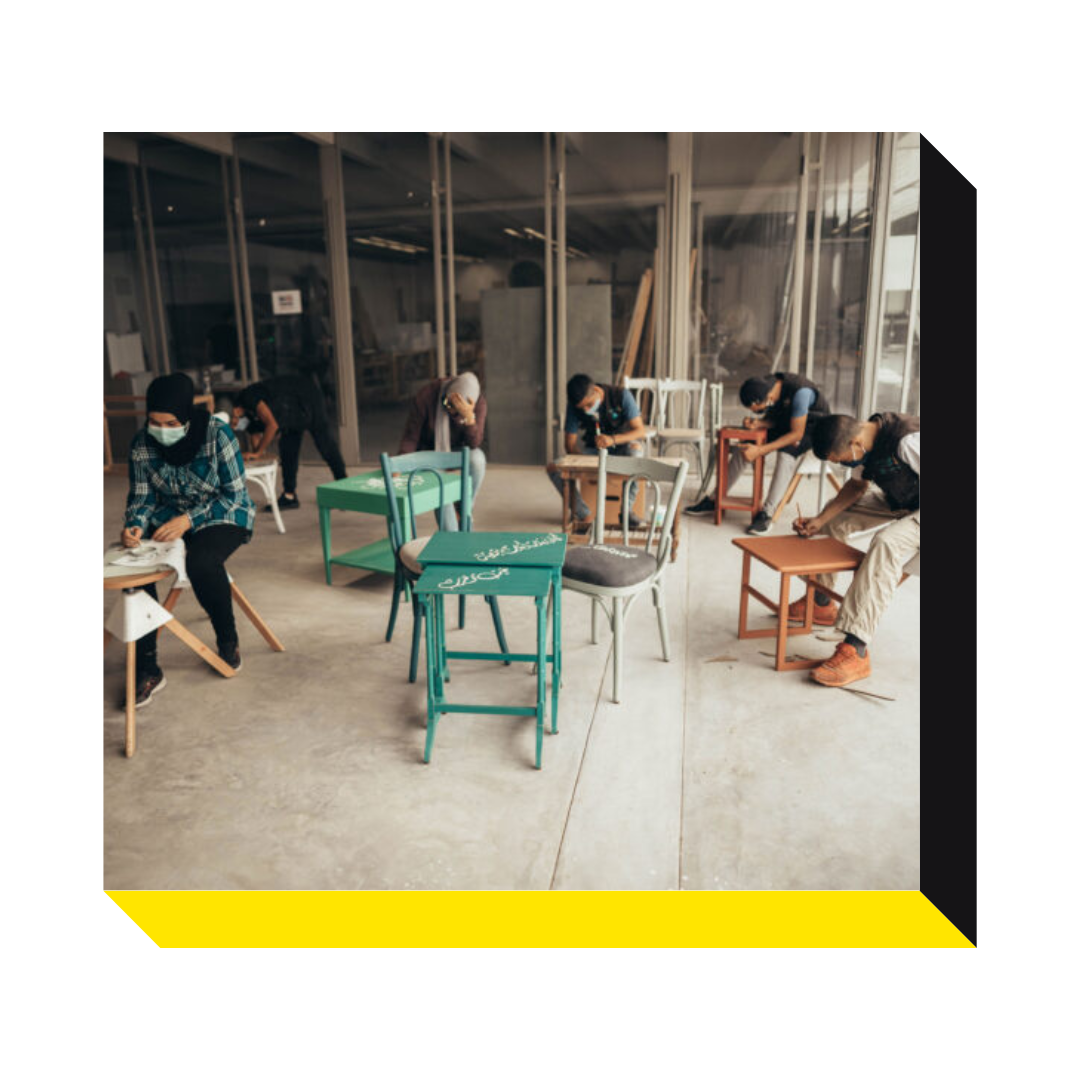
Former fighters and adversaries become today’s artist and carpenters creating unique design items. Once upon a time, March brought together a group of former fighters and adversaries from Jabal Mohsen and Beb el Tebbeneh in Tripoli, Lebanon. They met on the former demarcation line called “Syria Street” and worked hand in hand to break down the fictional walls of divide. Through their newfound strength and unity, they constructed their own community around innovation, art and creativity, away from the shackles of sectarianism and violence. These youth’s journey has been marked by incredible resilience and inspiring determination. They conceived these carefully crafted design items as a symbol of their power and ability to take ownership over their lives. By adopting their items you are contributing to supporting them and spreading their message of love and acceptance. This is a story of love and war… this is a story of hope and new beginnings…this is a story that is still being written. Carpentry, sewing and tailoring have always been well renowned crafts in Tripoli. They are some of the most famous professions that helped the communities in the area to flourish, develop and become well known for their skills in creating clothing and wood furniture items. The sectarian clashes that took place in Tripoli up until 2014, have negatively affected these industries that has been striving to keep afloat. Combining furniture making, and fashion design with rehabilitation and reintegration: In order to revive these crafts and as part of MARCH’s rehabilitation and reintegration program, Kanyamakan hub, MARCH’s community center in Tripoli, is developing the skills of youth from the formerly warring neighborhoods of Jabal Mohsen and Beb el Tebbeneh through various vocational trainings to teach them to create furniture, accessories and clothing items all the while recounting their stories of love and war. On the job training in furniture making, furniture upcycling, wood painting, calligraphy, hand embroidery, fashion design, sewing, and upholstery are hosted in the hub’s spaces, with the support of talented artists and trainers who mentor the youth and help them develop their skills. Kanyamakan Designs is an opportunity for these youth to create economic sustainability for themselves while reviving their communities through a well appreciated craftsmanship in their neighborhoods. And today they are replacing war, hatred and sectarian divides, with love, innovation, art, and creativity. “I was so happy to have spend two weeks with these young men. They were so dedicated and fascinated by the project. We called it “Sawa” meaning together ” Bram Kerkhofs, Belgium designer “I was excited to learn something new in carpentry especially that Bram introduced new techniques which are rarely found in Lebanon. ” Youth from the program Reviving forgotten furniture: “I left school when I was 8. Then I spent my youth fighting because I was told: the other is an enemy! He is another, don’t trust him. Now I know it was all a lie.” Youth from the program Kanyamakan designs : Untold stories of love and war Kanyamakan designs’ first collection was created in partnership with Nataly Salemeh: After collecting abandoned furniture from Tripoli, the youth were taught to upcycle and refurbish each item under her supervision. 7 different collections were created since then: Calligraphic Harmony, from my Heart to Beirut, Humour my Mood, Into the Wild, Tripoli Chronicles, Values of Life and the Love & War collection. In the designs executed the youth, former enemies and fighters, are crafting their stories of love and war, working together to build a better future for themselves with the opportunities offered by this initiative. “Old objects have a history. They carry with them the imprint and memories of the people who used them. By restoring them we are giving them a new life. A bit like these young people who were also neglected in the past. They also have their story to write or paint. All they need is people to believe in them” Nataly Salameh “This is a story of love and war… This is a story of hope and new beginnings…This is a story that is still being written”
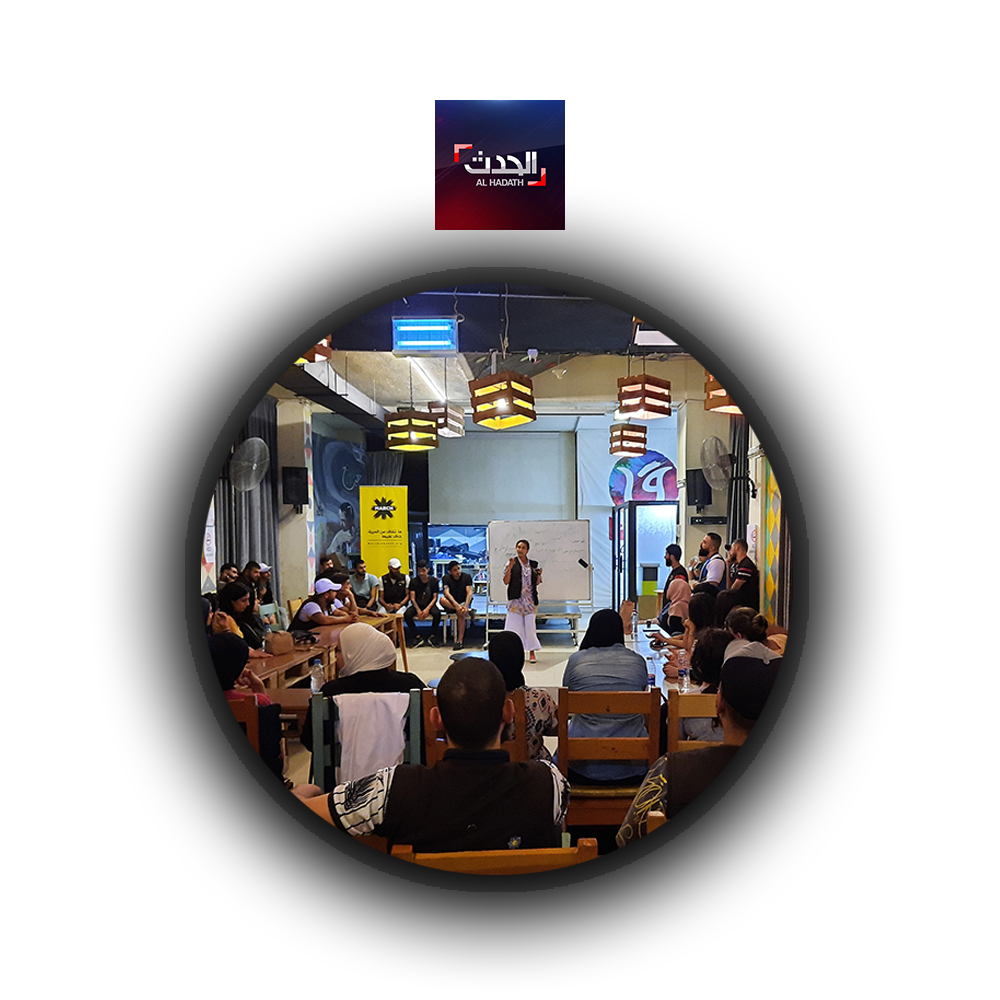
الحدث – أحد متاريس خطوط التماس في طرابلس
في الشارع الفاصل بين باب التبانة وجبل محسن في طرابلس، أحد متاريس خطوط التماس سابقاً، نشأت “قهوتنا” كمساحة تلاق لشباب رفضوا الاقتتال وفاءً للزعماء… ومن أجل مدينة أكثر سلاماً وانفتاحاً، يجلسون معاً، يشربون القهوة، يدرسون، يعملون، يتحدّثون
Kahwetna: Where Coffee, Creativity, and Compassion Converge for Change
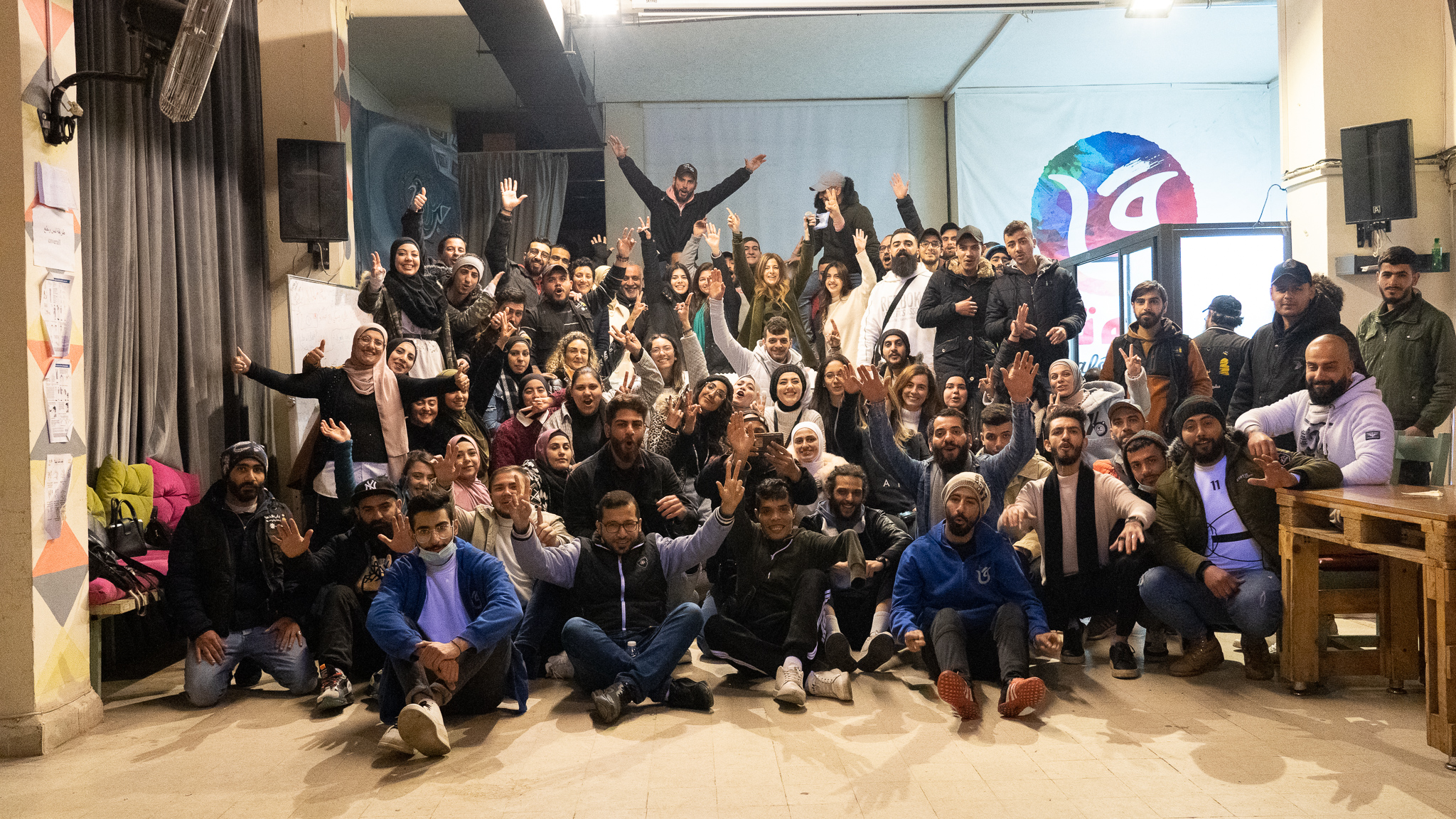
In the heart of Syria Street in Tripoli, there stands a remarkable landmark and hub known as Kahwetna. What was once a demarcation line, dividing the communities of Jabal Mohsen and Beb Al Tebbaneh, has now transformed into a symbol of unity and hope. Through the power of arts, culture, learning, and community service, Kahwetna has become a meeting ground for the youth, where barriers of sectarianism and division are shattered, and a brighter future is built. After succeeding in bringing together 16 young former-fighters from Beb El Tabbaneh and Jabal Mohsen to tell their story through a theater play called Love and War on the Rooftop, we realized that we needed to make our efforts more sustainable and ensure the continuity of the impact the experience had had. Although these youths had always been neighbors, they knew very little about each other. The only encounters they had shared were tainted by animosity and restricted to a context of war and conflict- often from buildings’ rooftops or opposite sides of the frontline. What they knew of each other was limited to what they had been taught by past generations and the sectarian tensions they had inherited. The Start of Kahwetna: Where Former Fighters become Agents of Change After succeeding in bringing together 16 young former-fighters from Beb El Tabbaneh and Jabal Mohsen to tell their story through a theater play called Love and War on the Rooftop, we realized that we needed to make our efforts more sustainable and ensure the continuity of the impact the experience had had. Although these youths had always been neighbors, they knew very little about each other. The only encounters they had shared were tainted by animosity and restricted to a context of war and conflict- often from buildings’ rooftops or opposite sides of the frontline. What they knew of each other was limited to what they had been taught by past generations and the sectarian tensions they had inherited. Additionally, through our work with these local communities, we realized the significance of providing a counter-narrative to conflict and alienation. We also recognized the importance of creating safe and inclusive public spaces that would give the youth the opportunity to interact in a constructive environment while developing their personal and professional skills. We wanted to offer a setting for reconciliation that encouraged constructive dialogue and allowed them to see past the negative stereotypical perceptions they had of one another. From there came the idea of Kahwetna, a unique cultural café situated on Syria Street, a former demarcation line with a violent past. Kahwetna: Where Sectarianism and Division Are Shattered At Kahwetna, the focus is on empowering young individuals with knowledge and skills that will shape their lives. The hub offers comprehensive training programs, vocational courses, and community service initiatives, providing invaluable opportunities for personal and professional growth. By bridging the gap between education and practical experience, Kahwetna equips the youth with the tools they need to succeed. One of Kahwetna’s key offerings is its educational classes, which cover subjects such as English and Arabic. These classes serve a dual purpose: combating illiteracy within the community and enhancing the employability skills of the participants. By empowering the youth with language proficiency, Kahwetna opens doors to new opportunities and broadens their horizons. In its pursuit of conflict transformation, and with MARCH’s trainings on negotiation and mediation, the hub encourages peaceful resolutions and bridges the gaps between conflicting parties. Notably, the Youth Leader Program at Kahwetna works closely with ex-fighters and ex-convicts, nurturing their leadership skills and inspiring others to join the program. By embracing those who were once on opposing sides, Kahwetna exemplifies the power of forgiveness and second chances. Moreover, Kahwetna emphasizes community service as a means of fostering responsibility and reconciliation. These activities, which are open to both genders, create a sense of unity and shared purpose among the youth. From distributing food parcels to visiting orphanages, the community service initiatives expand MARCH’s reconciliation efforts and encourage the participants to give back to their communities. Together, they are breaking down the barriers that once separated them. The vocational trainings at Kahwetna are truly transformative. The Kan Ya Makan community hub brings former enemies together, working hand in hand to acquire skills in woodworking, wood painting, sewing, fashion design, and embroidery. Through innovation and creation, these young individuals unleash their creativity and unlock their potential. Additionally, the hub’s kitchen focuses on developing the youth’s culinary talents, enabling them to secure employment or even establish their own small businesses. Another remarkable program at Kahwetna is the Love and War Tour. The Love and War Tour is conducted by former fighters and enemies in Jabal Mohsen and Beb Al Tebbeneh where they share their untold stories. The Tour starts with a visit to Kahwetna where they walk through the timeline of Tripoli’s history from a once prosperous flourishing city to a land of battles and resentment. The Tour highlights the stories of once former fighters who have now become agents of change. One of the standout vocational programs at Kahwetna is the Dental Assistance program. Young women and men participate in this program, gaining theoretical and practical knowledge to become dental assistants. Under the guidance of a certified dentist, the dental clinic at Kahwetna now serves the community and their families, with plans to expand its affordable services to more people in the region. By providing essential healthcare services, the hub not only improves oral health but also strengthens the bonds between community members. More than a coffee shop, Kahwetna is a world where art breaks barriers, where creativity thrives, and where differences are celebrated. Within the hub’s vibrant walls, young individuals come together to develop their personal and professional potential. Thanks to the remarkable efforts of MARCH, rehabilitation and reconciliation thrive, enabling both men and women to become the architects of change. Today, the location has become a landmark for tolerance, respect, brotherhood and cooperation that has successfully challenged the cross-generational sectarian narrative that had
THEATER FOR RECONCILIATION: Uniting Communities through Art and Culture
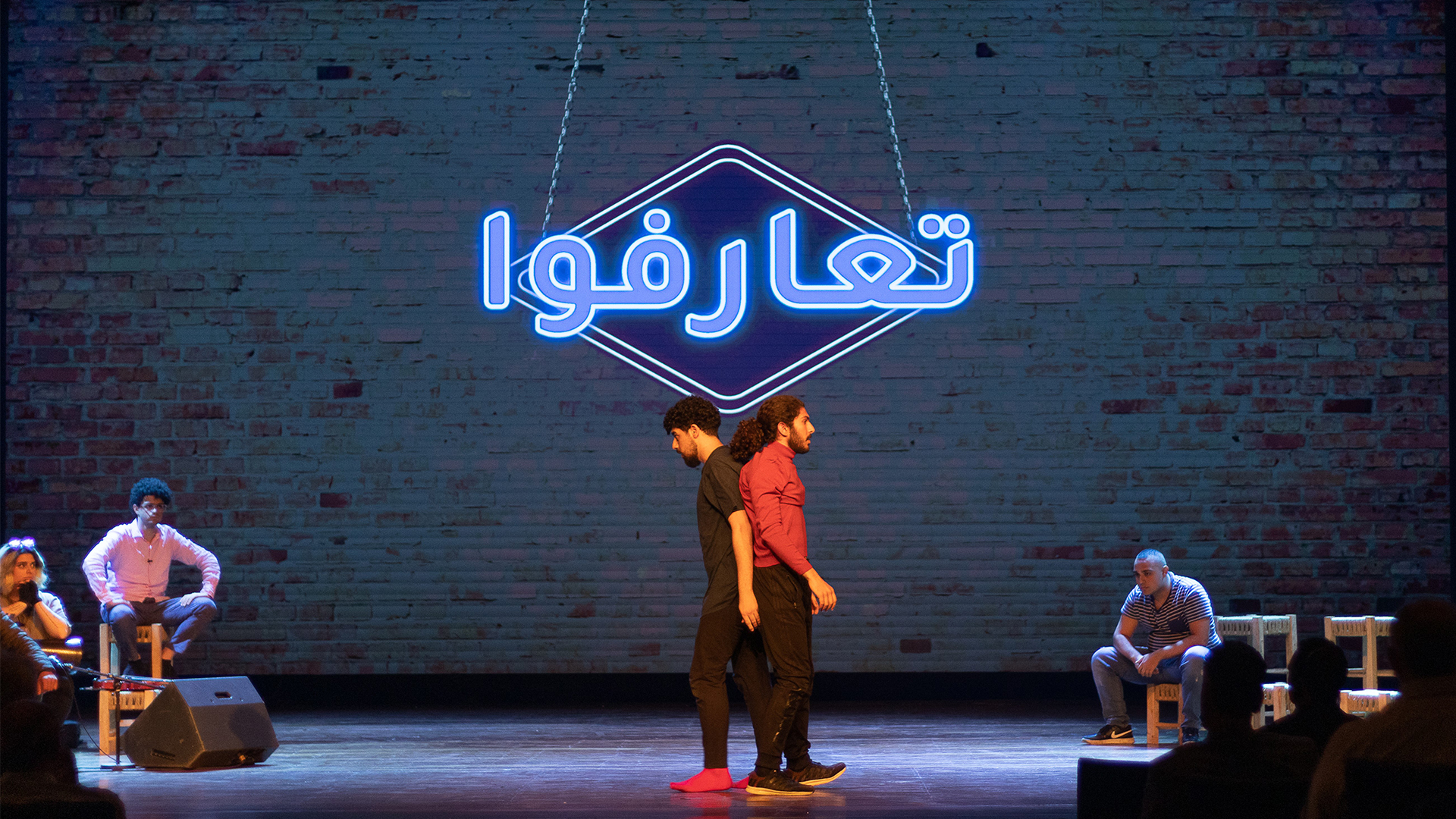
MARCH believes in the transformative power of art and culture as catalysts for positive change. This belief has inspired numerous initiatives such as the Theater for Reconciliation. Launched in 2015 in Tripoli, Lebanon, this groundbreaking program has successfully united and reconciled youth from diverse backgrounds through the medium of theater. By providing a safe and inclusive space for young individuals to share their stories on stage, break down stereotypical barriers, foster understanding, and deconstruct preconceived judgments. This innovative peacebuilding and rehabilitation tool, provides a platform for constructive dialogue and self-expression. Through the safe and inclusive space it creates, it allows participants to process any political, religious or personal grievances they may have and better understand “the other” away from divisive, prejudiced and stereotyped narratives. The Sunni neighborhood of Beb El Tabbaneh and the Alawite neighborhood of Jabal Mohsen had been in a long-standing, cross-generational feud that had fostered animosity and resentment between their respective communities. Their conflict seemed to be rooted in their religious and ideological differences and garnered national attention. The volatility of the area coupled with prejudice and misinformation led to the ostracization of that part of Tripoli. Following the violent clashes that had erupted in 2011 between Jabal Mohsen and Beb El Tabbaneh, MARCH decided to try and reconcile youth from both sides of the frontlines. Love and War on the Rooftop: The Beginning of a Journey: The journey of Theater for Reconciliation began with the production “Love and War on the Rooftop” in Tripoli. The play brought together young people from Jabal Mohsen and Beb el Tebbeneh, two historically divided communities with a long-standing history of conflict. Through this powerful performance, the youth were able to bridge their differences, forging connections that transcended their cultural and social boundaries. The idea was to create a theater play inspired by their war-torn lives and personal experiences and offer them a chance to tell their own story and set their own narrative. Following the ceasefire imposed by the army in 2014, we held auditions to recruit young men that would be willing to share a piece of themselves and their history. The process was extremely challenging but we ultimately managed to convince 16 individuals to take part in the play. The project was experimental, its goal was to encourage constructive dialogue and build bridges away from sectarian divide. We wanted to help the participants see past the stereotypes they had of one another. Although there were some challenging moments, the initiative proved to be quite cathartic. It helped them rediscover their identity and see each other in a different light. Enemies became friends and former fighters became actors. Expanding Horizons: A Growing Movement Following the success of “Love and War on the Rooftop” Theater for Reconciliation expanded its reach to other areas of Lebanon. Initiatives like “Tripoliyat” and “Habib El Kel” in Akkar, as well as “Hona Beirut” and “Cafe b Kaffak” in the capital Beirut, continued to build bridges between communities and inspired open dialogues about unity and diversity. Taarafou: The Latest Triumph: The most recent addition to Theater for Reconciliation is “Taarafou”, a comedy play that brought together 20 young men and women from different communities in Beirut. Written and directed by Yehya Jaber, the play was made possible as it draws inspiration from the real-life experiences of its cast members, creating a performance that celebrates the diversity of Lebanon’s youth. A Message of Unity and Acceptance: Theater for Reconciliation, including its latest production “Taarafou” has played a pivotal role in sparking meaningful conversations around embracing diversity as a source of unity. By providing a platform for young individuals to share their stories and experiences, the program has challenged divisive narratives and fostered a sense of understanding and acceptance among Lebanon’s youth. Lastly, Theater for Reconciliation stands as a beacon of hope in a community once divided by conflict and misunderstanding. Through the power of art and storytelling, this transformative program continues to bridge gaps between communities, proving that unity and acceptance can be achieved through shared experiences and empathy.
Testimony: Meet Mostafa Latesh
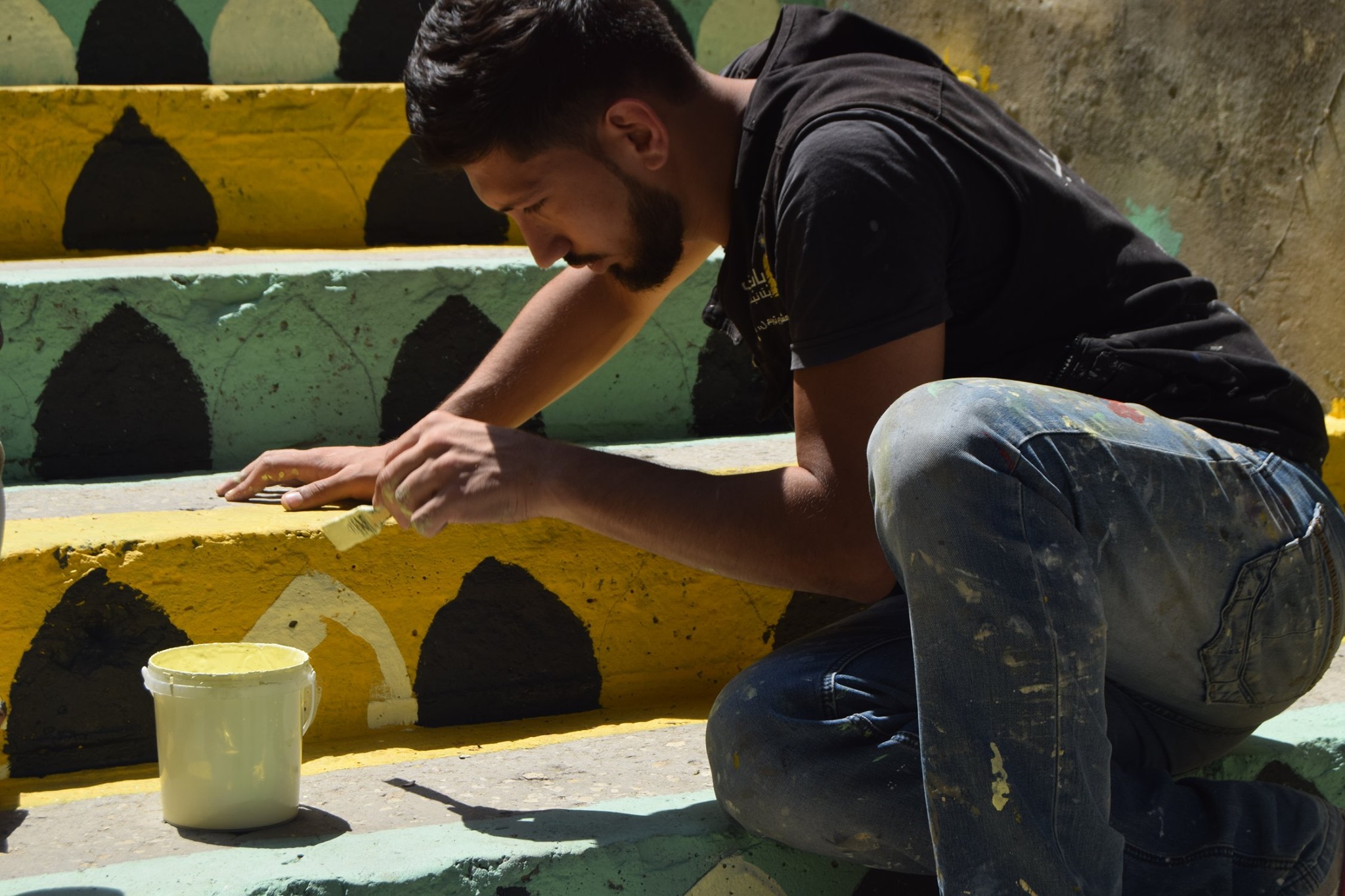
“I used to think of weapons, now I think of brushes and paint rollers.” Mostafa Latesh Mustafa is a stateless former fighter who had been incarcerated for taking part in the clashes between Jabal Mohsen and Beb El Tebbeneh in Tripoli . After joining March’s rehabilitation program, Mustafa left his dark past behind, becoming a painter and taking on professional jobs in which he can explore his talent and find stability for himself. This is his story…
Arab News – À Tripoli, d’anciens combattants redonnent vie à des objets du mobilier
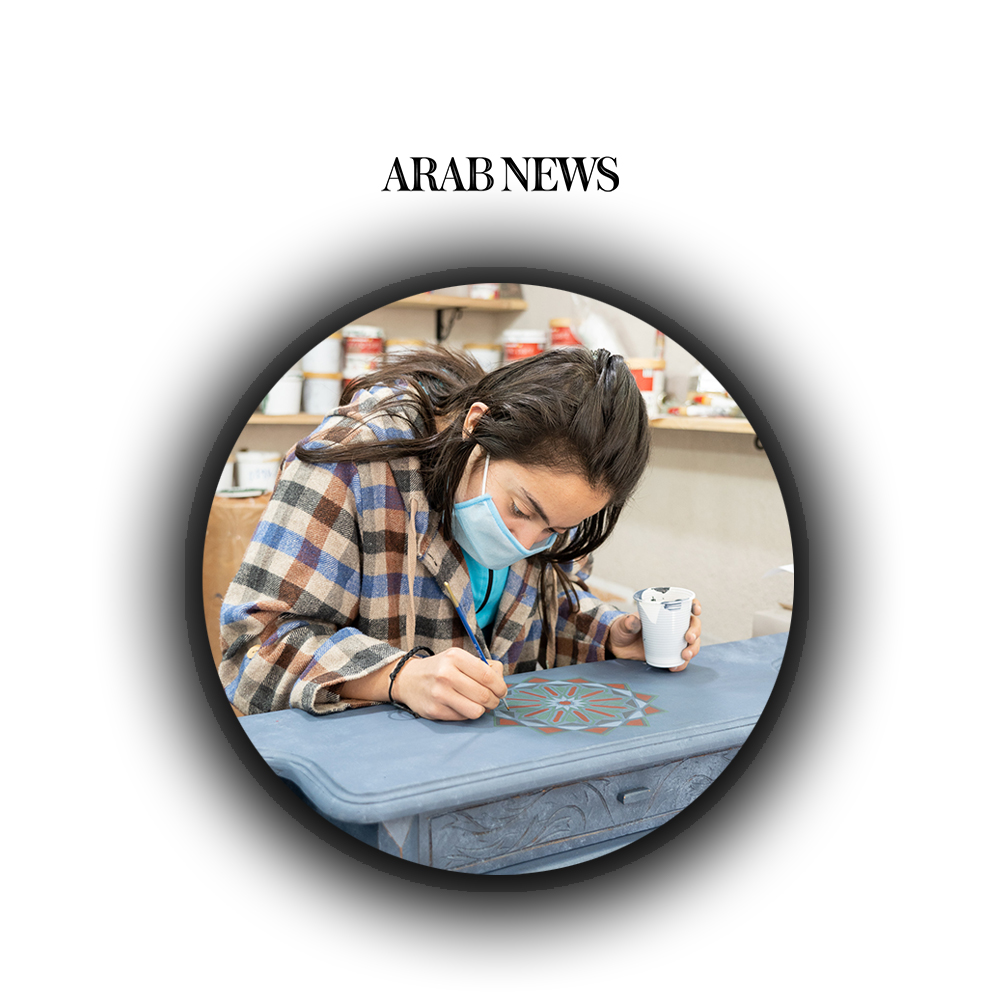
Coup d’envoi de l’exposition «Kan Ya Ma kan », (Il était une fois) au centre-ville de Beyrouth dans le cadre d’un projet lancé par l’association libanaise March Des produits intitulés « Histoires Inédites d’amour et de guerre » sont restaurés par d’anciens combattants ennemis aujourd’hui réconciliés, unis et réunis pour une même cause BEYROUTH : Ils sont jeunes, issus de quartiers défavorisés et voisins mais surtout ennemis. Pendant des années des rounds d’affrontements fratricides ont fait rage, sur fond de conflit syrien, entre Bab el-Tebbané, quartier à majorité sunnite, et Jabal Mohsen, à majorité alaouite dans la ville de Tripoli au Nord Liban. En 2015, la réconciliation a eu lieu grâce à l’initiative de l’armée libanaise, de figures politiques de la région et certaines ONG actives sur le terrain. C’est le cas de March une organisation non gouvernementale qui œuvre pour la promotion de la cohésion sociale et des libertés personnelles tout en plaidant pour l’égalité des droits grâce à son travail de consolidation de la paix et de résolution des conflits. « Ces jeunes n’avaient que la rue comme distraction, avec tous les dangers qu’elle présente, explique Léa Baroudi, fondatrice de March. Ils trainaient toute la journée et ne connaissaient que les armes pour s’exprimer. Nous avons travaillé avec un nombre d’entre eux (environ 300) à travers un large programme de réhabilitation et de réintégration afin de consolider la paix et la cohésion sociale dans cette région longtemps délaissée. Aujourd’hui, grâce à ce nouveau projet, ils ont appris un nouveau métier, celui de la broderie, de la calligraphie et de la restauration. Des métiers d’art et de culture pour ces jeunes qui, pour la plupart, n’ont connu que désillusions, pauvreté et combats. Dans un premier temps nous les soutenons dans la formation et le financement des produits utilisés. Par la suite, ils pourront être payés grâce à la vente de ces objets restaurés. Ils vont pouvoir s’auto suffire. » Le Bénéfice est économique, social et psychologique. Khaled fait de la broderie : « J’ai arrêté l’école à 8 ans. Puis j’ai passé ma jeunesse à combattre parce qu’on me disait : l’autre est un ennemi ! Lui est un autre ne lui fais pas confiance. » déclare-t-il. « Je suis marié et j’ai deux enfants, un garçon et une fille. Je vis chez mes parents. A cause des clashs j’ai été arrêté et emprisonné pendant un an. En sortant de prison jamais je n’aurais imaginé travailler côte à côte avec nos voisins de Jabal Mohsen, ou bien partager un repas. Eux que j’avais si violemment combattu. Jusqu’ au jour où j’ai ouïe dire que l’association March proposait un programme et j’ai découvert que j’avais la possibilité d’en bénéficier. » Natahalie Salameh, restauratrice de meubles anciens, dirige les formations. «Les objets anciens ont une histoire. Ils portent en eux l’empreinte et les souvenirs des personnes qui les ont acheté ou utilisé. Ils ont accompagné des vies. En les restaurant nous leur offrons une nouvelle vie. Un peu à l’image de ces jeunes qui ont également été délaissés dans le passé. Ils ont également, comme nous tous, leur histoire à écrire ou à dessiner. » Et pourtant, Nathalie avoue avoir rencontré des difficultés : « Réunir de vieux rivaux d’armes autour d’un projet artistique n’est pas une mince affaire. La mixité des hommes et des femmes non plus, ces jeunes étant issus d’un environnement conservateur. Et puis, c’était aussi un défi de leur faire sentir qu’ils bénéficiaient d’un réel support. » « Apres de longs mois de formation, nous avons décidé de chercher des objets anciens, en mauvais état voire abandonnés dans leurs quartiers à Beb El Tebbeneh et Jabal Mohsen. Pour les récupérer et leur redonner vie. Et voilà qu’aujourd’hui cette exposition voit le jour » ajoute-t-elle. Après l’explosion du Port, ces jeunes ont voulu montrer leur attachement à Beyrouth. De nombreux objets brodés, dessinés ou calligraphiés sont ainsi dédiés à la ville et portent un message d’amour pour la capitale : «en arabe ; Min Kalbi li Beyrouth, de la part mon cœur à Beyrouth ». Dans quelques mois, l’association va développer plusieurs projets à Beyrouth. Deux espaces culturels, fortement impactés par l’explosion, sont en cours de réhabilitation. « Nous allons transformer le 1er en atelier de restauration et le second, une galerie, en un lieu d’exposition pour les meubles restaurés. Nos jeunes pourront également former des amateurs intéressés par le recyclage de meuble. Un projet porteur d’espoir d’amour et de paix », conclut Lea Baroudi.
Reconciliation through Rebuilding: The BEDCO Construction Initiative
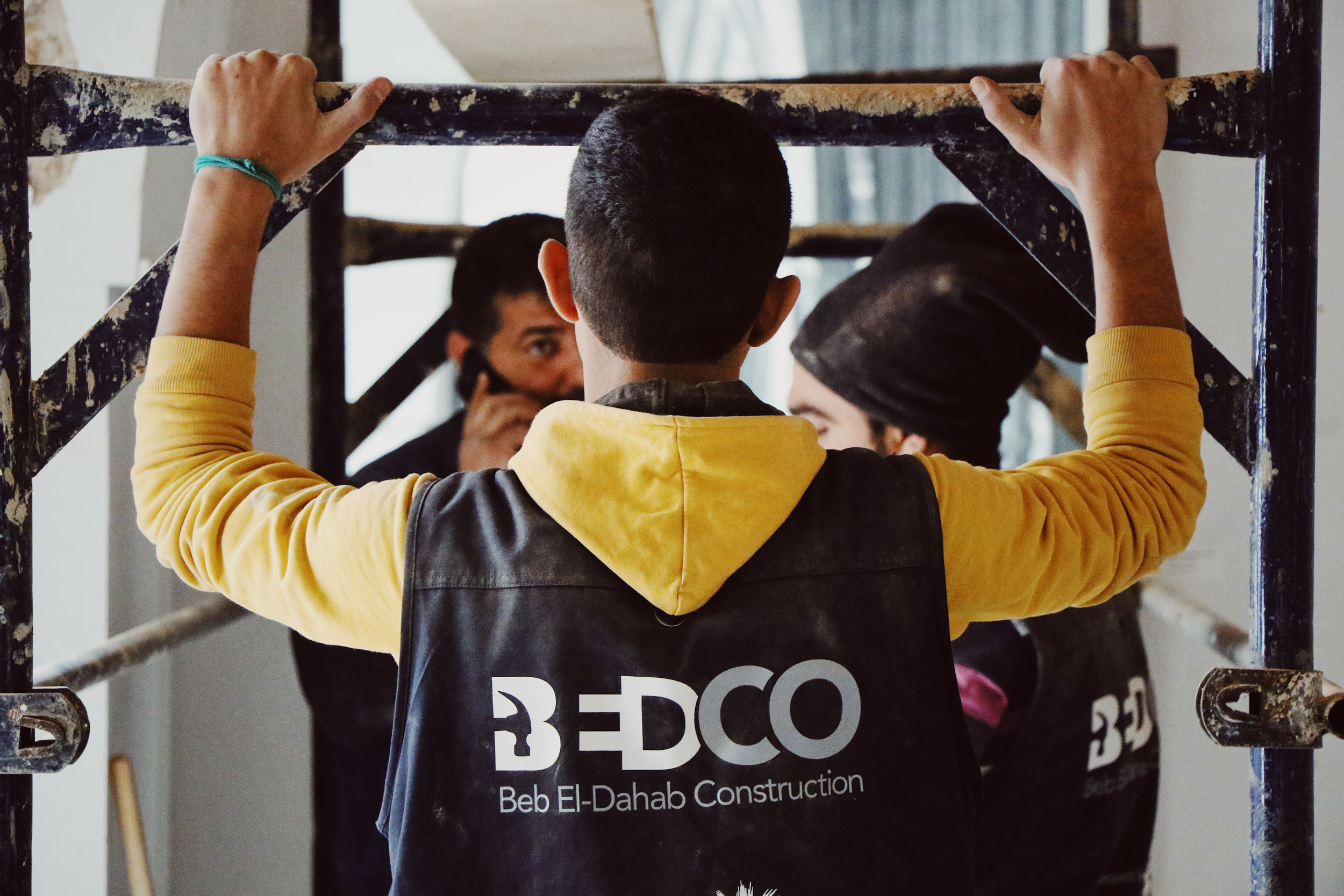
Construction can refurbish and rebuild a city in more ways than one. Combining that with reintegration and rehabilitation, MARCH through BEDCO are uniting young people across communal divides. Together they’re rebuilding a better future for themselves, supporting their communities and contributing to rebuilding the city of Beirut. “I wanted to help, my friends and I took a bus from Tripoli the next day and came to Beirut. We just took our basic tools and came . It was devastating to see what the blast had done, it reminded me of the war and destruction in Tripoli. We had to help rebuild. We didn’t learn all these construction skills just to stand by and do nothing at a time when people needed it the most “ Youth from the program It all started with the Beb el Dahab rehabilitation and reintegration program: As part of March’s journey in resolving conflicts and restoring peace, the Beb el Dahab program was launched in 2016. It consisted of bringing youth from Jabal Mohsen and Beb el Tebbeneh to rise above all divides and together restore the war-torn shops along Syria street, the former demarcation line between both neighborhoods. Through this successful initiative the youth built bridges between their communities, attended workshops promoting personal development, commitment to excellent work ethics and conflict transformation, all the while training in various construction skills such as plastering, painting, electrical, sanitary, metal and wood works. “Before joining MARCH’s program I had no skills and felt helpless about the future. Today, I am a very good painter, I didn’t believe at first that I could progress and learn. I had doubts about myself. Today I can say that the skills I learnt gave me a sense of security and purpose.” Youth from the Program From Beb el Dahab to BEDCO; Contributing to youth economic resilience: Following the success of the Beb el Dahab program and the positive impact it had on the youth and their communities, BEDCO, MARCH’s construction social initiative came to be. This initiative aims to create economic sustainability and resilience for the youth. It gives them new opportunities to further develop their skills in the construction field. Consequently, greater potentials are revealed giving the youth a sense of accomplishment and pride with a dream for a better and prosperous future. And besides their individual growth, the teamwork required in the field strengthens their bonds. The combination of these various elements equip the youth with all the right tools to give back to their communities by providing any needed support in a rehabilitation and restoration quest. “At BEDCO we are like a big family. A family that supports each other, that supports others. We are constantly learning, progressing and helping people at the same time, through our construction efforts and that is an amazing feeling.” Youth from the Program Contributing to Rebuilding Beirut: On the 4th of August 2020, the tragic blast hit the vibrant heart of Beirut. Homes, shops and businesses were left destroyed. People injured and hurt were devastated by the situation and the resulting losses. The motivation and the commitment of BEDCO’s youth toward their communities led them to respond to the emergency that struck the people of Beirut. With the support of MARCH, they are reinvesting the harnessed skills to help the capital and its population. As a first response, BEDCO dedicated its efforts to support homes and shops. They provided minor steel, electrical and wood repairs, they cleaned the rubbles, removed the shattered glass and used temporary solutions to protect the exposed homes. Refurbishing SMEs : When more interventions were requested, March collaborated with Al-Fanar Venture Philanthropy, and continued the work through BEDCO. They targeted social enterprises and small businesses by helping them in completely refurbishing their shops to restore the economic cycle and support small business owners to get back on their feet. They are rebuilding hope as much as the spaces which presents an important source of income for their owners. L’artisan du Liban, Namaste, Mellow Shop, Organic Sisters, Diffa Group, Fabric Aid, (…) and many more are able to open again due to the combined efforts. “The youth of BEDCO were amazing. They helped me restore my shop. They were friendly, polite and tidy.” Hala Housseini, Owner of Namaste Store “Thank you to BEDCO for helping me restore my shop. They were fast, professional and efficient. They encouraged me to reopen.” Guilda Khoury, Owner of Mellow Shop Preserving Cultural Heritage and supporting the arts: Also with the constant support of the British embassy in Lebanon, and because MARCH believes in the importance of art and culture, and the value of our Lebanese Heritage, BEDCO is also restoring a number of cultural spaces and workshops that are part of our heritage. Gallery 392 Rmeil 393 and Stone Lodge workshop will be restored by the youth, which will give an opportunity for rising artists to showcase their artistic touch and give life back to the capital. Helping education institutions: And because MARCH believes in the importance of education it gathered marginalized youth from Tripoli and Beirut to use their construction skills learnt through its program to restore and rehabilitate the Saint Joseph Brothers School in the Karantina area. The Saint Joseph Brothers School aims at supporting vulnerable families to integrate their children in the education system. Through this project, the BEDCO youth are helping children to avoid marginalization because of their financial difficulties. They are creating opportunities for themselves as well as others. “ Restoring the school was one of the best experiences. I did not have the chance to continue my education and I deeply regret it. Contributing to giving that chance to others is an amazing feeling” Youth from the Program Supporting the Civil Defense: Furthermore, the civil defense departments in Beirut and its surroundings, whose volunteers have always been giving and supporting their communities, were also affected by the devastating blast. This drove MARCH to also take part and help them by restoring what was damaged. The civil
The Albe 3ala Jare Initiative: Peacebuilding through Culinary Art.
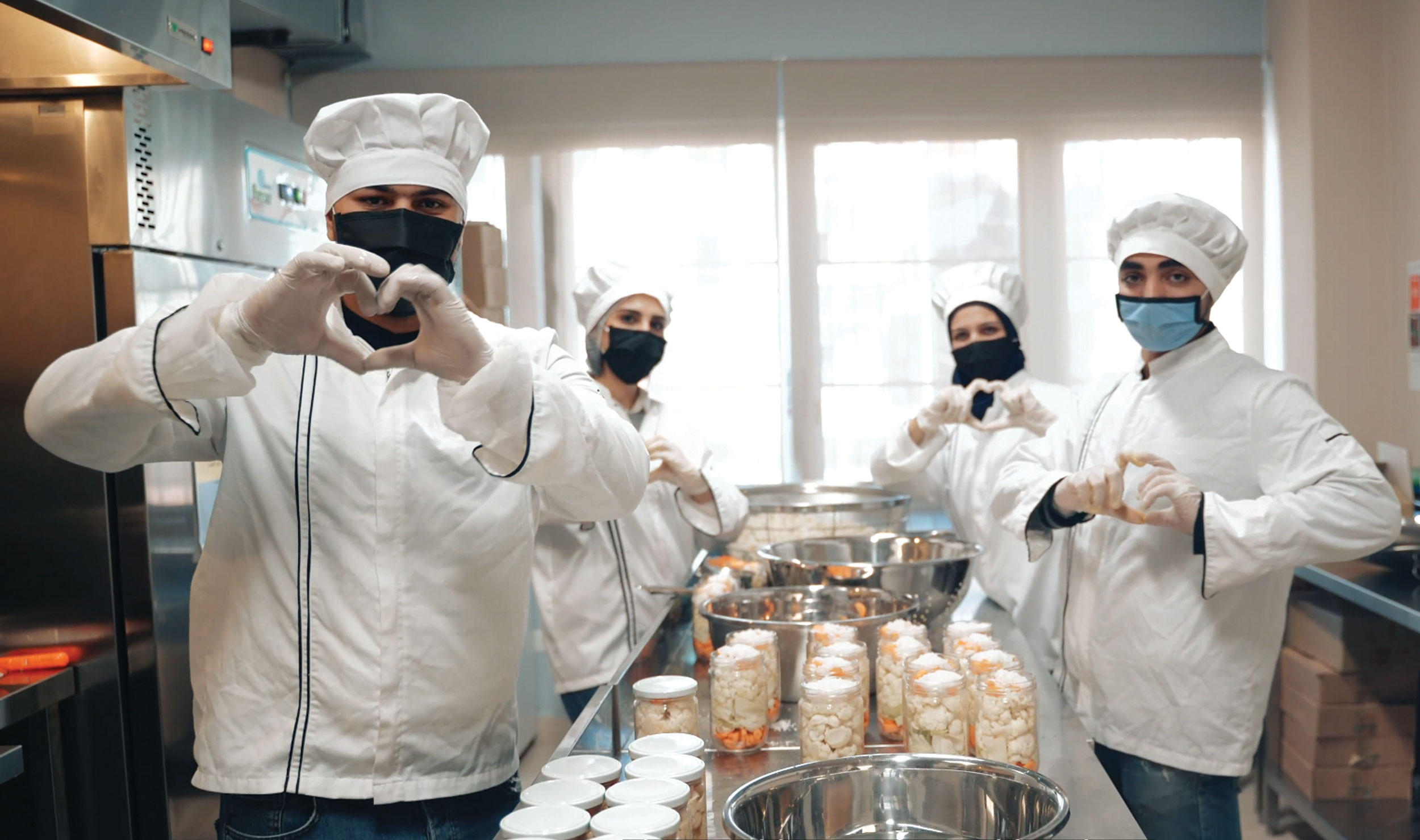
As part of the Beb el Dahab conflict resolution and reintegration program, youth from Beb el Tebbeneh and Jabal Mohsen are learning, in the Kanyakaman hub’s community kitchen, the art of food preservation. Making and preserving food have always been an essential part of the lebanese culture and the well known hospitality of the lebanese people. Families and friends gather around well prepared meals and various recipes. And food provisions are part of our grandparents’ traditions by which they conserve seasonal produce for winter or special occasions. Considering the economic situation and the rise in food prices, and in order to support the community in Tripoli all the while profiting from the fresh produce of the area from vegetables and fruits, March found an opportunity to introduce the culinary art into its youth conflict resolution and rehabilitation program and by that going back to the roots in tradition and culture. Young men and women worked hand in hand in the kitchen space to prepare recipes that can support their families and communities in these difficult times. This helps in developing new skills and discovering talents in cooking. In addition to culinary art and food preservation, food safety, food hygiene, as well as packaging and inventory are all skills learnt by the group. Therefore, besides being a response to the arising need in the difficult times, youth from March’s program will benefit from learning a new vocation that will positively impact their communities, their families and create potential job opportunities for themselves in the future. “I felt I was without purpose before joining March, it is my second home” Youth from the Program So far, their efforts resulted in the production of the “Albe 3ala Jare” preserved food items (my heart goes out to my neighbor) that keeps growing with the dedication, perseverance and consistency of the youth toward this workshop. Hundreds of jars are filling the shelves, containing prepared eggplants, pickles, tomato paste, pizza sauce and many other varieties of delicious food. “A lot of people are going through really hard times. The least we can do is help them overcome these difficulties even if it is through small actions. That makes me very happy and would mean the world to them” Youth from the Program “ As a man from Beb el Tebbeneh, I never imagined myself working in this field, but i am very happy ” Youth from the Program
Feuding youths becoming change-makers
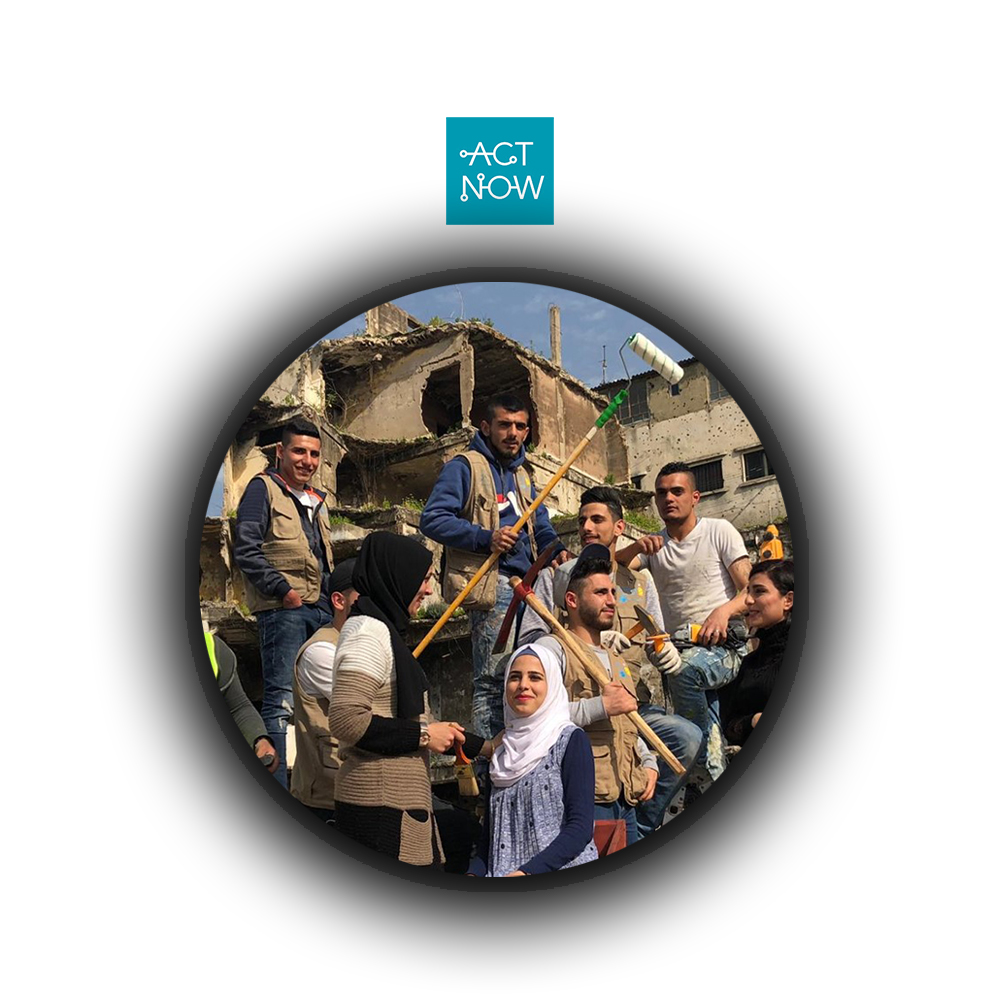
MARCH / THE BEB EL DAHAB INITIATIVE, TRIPOLI, LEBANON Young people formerly involved in violent conflicts receive training in the practical and emotional skills needed to rebuild their neighborhoods together. Presented by: Kinda Majari, Project Coordinator, MARCH Lebanon | Tripoli, Lebanon FEUDING NEIGHBORHOODS An Alawite and a Sunni neighborhood in Tripoli have been plagued by cross-generational resentment. Extreme marginalization and poverty left young men and women from these communities with a deep sense of hopelessness, which made them vulnerable to radical ideologies and resulted in clashes of violence. TRAINING EX-FIGHTERS MARCH Recruited vulnerable young people, such as exfighters and young female victims. They engage in cultural activities, are taught skills including construction and graphic design, and receive psycho-social support to help them channel their emotions and contribute to rebuilding their community. CONTRIBUTION TO PUBLIC SPACES The practice allowed over 300 previously feuding young people to be reconciled, while also rebuilding their neighborhoods that had been ravaged by the long sectarian war they had participated in. Over 350 shops were rehabilitated on former demarcation lines, public and green spaces created and beautified.