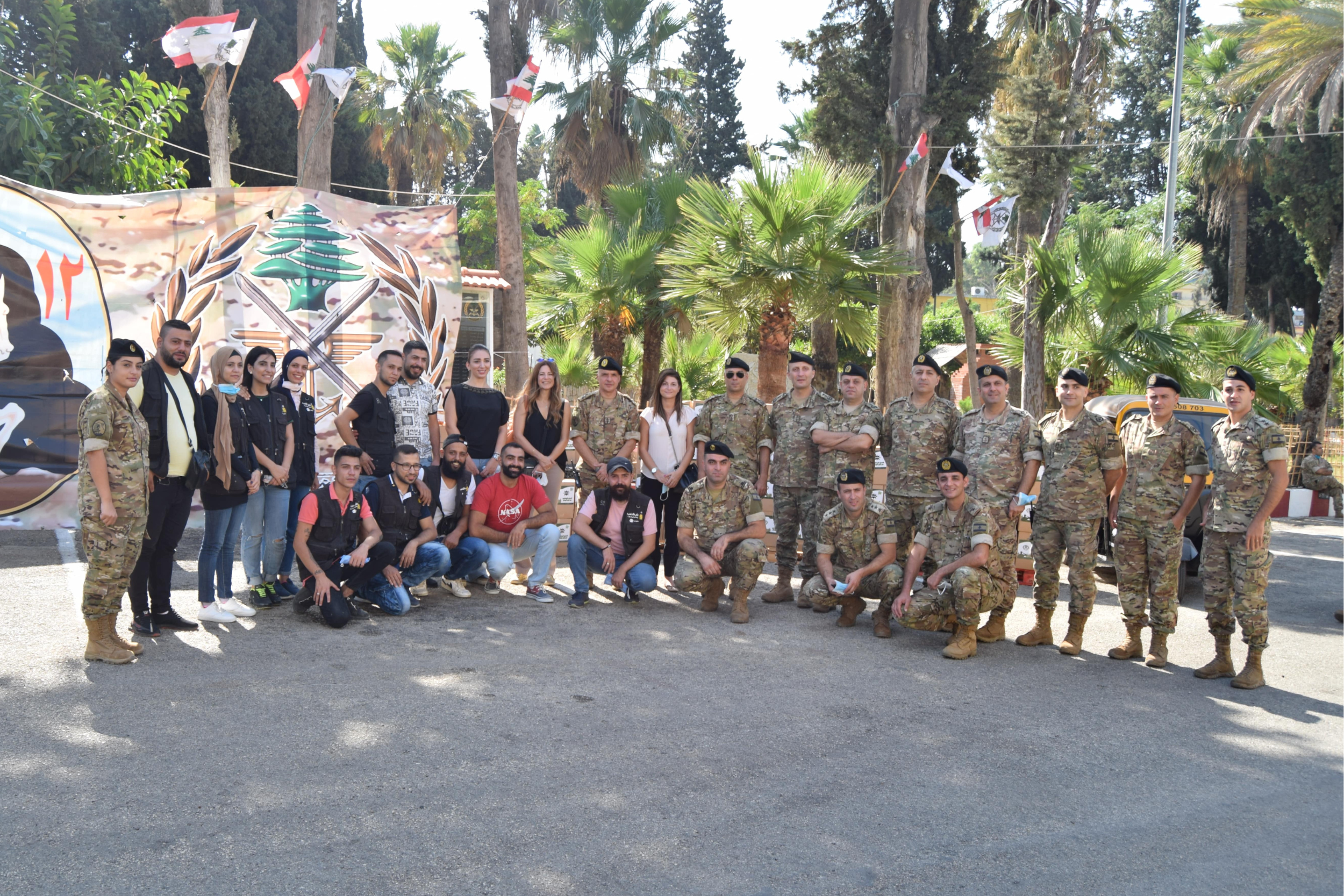
Institutional Resilience and Collaborative Approach: MARCH’s Path to Social Cohesion In the pursuit of a stable and prosperous nation, institutional resilience stands as a cornerstone for both development and social harmony. Establishing a robust governmental infrastructure is vital to ensuring citizens’ access to essential services that contribute to a high quality of life. Yet, when proper governance mechanisms are absent, the resulting socioeconomic disparities can erode the very fabric of societal unity. Recognizing its interconnected role within the broader context, MARCH understands that sustainable change is not a solo contribution, but one rooted in collaboration and cooperation. The organization acknowledges that effecting positive transformation requires partnerships that transcend sectors and ideologies. MARCH is deeply committed to fostering public sector reform through strategic alliances with governmental institutions. Promoting Civil-Military Cooperation The commitment of MARCH to collaboration has been successful across multiple sectors. One noteworthy example is its fruitful partnership with the Lebanese Armed Forces. By maintaining consistent communication and coordination with the Lebanese army, MARCH has contributed to reshaping perspectives towards the army’s approach in post-conflict scenarios. This collaboration has also facilitated constructive dialogues between local communities and army members, paving the way for mutual understanding and cooperation. Activities like football tournaments, installing solar panels, agricultural projects and jointly creation of a military training base by youth from Beb El Tebbeneh and Jabal Mohsen, with army members, have reshaped perceptions and socioeconomic dynamics. Addressing Statelessness: An Impetus for Change MARCH’s collaboration has also been successful in its work in tackling statelessness. After identifying a substantial number of stateless individuals in Tripoli, the second largest city in Lebanon, MARCH took initiative to conduct a comprehensive field study, shedding light on the implications of this issue in several regions in the country. Stateless individuals from Lebanese fathers lack official recognition by the government due to the failure of registering their birth within the legal timeline and ignorance of the legal frameworks. As such they face immense challenges in accessing fundamental services like education, healthcare, and employment. In response, MARCH partnered with Siren Associates to develop an automated system that revolutionized the work of civil status registrars across Lebanon. This system not only promotes transparency and efficiency but also addresses the core issue of statelessness. A Unifying Approach: Building Bridges between Communities and Governmental Institutions MARCH’s efforts showcase the transformative potential of initiatives and these collaborations bridge the divide between government institutions through fostering open dialogue, sharing knowledge, and working together. MARCH’s model illustrates the power of cooperation in creating lasting change portraying that institutional resilience isn’t only about the strength of governmental structures; it’s about recognizing the interconnectedness of all segments of society. Through forging alliances, sharing expertise, and embracing a united approach, MARCH is building a new perception of the community towards the army and governmental and legal institutions away from mistrust and resentment and towards acceptance, tolerance and trust.
Project Type: Civil Rights & Equality
MARCH’S LEGAL SUPPORT APPROACH & FIGHT AGAINST LEBANESE STATELESSNESS
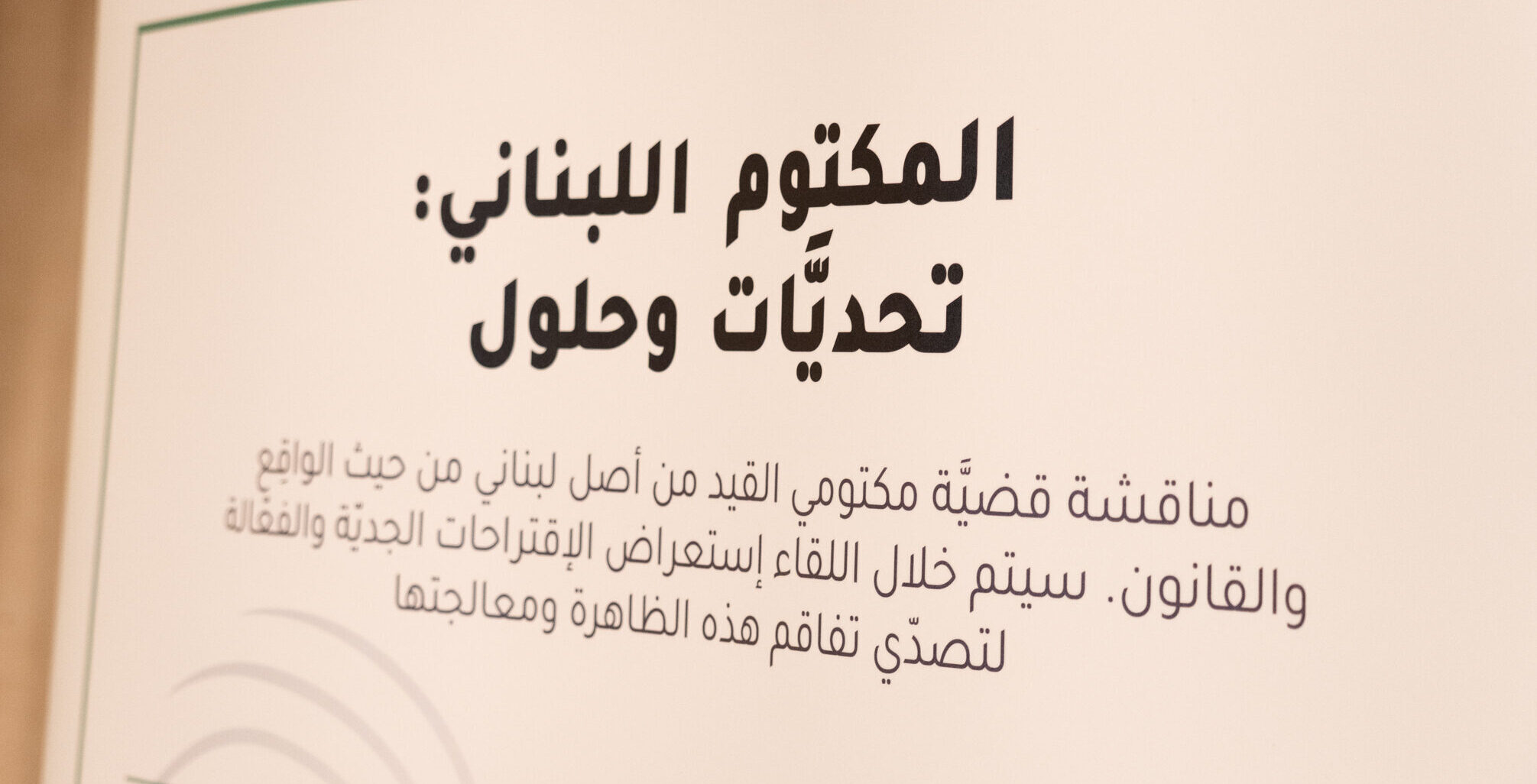
As part of the MARCH mission to promote the resilience of youth within its center and foster a more coherent and sustainable peace-building process, it offers legal support in Tripoli. This support is focused on providing legal services and awareness sessions aimed at addressing the hardships that have deprived young people of their civil rights, freedom of movement, educational opportunities, and even basic rights such as obtaining a passport or applying for a job. Through these legal services, MARCH successfully redirects the trajectory of these young lives away from conflict and seeking identity in extremist groups. By reinstating trust in governmental institutions and legal systems, these youths are less likely to resort to self-protection mechanisms, bear arms, or resort to conflict out of economic disparity. Having said that MARCH’s legal department has embarked on a multifaceted approach: Raising Awareness: MARCH conducts group awareness sessions on various legal topics, such as civil rights and the legal mechanism of birth registration, ensuring that these youths understand their rights and the role of the legal institutions. Providing Counseling Sessions: MARCH provides individualized counseling sessions and personalized guidance for its youth to comprehend their legal conditions and research several case studies. MARCH also extends legal representation for cases that require court intervention. Providing Legal Assistance and Representation: MARCH aids beneficiaries in reintegrating into society and securing their human rights that are governed by local laws and international treaties through assisting and representing the beneficiaries in civil and military courts. Tackling the Dilemma of the Lebanese Statelessness: An Invisible Crisis MARCH’s engagement in Tripoli’s Beb El Tabbaneh and Jabal Mohsen neighborhoods brought to light another pressing issue: Lebanese statelessness. Many of the local youths participating in MARCH’s programs were found to be stateless – individuals from Lebanese fathers who were not registered at birth due to several reasons such as their parents were not able to register them within the legal timeline or their fathers being away due to battles or war and thus, they remain unrecognized by the government. This lack of official documentation severely limits their access to fundamental rights and services, including education, healthcare, and employment, leaving them vulnerable to exploitation such as human trafficking. As part of an initiative to reduce the number of Lebanese unregistered children and combat Lebanese statelessness, March created a comprehensive guide booklet containing legal information and procedures on birth registration. This endeavor seeks to raise awareness and address the issue, especially among individuals born to a Lebanese father but not registered. Concurrently, MARCH’s commitment extends to conducting social media campaigns to elucidate the definition, reasons, statistics, challenges, recommendations, and all aspects related to this phenomenon. These campaigns also aim to distinguish between statelessness in general and Lebanese statelessness. Through a data-driven approach, MARCH recognized the scarcity of reliable data within governmental institutions and initiated a comprehensive field study on statelessness in Tripoli in collaboration with the Siren Association aiming to determine the size of the problem and discern its causes, measure its effects on individuals and their families and determine who is at risk of statelessness, to identify and deploy the adequate projects that can help reduce and prevent this phenomenon as well as protect the Lebanese stateless in Tripoli. This research supported MARCH’s deep-rooted trust in the community and led to enlightening findings. These findings were then shared with key entities including the Ministry of Interior and Municipalities and the Ministry of Justice, to initiate systemic reforms to tackle the issue of statelessness. MARCH developed an automated system for the personal status departments of the Ministry of Interior that would help facilitate bureaucratic processes related to nationalization and registration. The installed and configured server operates as an automated workflow for personal status, allowing monitoring procedures and requests, their status, and duration, and retrieving copies of supporting documents. This innovative system guarantees the prevention of any loss, delay, oversight, or neglect of files, and will alleviate the bureaucratic deadlock that has caused many challenges in the registration process. MARCH is working on a draft law in collaboration with the General Directorate of Personal Status at the Ministry of Interior and Municipalities to streamline the registration of Lebanese Stateless individuals born to Lebanese fathers. These efforts resulted in a successful high-level consultative meeting titled “Lebanese Stateless: Challenges and Solutions.” The meeting brought together several Members of Parliament, ambassadors, experts, policymakers, judges, lawyers, and representatives from various local and international organizations to collectively address the Lebanese statelessness issue. Lastly, MARCH’s work stands as a testament to the power of grassroots initiatives in transforming societies. Through legal support and Lebanese statelessness-focused efforts, many beneficiaries, particularly ex-rival fighters, have had their records cleaned, granting them access to their civil rights and the freedom to move freely without constraint at checkpoints, and removing barriers to socio-economic reintegration, especially in the workforce. This transformation has created new opportunities for reintegration into society, empowering them to pursue brighter futures with optimism and confidence. By facilitating their journey towards legal recognition and empowerment, we are paving the way for a more inclusive and equitable society.
EMPOWERING WOMEN
Transforming Communities: Empowering Women through Post-Conflict Peacebuilding In recent years, the humanitarian sector has embraced a gender-sensitive lens: recognizing the importance of women’s active participation in peacebuilding processes, particularly in post-conflict societies. MARCH’s work in Tripoli has been at the forefront of this transformative approach which showcases the power of women’s inclusion in rebuilding efforts and how it leads to stronger, more resilient communities. Recognizing the Crucial Role of Women MARCH acknowledges the importance of women’s equal and active involvement in their rehabilitation and reintegration programs which is vital in defying the concept of alienating women from peacebuilding interventions that in turn weakens the foundation and compromises the stability and sustainability of intercommunal cohesion. The local context in Tripoli demanded a nuanced and intricate approach. MARCH launched a unique reconstruction project in Beb El Tabbaneh and Jabal Mohsen following the severe clashes of 2011. The project involved daily collaborations between men and women from both communities. Their joint efforts focused on renovating buildings and a market place along the former demarcation line that was destroyed by the clashes. This initiative aimed to foster tolerance, respect, and understanding while challenging traditional gender hierarchies. Breaking Stereotypes and Empowering Women During the workshops in Kanyamakan, women challenged the patriarchal perception of their role and became fundamental components of the rebuilding process. They worked alongside men, defying traditional gender norms. Men received on-the-job training in construction, while women were offered graphic design courses. The women designed shop signs and branding materials, demonstrating their creativity and contribution to the project. This collaboration shattered gender barriers and shifted power dynamics. Transforming Women into Actors of Change The inclusion of local women in MARCH’s work empowered them and provided the confidence and support they lacked. By equipping them with the necessary skills and tools, MARCH enabled women to become agents of change. They transformed from passive recipients of aid to active participants in their communities’ development. Through the Beb El Dahab program, women discovered new skills, interests, and hobbies. They even started manufacturing their own products, such as t-shirts and tote bags, generating their own revenue and becoming economic agents in the process. Evolution of Women’s Engagement MARCH’s efforts have had a lasting impact on the lives of women in Beb El Dahab. Their engagement with the organization’s activities continues to evolve and take on various forms. By empowering women, MARCH not only challenged gender inequality but also transformed societal perceptions of men towards fashion design and embroidery. Now, women participants have access to a world of opportunities previously restricted by their gender, leading to a more inclusive and prosperous society. MARCH’s work in the Kanyamakan hub of Beb El Dahab exemplifies the transformative power of women’s inclusion in peacebuilding processes. By empowering women and challenging traditional gender roles, MARCH has helped create resilient and cohesive communities. Their efforts demonstrate the importance of women’s equal and active involvement in rebuilding post-conflict societies, ultimately leading to sustainable peace and progress.
Promoting Freedom of Expression: The Challenging Censorship Program
In the year 2020, the Challenging Censorship program was launched by MARCH with a mission to combat censorship practices and promote freedom of expression in Lebanon. The program aims to empower youth in Tripoli and Beirut through capacity building and knowledge-sharing. With some activists leaving the country, the Challenging Censorship program reevaluated its approach from focusing on activists into focusing on grass-root activities and decided to restructure its network to include youth. By empowering young people to be active agents of change, the program aims to foster positive dialogue and reject differences in opinion. Empowering Youth through Workshops and Training: To achieve its objectives, the program organized multidisciplinary interactive workshops on mediation, conflict prevention, team building, and communication skills related to freedom of expression. These workshops aim to equip youth with the necessary tools to engage in constructive conversations, accept diverse opinions, and promote a bottom-up approach to enacting change. Expanding Reach and Achievements: Throughout the years 2020 to 2023, the Challenging Censorship program successfully expanded its network to include youth members mainly from Tripoli. It conducted capacity-building sessions and workshops, aimed at empowering young participants to raise awareness about freedom of expression and censorship in their communities. The program also strengthened its digital presence on social media and the MARCH website, reaching a broader audience. The Power of Dialogue and Acceptance: One of the most profound achievements of the program was the positive impact it had on the participants. One youth member expressed, “I never thought I could have a constructive conversation with someone who disagrees with me. However, after the training, I was eager to listen to someone with different opinions rather than fight them.” This transformation of mindset towards acceptance of differences and valuing freedom of expression showcased the program’s success. In conclusion, the Challenging Censorship program in Lebanon has been making significant strides in promoting freedom of expression and fostering positive dialogue among youth. By empowering young participants with knowledge and skills, the program has contributed to a more tolerant and open society that values the right to express oneself freely while respecting others’ opinions. As it continues to expand its reach and influence, the program stands as a testament to the power of dialogue in breaking down barriers and promoting a culture of acceptance in Lebanon.