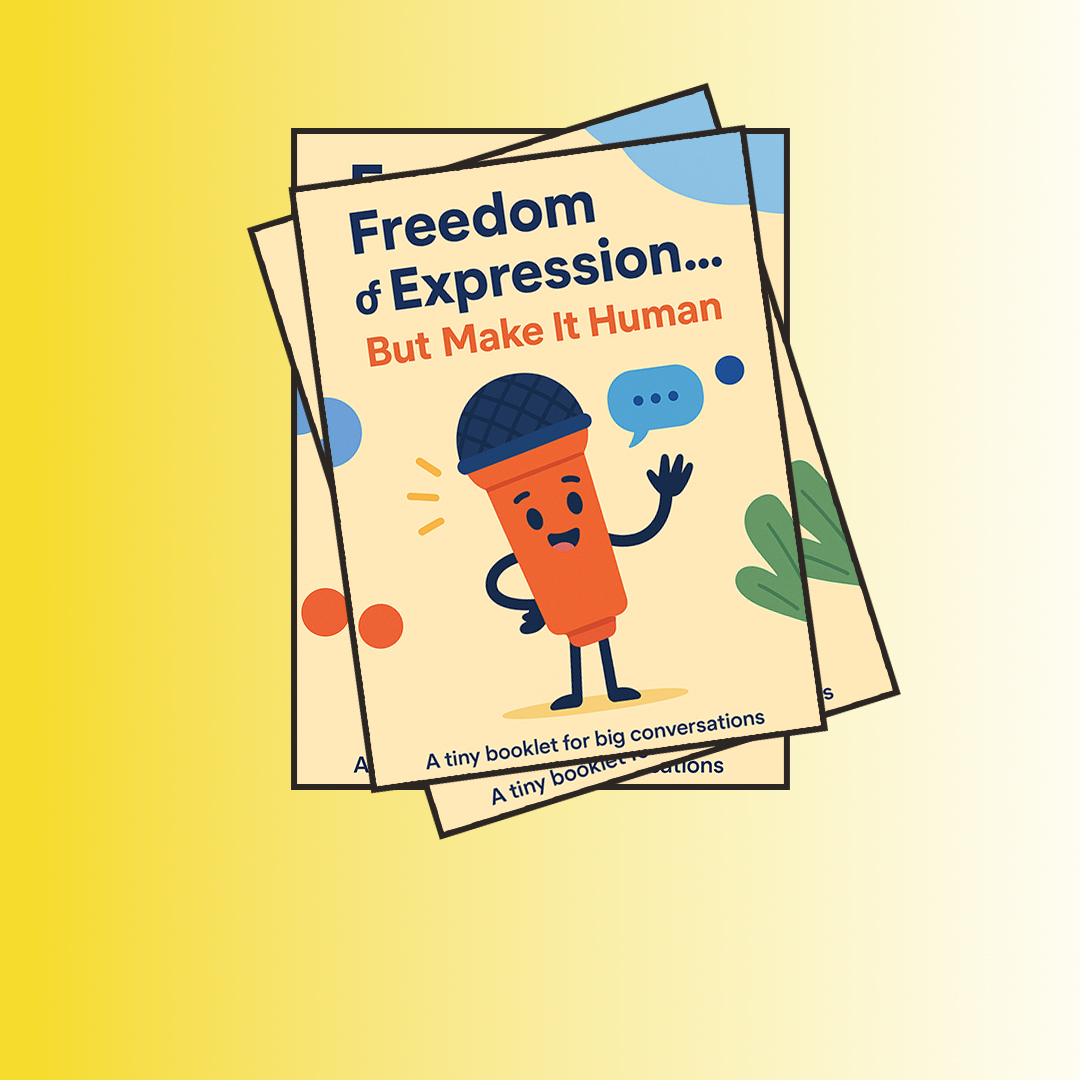
EnglishDownload Freedom of Expression… But Make It Human is a handbook that reimagines freedom of expression through a more human-centered perspective. While freedom of expression is often understood as the individual’s right to voice opinions without fear of censorship or punishment, this handbook highlights the importance of the relationship between the speaker and the listener. It encourages young people to recognize that responsible expression requires empathy, respectful dialogue, and consideration for how messages are received. By promoting constructive communication and mutual understanding, the handbook aims to help youth exercise their right to freedom of expression in ways that strengthen dialogue rather than deepen division. عربي تحميل حرية التعبير… ولكن بطريقة إنسانية” هو دليل يقدّم مقاربة مختلفة لمفهوم حرية التعبير، تنطلق من البعد الإنساني للعلاقة بين المتحاورين. فبدلًا من التركيز فقط على حق الفرد في التعبير عن رأيه دون خوف من الرقابة أو العقاب، يسلّط الدليل الضوء على أهمية مراعاة الطرف الآخر، وفهم أثر الكلمات وطريقة إيصالها. ويشجّع الشباب على ممارسة حرية التعبير بمسؤولية، من خلال تبنّي الحوار البنّاء، والتعاطف، والاحترام المتبادل، بما يساهم في تعزيز التفاهم والتقارب بين الأفراد بدلًا من تعميق الانقسام.
Tag: Human Rights
MARCH’S LEGAL SUPPORT APPROACH & FIGHT AGAINST LEBANESE STATELESSNESS
As part of the MARCH mission to promote the resilience of youth within its center and foster a more coherent and sustainable peace-building process, it offers legal support in Tripoli. This support is focused on providing legal services and awareness sessions aimed at addressing the hardships that have deprived young people of their civil rights, freedom of movement, educational opportunities, and even basic rights such as obtaining a passport or applying for a job. Through these legal services, MARCH successfully redirects the trajectory of these young lives away from conflict and seeking identity in extremist groups. By reinstating trust in governmental institutions and legal systems, these youths are less likely to resort to self-protection mechanisms, bear arms, or resort to conflict out of economic disparity. Having said that MARCH’s legal department has embarked on a multifaceted approach: Raising Awareness: MARCH conducts group awareness sessions on various legal topics, such as civil rights and the legal mechanism of birth registration, ensuring that these youths understand their rights and the role of the legal institutions. Providing Counseling Sessions: MARCH provides individualized counseling sessions and personalized guidance for its youth to comprehend their legal conditions and research several case studies. MARCH also extends legal representation for cases that require court intervention. Providing Legal Assistance and Representation: MARCH aids beneficiaries in reintegrating into society and securing their human rights that are governed by local laws and international treaties through assisting and representing the beneficiaries in civil and military courts. Tackling the Dilemma of the Lebanese Statelessness: An Invisible Crisis MARCH’s engagement in Tripoli’s Beb El Tabbaneh and Jabal Mohsen neighborhoods brought to light another pressing issue: Lebanese statelessness. Many of the local youths participating in MARCH’s programs were found to be stateless – individuals from Lebanese fathers who were not registered at birth due to several reasons such as their parents were not able to register them within the legal timeline or their fathers being away due to battles or war and thus, they remain unrecognized by the government. This lack of official documentation severely limits their access to fundamental rights and services, including education, healthcare, and employment, leaving them vulnerable to exploitation such as human trafficking. As part of an initiative to reduce the number of Lebanese unregistered children and combat Lebanese statelessness, March created a comprehensive guide booklet containing legal information and procedures on birth registration. This endeavor seeks to raise awareness and address the issue, especially among individuals born to a Lebanese father but not registered. Concurrently, MARCH’s commitment extends to conducting social media campaigns to elucidate the definition, reasons, statistics, challenges, recommendations, and all aspects related to this phenomenon. These campaigns also aim to distinguish between statelessness in general and Lebanese statelessness. Through a data-driven approach, MARCH recognized the scarcity of reliable data within governmental institutions and initiated a comprehensive field study on statelessness in Tripoli in collaboration with the Siren Association aiming to determine the size of the problem and discern its causes, measure its effects on individuals and their families and determine who is at risk of statelessness, to identify and deploy the adequate projects that can help reduce and prevent this phenomenon as well as protect the Lebanese stateless in Tripoli. This research supported MARCH’s deep-rooted trust in the community and led to enlightening findings. These findings were then shared with key entities including the Ministry of Interior and Municipalities and the Ministry of Justice, to initiate systemic reforms to tackle the issue of statelessness. MARCH developed an automated system for the personal status departments of the Ministry of Interior that would help facilitate bureaucratic processes related to nationalization and registration. The installed and configured server operates as an automated workflow for personal status, allowing monitoring procedures and requests, their status, and duration, and retrieving copies of supporting documents. This innovative system guarantees the prevention of any loss, delay, oversight, or neglect of files, and will alleviate the bureaucratic deadlock that has caused many challenges in the registration process. MARCH is working on a draft law in collaboration with the General Directorate of Personal Status at the Ministry of Interior and Municipalities to streamline the registration of Lebanese Stateless individuals born to Lebanese fathers. These efforts resulted in a successful high-level consultative meeting titled “Lebanese Stateless: Challenges and Solutions.” The meeting brought together several Members of Parliament, ambassadors, experts, policymakers, judges, lawyers, and representatives from various local and international organizations to collectively address the Lebanese statelessness issue. Lastly, MARCH’s work stands as a testament to the power of grassroots initiatives in transforming societies. Through legal support and Lebanese statelessness-focused efforts, many beneficiaries, particularly ex-rival fighters, have had their records cleaned, granting them access to their civil rights and the freedom to move freely without constraint at checkpoints, and removing barriers to socio-economic reintegration, especially in the workforce. This transformation has created new opportunities for reintegration into society, empowering them to pursue brighter futures with optimism and confidence. By facilitating their journey towards legal recognition and empowerment, we are paving the way for a more inclusive and equitable society.
Promoting Freedom of Expression: The Challenging Censorship Program
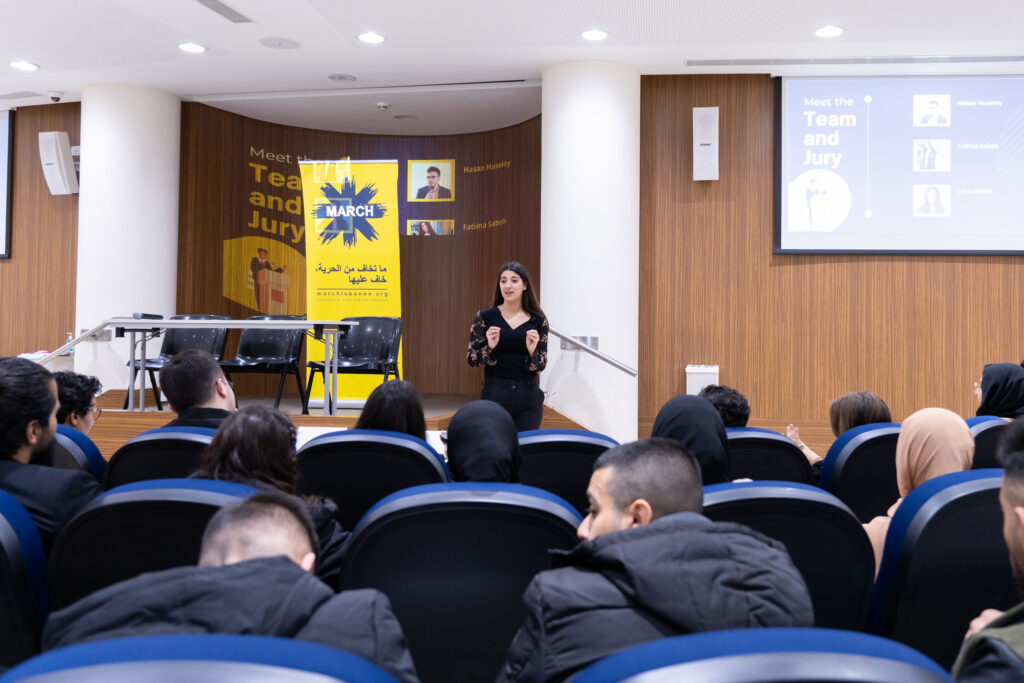
In the year 2020, the Challenging Censorship program was launched by MARCH with a mission to combat censorship practices and promote freedom of expression in Lebanon. The program aims to empower youth in Tripoli and Beirut through capacity building and knowledge-sharing. With some activists leaving the country, the Challenging Censorship program reevaluated its approach from focusing on activists into focusing on grass-root activities and decided to restructure its network to include youth. By empowering young people to be active agents of change, the program aims to foster positive dialogue and reject differences in opinion. Empowering Youth through Workshops and Training: To achieve its objectives, the program organized multidisciplinary interactive workshops on mediation, conflict prevention, team building, and communication skills related to freedom of expression. These workshops aim to equip youth with the necessary tools to engage in constructive conversations, accept diverse opinions, and promote a bottom-up approach to enacting change. Expanding Reach and Achievements: Throughout the years 2020 to 2023, the Challenging Censorship program successfully expanded its network to include youth members mainly from Tripoli. It conducted capacity-building sessions and workshops, aimed at empowering young participants to raise awareness about freedom of expression and censorship in their communities. The program also strengthened its digital presence on social media and the MARCH website, reaching a broader audience. The Power of Dialogue and Acceptance: One of the most profound achievements of the program was the positive impact it had on the participants. One youth member expressed, “I never thought I could have a constructive conversation with someone who disagrees with me. However, after the training, I was eager to listen to someone with different opinions rather than fight them.” This transformation of mindset towards acceptance of differences and valuing freedom of expression showcased the program’s success. In conclusion, the Challenging Censorship program in Lebanon has been making significant strides in promoting freedom of expression and fostering positive dialogue among youth. By empowering young participants with knowledge and skills, the program has contributed to a more tolerant and open society that values the right to express oneself freely while respecting others’ opinions. As it continues to expand its reach and influence, the program stands as a testament to the power of dialogue in breaking down barriers and promoting a culture of acceptance in Lebanon.
Proposed Draft Law Facilitating Registration Process for Lebanese Stateless Individuals
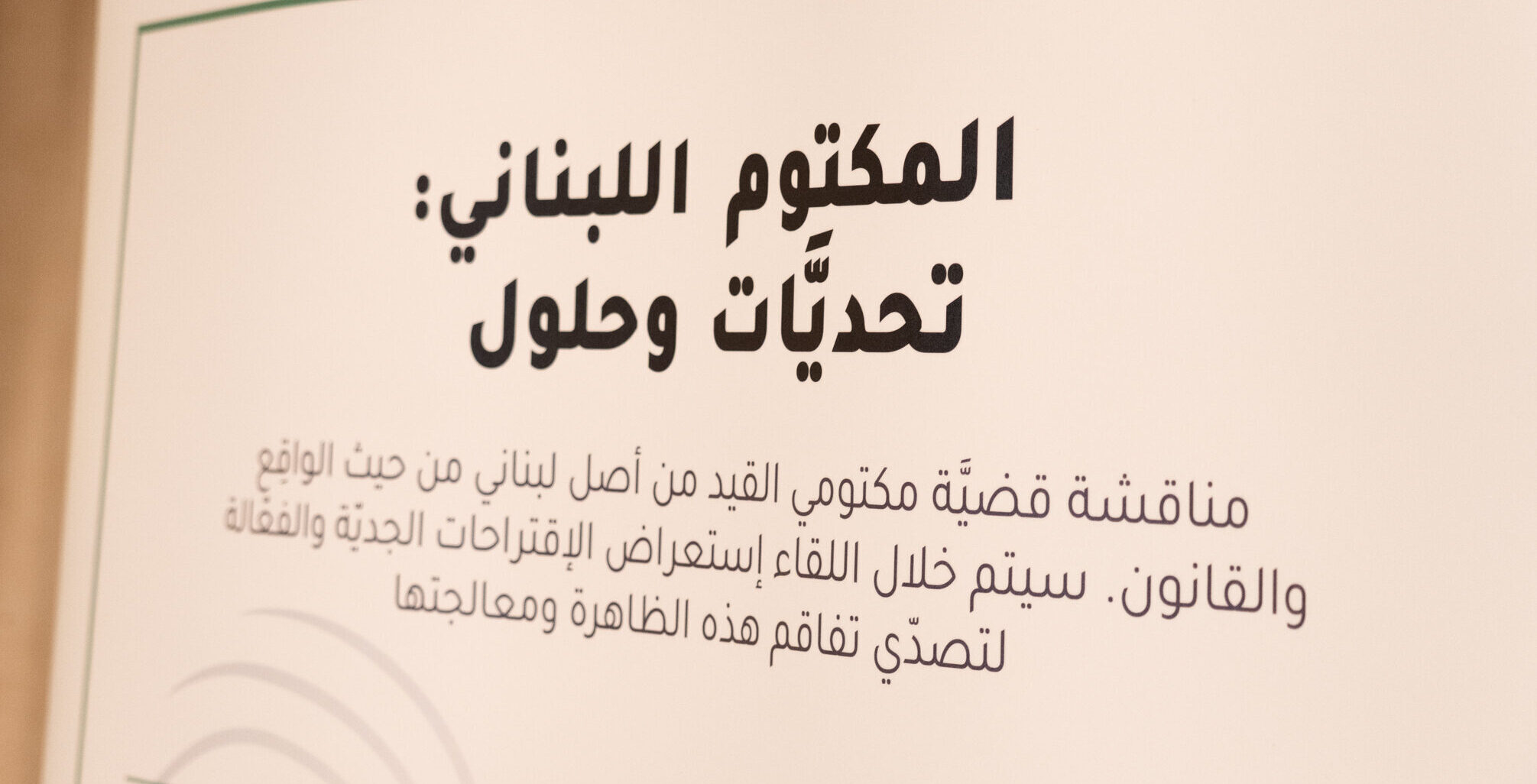
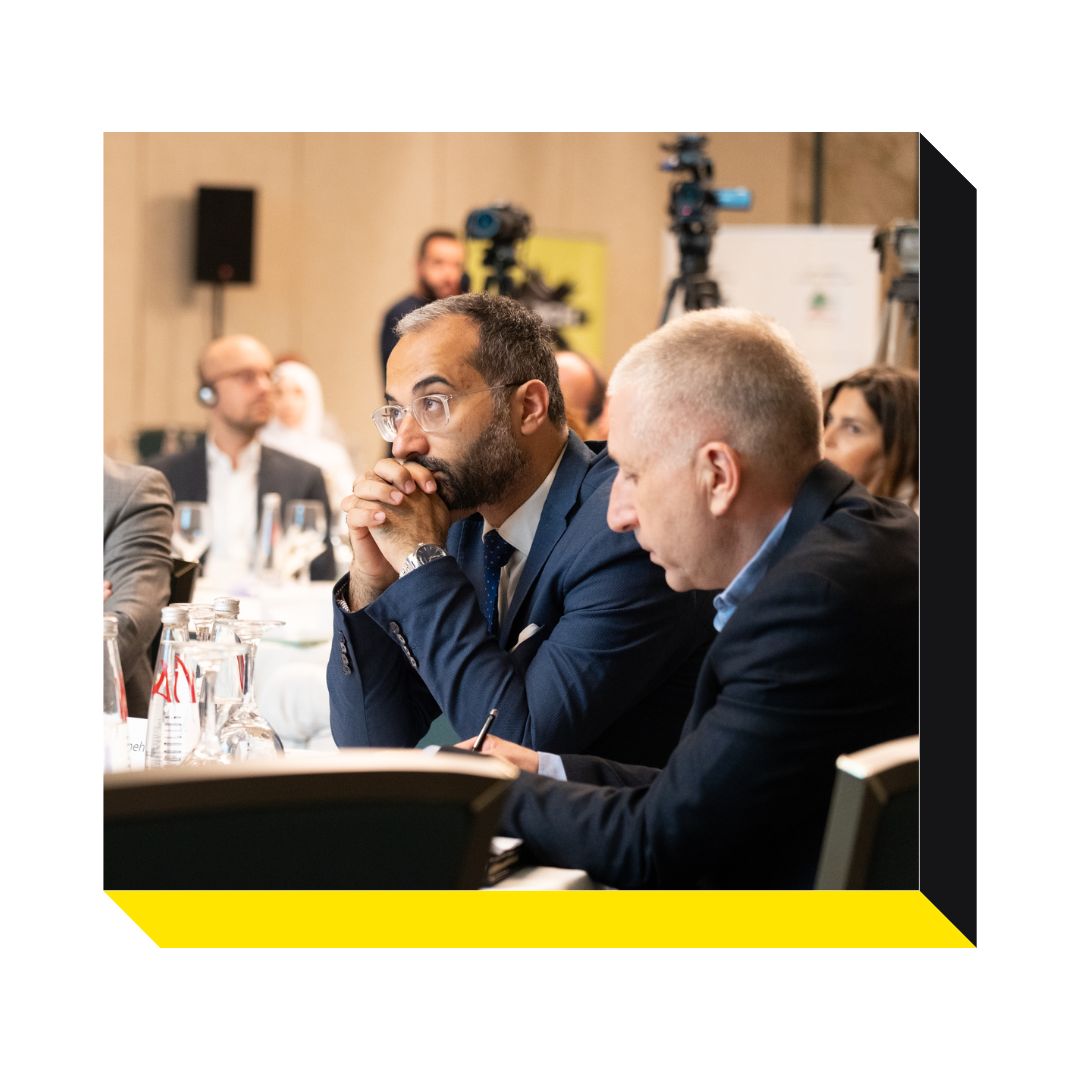
MARCH organized a highly successful high-level consultative meeting entitled “Lebanese Stateless: Challenges and Solutions” in collaboration with the General Directorate of Personal Status at the Ministry of Interior and Municipalities to address the issue of Lebanese statelessness. The meeting brought together several Members of Parliament, ambassadors, experts, policymakers, judges, lawyers, and representatives from various local and international organizations. Background MARCH realized the importance of holding this meeting after conducting intense on-ground research, in which they have found that, to date, there is no official study that determines the accurate official number of unregistered individuals of Lebanese origin. On the contrary, most published articles combine the numbers of both foreign and Lebanese unregistered individuals, placing them in a single category. To address this issue, MARCH collaborated with Siren Company to conduct a field study and survey in 2018-2019 to determine the number of unregistered individuals of Lebanese origin in Tripoli. The results indicated that the estimated number in Tripoli was around 2,200 and approximately 27,000 for Lebanon as a whole. Through this study, it became evident that one of the reasons that challenges people to register their births after the one-year legal deadline is due to the slow administrative procedures and the inability to follow up on files. Consequently, we initiated a collaboration with the Director-General of the General Directorate of Personal Status, Colonel Elias Khoury, to develop and improve the civil registration offices through mechanization, which will facilitate data archiving and monitoring by the state. Within this framework and the efforts of the association, in addition to the healthcare, psychological, and social services provided, MARCH established a legal department to offer legal consultations and represent several cases in court. MARCH also disseminated legal awareness in this field through social media platforms and awareness sessions held at our cultural centers. Through this department, we aim not only to raise legal awareness but also to highlight the difficulties faced in courts, particularly in terms of lengthy trials, lawsuit costs, and the challenge of obtaining necessary documents. From this standpoint, it was crucial to resort to the law to find a solution to reduce the increasing number of unregistered individuals from Lebanese fathers. Therefore, we prepared a draft law as an initiative to address this issue in collaboration with the General Directorate of Personal Status at the Ministry of Interior and Municipalities, specifically with its Director-General, Colonel Elias Khoury, who expressed significant interest and provided substantial support and effort to develop this project. A Highly Successful Consultative Meeting Stirs Solutions for the Lebanese Stateless Mrs. Lea Baroudi, the General Coordinator and Co-Founder of MARCH Association delivered an opening speech where she brought attention to the challenges faced by the Lebanese Stateless such as the deprivation of the right to nationality, access to services, education, employment, healthcare, freedom of movement and other civil and basic rights due to their parent’s failure to register them within the one-year legal deadline. Mrs. Baroudi also highlighted MARCH’s initiatives, which have received support from the British Embassy in Lebanon, including conducting a comprehensive field survey and study on Lebanese stateless individuals in Tripoli (2019), in collaboration with Siren associates, as well as providing legal services, legal awareness sessions, and developing automation system in the General Directorate of Personal Status. Moreover, MARCH is collaborating with the General Directorate of Personal Status to develop an innovative draft law aimed at granting Lebanese identity to every legitimate child of a Lebanese father. Moreover, a short documentary report was presented, highlighting the challenges and firsthand testimonies of Lebanese stateless individuals. In the first panel, researcher Elias Dahrouj from SIREN Associates delivered a presentation on the statistics and findings derived from their comprehensive studies on Lebanese statelessness in Tripoli (2019), Akkar (2021) Beirut, and Mount Lebanon (2023). He discussed common reasons for non-registration and presented the scientific estimate of 27,000 unregistered individuals of Lebanese origin. In the beginning of the second panel, General Fawzi Chamoun, Head of the Bureau of Nationality, Passports, and Foreign Affairs and representative of the Director General of the General Directorate of General Security, emphasized that the General Security has always fulfilled its duties in addressing the issue of unregistered individuals and stressed the urgent need to provide recommendations and immediate solutions to tackle this significant problem, including reducing the referral of unregistered individuals, who are of Lebanese origin, to General Security investigations to alleviate the burden on the judiciary and General Security itself. He also emphasized the importance of awareness campaigns and establishing effective monitoring mechanisms for newborns. General Chamoun highlighted the need to improve coordination between hospitals and relevant official departments to ensure swift registration of births. He also stressed the importance of imposing fines or penalties on parents who fail to comply with the legal deadlines for registering their newborns. During the second panel, Judge Rana Akkoum, Head of the Execution Court in Metn, provided valuable insights into the distinction between Lebanese statelessness and stateless individuals. She shed light on the challenges related to the lengthy judicial process, which led to the imposition of a final registration deadline to avoid possible delays. Judge Akkoum also emphasized that DNA testing, although costly, is important to establish legal parentage. She also identified situations where General Security investigations can be avoided to save time and alleviate the burden. Representing the Beirut Bar Association, Me. Amin Al Kaddoum highlighted the root causes that lead parents to neglect registration within the one-year legal deadline. He linked this issue to a lack of awareness and education about the registration process itself and called on the media to allocate continuous awareness segments. Recognizing this gap, special committees were established within the Beirut Bar Association to provide legal consultations and collaborate with lawyers in courts to effectively address the issues of unregistered individuals and stateless individuals. He stated that these dedicated efforts aim to find practical solutions to the issue of unregistered individuals. In the third panel, General Elias El Khoury, Director General of the Directorate General of Personal Status at the Ministry
REVAMPING LEBANON’S CIVIL STATUS INFRASTRUCTURE THROUGH AUTOMATION
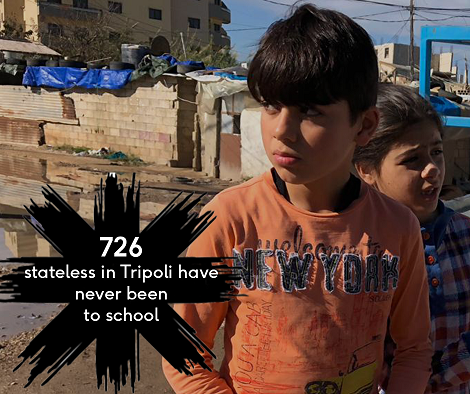
. An estimated 27,000 people born of Lebanese fathers are stateless in Lebanon because their births were not registered. This number is expected to double by the year 2035. . . . In partnership with MARCH’s work with the communities of Beb El Tabbaneh and Jabal Mohsen has exposed us to a pool of socio-economic issues ravaging Tripoli’s most marginalized areas. Through our interactions with the locals, we realized that a substantial number of individuals were stateless. This refers to the fact that they were not registered at birth, leaving to them to face a lifetime of obstacles. Being invisible in the eyes of the State meant they did not have access to basic human dignities and were deprived of fundamental services such as healthcare, a formal education and employment opportunities. This -coupled with a number of different elements- isolated these groups and jeopardized their quality of life which in turn generated a feeling of alienation and hopelessness amongst them. Although our rehabilitation and reintegration program allowed us to get in close proximity to people affected by statelessness, our understanding of its implications was quite limited. There was very little information available on the topic and no official statics had ever been extracted or released by the government. This posed a grave challenge as it hindered our ability to create long-term sustainable impact. In spite of civil society organizations’ efforts to bridge the existent gaps and build the capacities of these vulnerable persons to give them a chance at a better future, certain factors such as statelessness and unclean records remained quite problematic. Therefore, MARCH decided to conduct a baseline assessment to better comprehend the phenomenon and manufacture tools to counter it. Therefore, we partnered up with Siren Associates to produce a report that offers a deep dive into statelessness in Tripoli and that compiles, analyzes and presents accurate and reliable data on the matter. The study focused on individuals of Lebanese decent and provided an overview of the local context. The research showed some unsettling numbers such as the fact that 58% of Tripoli’s stateless population is unemployed and 1300 individuals have a Lebanese father. Furthermore, upon taking a closer look at births registration processes in place, we understood that a large portion of the problem came from bureaucratic lag and complexities. Finally, the report was also supplemented with a set of policy recommendations that would help move towards the detection, reduction, protection and prevention of stateless persons and support the government in sculpting a more efficient and proactive road-map. Following the completion of the above-mentioned report, we proceeded to share our findings with the relevant governing institutions (e.g. the Ministry of Interior and Municipalities and the Ministry of Justice). We concluded that the solution would be to facilitate the registration process. To that end, we proceeded to develop an automation system that would help optimize the workflow within the Personal Status Directorate. This would ultimately allow to solve pending cases of nationality whilst simultaneously facilitating future registrations. Ultimately, such an infrastructure would promote the efficiency and transparency of the administrative mechanisms. Today, the team has begun taking the first step towards installing this system at civil status offices nationwide thus connecting them beyond geographic boundaries.
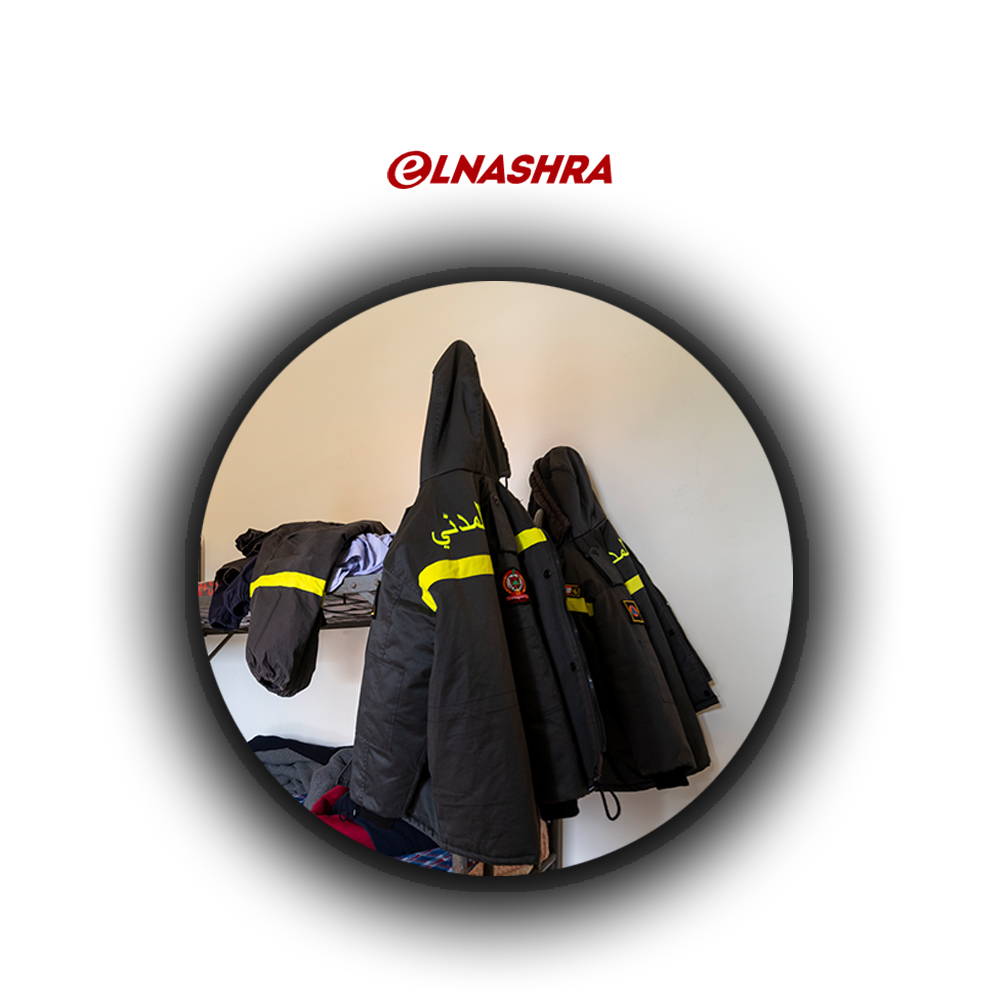
افتتاح مركز بيروت الاقليمي للدفاع المدني في منطقة الكولا
LNASHRA تم الاحتفال بافتتاح مركز الدّفاع المدني الإقليميّ بحلّته الجديدة في حضور مدير العام الدّفاع المدني العميد ريمون خطار، ممثلا وزيرة الداخلية والبلديات في حكومة تصريف الأعمال السيدة ريا الحسن، سفير بريطانيا في لبنان الأستاذ كريس رامبلينغ، رئيسة جمعيّة “مارش” ليا بارودي وعناصر من الدفاع المدنيّ بالإضافة الى شخصيّات أخرى بارزة مثل الممثل والمخرج جورج خبّاز. أنجزت عمليّة إعادة التأهيل على أيد شبانٍ وشابات المهمشين والمنسيّين من مختلف أرجاء بيروت أبرزها مناطق المدينة الرياضية، الشياح وطريق الجديدة. وأطلقت الجمعيّة هذا البرنامج ضمن نطاق مبادرة “العمل الجماعيّ من أجل الوطن” حيث اختارت التعاون مع الدفاع المدنيّ اللبنانيّ لما تمثله هذه المؤسسة من مبادئ. فإن العيش المشترك، التضحية والولاء للوطن عناوين أساسيّة في رسالة الدفاع المدنيّ تتجسد أيضاً في عمل مارش. تخلّل الحفل فيلم وثائقيّ جسّد روح المشروع وعرّف الحاضرين على بعض الشّباب الّذين شاركوا في البرنامج. كما قام الضيوف بجولة على المبنى وتعرّفوا على أبرز ملامحه الجديدة. أحيت الإفتتاح فرقة الدفاع المدنيّ بالإضافة إلى ألحان شبّان من “هنا بيروت”- مركز مارش الثقافيّ- مضيفين لمسة موسيقيّة رائعة
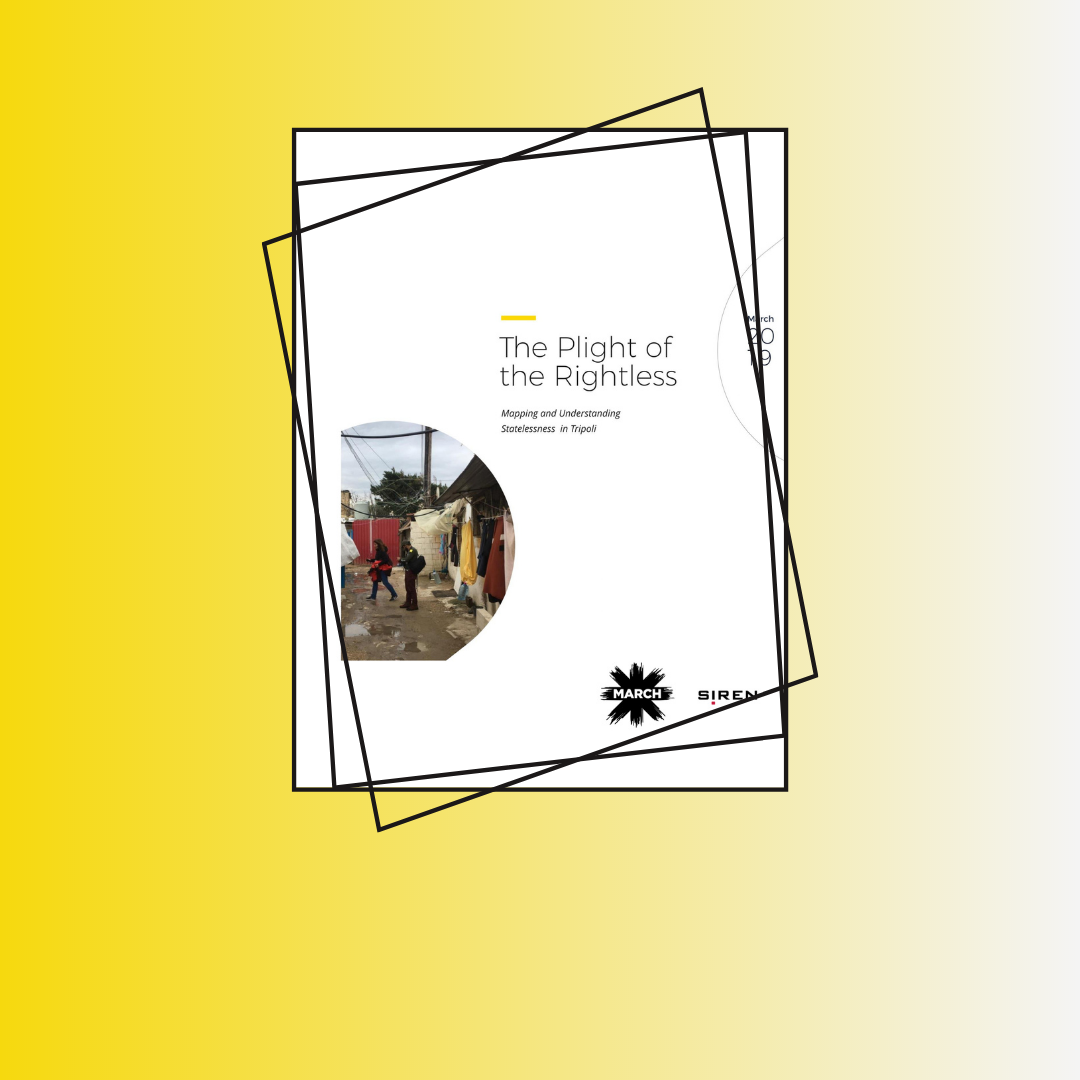
PLIGHT OF THE RIGHTLESS
Mapping and Understanding Statelessness in Tripoli. “This report provides an analysis of statelessness among people of Lebanese decent in the northern Lebanese city of Tripoli. It starts with an overview of the local context, then introduces statelessness as a global concept along with the relevant international conventions and best practices to solving it around the world. A historical and legal review of statelessness in Lebanon follows. The situation of stateless people of Lebanese origin in Tripoli is then assessed through reviewing quantitative survey data as well as insights from key informant interviews. Lastly, the report concludes with a section on policy recommendations.”

A LEGISLATIVE OVERVIEW OF THE LEBANESE CENSORSHIP SYSTEM
Inform yourself on the legislative landscape that dictates the Lebanese censorship system. Find out more about MARCH’s recommendations on how to move towards laws that protect freedom of expression.
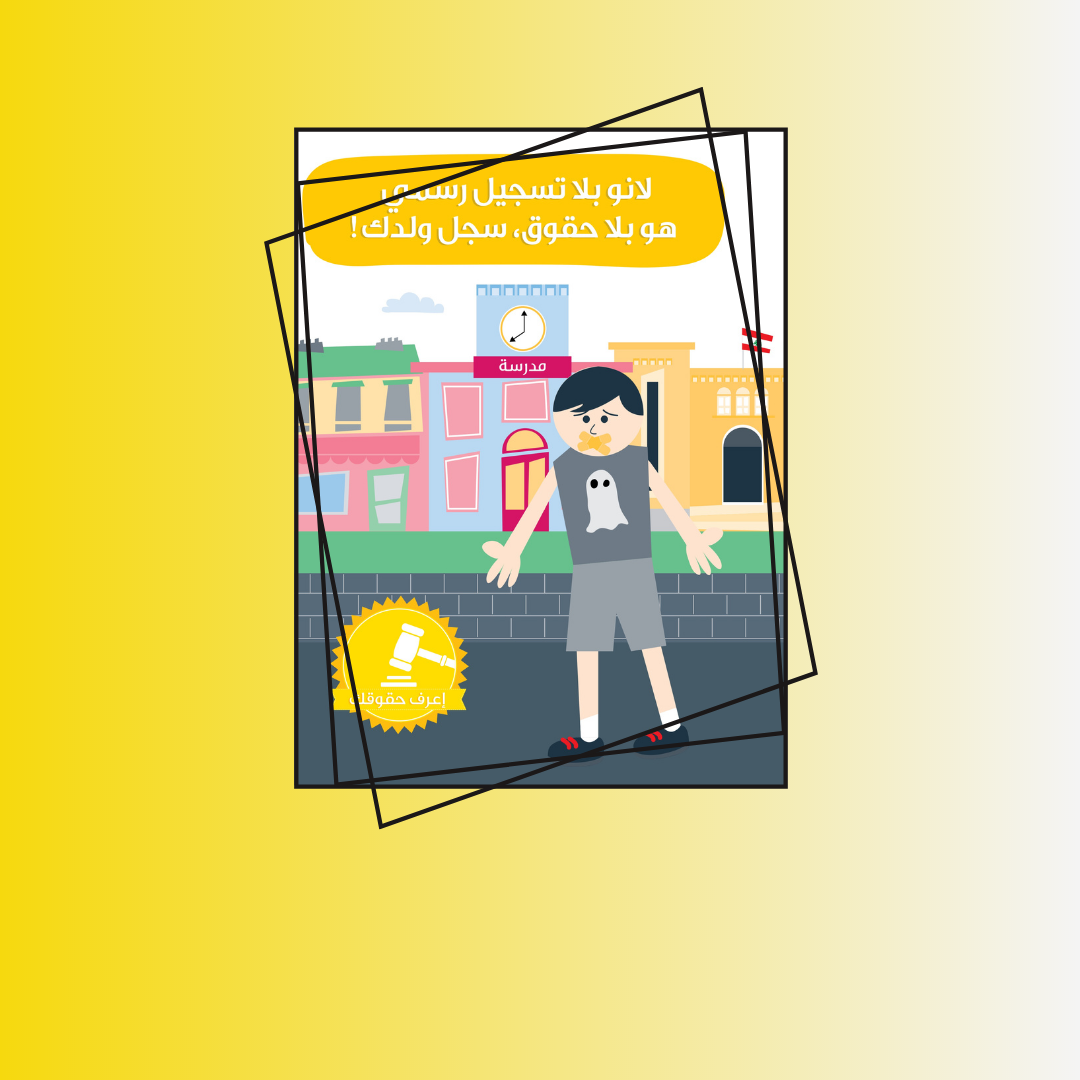
دليل لتجنب انعدام الجنسيّة
اعرف حقوقك .لأنو بلا تسجيل رسمي هو بلا حقوق
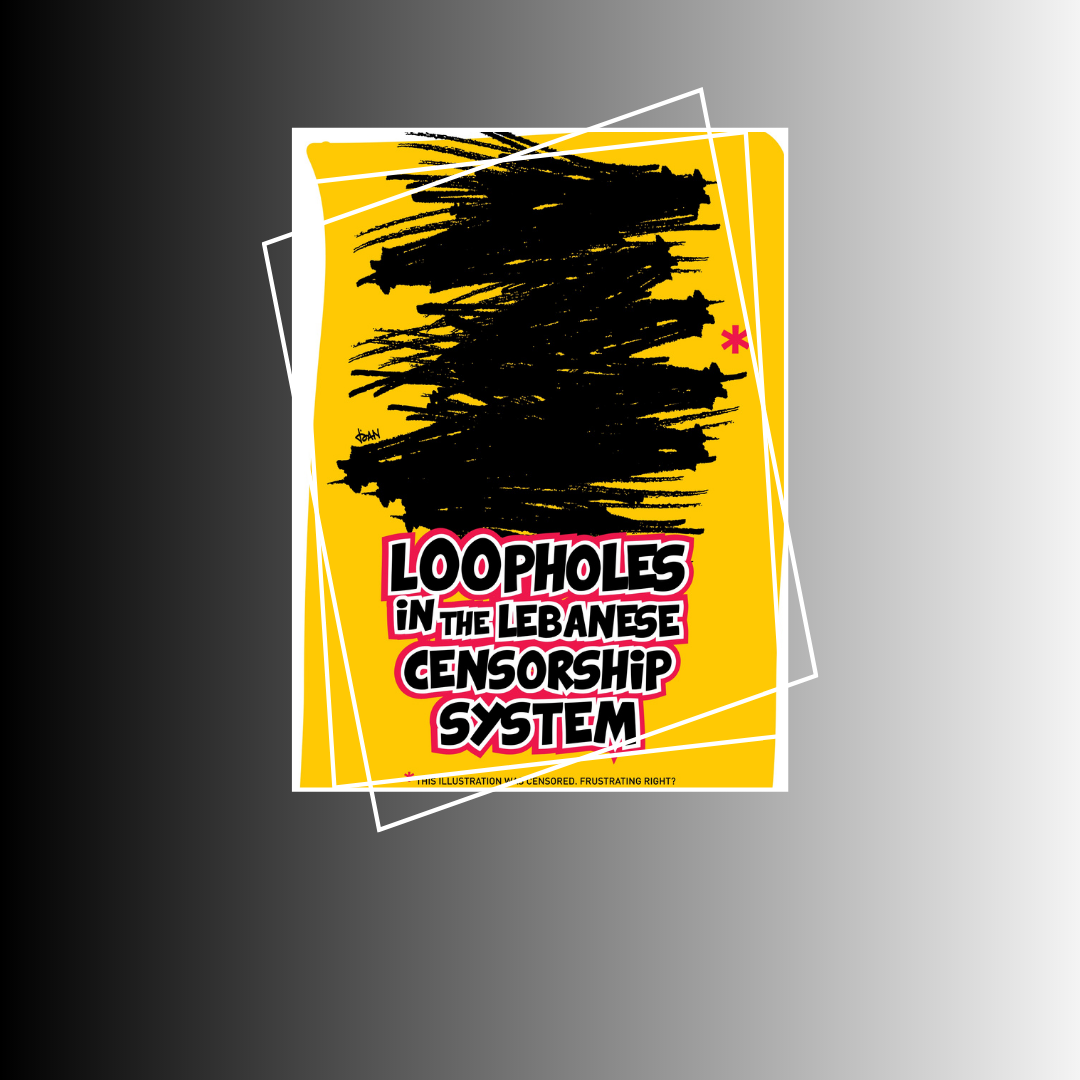
LOOPHOLES IN THE LEBANESE CENSORSHIP SYSTEM
Understand the Lebanese censorship system.