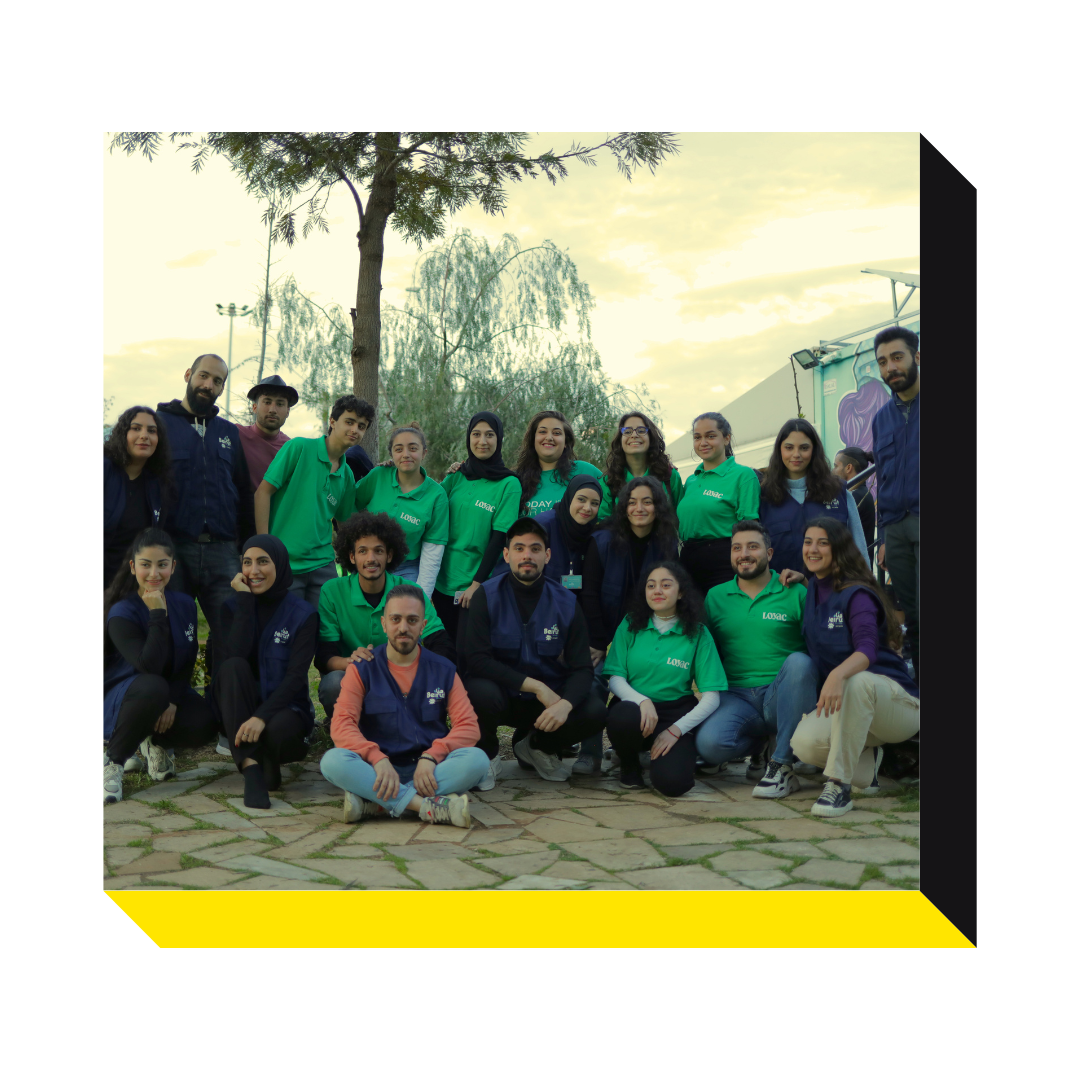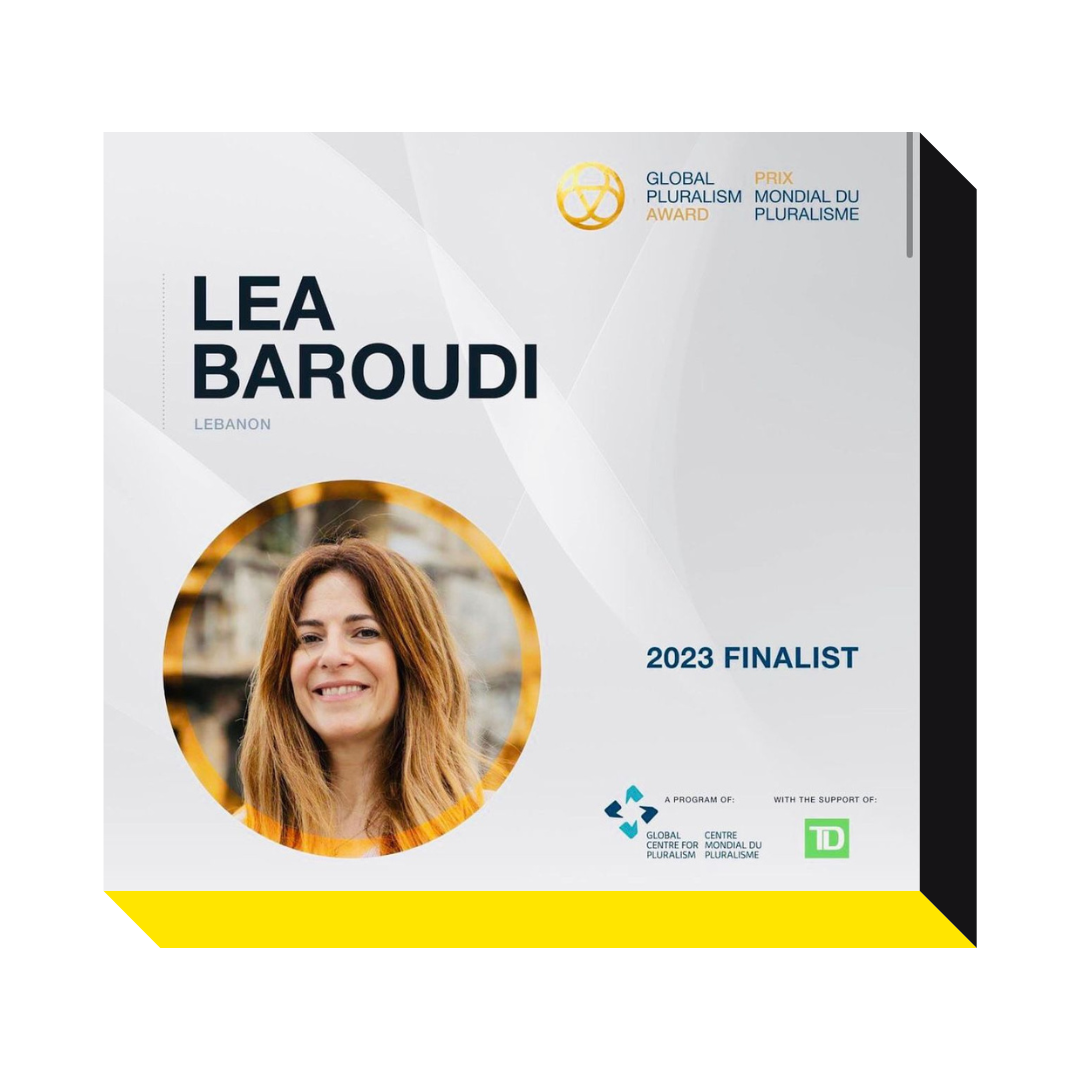
Lea Baroudi, Co-Founder and General Coordinator of MARCH, an organization dedicated to peacebuilding and conflict resolution and youth empowerment in Lebanon, has been selected as one of the ten finalists for the 2023 Global Pluralism Award. The 2023 Global Pluralism Award recognizes the remarkable efforts of Mrs. Baroudi, a passionate peace mediator employing art, culture, education, and development to provide Lebanese youth with a unique opportunity to escape the clutches of violence, extremism and sectarian divides. The Global Pluralism Award is a biennial global award presented to individuals, organizations, governments, and businesses that have demonstrated remarkable and sustained contributions to building societies where diversity is not just embraced but safeguarded. The award is administered by the Global Centre for Pluralism, a charitable organization founded by His Highness the Aga Khan and the Government of Canada. The Centre collaborates with policymakers, educators, and community leaders worldwide to promote and implement the transformative power of pluralism. Mrs. Baroudi’s commendable endeavors through MARCH’s work in peacebuilding and conflict resolution with former fighters and adversaries from the two conflicting communities of Jabal Mohsen and Beb El Tebbeneh who once were a battleground of sectarian clashes. Along with several conflict resolution programs such as building bridges between communities and security institutions, conducting dialogue sessions and conflict transformation workshops, MARCH is also known for its Theatre for Reconciliation program that successfully united and reconciled youth from diverse backgrounds through the medium of theater, notably in Tripoli, Beirut and Akkar. The journey of Theatre for Reconciliation began with the production “Love and War on the Rooftop” in Tripoli which brought together young people from Jabal Mohsen and Beb el Tebbeneh. Through this powerful performance, the youth were able to bridge their differences, forging connections that transcended their cultural and social boundaries. Lea Baroudi’s recognition as a finalist for the 2023 Global Pluralism Award is not just an acknowledgment of her individual efforts, but also a celebration of the transformative impact that organizations like MARCH can have in building a more inclusive and pluralistic world. Her work serves as an inspiration and a reminder that, even in the face of deep-seated divisions, peace, reconciliation, and pluralism are attainable goals when driven by dedicated individuals and organizations like MARCH.
Tag: Beirut
SUPPORTING & STRENGTHENING THE PUBLIC SECTOR
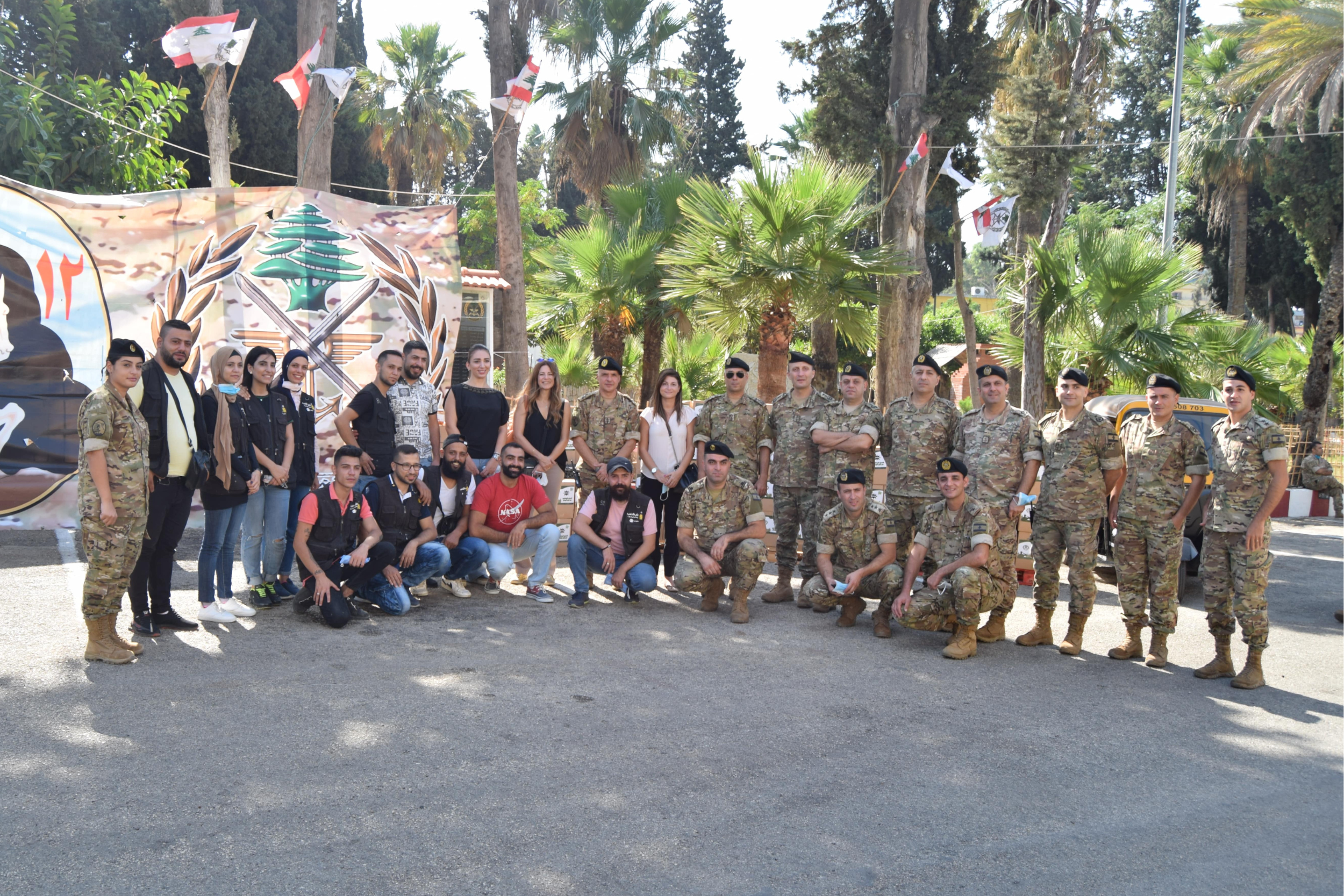
Institutional Resilience and Collaborative Approach: MARCH’s Path to Social Cohesion In the pursuit of a stable and prosperous nation, institutional resilience stands as a cornerstone for both development and social harmony. Establishing a robust governmental infrastructure is vital to ensuring citizens’ access to essential services that contribute to a high quality of life. Yet, when proper governance mechanisms are absent, the resulting socioeconomic disparities can erode the very fabric of societal unity. Recognizing its interconnected role within the broader context, MARCH understands that sustainable change is not a solo contribution, but one rooted in collaboration and cooperation. The organization acknowledges that effecting positive transformation requires partnerships that transcend sectors and ideologies. MARCH is deeply committed to fostering public sector reform through strategic alliances with governmental institutions. Promoting Civil-Military Cooperation The commitment of MARCH to collaboration has been successful across multiple sectors. One noteworthy example is its fruitful partnership with the Lebanese Armed Forces. By maintaining consistent communication and coordination with the Lebanese army, MARCH has contributed to reshaping perspectives towards the army’s approach in post-conflict scenarios. This collaboration has also facilitated constructive dialogues between local communities and army members, paving the way for mutual understanding and cooperation. Activities like football tournaments, installing solar panels, agricultural projects and jointly creation of a military training base by youth from Beb El Tebbeneh and Jabal Mohsen, with army members, have reshaped perceptions and socioeconomic dynamics. Addressing Statelessness: An Impetus for Change MARCH’s collaboration has also been successful in its work in tackling statelessness. After identifying a substantial number of stateless individuals in Tripoli, the second largest city in Lebanon, MARCH took initiative to conduct a comprehensive field study, shedding light on the implications of this issue in several regions in the country. Stateless individuals from Lebanese fathers lack official recognition by the government due to the failure of registering their birth within the legal timeline and ignorance of the legal frameworks. As such they face immense challenges in accessing fundamental services like education, healthcare, and employment. In response, MARCH partnered with Siren Associates to develop an automated system that revolutionized the work of civil status registrars across Lebanon. This system not only promotes transparency and efficiency but also addresses the core issue of statelessness. A Unifying Approach: Building Bridges between Communities and Governmental Institutions MARCH’s efforts showcase the transformative potential of initiatives and these collaborations bridge the divide between government institutions through fostering open dialogue, sharing knowledge, and working together. MARCH’s model illustrates the power of cooperation in creating lasting change portraying that institutional resilience isn’t only about the strength of governmental structures; it’s about recognizing the interconnectedness of all segments of society. Through forging alliances, sharing expertise, and embracing a united approach, MARCH is building a new perception of the community towards the army and governmental and legal institutions away from mistrust and resentment and towards acceptance, tolerance and trust.
EMPOWERING WOMEN
Transforming Communities: Empowering Women through Post-Conflict Peacebuilding In recent years, the humanitarian sector has embraced a gender-sensitive lens: recognizing the importance of women’s active participation in peacebuilding processes, particularly in post-conflict societies. MARCH’s work in Tripoli has been at the forefront of this transformative approach which showcases the power of women’s inclusion in rebuilding efforts and how it leads to stronger, more resilient communities. Recognizing the Crucial Role of Women MARCH acknowledges the importance of women’s equal and active involvement in their rehabilitation and reintegration programs which is vital in defying the concept of alienating women from peacebuilding interventions that in turn weakens the foundation and compromises the stability and sustainability of intercommunal cohesion. The local context in Tripoli demanded a nuanced and intricate approach. MARCH launched a unique reconstruction project in Beb El Tabbaneh and Jabal Mohsen following the severe clashes of 2011. The project involved daily collaborations between men and women from both communities. Their joint efforts focused on renovating buildings and a market place along the former demarcation line that was destroyed by the clashes. This initiative aimed to foster tolerance, respect, and understanding while challenging traditional gender hierarchies. Breaking Stereotypes and Empowering Women During the workshops in Kanyamakan, women challenged the patriarchal perception of their role and became fundamental components of the rebuilding process. They worked alongside men, defying traditional gender norms. Men received on-the-job training in construction, while women were offered graphic design courses. The women designed shop signs and branding materials, demonstrating their creativity and contribution to the project. This collaboration shattered gender barriers and shifted power dynamics. Transforming Women into Actors of Change The inclusion of local women in MARCH’s work empowered them and provided the confidence and support they lacked. By equipping them with the necessary skills and tools, MARCH enabled women to become agents of change. They transformed from passive recipients of aid to active participants in their communities’ development. Through the Beb El Dahab program, women discovered new skills, interests, and hobbies. They even started manufacturing their own products, such as t-shirts and tote bags, generating their own revenue and becoming economic agents in the process. Evolution of Women’s Engagement MARCH’s efforts have had a lasting impact on the lives of women in Beb El Dahab. Their engagement with the organization’s activities continues to evolve and take on various forms. By empowering women, MARCH not only challenged gender inequality but also transformed societal perceptions of men towards fashion design and embroidery. Now, women participants have access to a world of opportunities previously restricted by their gender, leading to a more inclusive and prosperous society. MARCH’s work in the Kanyamakan hub of Beb El Dahab exemplifies the transformative power of women’s inclusion in peacebuilding processes. By empowering women and challenging traditional gender roles, MARCH has helped create resilient and cohesive communities. Their efforts demonstrate the importance of women’s equal and active involvement in rebuilding post-conflict societies, ultimately leading to sustainable peace and progress.
ALL ABOARD! BUILDING BRIDGES THROUGH CREATING SAFE AND INCLUSIVE PUBLIC SPACES
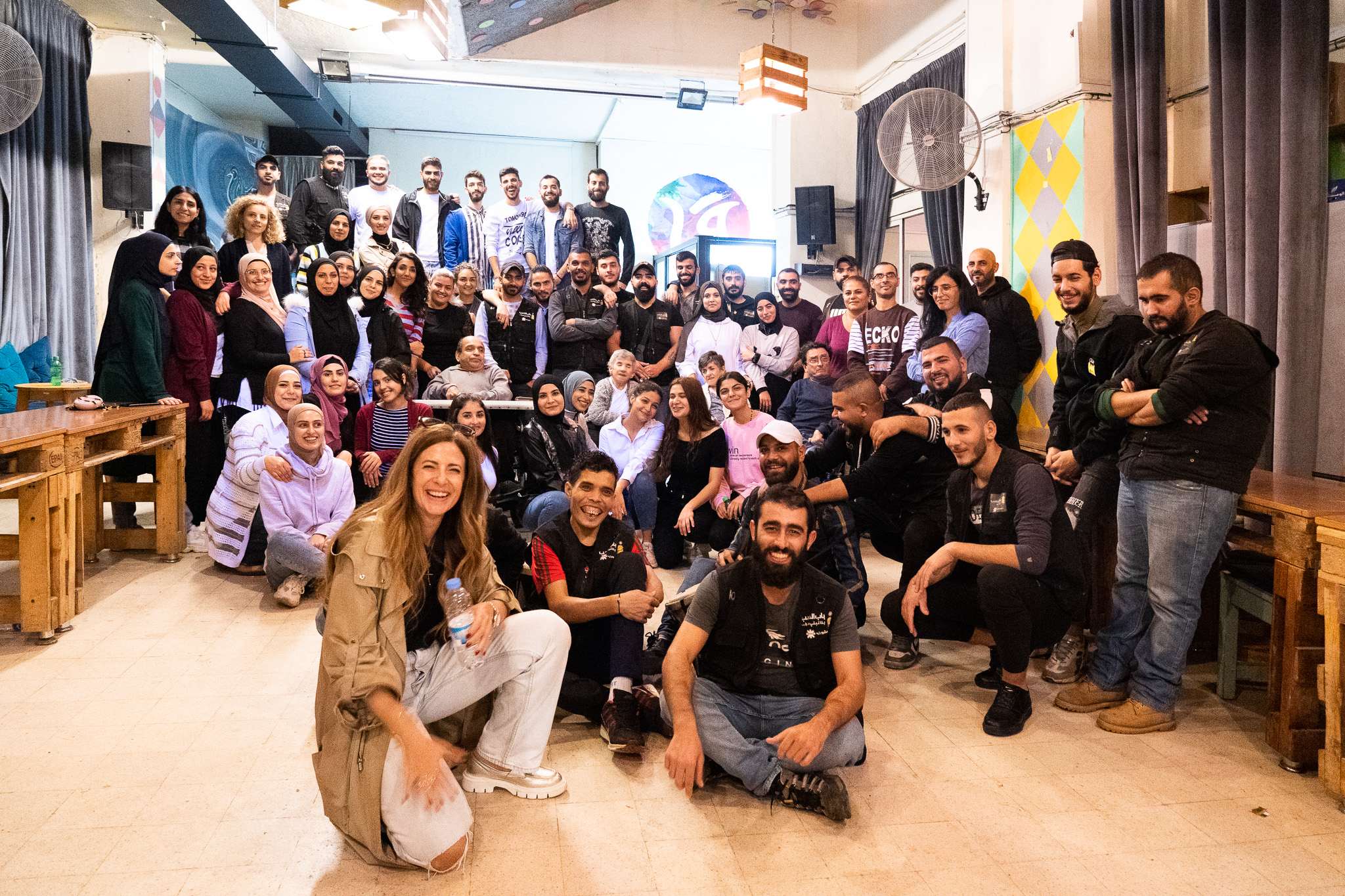
In 2016, MARCH inaugurated Kahwetna, on Syria street, the former demarcation line between Jabal Mohsen and Beb El Tebbeneh of a violent past. Kahwetna serves as a cultural café and hub which brought together former enemies and fighters in the aim of building bridges and friendships and fostering constructive dialogue. Today, Kahwetna has developed into the cradle of our organization’s work in Tripoli and has transformed into a place where participants share stories, meals and experiences. Kahwetna has become a hub for tolerance and understanding and has contributed to the creation of a common identity. By engaging with the young men and women of Beb El Tabbaneh and Jabal Mohsen, our organization recognized the imperative need to create safe and inclusive public spaces within the communities that would give the youth a place to interact away from the toxic dynamics of sectarian divide. MARCH also wanted to build an environment that challenges the patriarchal narrative and allowed women to be seen as equals. From here came the idea of our cultural cafés. Over and above, MARCH realized that the absence of accessible shared spaces had intensified the sharp sectarian dichotomy within these neighborhoods. In 2018, MARCH replicated this experience in Beirut where it opened Hona Beirut, another cultural café strategically placed at the heart of one of the capital’s former demarcation lines. Much like Tripoli, Beirut’s multiculturalism hadn’t always played to its advantage. Traces of the civil war still remained embedded in the city’s infrastructure. Although different in nature, sectarian tensions were also tangible and youth were more often than not confined to their respective environments rarely integrating other communities. Therefore, the organization set out to establish Hona Beirut, an inter-communal hub that offers artistic and recreational facilities in addition to ongoing capacity-building and career-oriented workshops. Hona Beirut has successfully challenged the cross-generational sectarian narrative that had been forcefully ingrained in the city’s youth. Kahwetna and Hona Beirut have been the cornerstone of MARCH’s work in peace-building as they have allowed the youth to claim ownership of their own expression and find a sense of belonging.
HONA BEIRUT: A CULTURE HOT-SPOT IN THE HEART OF BEIRUT
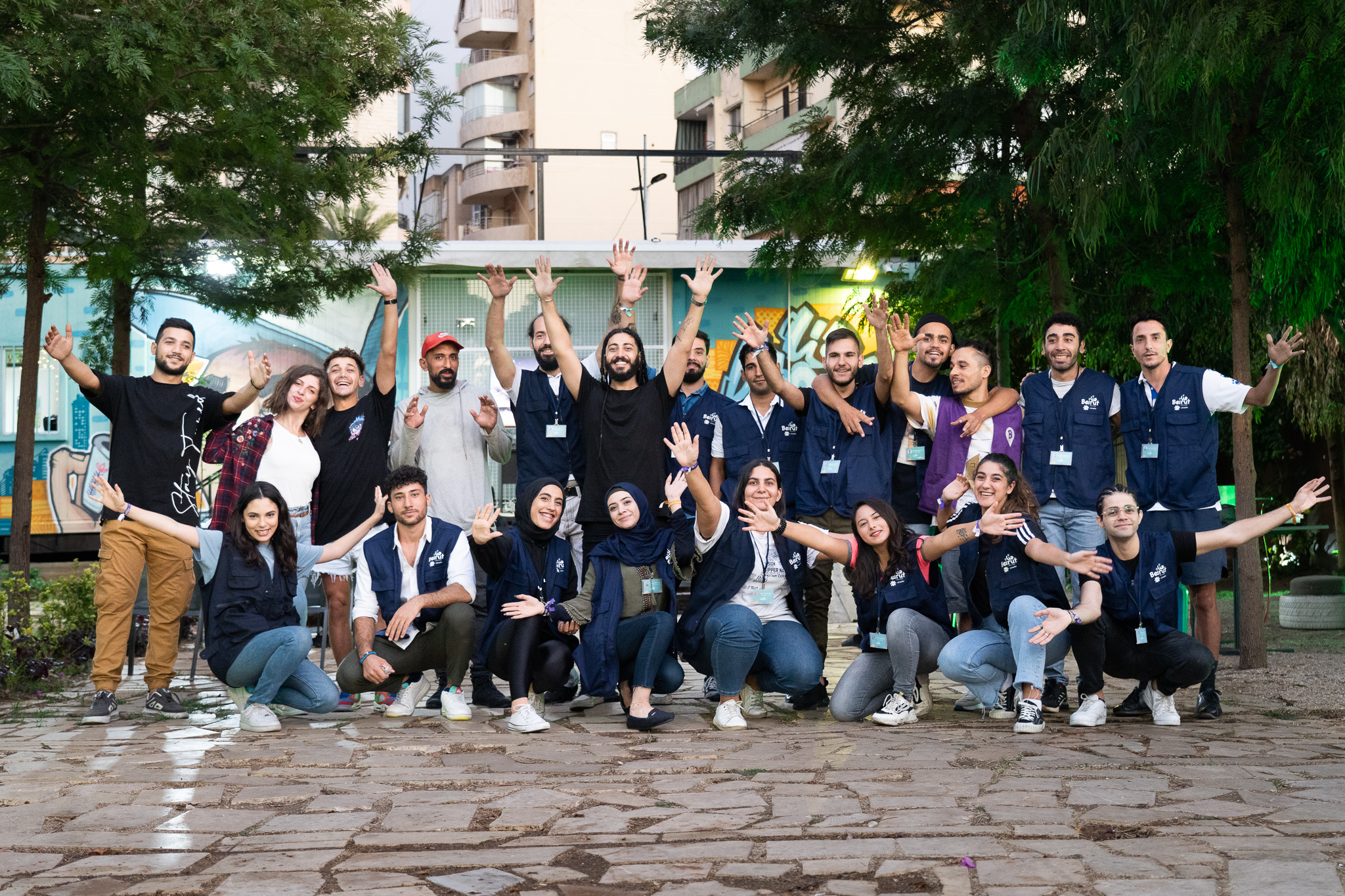
Beirut, the capital of Lebanon, hosts several marginalized communities who lack access to equal and equitable opportunities. This has been the city’s biggest trait for a long time even before the start of the current economic crisis. In addition to the socio-economic inequalities, what characterizes this city is a fissure between the different communities. Most people in Beirut live inside socio-economically and culturally homogenous communities and rarely interact with others from different communities. As such, this has led to a closed mindset towards accepting others from different communal backgrounds. In this regard, MARCH has created a cultural hot-spot that allows youth from different parts of Beirut to join in a common space where they can share experiences and activities. In 2018, the organization launched Hona Beirut, its second cultural café at the intersection of different neighborhoods reflective of the capital’s diversity. The café is now attributed as a few of Beirut’s green public hangout spots. It features a professional recording studio and a modest library. Additionally, it regularly hosts a variety of cultural events such as open mic nights, poetry nights, movie nights etc. designed to bring the community closer together and provide a pedestal for self-expression. As a result, the café has successfully created an unconventional learning network that allows youth to explore their interests and discover new skills. Building bridges at Hona Beirut also takes place through the Football Club where youth from different backgrounds join together on the football field and learn about teamwork, team building and cooperation. Not only being a safe space for youth, Hona Beirut contributes in promoting peacebuilding in the area. At Hona Beirut, youth learn about conflict resolution and negotiation through joining the Debate Club. The Debate Club encourages constructive discussions on several topics that interest them and provides a platform for discussion, negotiation, mediation and conflict resolution techniques. Moreover, Hona Beirut provides an array of free capacity-building workshops and employability workshops to help alleviate the economic disparities and provide vulnerable youth with practical tools that would allow them develop marketable skills and offer them a chance at a better future.
THEATER FOR RECONCILIATION: Uniting Communities through Art and Culture
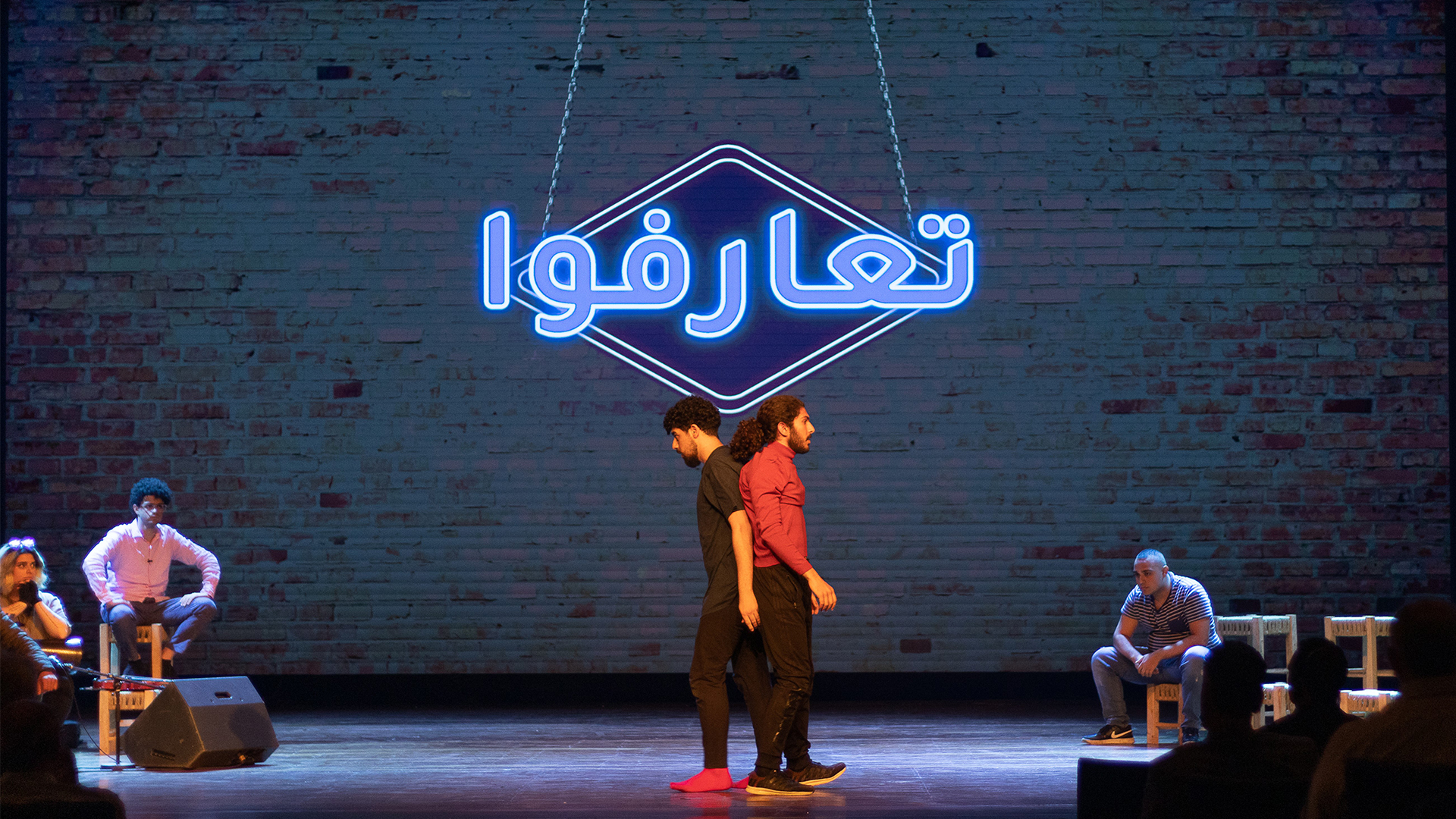
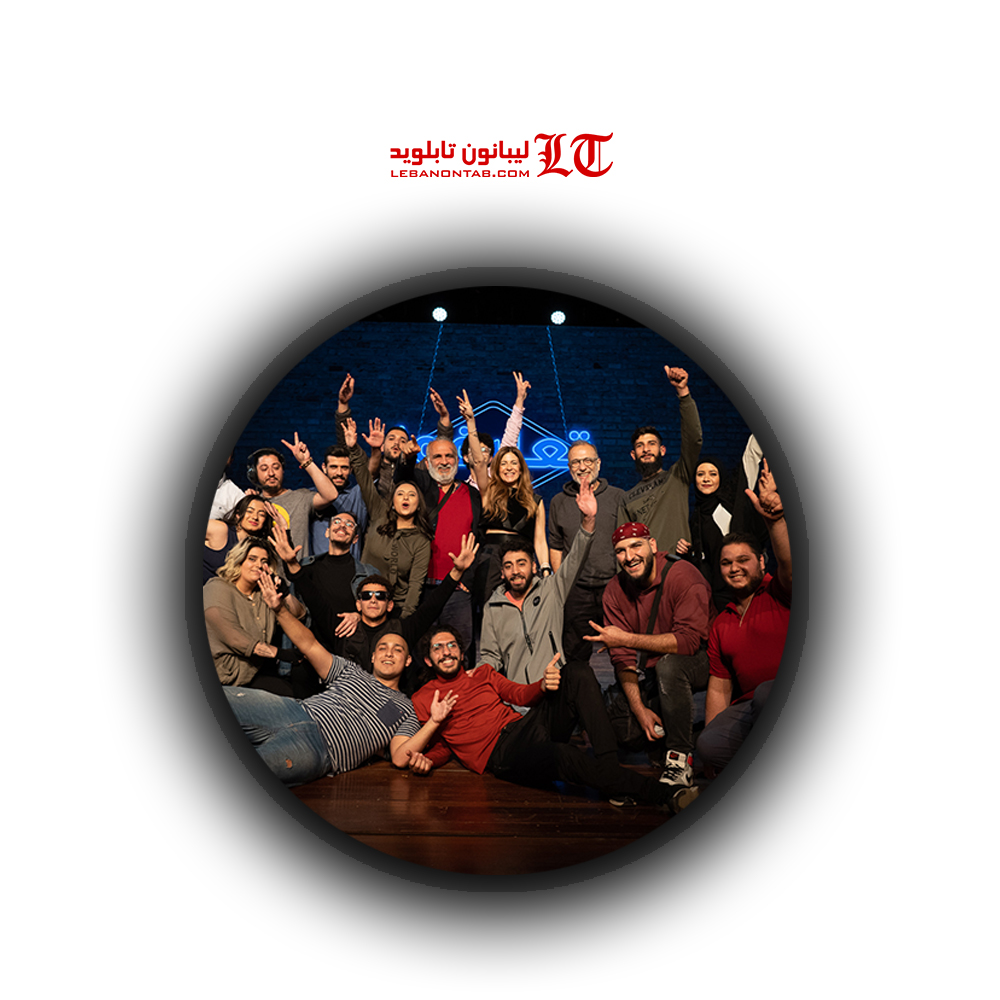
MARCH believes in the transformative power of art and culture as catalysts for positive change. This belief has inspired numerous initiatives such as the Theater for Reconciliation. Launched in 2015 in Tripoli, Lebanon, this groundbreaking program has successfully united and reconciled youth from diverse backgrounds through the medium of theater. By providing a safe and inclusive space for young individuals to share their stories on stage, break down stereotypical barriers, foster understanding, and deconstruct preconceived judgments. This innovative peacebuilding and rehabilitation tool, provides a platform for constructive dialogue and self-expression. Through the safe and inclusive space it creates, it allows participants to process any political, religious or personal grievances they may have and better understand “the other” away from divisive, prejudiced and stereotyped narratives. The Sunni neighborhood of Beb El Tabbaneh and the Alawite neighborhood of Jabal Mohsen had been in a long-standing, cross-generational feud that had fostered animosity and resentment between their respective communities. Their conflict seemed to be rooted in their religious and ideological differences and garnered national attention. The volatility of the area coupled with prejudice and misinformation led to the ostracization of that part of Tripoli. Following the violent clashes that had erupted in 2011 between Jabal Mohsen and Beb El Tabbaneh, MARCH decided to try and reconcile youth from both sides of the frontlines. Love and War on the Rooftop: The Beginning of a Journey: The journey of Theater for Reconciliation began with the production “Love and War on the Rooftop” in Tripoli. The play brought together young people from Jabal Mohsen and Beb el Tebbeneh, two historically divided communities with a long-standing history of conflict. Through this powerful performance, the youth were able to bridge their differences, forging connections that transcended their cultural and social boundaries. The idea was to create a theater play inspired by their war-torn lives and personal experiences and offer them a chance to tell their own story and set their own narrative. Following the ceasefire imposed by the army in 2014, we held auditions to recruit young men that would be willing to share a piece of themselves and their history. The process was extremely challenging but we ultimately managed to convince 16 individuals to take part in the play. The project was experimental, its goal was to encourage constructive dialogue and build bridges away from sectarian divide. We wanted to help the participants see past the stereotypes they had of one another. Although there were some challenging moments, the initiative proved to be quite cathartic. It helped them rediscover their identity and see each other in a different light. Enemies became friends and former fighters became actors. Expanding Horizons: A Growing Movement Following the success of “Love and War on the Rooftop” Theater for Reconciliation expanded its reach to other areas of Lebanon. Initiatives like “Tripoliyat” and “Habib El Kel” in Akkar, as well as “Hona Beirut” and “Cafe b Kaffak” in the capital Beirut, continued to build bridges between communities and inspired open dialogues about unity and diversity. Taarafou: The Latest Triumph: The most recent addition to Theater for Reconciliation is “Taarafou”, a comedy play that brought together 20 young men and women from different communities in Beirut. Written and directed by Yehya Jaber, the play was made possible as it draws inspiration from the real-life experiences of its cast members, creating a performance that celebrates the diversity of Lebanon’s youth. A Message of Unity and Acceptance: Theater for Reconciliation, including its latest production “Taarafou” has played a pivotal role in sparking meaningful conversations around embracing diversity as a source of unity. By providing a platform for young individuals to share their stories and experiences, the program has challenged divisive narratives and fostered a sense of understanding and acceptance among Lebanon’s youth. Lastly, Theater for Reconciliation stands as a beacon of hope in a community once divided by conflict and misunderstanding. Through the power of art and storytelling, this transformative program continues to bridge gaps between communities, proving that unity and acceptance can be achieved through shared experiences and empathy.
Building Bridges in Beirut – Hona Beirut Community Project
The event celebrated cultural diversity through dance and music performances in memory of the late Mrs. Hedwig Waltmans-Molier, spouse of the former Ambassador of the Netherlands to Lebanon, Mr. Jan Waltmans. MARCH organized the “Getting Together – Youth Cultural Exchange” program to join youth from different areas of Lebanon, promote social cohesion and peace through culture and arts. The youth also planted an olive tree in the memory of Mrs. Hedwig, who tragically lost her life in the Beirut Port explosion.
ليبانون تابلويد – يحيى جابر في “تعارفوا”: لعبة البكاء والضحك في المأساة
تُعرض على خشبة مسرح دوار الشمس في الطيونة مسرحية “تعارفوا” كتابة وسيناريو واخراج يحيى جابر. الأربعاء ٠٢ فبراير ٢٠٢٢ أنطوان سلامه- تعارفوا عنوان مسرحية يحيى جابر “الكوميدية الطائفية” كتابة وإخراجا في سياق نشاطات جمعية مارتش يقودك العنوان حكما الى سورة الحجرات (آية ١٣) :” يا أيها الناس إنّا خلقناكم من ذكر وأنثى وجعلناكم شعوبا وقبائل لتعارفوا…” يقارب يحيى جابر عنوان مسرحيته من زاوية أخرى في سياق بحثه الدائم في الهويات اللبنانية. .”يمسرح” بحثه على خشبة من دون ديكور تغيب المدينة عن خشبته، باستثناء عازفين يجلسون على كراسي بمستويات عدة، وشاب يقدّم برنامجا تلفزيونيا لهواة في فنون عدة أو أوجاع مختلفة. .تغيب المدينة حجرا لتحضر بيروت في تناقضاتها، في الضاحية والخندق العميق والطريق الجديدة والاشرفية يظهر على الخشبة، هواة في التمثيل، حصدتهم جمعية مارتش، من بيئات مهمّشة، لتكسر حواجز الخوف من الآخر فتفتح لهم المستقبل. لا يضيئ يحيى جابر على الهوية الضائعة والمشلّعة في حدّ ذاتها، يقود ممثليه الى داخلهم، يفصلهم عن الإطار ويتوغل معهم في الذات والآخر، في برنامج احتفاليّ، يستند الى التعبير عن الجراح التي فيهم. يقارب يحيى الصراعات اللبنانية ويغوص أكثر في تداعيات الفقر والنمو العائلي والصدمة في مدرسة أو شارع. تكمن مهارته في حواره مع هؤلاء الشباب المهمّشين، لينتزع منهم اعترافات خاصة حوّلها الى حبكة مسرحية جذابة. كتب نصّه انطلاقا من تجارب شبابية، فجاء حقيقيا الى درجة يختلط فيها المسرح مع “حيوات” حصلت بالفعل. من تابع مسرح يحيى جابر، يلاحظ أنّ في نصه والسيناريو الذي صاغه في “تعارفوا” يخرج عن سياقه من دون أن يبتعد. حافظ على اتقانه فنّ السخرية في اللحظة الجديّة. تتمثّل شاعريته في التعبيرعن وجع ممثليه، لم يكتب نصا شعريا، غاص في بلورة نص دراماتيكي مأهول بسكان من لحم ودم وجراح. برع في استخدام ” المونولوج” المشهور في صياغته، فأعطاه بُعدا جديدا تمثّل في الحديث علنا مع الذات ومع الآخر المُختلف في جلسة عامة أو برنامج تلفزيوني. حافظ أكثر على صفته صحافيا استقصائيا يبحث دوما عن الفضيحة التي تكشفها صراعات الهويات الضائعة في الهوية الشخصية واللبنانية، وهذا امتياز له في مسرحه ال “بيروتي” المتفرّد بصفة عالمية، في تطرقه الى الهواجس. بيروت في “تعارفوا” هي الأساس بما تضمه من هويات وجنسيات ضائعة في مآسي لبنان وفلسطين وسوريا. ما أضافه يحيى جابر في مسرحيته الجديدة، أنّه اقتبس حواراته من نماذج بشرية حيّة نراها تعرض مآسيها على الخشبة. أخرج المأساة الفردية من دهاليزها، ومن تهميشها، لتتدفق على الخشبة حركة وتعبيرا ،فيضحك الجمهور لينكفئ الى ذاته بعد كل قهقهة، يتذكّر أنّ ما يشاهده ويتفاعل معه، ليس مسرحا، هو الواقع الملتصق بالحقيقة المؤلمة. نجح يحيى جابر في فصل المسرح عن الحياة، دمجهما في “تعارفوا” الى حدّ التلاحم المتماسك. لم يصدّق الجمهور أنّ من على الخشبة هو ممثل، أقنعه يحيى جابر بأنّه انسان مجروح ومصلوب ومفتت، ومطعون في صميمه. كسر محرّمات وهو الذي يجيد الهزل في الجدّ. حطّم الوقار والرصانة في لعبته المسرحية التي تغطي انحرافه في السخرية السوداء بالتساوي، عرض على المسرح أوجاع الرجل والمرأة والمثلية اختارغناء الراب “المرذول شرقا” لتصدح أصوات غنيّة وفتيّة أبرز مهارات الشباب في الرقص الملتوي، حين نشر سود أميركا كمنبوذين، هذا النوع من الرقص المجنون للتعبير الجسدي عن ذواتهم في الشارع المفت شخصيات الطريق الجديدة والضاحية والخندق العميق طغت أبرز من خارج المألوف صورة الدرزي الذي لا مكان له في الطوائف، خندقه في أقلوية دمجها في نهاية المسرحية مع أقلية مسيحية في رمزية الانعزال في مقابل الأكثرية ولحظة تطرق الى عنصرية “البشرة الغامقة” ارتفعت مسرحيته الى مستويات الجرأة الجارحة جدا مقدّما لوحة رائعة من التنمّر الذي يشكل محورا ثابتا وخفيّا في النص الذي كتبه لم يتردّد يحيى جابر، في إخراجه وادارته الممثلين، في المحافظة على شخصية كل شاب وافق على التمثيل حتى ولو لم يكن موهوبا لم يهتم بالموهبة بل بقدرة هذا الشاب على أن يتخطى ذاته على الخشبة عارضا جراحه أمام جمهور ضحك كثيرا وبكى ربما بكى من كثرة الضحك وربما ما عرضه يحيى جابر تعاونا مع ليا بارودي (منسّقة عامة لجمعية مارتش)يُبكي كثيرا *جاء في كراسة المسرحية:ماذا يحدث عندما ١٨ شابا وشابة، من مناطق وخلفيات مختلفة في بيروت وضواحيها يلتقون ليتعارفوا ويمثلوا لأول مرة على خشبة المسرح؟ استخدمت عملية فنية فريدة من نوعها في كتابة سيناريو المسرحية، وقد استوحيت من حياة وقصص وتجارب ١٨ شابا وشابة ٦٠ دقيقة مليئة بالمواجهات الشيقة وحس الفكاهة والمواقف المضحكة والتوتر، والمزيد حيث يعالج الشباب مواضيع مهمة،من أنا؟ شو بتعرف عن الآخر، وكم هوية بالهوية اللبنانية؟ ويجيبون عن القضايا المثيرة للجدل في لبنان اليوم ألا وهي: الخوف من الآخر والمفاهيم الخاطئة والتنمّر والعزلة والعنف
« Taarafou » de Yehya Jaber : quand 18 jeunes Libanais redécouvrent sur scène ce qui les lie
À l’affiche du théâtre Tournesol ce soir et demain soir, une « comédie qui démine les tensions communautaires » produite par l’ONG March et interprétée par des jeunes issus de divers quartiers antagonistes de la capitale, qui racontent leurs propres vécus. « L’OLJ » les a rencontrés. OLJ / Zéna ZALZAL , le 01 février 2022 à 00h00 « Chez nous, on nous disait : méfie-toi du druze, il est très nerveux et éloigne-toi du chrétien, c’est un buveur d’alcool. Cette expérience scénique m’a fait réaliser à quel point tout cela est cliché. Aujourd’hui, j’ai de nouveaux amis qui ne sont pas de ma confession et avec qui je m’entends parfaitement », confie Mohammad, un sunnite de 21 ans originaire de Tarik el-Jdidé. Idem pour Élias, 23 ans. « Je suis le seul chrétien de la bande. Et je m’y sens aussi à l’aise qu’un poisson dans l’eau », claironne ce frais diplômé de l’Université libanaise en gestion et conservation des ressources naturelles, qui a grandi à Naameh dans « un environnement où chrétiens et musulmans ne frayaient pas ensemble ». Ils se prénomment Dana, Taline, Sahar, Bilal, Élias-Patrick, Ibrahim, Hamzah, Omar, Ahmad, Mohammad… Ils ont tous entre 18 et 28 ans. Ils viennent de Tarik el-Jdidé, Bourj el-Brajné, Khandak el-Ghamik, Basta al-Tahta, Chiyah, Tayouné, Ras el-Nabeh ou même de Naameh… Ils ont tous plus ou moins la même dégaine, la même « coolitude » en jeans-survêtements-baskets. Et ils répètent dans une ambiance tout à fait amicale Taarafou (Faites connaissance) de Yehya Jaber, à l’affiche du théâtre Tournesol aujourd’hui mardi 1er et demain mercredi 2 février. Une « comédie communautaire » bâtie autour de leurs affiliations identitaires (souvent) opposées et de leurs confessions (parfois très) intimes…Que se passe-t-il quand 18 jeunes gens et jeunes filles issus de divers quartiers de Beyrouth et sa banlieue, élevés dans le sectarisme, la peur et le rejet de l’autre, se retrouvent pour la première fois sur scène pour interpréter une pièce directement inspirée de leurs propres vécus ? Et bien cela donne un (tout) petit espace de réconciliation nationale. Comme un échantillon de ce que pourrait être le pays du Cèdre, une fois débarrassé de ceux qui y attisent les haines communautaires et dégradent toute tentative de vivre-ensemble. Cet espace commun, l’association March, menée par Léa Baroudi, tente de le construire depuis 2011 à travers diverses actions culturelles, visant à abattre les clivages et à rétablir le lien national. L’ONG qui a réussi notamment à rapprocher, par le biais du théâtre et de l’insertion professionnelle, des ex-jeunes combattants de Bab el-Tebbaneh et Jabal Mohsen, les traditionnels quartiers ennemis de Tripoli, poursuit sa mission partout où les antagonismes se font plus prégnants. L’après-Tayouné C’est ainsi qu’aux lendemains des incidents de Tayouné, March décide de redonner un coup de collier à son programme de renforcement de la cohésion sociale en produisant une nouvelle pièce qui réunirait sur les planches des jeunes en provenance de secteurs en confrontation de la capitale. À cet effet, la directrice de l’ONG fait à nouveau appel à Yehya Jaber, qui avait signé Houna Beyrouth, une précédente pièce dans le même registre. Le fameux dramaturge, auteur et journaliste, qui a beaucoup abordé dans son répertoire les tensions des quartiers et des communautés beyrouthines, est la personne la mieux qualifiée pour rassembler dans un théâtre de réconciliation des jeunes gens et jeunes femmes issus d’environnements opposés. Passé maître dans le déminage sur scène des conflits communautaires, l’homme à l’allure débonnaire sait écouter et guider avec une bienveillance toute paternelle ses 18 jeunes comédiens non professionnels sélectionnés sur la soixantaine de candidats au casting de Taarafou. Lire aussiYehia Jaber, comme une boîte de chocolats ouverte « L’objectif principal de ce travail théâtral étant le retissage d’un lien national commun, il fallait avant tout déconstruire les a priori en privilégiant une approche psychologique d’ouverture aux autres. Et pour mieux connaître l’autre, il faut d’abord se connaître soi-même. Qui suis-je ? Qu’est-ce qui a fait que je sois devenu tel que je suis ? Que sais-je réellement sur l’autre ? En quoi sommes-nous différents les uns des autres ? Et surtout qu’est-ce qui nous rapproche ? J’ai amené mes comédiens à se poser ces questions. Et à partir de leurs réponses, franches et sincères, j’ai tissé le canevas de cette pièce de 60 minutes, où chacun raconte sa propre histoire, son vrai vécu », indique le metteur en scène. Confessions, acceptation et catharsis Taarafou sera ainsi le mot d’ordre de Jaber au cours des six semaines de répétitions quasi quotidiennes qui se déroulent au centre culturel Hona Beirut-Café B Kaffak de l’association March à Beyrouth (à l’intersection Ghobeiry et Chiyah). Et le leitmotiv qui transformera cette première expérience des planches en une véritable catharsis pour ces 18 jeunes. Dès lors, Dana, 22 ans, « future chanteuse, chiite et communiste », confiera sans ambages son attirance pour « les chrétiens, leurs fêtes et leurs traditions ». Hamza, étudiant en journalisme de 19 ans, habitant de Ras el-Nabeh, laissera filtrer entre les lignes son orientation sexuelle tue jusque-là. Tandis que Bilal, 25 ans, chiite de Bourj el-Brajneh, ex-joueur de football au sein du club Nejmeh, reconverti en entraîneur pour cause de problème aux genoux, parlera pour sa part de son rêve de carrière avorté. Il évoquera aussi ses deux ans de scolarité invivables aux Makassed et sa meilleure intégration au sein de l’école publique de Karm el-Zeitoun. Et Omar Haidar, 19 ans, qui porte « un prénom sunnite et un nom de famille chiite », dira que sa double affiliation est une grâce. « Je décline soit mon nom, soit mon prénom en fonction du quartier ou de la région où je me trouve », confie, le regard malicieux, celui qui vient de s’enrôler dans la Défense civile…Rapprocher et unir à travers une culture commune une génération éclatée autant par les crises que par les discours des dirigeants. C’est aussi cela la fonction du théâtre. Et c’est ce qui en fait un lieu où le lien social se noue spontanément entre des jeunes qui partagent tous le même rêve d’une vie décente, d’un avenir assuré, de tolérance et d’acceptation de l’autre, quelles que soient