Promoting Freedom of Expression: The Challenging Censorship Program

In the year 2020, the Challenging Censorship program was launched by MARCH with a mission to combat censorship practices and promote freedom of expression in Lebanon. The program aims to empower youth in Tripoli and Beirut through capacity building and knowledge-sharing. With some activists leaving the country, the Challenging Censorship program reevaluated its approach from focusing on activists into focusing on grass-root activities and decided to restructure its network to include youth. By empowering young people to be active agents of change, the program aims to foster positive dialogue and reject differences in opinion. Empowering Youth through Workshops and Training: To achieve its objectives, the program organized multidisciplinary interactive workshops on mediation, conflict prevention, team building, and communication skills related to freedom of expression. These workshops aim to equip youth with the necessary tools to engage in constructive conversations, accept diverse opinions, and promote a bottom-up approach to enacting change. Expanding Reach and Achievements: Throughout the years 2020 to 2023, the Challenging Censorship program successfully expanded its network to include youth members mainly from Tripoli. It conducted capacity-building sessions and workshops, aimed at empowering young participants to raise awareness about freedom of expression and censorship in their communities. The program also strengthened its digital presence on social media and the MARCH website, reaching a broader audience. The Power of Dialogue and Acceptance: One of the most profound achievements of the program was the positive impact it had on the participants. One youth member expressed, “I never thought I could have a constructive conversation with someone who disagrees with me. However, after the training, I was eager to listen to someone with different opinions rather than fight them.” This transformation of mindset towards acceptance of differences and valuing freedom of expression showcased the program’s success. In conclusion, the Challenging Censorship program in Lebanon has been making significant strides in promoting freedom of expression and fostering positive dialogue among youth. By empowering young participants with knowledge and skills, the program has contributed to a more tolerant and open society that values the right to express oneself freely while respecting others’ opinions. As it continues to expand its reach and influence, the program stands as a testament to the power of dialogue in breaking down barriers and promoting a culture of acceptance in Lebanon.  

THEATER FOR RECONCILIATION: Uniting Communities through Art and Culture

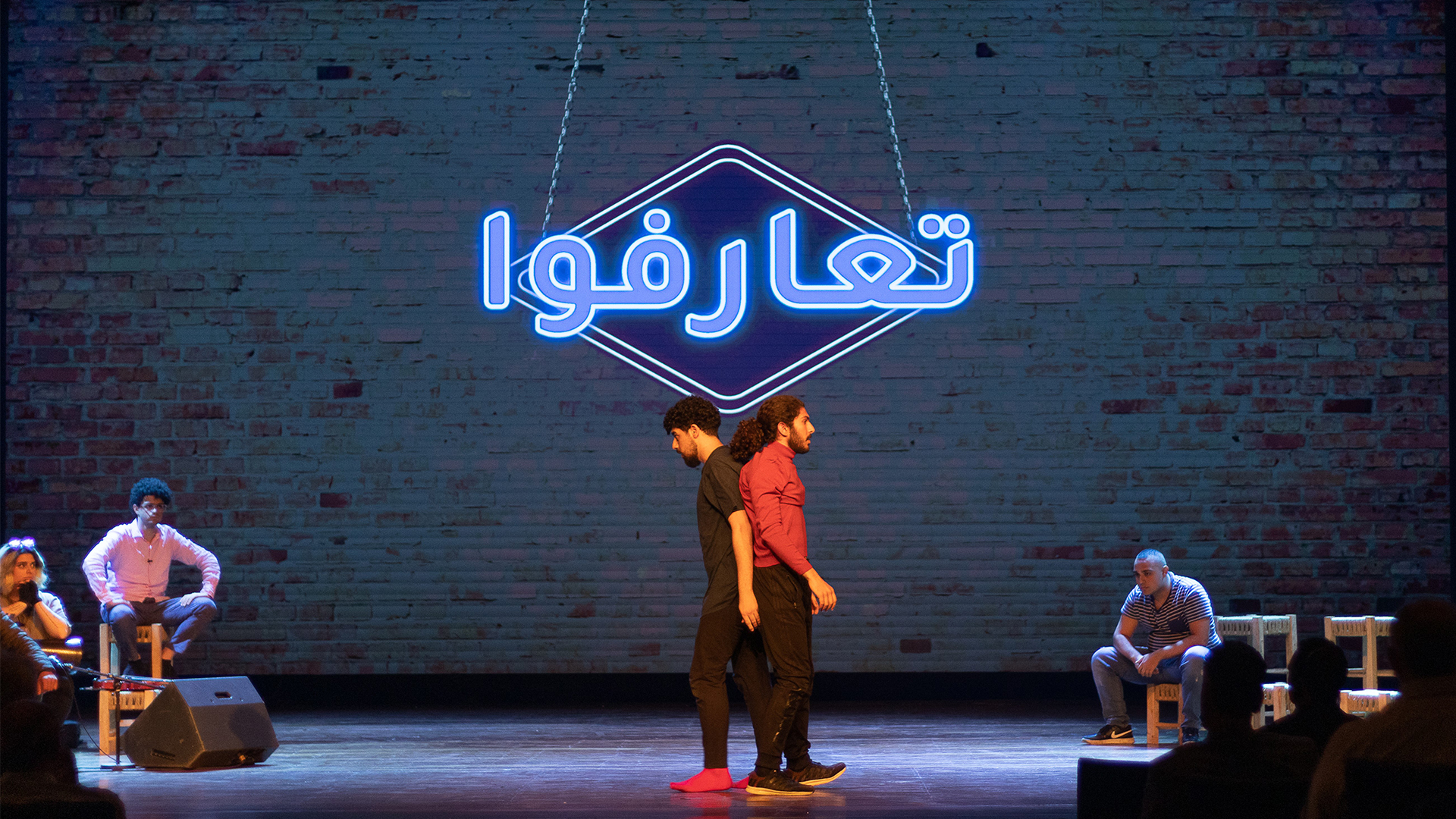
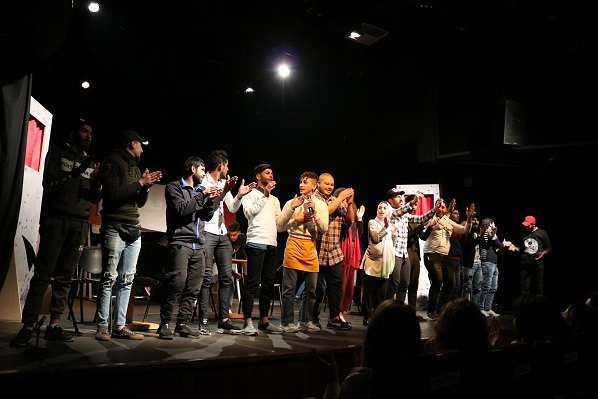
MARCH believes in the transformative power of art and culture as catalysts for positive change. This belief has inspired numerous initiatives such as the Theater for Reconciliation. Launched in 2015 in Tripoli, Lebanon, this groundbreaking program has successfully united and reconciled youth from diverse backgrounds through the medium of theater. By providing a safe and inclusive space for young individuals to share their stories on stage, break down stereotypical barriers, foster understanding, and deconstruct preconceived judgments. This innovative peacebuilding and rehabilitation tool, provides a platform for constructive dialogue and self-expression. Through the safe and inclusive space it creates, it allows participants to process any political, religious or personal grievances they may have and better understand “the other” away from divisive, prejudiced and stereotyped narratives. The Sunni neighborhood of Beb El Tabbaneh and the Alawite neighborhood of Jabal Mohsen had been in a long-standing, cross-generational feud that had fostered animosity and resentment between their respective communities. Their conflict seemed to be rooted in their religious and ideological differences and garnered national attention. The volatility of the area coupled with prejudice and misinformation led to the ostracization of that part of Tripoli. Following the violent clashes that had erupted in 2011 between Jabal Mohsen and Beb El Tabbaneh, MARCH decided to try and reconcile youth from both sides of the frontlines. Love and War on the Rooftop: The Beginning of a Journey: The journey of Theater for Reconciliation began with the production “Love and War on the Rooftop” in Tripoli. The play brought together young people from Jabal Mohsen and Beb el Tebbeneh, two historically divided communities with a long-standing history of conflict. Through this powerful performance, the youth were able to bridge their differences, forging connections that transcended their cultural and social boundaries. The idea was to create a theater play inspired by their war-torn lives and personal experiences and offer them a chance to tell their own story and set their own narrative.  Following the ceasefire imposed by the army in 2014, we held auditions to recruit young men that would be willing to share a piece of themselves and their history. The process was extremely challenging but we ultimately managed to convince 16 individuals to take part in the play. The project was experimental, its goal was to encourage constructive dialogue and build bridges away from sectarian divide. We wanted to help the participants see past the stereotypes they had of one another. Although there were some challenging moments, the initiative proved to be quite cathartic. It helped them rediscover their identity and see each other in a different light. Enemies became friends and former fighters became actors. Expanding Horizons: A Growing Movement Following the success of “Love and War on the Rooftop” Theater for Reconciliation expanded its reach to other areas of Lebanon. Initiatives like “Tripoliyat” and “Habib El Kel” in Akkar, as well as “Hona Beirut” and “Cafe b Kaffak” in the capital Beirut, continued to build bridges between communities and inspired open dialogues about unity and diversity. Taarafou: The Latest Triumph: The most recent addition to Theater for Reconciliation is “Taarafou”, a comedy play that brought together 20 young men and women from different communities in Beirut. Written and directed by Yehya Jaber, the play was made possible as it draws inspiration from the real-life experiences of its cast members, creating a performance that celebrates the diversity of Lebanon’s youth. A Message of Unity and Acceptance: Theater for Reconciliation, including its latest production “Taarafou” has played a pivotal role in sparking meaningful conversations around embracing diversity as a source of unity. By providing a platform for young individuals to share their stories and experiences, the program has challenged divisive narratives and fostered a sense of understanding and acceptance among Lebanon’s youth. Lastly, Theater for Reconciliation stands as a beacon of hope in a community once divided by conflict and misunderstanding. Through the power of art and storytelling, this transformative program continues to bridge gaps between communities, proving that unity and acceptance can be achieved through shared experiences and empathy. 

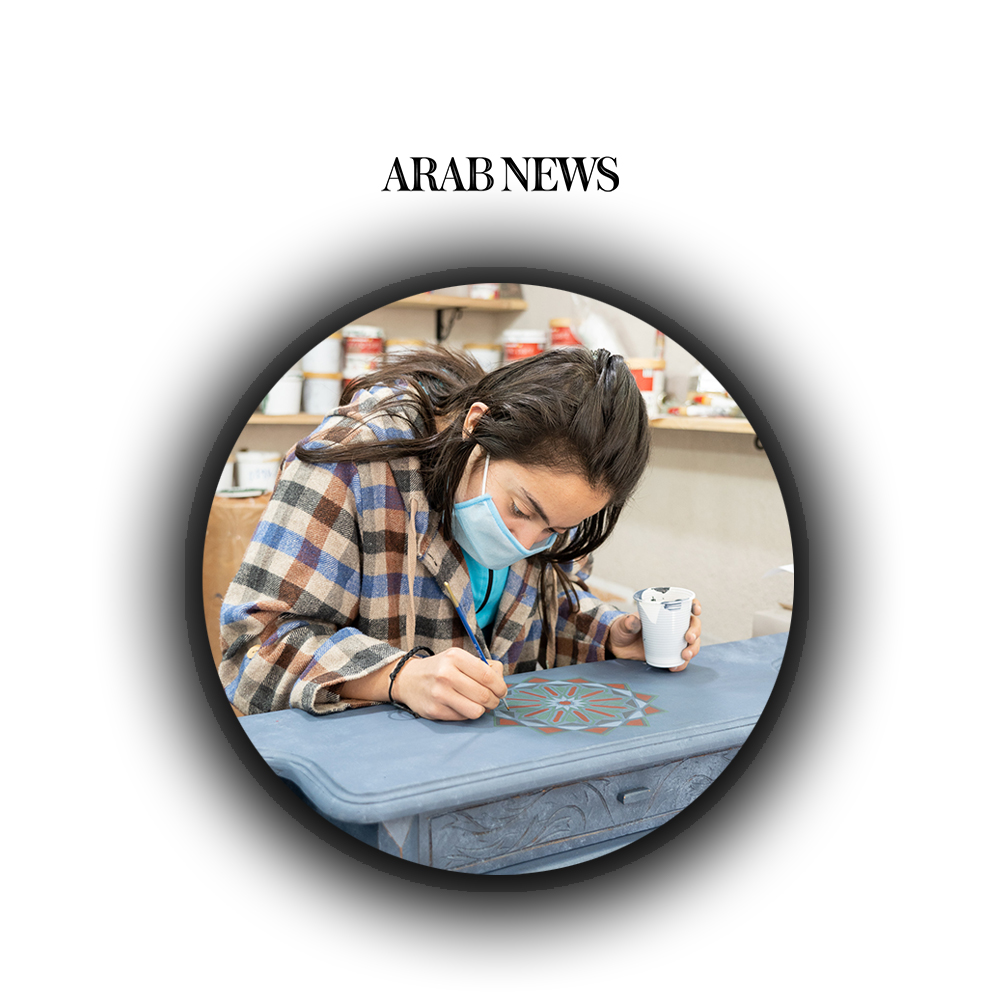
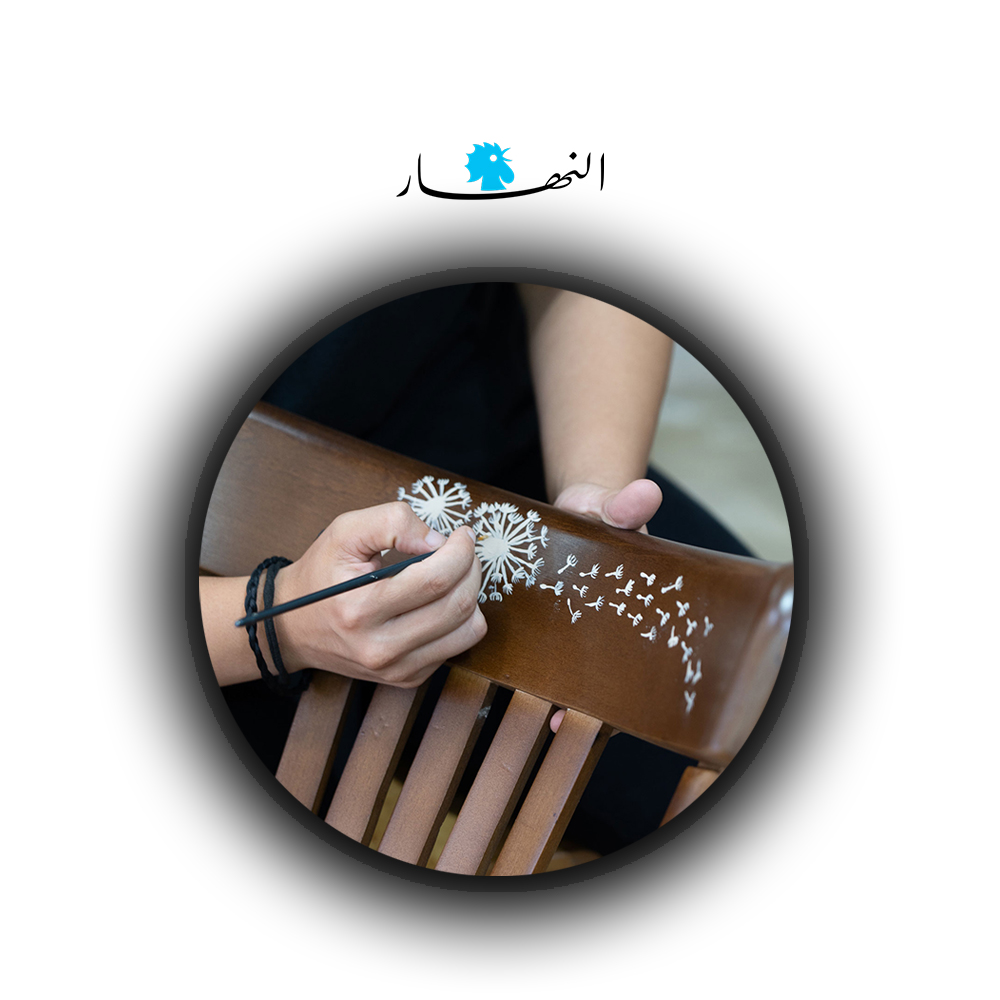
Arab News – À Tripoli, d’anciens combattants redonnent vie à des objets du mobilier

Coup d’envoi de l’exposition «Kan Ya Ma kan », (Il était une fois) au centre-ville de Beyrouth dans le cadre d’un projet lancé par l’association libanaise March Des produits intitulés « Histoires Inédites d’amour et de guerre » sont restaurés par d’anciens combattants ennemis aujourd’hui réconciliés, unis et réunis pour une même cause BEYROUTH : Ils sont jeunes, issus de quartiers défavorisés et voisins mais surtout ennemis.  Pendant des années des rounds d’affrontements fratricides ont fait rage, sur fond de conflit syrien, entre Bab el-Tebbané, quartier à majorité sunnite, et Jabal Mohsen, à majorité alaouite dans la ville de Tripoli au Nord Liban. En 2015, la réconciliation a eu lieu grâce à l’initiative de l’armée libanaise, de figures politiques de la région et certaines ONG actives sur le terrain. C’est le cas de March une organisation non gouvernementale qui œuvre pour la promotion de la cohésion sociale et des libertés personnelles tout en plaidant pour l’égalité des droits grâce à son travail de consolidation de la paix et de résolution des conflits. « Ces jeunes  n’avaient que la rue comme distraction, avec tous les dangers qu’elle présente, explique Léa Baroudi, fondatrice de March. Ils trainaient toute la journée et ne connaissaient que les armes pour s’exprimer. Nous avons travaillé avec un nombre d’entre eux (environ 300) à travers un large programme de réhabilitation et de réintégration  afin de consolider la paix et la cohésion sociale dans cette région longtemps délaissée. Aujourd’hui, grâce à ce nouveau projet, ils ont appris un nouveau métier,  celui de la broderie, de la calligraphie et de la restauration. Des métiers d’art et de culture pour ces jeunes qui, pour la plupart, n’ont connu que désillusions, pauvreté et combats. Dans un premier temps nous les soutenons dans la formation et le financement des produits utilisés. Par la suite, ils pourront être payés  grâce à la vente de ces objets restaurés. Ils vont pouvoir s’auto suffire. »  Le Bénéfice est économique, social et psychologique. Khaled fait de la broderie : « J’ai arrêté l’école à 8 ans. Puis j’ai passé ma jeunesse à combattre parce qu’on me disait : l’autre est un ennemi ! Lui est un autre ne lui fais pas confiance. » déclare-t-il. « Je suis marié et j’ai deux enfants, un garçon et une fille. Je vis chez mes parents. A cause des clashs j’ai été arrêté et emprisonné pendant un an. En sortant de prison jamais je n’aurais imaginé travailler côte à côte avec nos voisins de Jabal Mohsen, ou bien partager un repas. Eux que j’avais si violemment combattu. Jusqu’ au jour où j’ai ouïe dire que l’association March proposait un programme et j’ai découvert que j’avais la possibilité d’en bénéficier. » Natahalie Salameh, restauratrice de meubles anciens, dirige les formations. «Les objets anciens ont une histoire. Ils portent en eux l’empreinte et les souvenirs des personnes qui les ont acheté ou utilisé. Ils ont accompagné des vies. En les restaurant nous leur offrons une nouvelle vie. Un peu à l’image de ces jeunes qui ont également été délaissés dans le passé. Ils ont également, comme nous tous, leur histoire à écrire ou à dessiner. »  Et pourtant, Nathalie avoue avoir rencontré des difficultés : « Réunir de vieux rivaux d’armes autour d’un projet artistique n’est pas une mince affaire. La mixité des hommes et des femmes non plus, ces jeunes étant issus d’un environnement conservateur. Et puis, c’était aussi  un défi de leur faire sentir qu’ils bénéficiaient d’un réel support. » « Apres de longs mois de formation, nous avons décidé de chercher des objets anciens, en mauvais état voire abandonnés dans leurs quartiers à Beb El Tebbeneh et Jabal Mohsen. Pour les récupérer et leur redonner vie.  Et voilà qu’aujourd’hui cette exposition voit le jour » ajoute-t-elle.  Après l’explosion du Port, ces jeunes ont voulu montrer leur attachement à Beyrouth. De nombreux objets brodés, dessinés ou calligraphiés sont ainsi dédiés à la ville et portent un message d’amour pour la capitale : «en arabe ; Min Kalbi li Beyrouth,  de la part mon cœur à Beyrouth ». Dans quelques mois,  l’association va développer plusieurs projets à Beyrouth. Deux espaces culturels, fortement impactés par l’explosion, sont en cours de réhabilitation. « Nous allons transformer le 1er en atelier de restauration et le second, une galerie, en un lieu d’exposition pour les meubles restaurés. Nos jeunes pourront également former des amateurs intéressés par le recyclage de meuble. Un projet porteur d’espoir d’amour et de paix », conclut Lea Baroudi.

ARTS ON THE STREETS, A MESSAGE OF PEACE AND UNITY

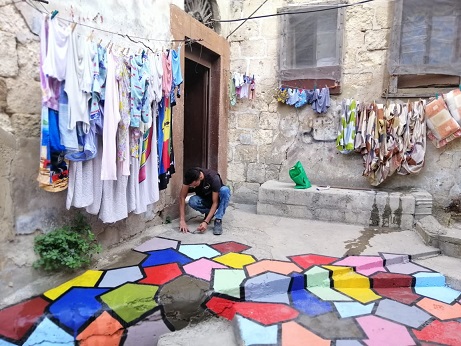
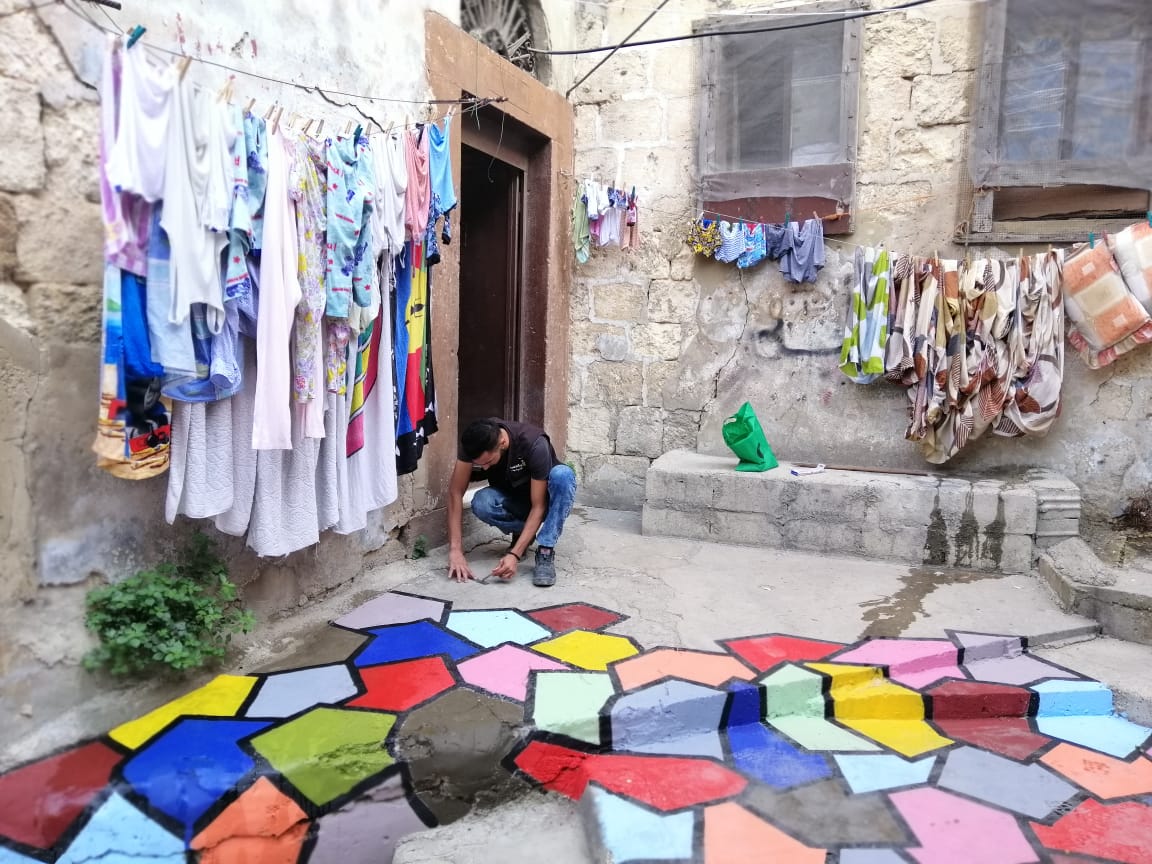
A harsh painted over with beautiful brush strokes. Now that’s what we call a journey… By engaging with the communities of Beb El Tabbaneh and Jabal Mohsen through its various initiatives over the years, MARCH realized that Tripoli was a well of untapped talent and potential just waiting to be discovered. It is for this reason that our organization continuously supports and motivates the local youth, driving them to explore and develop their hobbies and interests. This belief was solidified after MARCH hosted the internationally renowned instillation artist, painter and muralist “Shrine” who came all the way from Los Angeles to spread his colorful touch across the area. His visit encouraged numerous former fighters to take part in the process and unleash their creative energy. This created a snowball effect as the youth carried on this adventure long after Shrine had left. Today, they continue to rewrite their stories through their art. Hand in hand, these youths are bringing life and light back to the streets of Tripoli that were once destroyed by war and conflict while creating a safe and inclusive space for local talent to thrive and grow.

DOLLS WITH A STORY

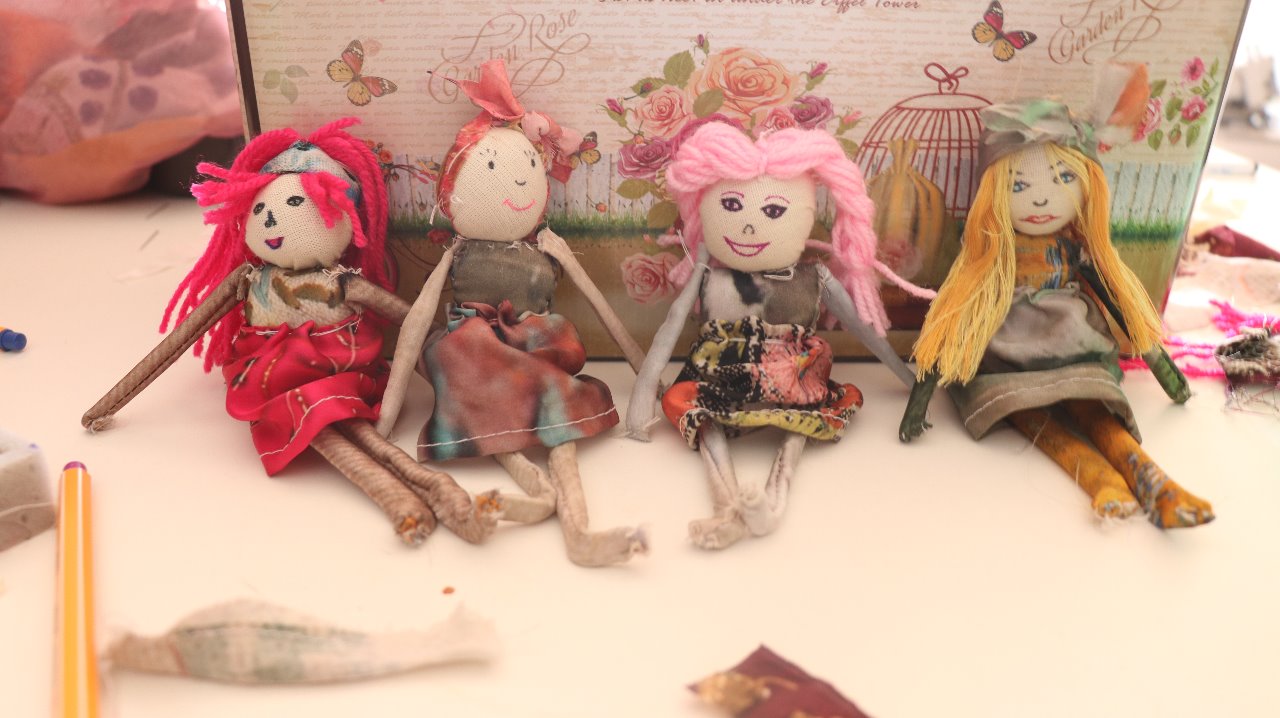
A story of Love and War from the heart of Tripoli MARCH has recently collaborated with the Bokja design studio- a brand that is dedicated to reviving regional textile practices and building a regional network of artisans. The initiative entailed employing the local craftsmanship of young men and women from Beb El Tabbaneh and Jabal Mohsen to create customized handmade dolls from materials provided by Bokja’s atelier.   This process allowed the youth to discover new skills and explore new means of self-expression through this creative outlet. Each piece is unique and handcrafted with care and reflects the special touch of its maker. In addition to learning a new trade, this initiative aims to give the participants a sense of pride in their work. After all, producing their own goods is an important step towards empowering these youths and helping them build a better future for themselves and their communities. This collaboration took place in MARCH’s bran new creative lab. The facility was buzzing with amazing energy and dolls’ vibrant colors were just the cherry on top the cake!

THE TRANSFORMATIVE POWER OF ARTS AND CULTURE

MARCH’s approach has always been rooted in its belief that arts and culture are powerful catalysts of change that can help foster long-term sustainable stability. In addition to theater, MARCH has also incorporated art in its holistic rehabilitation and reintegration program- Beb El Dahab. By creating a safe space for personal and professional development, the youth are able to explore new skills and interests. These former fighters are encouraged to express themselves through various constructive outlets, including the arts. This has offered them a platform for self-expression that enables them to channel their emotions in a positive manner. We also hosted Shrine, an international installation artist, painter and muralist that helped teach MARCH’s youth new techniques. This generated a ripple effect as we saw a numerous young men and women take part in this project. Today, a number of them have blossomed into wonderful artists that have contributed in adding a beautiful touch of color across the streets of Beb El Tabbaneh and Jabal Mohsen. This is quite symbolic as it represents a journey of change for both the communities and their youth.Finally, MARCH consistently strives to promote and showcase local talent through its various events such as the Cultural Blast for example. Through our work with marginalized youth from Tripoli, Akkar and Beirut, we have realized that these areas harbor a well of untapped potential waiting to be unleashed. Many artists have never been given the right opportunities. Therefore, MARCH actively tries to collaborate with these youths on different projects and events. Additionally, both our cultural cafés have professional recording studios accessible to the communities to enable promising musicians and producers to further their careers.

CAFE BI KAFFAK

A cultural journey from Tripoli to Beirut Throughout the years, MARCH has actively incorporated the arts into its initiatives. This stems from the organization’s belief in the transformative and often cathartic power of self-expression. Our most recent adventure was no exception! Our work with youth from marginalized neighborhoods in Beirut has Tripoli has shown us that these communities are full of unbelievable talent and untapped potential. It proved that with support, a platform and the right opportunities, these young men and women could turn their lives around. Therefore, we decided to put together an evening filled with dynamic performances that would take us on a cultural journey through time and bring together youths from Beb El Tabbaneh, Jabal Mohsen, Khadaq Al Ghamiq, Tarik Al Jadida, Chiah and Madina Al Riyadia on one stage. Together they worked hand in hand to create sketches, songs and videos inspired by their own stories with the support of the one and only George Khabbaz and the direction and guidance of Romeo El Hashem. These pieces reflected their daily realities in the most unique ways making for a roller-coaster of emotions as some brought laughter while others brought tears. We cannot wait to recreate this experience soon!

GET TOGETHER! YOUTH CULTURAL EXCHANGE INITIATIVE

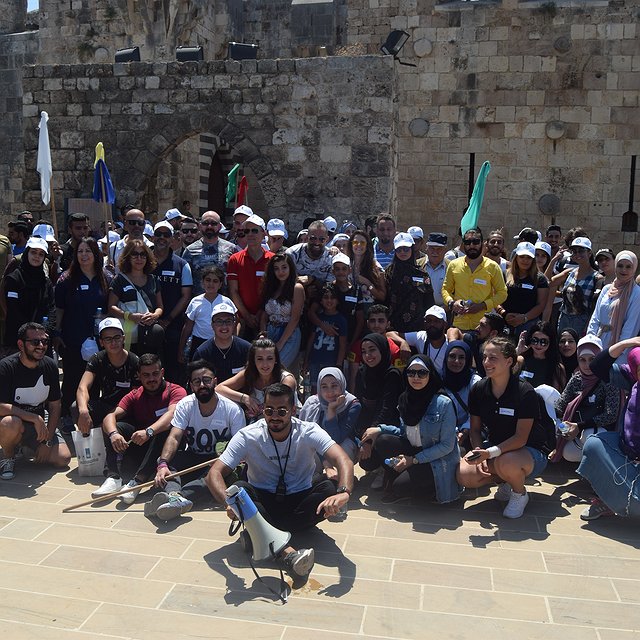
Saturday August 24th marked the second of two visits of a youth cultural exchange initiative that MARCH, in collaboration with the Jabal Sheikh Municipality Federation, had set up in an effort to promote social cohesion. The initiative was made possible through the help and support of the Dutch embassy in Lebanon. Its goal was to bring together youth from different backgrounds across Lebanon to volunteer and discuss ideas, thoughts and concerns as a means to encourage constructive dialogue and inclusivity. During a first visit to Jabal El Sheikh on July 13th, Tripoli’s youth met with the locals and were able to explore the village through an array of dynamic activities. The trip was both an educational opportunity and a chance to create friendships and bonds between the two communities. Following a successful initial exchange, Tripoli was the project’s second destination. The initiative brought together youth from various backgrounds across Lebanon. MARCH hosted a group from Jabal el Sheikh- in collaboration with Jabal el Sheikh Municipalities Federation, in addition to a group from Qana- in collaboration with the Cana Youth Association, and lastly a group from Baalbak- in collaboration with LOST, The Lebanese Organization for Studies and Training. Our visitors were welcomed by youth from Beb El Tabbaneh and Jabal Mohsen joined by two incredibly special guests: Dutch Ambassador in Lebanon, His Excellency Jan Waltmans and Lebanese basketball all-star Fadi El Khatib. Overall, the initiative managed to gather 130 individuals from different backgrounds across Lebanon. Upon arrival to Tripoli, the youth enjoyed a traditional local breakfast on the Abdel Wahhab Island in Mina. The meal was followed by a trip around the city which featured a tour of Tripoli’s most iconic sites. The group explored the Citadel of Raymond de Saint-Gilles and took a walk through the old souks, accompanied by a guide who familiarized them with the city’s history and culture. The youth were also introduced to the MARCH’s mission and work in Tripoli during a pit-stop to the organization’s cultural cafe- Kahwetna. Community service was an active component of the initiative, therefore a small clean-up campaign was conducted on Syria Street. With team spirit and unity being a central theme of the visit, the day was concluded with a friendly and dynamic football tournament. This sports activity rallied the youth around their passion for the game and proved to be a powerful tool for creating and fostering common ground. This exchange has allowed the youth of Rachaya, Baalbek, Qana and Tripoli to accept their differences on the one hand, and embrace their similarities on the other as they share a number of social, economic and historical commonalities. In a country like Lebanon, where diversity is a double-edged sword, promoting mutual understanding between different communities is essential. Exposing youth to different traditions, habits and heritages is a wonderful learning experience. MARCH hopes to be able to recreate this experience between other Lebanese regions as this would help transcend stereotypes and preconceived notions of “the other”.

US, THE MOON AND THE NEIGHBORS

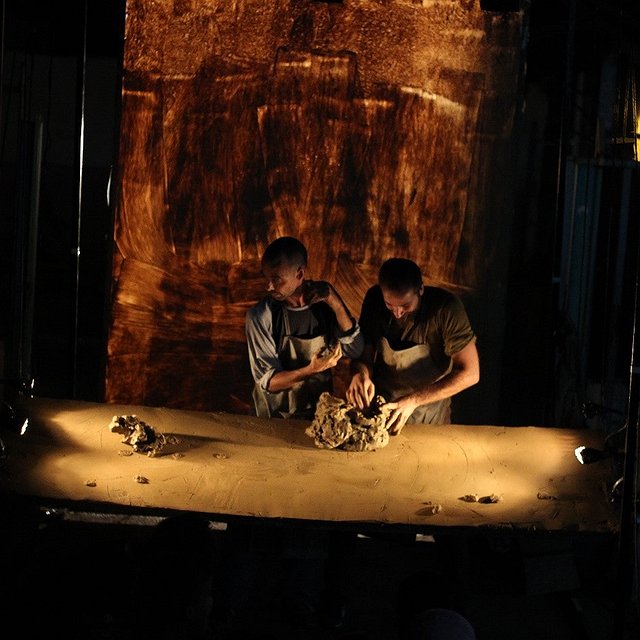
Tripoli’s Malloule Street hosted this year’s edition of “Us, The Moon and The Neighbors” as part of Beb El Dahab’s Adha celebrations on Friday August 16th. The Beb El Dahab initiative started in 2016 as a simple rebuilding project but has since transformed into a social movement. It brought together youth from Beb El Tabbaneh and Jabal Mohsen, two previously feuding communities in Tripoli and allowed them to work hand in hand to rebuild what was once ravaged by violence and war. Their work has contributed in resuscitating a marginalized and war-torn area but more importantly, has created a sense of community and unity. MARCH partnered with Collective Kahraba -a Lebanese performing arts company- to bring a unique and dynamic line-up of both local and international contemporary artists. The fantastic atmosphere brought together families and friends from both Beb El Tabbaneh and Jabal Mohsen. In true fashion, the night was filled with laughter, entertainment and delicious food. The evening featured three main acts which took place in different spots, the first of which was “Fileuse” by Compagnie Lunatic. The breathtaking aerial performance showcased Cecile Mont-Reynaud’s solo to a musical improvisation by Ghassan Sahhab. It embodies the diary of a woman, on a vertical, evoking the cycles of time. The threads attempted to depict life while illustrating imaginary worlds. The second act was Collective Kahraba’s very own “Origin of a Tale” an exquisite mix of storytelling, sculptures and sounds. The performers utilized clay to portray our oldest folk tales, explore their origins and retrace their genealogy. Last but certainly not least was “Waterfalls” by La Mecanica & Mime Prague. The one-man show that combines both street theater and physical performance to depict the experience of a comedian whose dream show rapidly deteriorates into a nightmare. The artists managed to involve the audience and allowed it to take part in his fateful journey. The performer quickly goes from hero to zero in an ironic turn of events. Us, The Moon and The Neighbors’ intimate setting captivated children and adults of all ages and allowed them to create wonderful and unforgettable memories. We look forward to recreate the experience soon!