Transforming Conflict and Stigmatization through the Love and War Tour

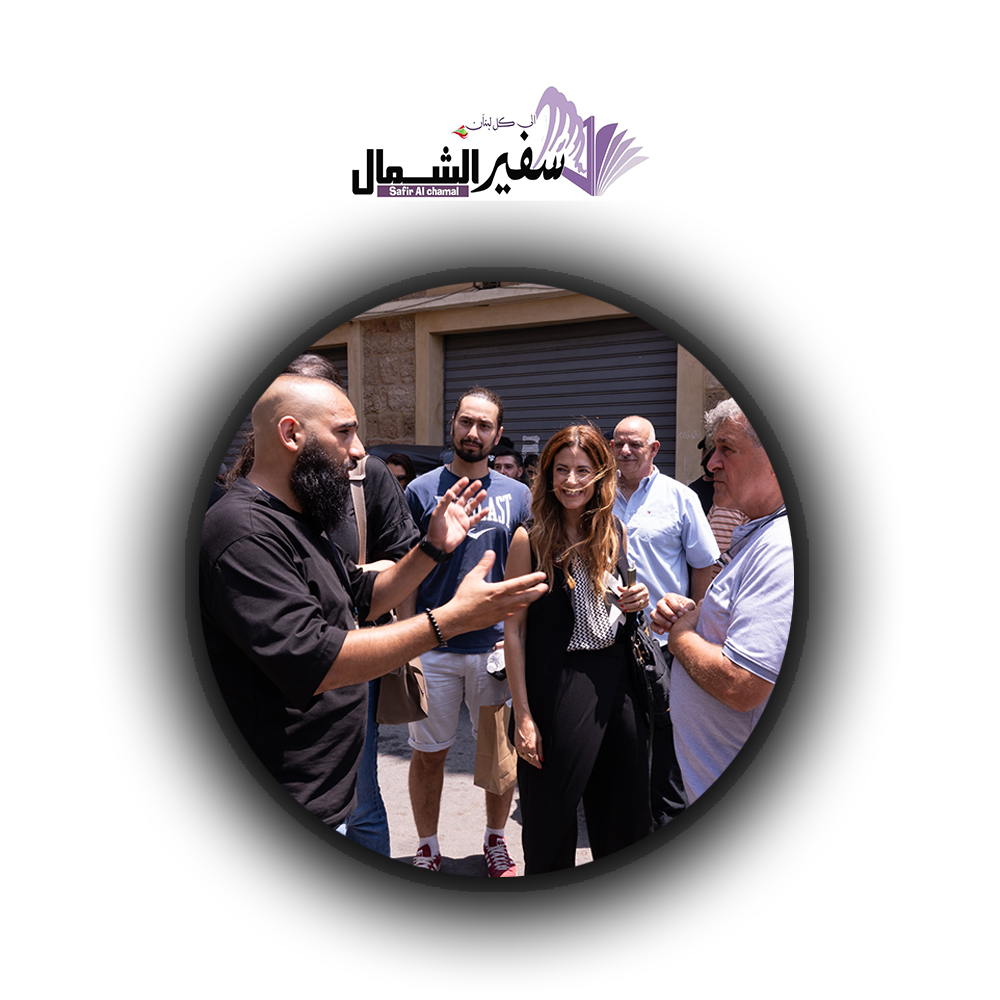
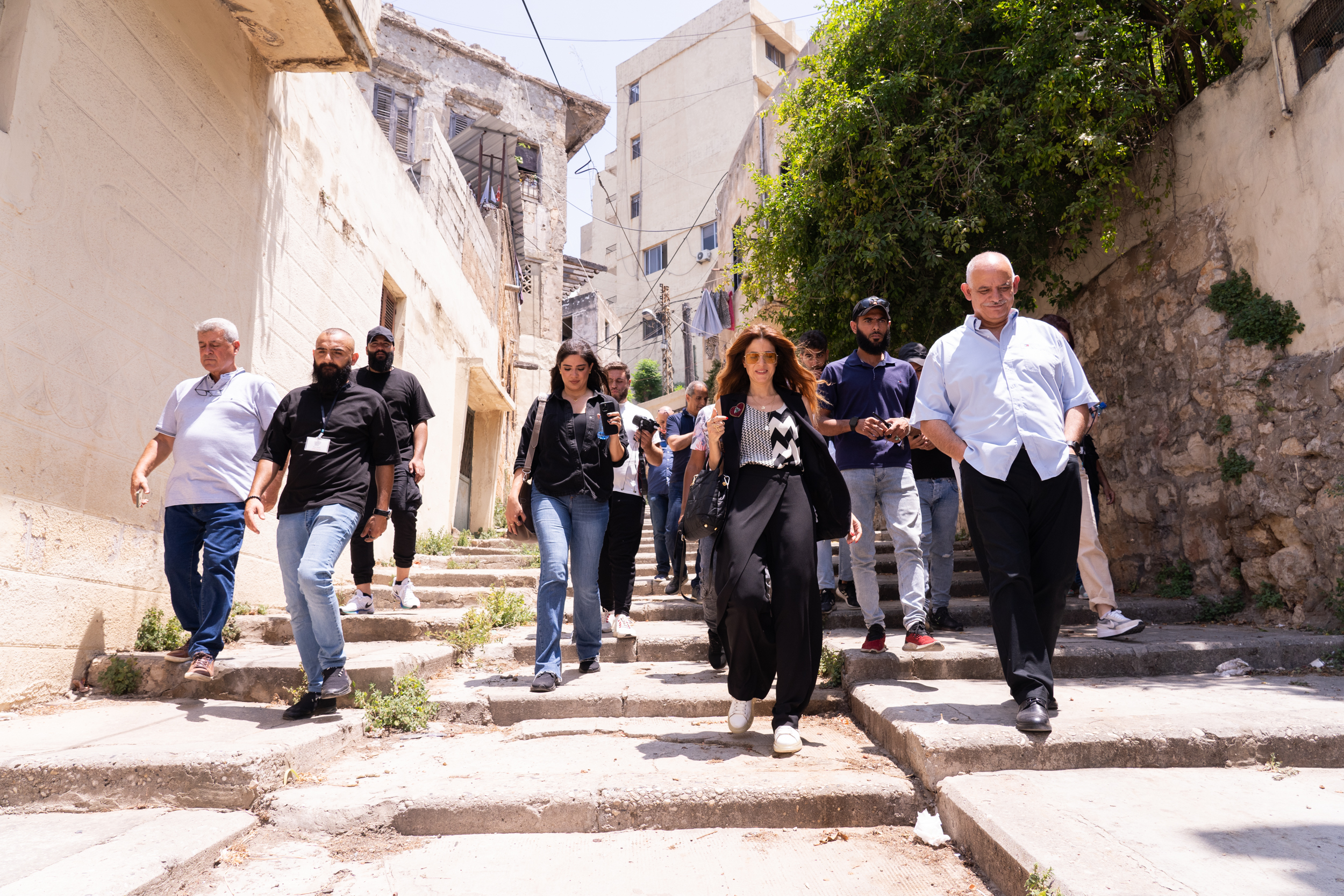
Tripoli, Lebanon’s second-largest city, has long been plagued by social unrest and sectarian clashes between the communities of Jabal Mohsen and Beb El Tebbeneh. These conflicts and recurring clashes which have ended with a ceasefire in 2014, have not only resulted in physical damage but also contributed to the neglect and marginalization of some of the city’s most culturally and historically significant neighborhoods and landmarks. Additionally, the area has suffered from negative stigmatization due to its association with violence and conflict.  In efforts to address these challenges and promote positive change, MARCH has launched its innovative social initiative known as “The Love & War Tour” in the aim of reviving economic sustainability, promoting tourism, countering stigmatization and fostering social cohesion.  Featuring Kahwetna and the Love & War Tour on Lebanon’s Local Tourist Map  In a momentous event on Thursday, July 6, 2023, the once contentious demarcation lines of Jabal Mohsen and Beb El Tebbeneh in Tripoli were officially recognized on Lebanon’s tourist map, marking a remarkable journey of unity, reconciliation, and resilience. The ceremony, held at Kahwetna, MARCH’s cultural hub on Syria Street in Beb El-Tebbeneh, brought together esteemed guests including government officials, media personalities, and influencers. During the ceremony, Mr. Walid Nassar, the Minister of Tourism, made a groundbreaking announcement, officially incorporating the “Love & War” trail and “Kahwetna” center into Lebanon’s tourist attractions. This initiative seeks to showcase the rich cultural heritage of these areas to both local and international visitors, while also revitalizing the economy of marginalized communities. The “Love & War” tour is led by ex-rival fighters, who now stand united in their commitment to building a better future. This immersive experience allows visitors to delve into the center and hear firsthand accounts of untold stories and experiences that were overshadowed by past conflicts. By breaking down stereotypes and fostering understanding, these initiatives are paving the way for a brighter and more harmonious future for Tripoli and beyond. At the heart of this transformative movement lies Kahwetna, a cultural hub that has served as a catalyst for change since its establishment in 2016. Bringing together former adversaries from Jabal Mohsen and Beb El Tebbeneh, Kahwetna has been instrumental in promoting culture, education, and community development. Through its efforts, individuals who once stood on opposite sides of conflict have emerged as champions of peace and agents of positive change in their communities. In the face of adversity, MARCH continues to demonstrate the power of unity and resilience through its initiatives and transformative work.  Check out these testimonials from some of the Love & War visitors! 

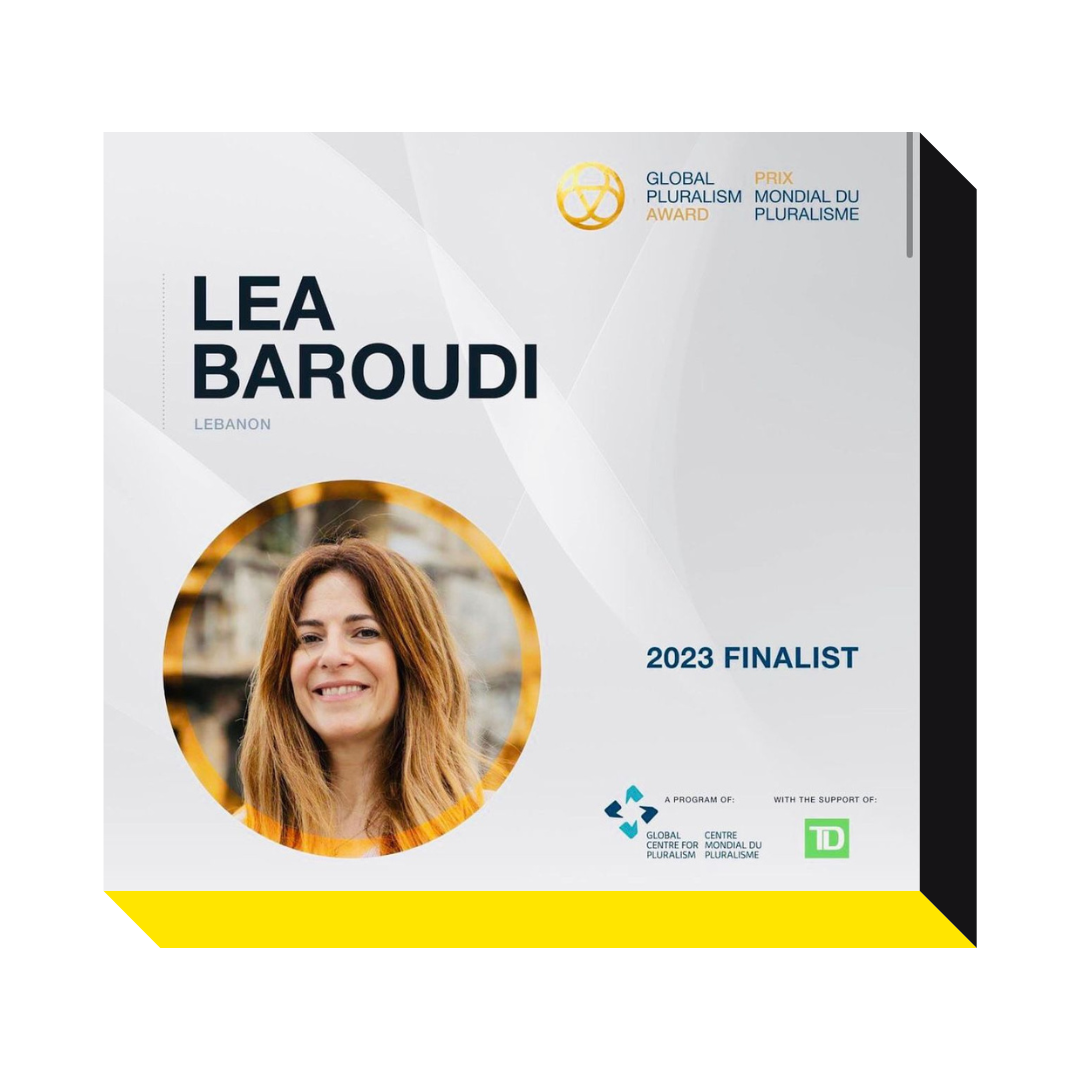
Lea Baroudi selected as one of the Ten Finalist for 2023 Global Pluralism Award

Lea Baroudi, Co-Founder and General Coordinator of MARCH, an organization dedicated to peacebuilding and conflict resolution and youth empowerment in Lebanon, has been selected as one of the ten finalists for the 2023 Global Pluralism Award. The 2023 Global Pluralism Award recognizes the remarkable efforts of Mrs. Baroudi, a passionate peace mediator employing art, culture, education, and development to provide Lebanese youth with a unique opportunity to escape the clutches of violence, extremism and sectarian divides. The Global Pluralism Award is a biennial global award presented to individuals, organizations, governments, and businesses that have demonstrated remarkable and sustained contributions to building societies where diversity is not just embraced but safeguarded. The award is administered by the Global Centre for Pluralism, a charitable organization founded by His Highness the Aga Khan and the Government of Canada. The Centre collaborates with policymakers, educators, and community leaders worldwide to promote and implement the transformative power of pluralism. Mrs. Baroudi’s commendable endeavors through MARCH’s work in peacebuilding and conflict resolution with former fighters and adversaries from the two conflicting communities of Jabal Mohsen and Beb El Tebbeneh who once were a battleground of sectarian clashes. Along with several conflict resolution programs such as building bridges between communities and security institutions, conducting dialogue sessions and conflict transformation workshops, MARCH is also known for its Theatre for Reconciliation program that successfully united and reconciled youth from diverse backgrounds through the medium of theater, notably in Tripoli, Beirut and Akkar. The journey of Theatre for Reconciliation began with the production “Love and War on the Rooftop” in Tripoli which brought together young people from Jabal Mohsen and Beb el Tebbeneh. Through this powerful performance, the youth were able to bridge their differences, forging connections that transcended their cultural and social boundaries. Lea Baroudi’s recognition as a finalist for the 2023 Global Pluralism Award is not just an acknowledgment of her individual efforts, but also a celebration of the transformative impact that organizations like MARCH can have in building a more inclusive and pluralistic world. Her work serves as an inspiration and a reminder that, even in the face of deep-seated divisions, peace, reconciliation, and pluralism are attainable goals when driven by dedicated individuals and organizations like MARCH.

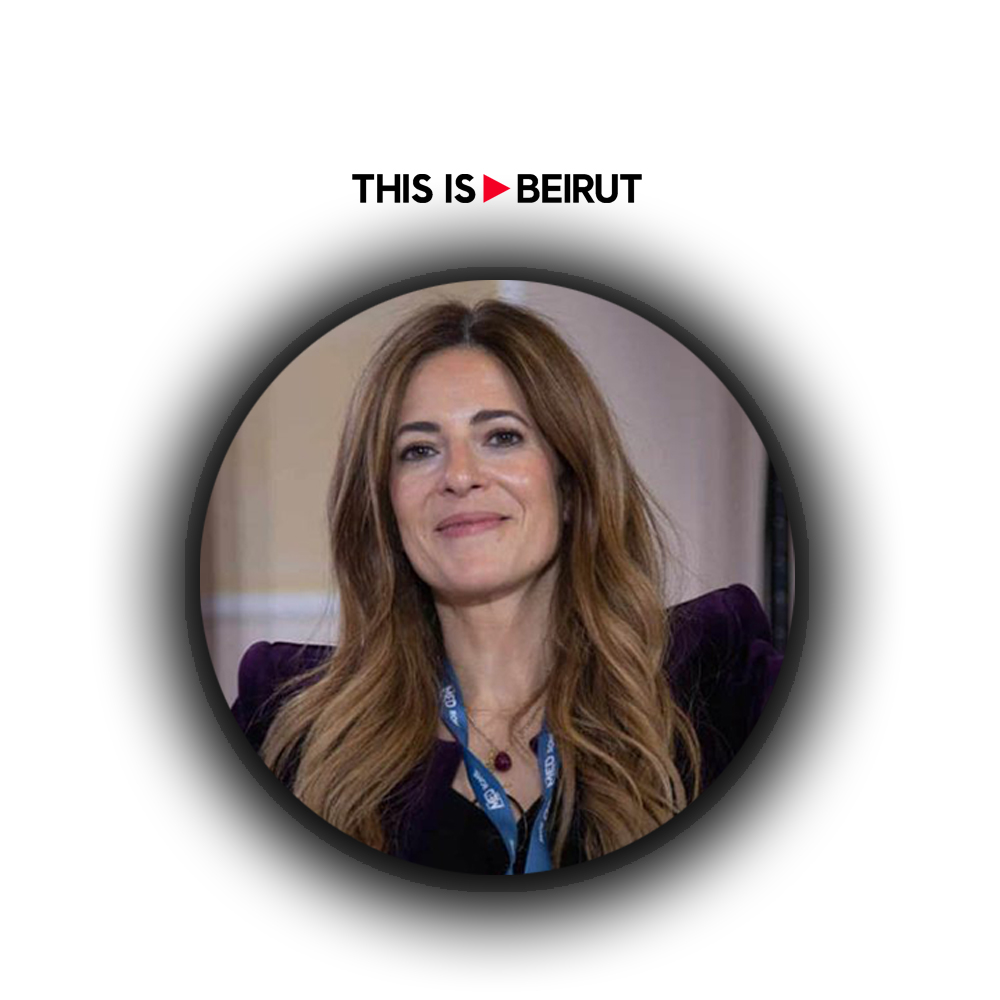
This is Beirut – Global Pluralism Award: Lea Baroudi Among the 10 Finalists

The Global Centre for Pluralism announced on Wednesday the names of the ten finalists for the 2023 Global Pluralism Award. Lea Baroudi, founder of the NGO March, is among these finalists competing for the award that “celebrates the inspiring and brave work that is helping to build more inclusive societies where diversity is valued and protected.” Only three out of the ten finalists will be winners. All underwent rigorous scrutiny before being selected by an independent international jury of experts. The other seven finalists will be awarded honorable mentions at a ceremony in Ottawa, Canada, in November. Each winner will receive the sum of 50,000 Canadian dollars, which will help them continue their work in favor of pluralism. Lea Baroudi’s efforts and struggle to promote freedom of expression, human rights and the acceptance of religious pluralism in Lebanon over the years have earned her several distinctions. In 2019, she was made a member of the British Order of Chivalry, a distinction awarded to her by the late Queen of England Elizabeth II.

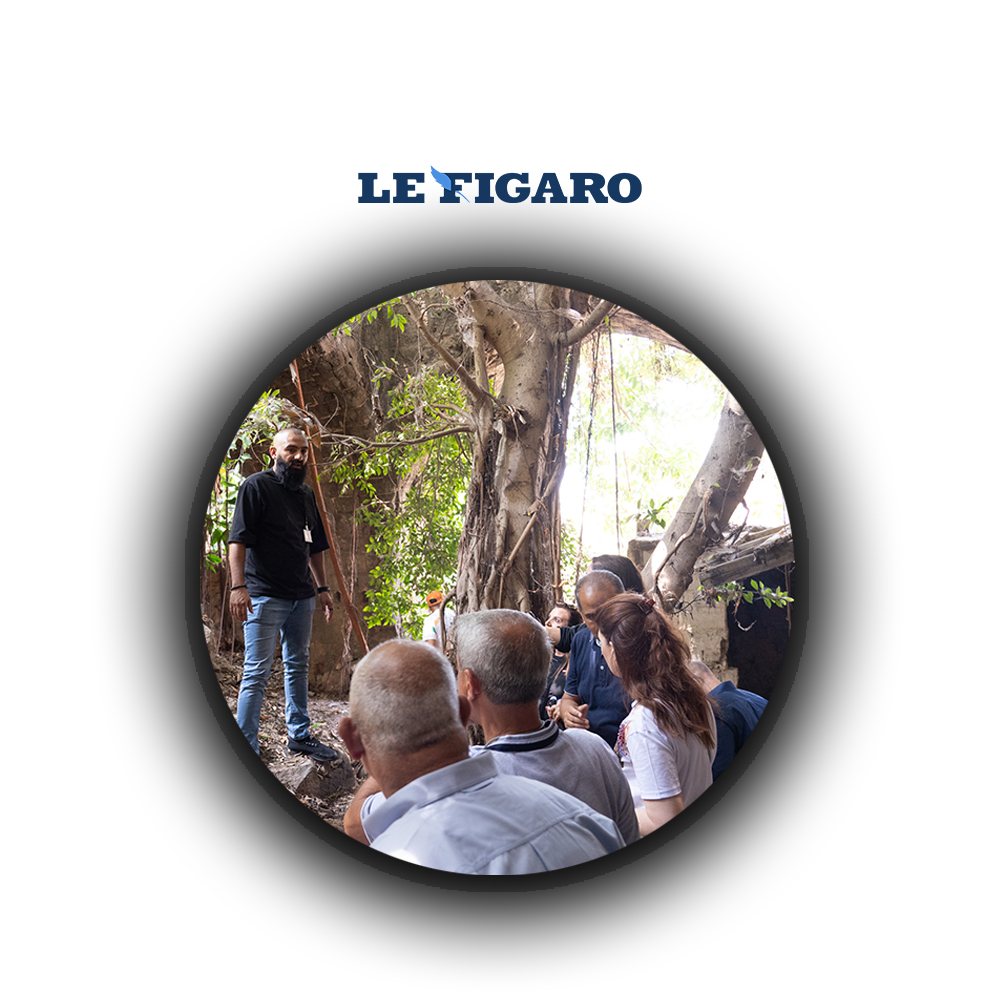
Le Figaro – Les bas-fonds de Tripoli s’ouvrent aux visites guidées.

REPORTAGE – Une ONG organise des excursions pour changer leregard sur les quartiers de cette ville libanaise longtemps déchirée parles combats. Tripoli «Vous avez des questions avant qu’on aille sur les lieux des combats?» Ali, 23 ans, barbe de hipster et long short de boxe, est un guide surprenant. Comme son alter ego, Zafer, 38 ans, casquette sur le crâne, la barbichette effilée et un pantalon cargo noir. Ils se sont fait une spécialité d’organiser des visites guidées des quartiers pauvres et malfamés de Tripoli, la grande ville du nord du Liban dont ils sont originaires. Ali est de Jabal Mohsen, un réduit alaouite demeuré fidèle à la famille au pouvoir en Syrie ; Zafer est de Bab Tebbané, un bastion sunnite, par définition hostile à Hafez el-Assad, dont le cœur, après s’être longtemps enflammé pour la gaucherévolutionnaire, a basculé dans l’intégrisme religieux au tournant des années 1980. Ces deux quartiers ont été séparés par une guerre de cinquante ans que ni les affiliations politiques ni les rivalités communautaires n’expliquent à elles seules. La marginalisation ainsi que la pauvreté croissante de ses quelque 100.000 habitants y est aussi pour beaucoup. Dès la fin des années 1960, 90 % de cette population,principalement des migrants venus de l’arrière-pays libano-syrien, appartenait aux classes défavorisées. Peu, parmi les jeunes de plus de 20 ans, avaient reçu une éducation primaire. «Même les gens de Tripoli ont peur de venir», déplore Ali. La dernière grosse bataille est encore, il est vrai, dans toutes les mémoires: en 2014, 200 personnes ont péri dans le labyrinthe de ruelles de Bab Tebbanné, justifiant le surnom de «Kandahar libanaise». Une opportunité de réinsertion Le «Love War Tour» débute par un arrêt à Kahwetna, le café de l’association March, à l’origine de ce circuit hors norme. Installée en 2016 dans la rue de Syrie, qui sert de ligne de démarcation aux camps rivaux, l’ONG cherche à réconcilier les habitants en leur offrant un lieu de rencontre. Pour les anciens combattants, que March prend en outre en charge, c’est l’opportunité d’une possible réinsertion. Quelque 350 sont d’ailleurs passés par ses ateliers. «Beaucoup pensent que trop de sang a coulé entrenos communautés. Je comprends: nous avons tous un proche mort dans les combats. Mais, sans réconciliation, il n’y a pas d’avenir», témoigne un ancien de l’association, employé désormais dans l’atelier de fabrication de meubles que March a ouvert il y a peu. «Quand j’ai commencé ici, moi, l’Alaouite, je n’ai adressé la parole à personne pendant six mois, tant les autres (les sunnites, NDLR) étaient “l’ennemi à abattre”. Aujourd’hui, mes meilleurs copains sont sunnites. Alors, quant à ouvrir nos quartiers aux étrangers, je dis: essayons! Si ça peut casser notre isolement…» Depuis juillet et l’accréditation du ministère du Tourisme, une poignée de touristes ont tenté l’excursion.À l’intérieur de l’estaminet, une majorité d’hommes: certains jouent aux échecs ; d’autres palabrent en sirotant un café. Ahmed (le nom a été changé à sa demande) en fait partie. À 34 ans, ce sunnite de Bab Tebbané est un combattant d’un autre genre: lui a fait la Syrie, engagé à Qseir en 2013, puis, quand cette bataille fut perdue pour les anti-Assad, à Qalamoun. De ces années-là, il ne dira ni ce qu’il a fait, ni ce qu’il a vu. «Rentré au Liban, je me suis terré. Je me baladais avec une ceinture d’explosif en permanence sur moi: je pensais me faire sauter, si l’armée me capturait. C’est un proche qui a eu peur pour moi qui m’a dénoncé. J’ai échoué à Roumié(célèbre prison libanaise où un quartier est réservé aux islamistes, NDLR), pour finalement être relâché dans l’attente de mon procès.» Ahmed a rejoint March il y a deux ans. «Je voudrais que le monde extérieur comprenne notre histoire: notre parole n’est jamais prise en compte», dit ce damné de l’histoire. D’anciennes régions prospères Le tuk-tuk du «Love War Tour» dépasse le check-point de l’armée libanaise à l’entrée de Jabal Mohsen. Pas de militaires en vue: ils lambinent plus haut, profitant de l’ombre d’un bâtiment. Avec ses six passagers, le rickshaw peine à grimper l’ancienne colline où oliviers et orangers balayaient jadis l’horizon. Beaucoup des visiteurs ignorent qu’avant d’être considérés comme un coupe-gorge et un repaire du trafic de drogue Jabal Mohsen comme Bab Tebbané furent des régions prospères, situées idéalement sur la route de la Syrie pour capter une partie du négoce transfrontalier. ÀJabal Mohsen, les vestiges d’un monumental caravansérail et la présence d’un palais déserté attestent de ces splendeurs passées. «On a tapé à toutes les portes pour réhabiliter le caravansérail. Sans succès, et la pluie a eu raison des murs», relève Ali. Le groupe arrive devant un café-narguilé délabré. Pas un client à l’intérieur, mais, tout autour, des voisins qui commentent une récente échauffourée: il y a quelques jours, les armes ont encore parlé. «Un deal qui a mal tourné entre caïds, croit savoir letenancier, un aimable géant qui veille sur les ruines d’une fabrique de savons ottomane accessible depuis son arrière-cour. Pendant les affrontements, les combattants de Bab Tebbané s’y infiltraient pour mieux pénétrer à Jabal Mohsen. «Cela a été une zone de combats meurtriers. Pourtant, aujourd’hui, la vraie question est économique. Les gens me disent: “Au moins, quand on se battait, on était payés. Avec la crise, on n’a plus rien”», rapporte-t-il. À quelques mètres, le vieux sculpteur sur bois ne peut qu’opiner. Dernière échoppe ouverte d’une rue qui en comptait des dizaines, il peaufine son ultime commande: une future crèche de Noël. Après? «Mon métier va disparaître», s’inquiète-t-il. Tandis que parallèlement émergera sans doute une autre configuration de ces favelas rongées par la criminalité: «Plus dure, plus désespérée, la nouvelle génération me fait parfois vraiment peur», confie Léa Baroudi, la fondatrice de March.

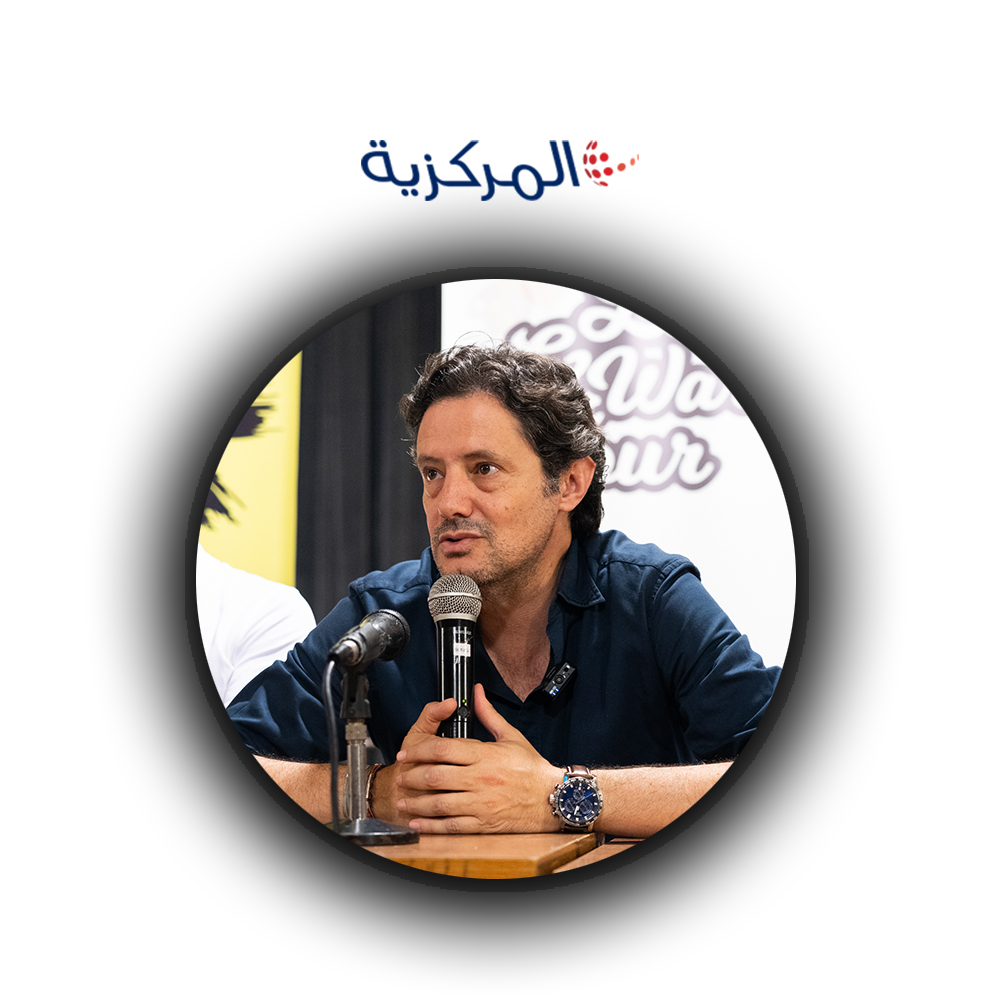
المركزية – المكاري جال في ورش جمعية “مارش” – طرابلس

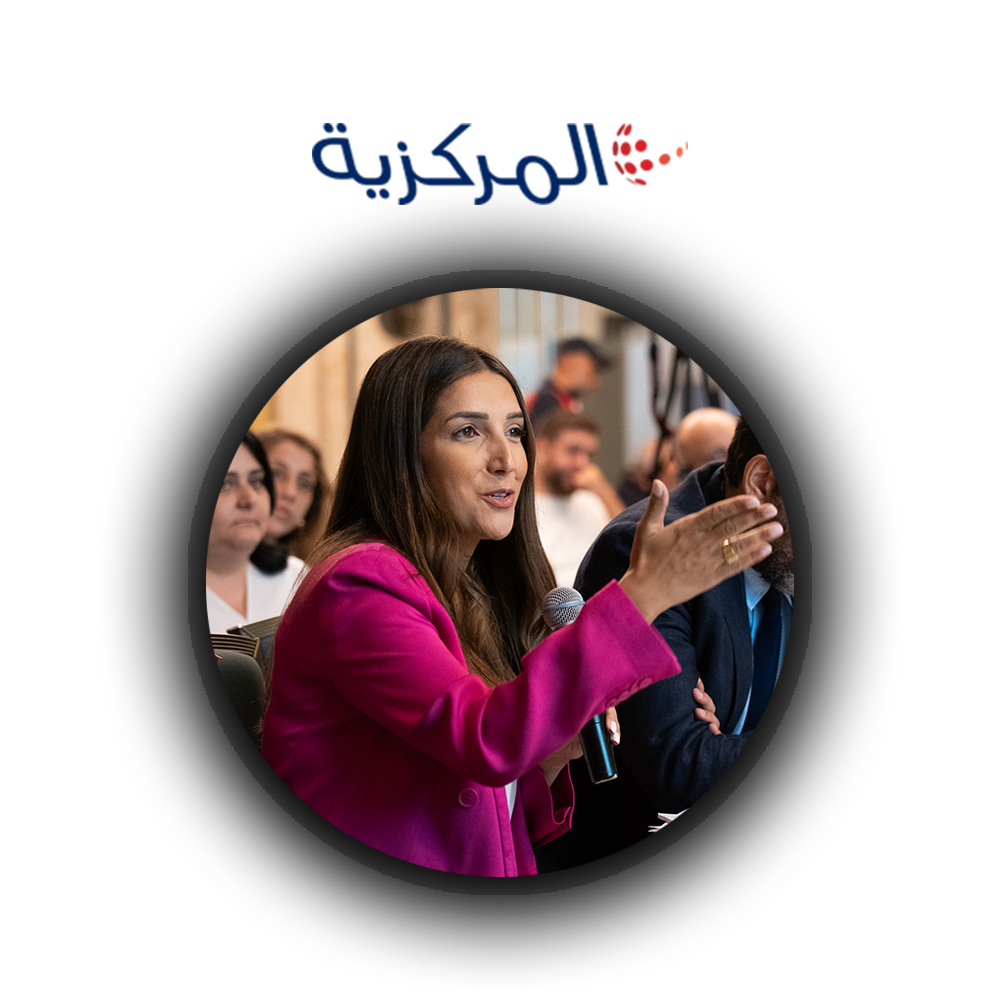
زار وزير الإعلام في حكومة تصريف الأعمال المهندس زياد المكاري، مركز “قهوتنا” التابع لجمعية “مارش”، وجال في أقسام المشاريع والورش التي ينفذها، واستمع الى المشرفين والمتطوعين في الورش المختلفة ورحبت رئيسة “مارش” ليا بارودي بالمكاري. وتحدثت عن “معاناة المنطقة نتيجة ما تعرضت له من مفهوم المواجهة، وعما بذل من جهد لإعادة التواصل بين الشباب على أساس مفهوم المودة والتفاهم” ثم عرضت افلام وثائقية عن أعمال “مارش” والتعاون مع الجيش وتحدث المكاري عن “تجربة لبنان مع الحرب والتي لا تقدم للناس إلا الموت والشهداء بلا ثمن حقيقي”. وتطرق الى حقبات مرت بين طرابلس وزغرتا، مشددا على “معرفة الناس بعضها البعض بعد الكثير من المفاهيم غير المجدية، وأنه لا بد من تواصل وتكامل متين عميق دائم ومستمر”. وأسف “لتفشي الجهل المتعدد الأوجه في طرابلس ولتسرب الشباب وهجرتهم نتيجة الواقع” وتطرق الى موعد جلسة الانتخابات الرئاسية الأسبوع المقبل، متوقعا أن تكون “بلا نتيجة، وبالتالي انعكاسات ذلك ستكون غير مفيدة للبلد” وشكر بارودي و”مارش”، مؤكدا أن “السعي المشابه يمكن أن يساهم في البناء وإلغاء منطق الحروب الداخلية الكارثية النتائج”

سفير الشمال – إدراج موقعين في طرابلس على الخارطة السياحية بحضور وزيري السياحة والإعلام

أعلن اليوم، عن اعتماد “قهوتنا” و”طريق الحب والحرب” بين منطقتي التبانة وجبل محسن، كموقعين سياحيين وفقا لقرارين صادرين عن وزارة السياحة، برعاية وزيري السياحة والاعلام في حكومة تصريف الاعمال وليد نصار وزياد المكاري، اللذين جالا في “قهوتنا” ومشاريعها وعند خط التماس السابق بين المنطقتين، بمشاركة وفد مثل السفارة البريطانية، بدعوة من جمعية “مارش”، وذلك “لاستكشاف الوحدة والمصالحة بين مقاتلي الماضي واصدقاء اليوم والغد من شبان جبل محسن وباب التبانة” مؤتمر صحافي وعقد وزيرا السياحة والاعلام مؤتمراً صحافياً، استهله نصار بالقول: “كانت منطقة باب التبانة في السابق تسمى باب الذهب، وكنا نسمع للأسف خلال الحرب معارك المحاور واخبار الاقتتال، واليوم نحن بصدد مشاريع مؤثرة في المنطقة. أشكر معالي الوزير على اهتمامه” اضاف: “أنتم هنا تطالبون بإدراج هذه المواقع على الخريطة السياحية المحلية والدولية، وطبعا يمكن الاستفادة من هذا الامر. بالمناسبة أود تهنئة شباب التبانة وجبل محسن على تقبل بعضهم البعض، وقرارهم وضع لغة الحرب وراءهم فلا يتوارثها الاولاد وأولاد الاولاد، وهذا امر بالغ الدقة، وبالتالي إن المحافظة على العيش الواحد والوحدة والمحبة والألفة ثوابت لا بد منها” وتابع: “نفهم طبعا ان الحرب قد تترك رواسب تحتاج الى الوقت لتنجلي نهائيا، انما دوركم مهم جدا وما تقومون به أيضا، وقد تأثرت جدا بما قدمتم من أعمال ومنتجات ومشاريع” وقال: “ان طرابلس المدينة الاقتصادية الثانية تمر بظروف صعبة، ونحن نعمل على خطة نهوض اقصادي نأمل أن تفيد منه المدينة فعلا، كما نطمح الى انتخاب رئيس للجمهورية وتأليف حكومة اصلاحية من أولوياتها حل المشاكل الاجتماعية والاهتمام بالتربية، فالمجتمع الصالح يحتاج الى التربية بجناحيها الرسمي والخاص، لينجز تقدما ضروريا. كما لا بد من توفير الحوافز للبنانيين كي يكونوا منتجين” اضاف: “يسرني أن اعلمكم بمضمون قرار وزارة السياحة رقم 141 القاضي القاضي بإدراج قهوتنا في باب التبانة في طرابلس على الخارطة السياحية والترويج لها محليا ودولياً. ونتوجه الى المؤسسات المعنية من اجل المساهمة في الترويج لها، وان تعمم أيضا على الادلاء السياحيين. كما سنعممها على وكالات السياحة والسفر لتكون محطة سياحية يزورها قاصدو المدينة” وتابع: “كما أعلمكم عن مضمون القرار الخاص بدرب الحب والحرب الذي دارت فيه المعارك إبان المواجهات بين المنطقتين، ويحمل الرقم ١٤٢ والذي يدرج مسار الحب والحرب على الخارطة السياحية في طرابلس والترويج له محليا ودوليا” وأثنى على “أجواء المحبة التي تجسدت من خلال عمل قهوتنا”، داعيا الجميع الى “التفكير بالمستقبل والتلاقي” وقال: “هناك الكثير من الجمعيات ومن المواقع السياحية التي نضيف إليها اليوم هذين الموقعين، وإذ أتمنى لكم جميعا موسم صيف مباركا، أعلن أننا نشهد موسما سياحيا جيدا في كل المناطق من دون استثناء، إذ أننا بصدد حركة سياحية غير اعتيادية. نحن هنا لنؤكد أن طرابلس غالية علينا وندعو الجميع لزيارتها” المكاري من جهته، قال وزير الاعلام: “اليوم نحن بصدد نشاط مختلف كلياً، إذ أننا امام خطوط تماس تسببت معاركها بمآس وآلام بين منطقتين في حي واحد وبلد واحد، وأمام قرار باعتمادهما مواقع سياحية، هذا أمر جديد أرى أنه متقدم جدا” اضاف: “ما يهمنا استخلاص الدروس، فإتاحة السلام لابنائنا أمر ممكن جدا، فمن نلتقيهم هنا من الشباب ربما كان أفق المستقبل مسدودا أمامهم وحدود حياتهم محدودة جغرافيا، مما يجعل الانفتاح أمرا أساسيا لهم اليوم، وأحاديثهم تزخر بالطموح وحب الحياة، فشكرا لكل الجهود التي بذلت وهي كبيرة ومؤثرة للغاية” وتابع: “أعود للتأكيد بأن وزارة الاعلام ملزمة بإظهار كل ما هو إيجابي، وهذا مساري وعملي وهدفي في الوزارة، فنحن لسنا معنيبن فقط بتغطية اخبار السياسيين والأحداث المتنقلة بل يهمنا إيصال الصورة الايجابية للبنانيين، ونعمل بجهد على ذلك. هنا مثلا، من أفقر منطقة في لبنان، أنجز عمل لم ينجزه اهم السياسيين في لبنان، ولا اعرف اذا أرادوا ذلك فعلا” وقال: “الناس هنا سامحوا وغفروا، وعرفوا كيف يعملون معا، وغدا ان شاء الله يعيش أولادهم معا. فليكن ما يحصل هنا درسا لكل السياسيين، ولنكن على يقين بأن البلد اكبر من الجميع” وختم: “وهنا أيضا أوجه الدعوة للسياسيين لوضع العناد جانبا، وليذهبوا في اتجاه انتخاب رئيس، وإلا فسنذهب جميعا الى مكان سيىء للغاية، ولا أعلم اذا كان من بيدهم المفاتيح يشعرون بذلك. نتمنى ان يخرجوا من الشخصنة ويستشعروا بأن البلد لم يعد يحتمل”

الأخبار – مكتومو القيد: اقتراح قانون للحلّ

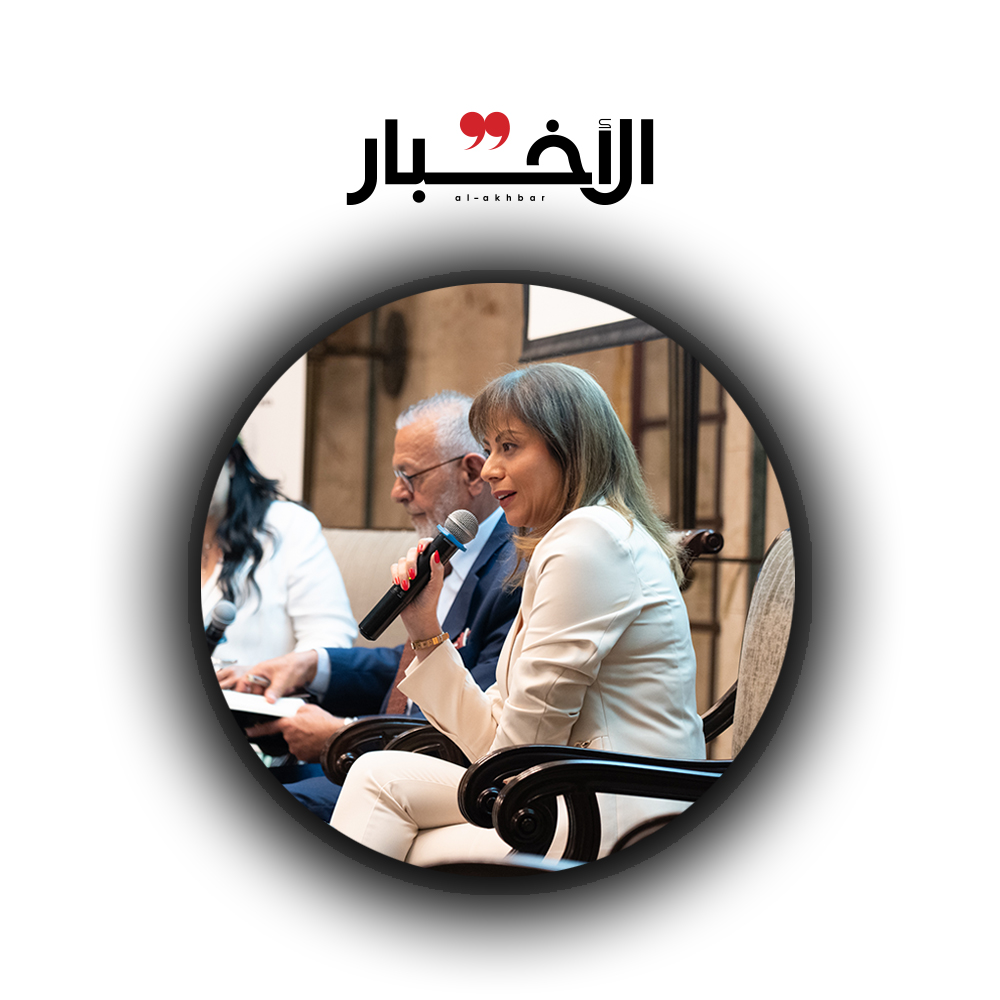
ببطء شديد، يسير القضاء اللّبناني بسبب «القصور اللوجستي» في قصور العدل، ويدرج معالجة قضايا مكتومي القيد في أدنى سلّم أولوياته. لذلك، أعدّ المدير العام للأحوال الشخصية في وزارة الداخلية إلياس خوري مشروع قانون قيد الدرس لاختصار الطريق أمام الأولاد اللبنانيين الشرعيين الذين أُهمل قيدهم ضمن مهلة السنة المحددة في القانون، لتسريع تسجيلهم عبر إنشاء لجنة مختصّة تنظر في الطلبات الغاية من مشروع القانون الذي لا يتعارض مع القوانين المرعية الإجراء، ولا سيّما قانون الجنسية اللبنانية الذي يعطي الحق بالجنسية لمكتومي القيد ممّن وُلدوا من أب لبناني، هو تسهيل تسجيل قيودهم. وهو يسمح للنيابة العامة التمييزية، أو والد القاصر، أو والدته، أو القانوني، أو الوصي، أو الولد الذي بلغ سنّ الرشد، بأن يتقدّم بطلب تسجيل قيده إلى المديرية العامة للأحوال الشخصية مرفقاً بوثيقة زواج الوالدين، شهادة ولادة مصدَّقة وفق الأصول، وثيقة ولادة للمطلوب قيده، إفادة تعريف من مختار المحلة، وفحص الحمض النووي DNA لإثبات صحة النسب. وهو ينص على أن تحيل المديرية العامة للأحوال الشخصية الطلبات إلى المديرية العامة للأمن العام لإجراء التحقيقات اللازمة، ثم إلى وزير الداخلية والبلديات الذي يحيلها بدوره إلى لجنة مختصة يرأسها قاضٍ عدليّ من الدرجة العاشرة، وعضوية قاضٍ إداري من الدرجة التاسعة والمدير العام للأحوال الشخصية، لدرس الملفات واتخاذ القرارات المناسبة فيها، ويمكن استئنافها أمام محكمة الاستئناف المدنية. وبعد صدور القرار وانتهاء مهلة الشهر للاستئناف، أو بعد صدور قرار محكمة الاستئناف، ينفّذ مأمور النفوس على الفور وثيقة ولادة صاحب العلاقة خوري أكّد في لقاء تشاوري نظّمته جمعية «مارتش»، الجمعة الماضي في بيروت، أنّ «عمل اللجنة لا يحلّ محل المحاكم بل بموازاتها»، مشدداً على ضرورة إعطاء الأولوية لـ«الأولاد اللّبنانيين الشّرعيين، ونترك للقضاء تسوية أوضاع غير الشرعيين». والأولاد اللبنانيون هم الذين تخلّف أهلهم عن تسجيل قيدهم ضمن مهلة السنة المحددة في القانون، عن جهل أو إهمال أو تقصير أو لأسباب مادية أو لغياب الأب (قد يكون في السجن، فاراً من العدالة، مسافراً…) أو لأنّ المستشفى حجز شهادة الولادة رئيسة دائرة التنفيذ في المتن القاضية رنا عكوم أكّدت في اللقاء، رداً على سؤال عن غاية المشرّع من إمهال الأهل سنة واحدة للتسجيل الإداري قبل التوجه إلى القضاء، أن «المشرّع أمهل الأهل ثلاثين يوماً بعد الولادة للتسجيل تحت طائلة تسديد غرامة مالية لا يعرف عنها كثيرون ولا يهتمّون بها. أما إمهالهم لسنة فيعود إلى صعوبة إثبات معطيات كثيرة كلما مرّ الوقت، كوفاة القابلة القانونية التي ولّدت مكتوم القيد». ولفتت إلى أنّ «دعاوى الحصول على الجنسية ليست بحاجة إلى توكيل محامين، إلا في حال استأنفت المحكمة. أما في المراحل الأولى فيمكن للأهل أن يقوموا بالاستدعاء، وأن يحضروا الدعاوى، ويؤمّنوا الوثائق المطلوبة»وتساءل خوري عن «غموض المجتمع المدني في التعاطي مع قضايا مكتومي القيد في لبنان، فعندما نطلب من الجمعيات دعماً لمشروع شامل لكل مكتومي القيد وعديمي الجنسية على الأراضي اللبنانية تتوفّر لديها الإمكانات، وعندما نضيّق الدائرة ونقترح مشاريع لمكتومي القيد اللبنانيين حصراً لا تتوفر الأموال» ورأى ممثل المدير العام للأمن العام بالإنابة فوزي شمعون أنّ قضية النزوح السوري «تزيد قضايا مكتومي القيد تعقيداً نتيجة الزيجات المختلطة. صحيح أنه لو كان الولد من أب لبناني فإنه يحقّ له نيل الجنسية مهما كانت جنسية الأم، لكن، هناك حالات تكون فيها الأم مقيمة بطريقة غير شرعية فتخاف من التقدم بطلب تسجيل قيد مولودها». ومن هنا، صارت تحقيقات الأمن العام تدور على نطاق أوسع، فـ«مجلس الدفاع الأعلى أوصى بتوقيف كل سوري وترحيله إذا دخل الأراضي اللبنانية خلسة بعد عام 2019، وهناك سيدات سوريات يدخلن خلسة إلى لبنان ويتزوّجن من لبناني زواج مصلحة. لا بد هنا من إصلاح وضع إقامة الأم والتأكد من أحقية الولد في نيل الجنسية»يبقى ما سبق مسوّدة لمشروع قانون مؤلّف من 12 مادة وقابل للتعديل، تعطي وزارة العدل رأيها فيه قبل أن يسلك مساره الطبيعي. وقد لاقى ترحيب النواب الذين حضروا اللقاء من مختلف الكتل، من بينهم النائب إبراهيم الموسوي الذي اقترح أن يحمله النواب إلى المجلس كاقتراح قانون «بما يسرّع إقراره، خاصة أنه يرتبط بمسألة إنسانية لن تختلف عليها الكتل»

المركزية – مشروع قانون قيد الدرس لمعالجة قضايا مكتومي القيد

يسير القضاء اللّبناني بسبب «القصور اللوجستي» في قصور العدل ببطء شديد، ويدرج معالجة قضايا مكتومي القيد في أدنى سلّم أولوياته. بحسب “الأخبار”، أعدّ المدير العام للأحوال الشخصية في وزارة الداخلية إلياس خوري مشروع قانون قيد الدرس لاختصار الطريق أمام الأولاد اللبنانيين الشرعيين الذين أُهمل قيدهم ضمن مهلة السنة المحددة في القانون، لتسريع تسجيلهم عبر إنشاء لجنة مختصّة تنظر في الطلبات الغاية من مشروع القانون الذي لا يتعارض مع القوانين المرعية الإجراء، ولا سيّما قانون الجنسية اللبنانية الذي يعطي الحق بالجنسية لمكتومي القيد ممّن وُلدوا من أب لبناني، هو تسهيل تسجيل قيودهم. وهو يسمح للنيابة العامة التمييزية، أو والد القاصر، أو والدته، أو القانوني، أو الوصي، أو الولد الذي بلغ سنّ الرشد، بأن يتقدّم بطلب تسجيل قيده إلى المديرية العامة للأحوال الشخصية مرفقاً بوثيقة زواج الوالدين، شهادة ولادة مصدَّقة وفق الأصول، وثيقة ولادة للمطلوب قيده، إفادة تعريف من مختار المحلة، وفحص الحمض النووي DNA لإثبات صحة النسب. وهو ينص على أن تحيل المديرية العامة للأحوال الشخصية الطلبات إلى المديرية العامة للأمن العام لإجراء التحقيقات اللازمة، ثم إلى وزير الداخلية والبلديات الذي يحيلها بدوره إلى لجنة مختصة يرأسها قاضٍ عدليّ من الدرجة العاشرة، وعضوية قاضٍ إداري من الدرجة التاسعة والمدير العام للأحوال الشخصية، لدرس الملفات واتخاذ القرارات المناسبة فيها، ويمكن استئنافها أمام محكمة الاستئناف المدنية. وبعد صدور القرار وانتهاء مهلة الشهر للاستئناف، أو بعد صدور قرار محكمة الاستئناف، ينفّذ مأمور النفوس على الفور وثيقة ولادة صاحب العلاقة خوري أكّد في لقاء تشاوري نظّمته جمعية «مارتش»، الجمعة الماضي في بيروت، أنّ «عمل اللجنة لا يحلّ محل المحاكم بل بموازاتها»، مشدداً على ضرورة إعطاء الأولوية لـ«الأولاد اللّبنانيين الشّرعيين، ونترك للقضاء تسوية أوضاع غير الشرعيين». والأولاد اللبنانيون هم الذين تخلّف أهلهم عن تسجيل قيدهم ضمن مهلة السنة المحددة في القانون، عن جهل أو إهمال أو تقصير أو لأسباب مادية أو لغياب الأب (قد يكون في السجن، فاراً من العدالة، مسافراً…) أو لأنّ المستشفى حجز شهادة الولادة رئيسة دائرة التنفيذ في المتن القاضية رنا عكوم أكّدت في اللقاء، رداً على سؤال عن غاية المشرّع من إمهال الأهل سنة واحدة للتسجيل الإداري قبل التوجه إلى القضاء، أن «المشرّع أمهل الأهل ثلاثين يوماً بعد الولادة للتسجيل تحت طائلة تسديد غرامة مالية لا يعرف عنها كثيرون ولا يهتمّون بها. أما إمهالهم لسنة فيعود إلى صعوبة إثبات معطيات كثيرة كلما مرّ الوقت، كوفاة القابلة القانونية التي ولّدت مكتوم القيد». ولفتت إلى أنّ «دعاوى الحصول على الجنسية ليست بحاجة إلى توكيل محامين، إلا في حال استأنفت المحكمة. أما في المراحل الأولى فيمكن للأهل أن يقوموا بالاستدعاء، وأن يحضروا الدعاوى، ويؤمّنوا الوثائق المطلوبة» وتساءل خوري عن «غموض المجتمع المدني في التعاطي مع قضايا مكتومي القيد في لبنان، فعندما نطلب من الجمعيات دعماً لمشروع شامل لكل مكتومي القيد وعديمي الجنسية على الأراضي اللبنانية تتوفّر لديها الإمكانات، وعندما نضيّق الدائرة ونقترح مشاريع لمكتومي القيد اللبنانيين حصراً لا تتوفر الأموال» ورأى ممثل المدير العام للأمن العام بالإنابة فوزي شمعون أنّ قضية النزوح السوري «تزيد قضايا مكتومي القيد تعقيداً نتيجة الزيجات المختلطة. صحيح أنه لو كان الولد من أب لبناني فإنه يحقّ له نيل الجنسية مهما كانت جنسية الأم، لكن، هناك حالات تكون فيها الأم مقيمة بطريقة غير شرعية فتخاف من التقدم بطلب تسجيل قيد مولودها». ومن هنا، صارت تحقيقات الأمن العام تدور على نطاق أوسع، فـمجلس الدفاع الأعلى أوصى بتوقيف كل سوري وترحيله إذا دخل الأراضي اللبنانية خلسة بعد عام 2019، وهناك سيدات سوريات يدخلن خلسة إلى لبنان ويتزوّجن من لبناني زواج مصلحة. لا بد هنا من إصلاح وضع إقامة الأم والتأكد من أحقية الولد في نيل الجنسية يبقى ما سبق مسوّدة لمشروع قانون مؤلّف من 12 مادة وقابل للتعديل، تعطي وزارة العدل رأيها فيه قبل أن يسلك مساره الطبيعي. وقد لاقى ترحيب النواب الذين حضروا اللقاء من مختلف الكتل، من بينهم النائب إبراهيم الموسوي الذي اقترح أن يحمله النواب إلى المجلس كاقتراح قانون بما يسرّع إقراره، خاصة أنه يرتبط بمسألة إنسانية لن تختلف عليها الكتل

Proposed Draft Law Facilitating Registration Process for Lebanese Stateless Individuals

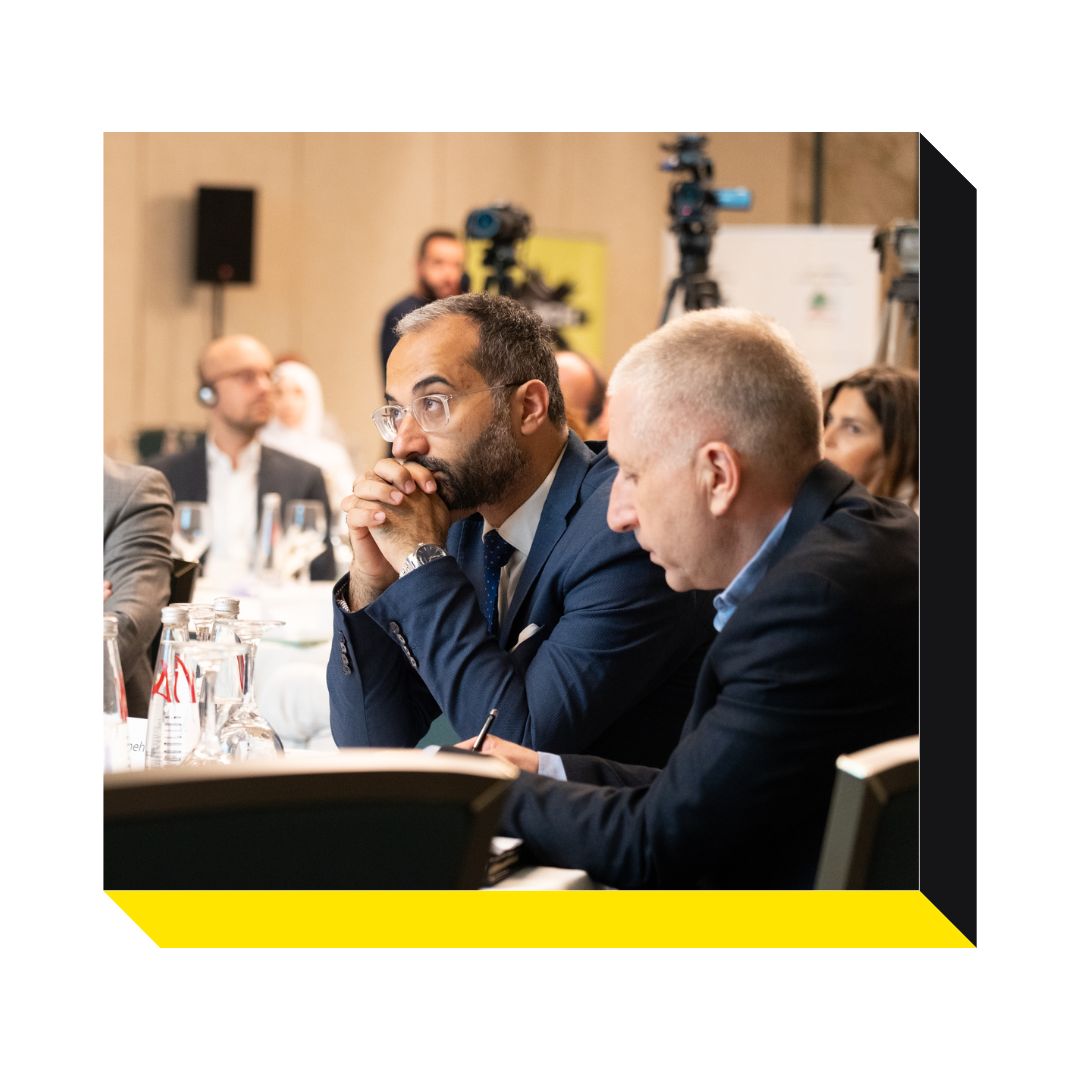
MARCH organized a highly successful high-level consultative meeting entitled “Lebanese Stateless: Challenges and Solutions” in collaboration with the General Directorate of Personal Status at the Ministry of Interior and Municipalities to address the issue of Lebanese statelessness. The meeting brought together several Members of Parliament, ambassadors, experts, policymakers, judges, lawyers, and representatives from various local and international organizations. Background MARCH realized the importance of holding this meeting after conducting intense on-ground research, in which they have found that, to date, there is no official study that determines the accurate official number of unregistered individuals of Lebanese origin. On the contrary, most published articles combine the numbers of both foreign and Lebanese unregistered individuals, placing them in a single category. To address this issue, MARCH collaborated with Siren Company to conduct a field study and survey in 2018-2019 to determine the number of unregistered individuals of Lebanese origin in Tripoli. The results indicated that the estimated number in Tripoli was around 2,200 and approximately 27,000 for Lebanon as a whole. Through this study, it became evident that one of the reasons that challenges people to register their births after the one-year legal deadline is due to the slow administrative procedures and the inability to follow up on files. Consequently, we initiated a collaboration with the Director-General of the General Directorate of Personal Status, Colonel Elias Khoury, to develop and improve the civil registration offices through mechanization, which will facilitate data archiving and monitoring by the state. Within this framework and the efforts of the association, in addition to the healthcare, psychological, and social services provided, MARCH established a legal department to offer legal consultations and represent several cases in court. MARCH also disseminated legal awareness in this field through social media platforms and awareness sessions held at our cultural centers. Through this department, we aim not only to raise legal awareness but also to highlight the difficulties faced in courts, particularly in terms of lengthy trials, lawsuit costs, and the challenge of obtaining necessary documents. From this standpoint, it was crucial to resort to the law to find a solution to reduce the increasing number of unregistered individuals from Lebanese fathers. Therefore, we prepared a draft law as an initiative to address this issue in collaboration with the General Directorate of Personal Status at the Ministry of Interior and Municipalities, specifically with its Director-General, Colonel Elias Khoury, who expressed significant interest and provided substantial support and effort to develop this project. A Highly Successful Consultative Meeting Stirs Solutions for the Lebanese Stateless   Mrs. Lea Baroudi, the General Coordinator and Co-Founder of MARCH Association delivered an opening speech where she brought attention to the challenges faced by the Lebanese Stateless such as the deprivation of the right to nationality, access to services, education, employment, healthcare, freedom of movement and other civil and basic rights due to their parent’s failure to register them within the one-year legal deadline. Mrs. Baroudi also highlighted MARCH’s initiatives, which have received support from the British Embassy in Lebanon, including conducting a comprehensive field survey and study on Lebanese stateless individuals in Tripoli (2019), in collaboration with Siren associates, as well as providing legal services, legal awareness sessions, and developing automation system in the General Directorate of Personal Status. Moreover, MARCH is collaborating with the General Directorate of Personal Status to develop an innovative draft law aimed at granting Lebanese identity to every legitimate child of a Lebanese father. Moreover, a short documentary report was presented, highlighting the challenges and firsthand testimonies of Lebanese stateless individuals. In the first panel, researcher Elias Dahrouj from SIREN Associates delivered a presentation on the statistics and findings derived from their comprehensive studies on Lebanese statelessness in Tripoli (2019), Akkar (2021) Beirut, and Mount Lebanon (2023). He discussed common reasons for non-registration and presented the scientific estimate of 27,000 unregistered individuals of Lebanese origin.  In the beginning of the second panel, General Fawzi Chamoun, Head of the Bureau of Nationality, Passports, and Foreign Affairs and representative of the Director General of the General Directorate of General Security, emphasized that the General Security has always fulfilled its duties in addressing the issue of unregistered individuals and stressed the urgent need to provide recommendations and immediate solutions to tackle this significant problem, including reducing the referral of unregistered individuals, who are of Lebanese origin, to General Security investigations to alleviate the burden on the judiciary and General Security itself. He also emphasized the importance of awareness campaigns and establishing effective monitoring mechanisms for newborns. General Chamoun highlighted the need to improve coordination between hospitals and relevant official departments to ensure swift registration of births. He also stressed the importance of imposing fines or penalties on parents who fail to comply with the legal deadlines for registering their newborns. During the second panel, Judge Rana Akkoum, Head of the Execution Court in Metn, provided valuable insights into the distinction between Lebanese statelessness and stateless individuals. She shed light on the challenges related to the lengthy judicial process, which led to the imposition of a final registration deadline to avoid possible delays. Judge Akkoum also emphasized that DNA testing, although costly, is important to establish legal parentage. She also identified situations where General Security investigations can be avoided to save time and alleviate the burden. Representing the Beirut Bar Association, Me. Amin Al Kaddoum highlighted the root causes that lead parents to neglect registration within the one-year legal deadline. He linked this issue to a lack of awareness and education about the registration process itself and called on the media to allocate continuous awareness segments. Recognizing this gap, special committees were established within the Beirut Bar Association to provide legal consultations and collaborate with lawyers in courts to effectively address the issues of unregistered individuals and stateless individuals. He stated that these dedicated efforts aim to find practical solutions to the issue of unregistered individuals. In the third panel, General Elias El Khoury, Director General of the Directorate General of Personal Status at the Ministry