Transforming Conflict and Stigmatization through the Love and War Tour

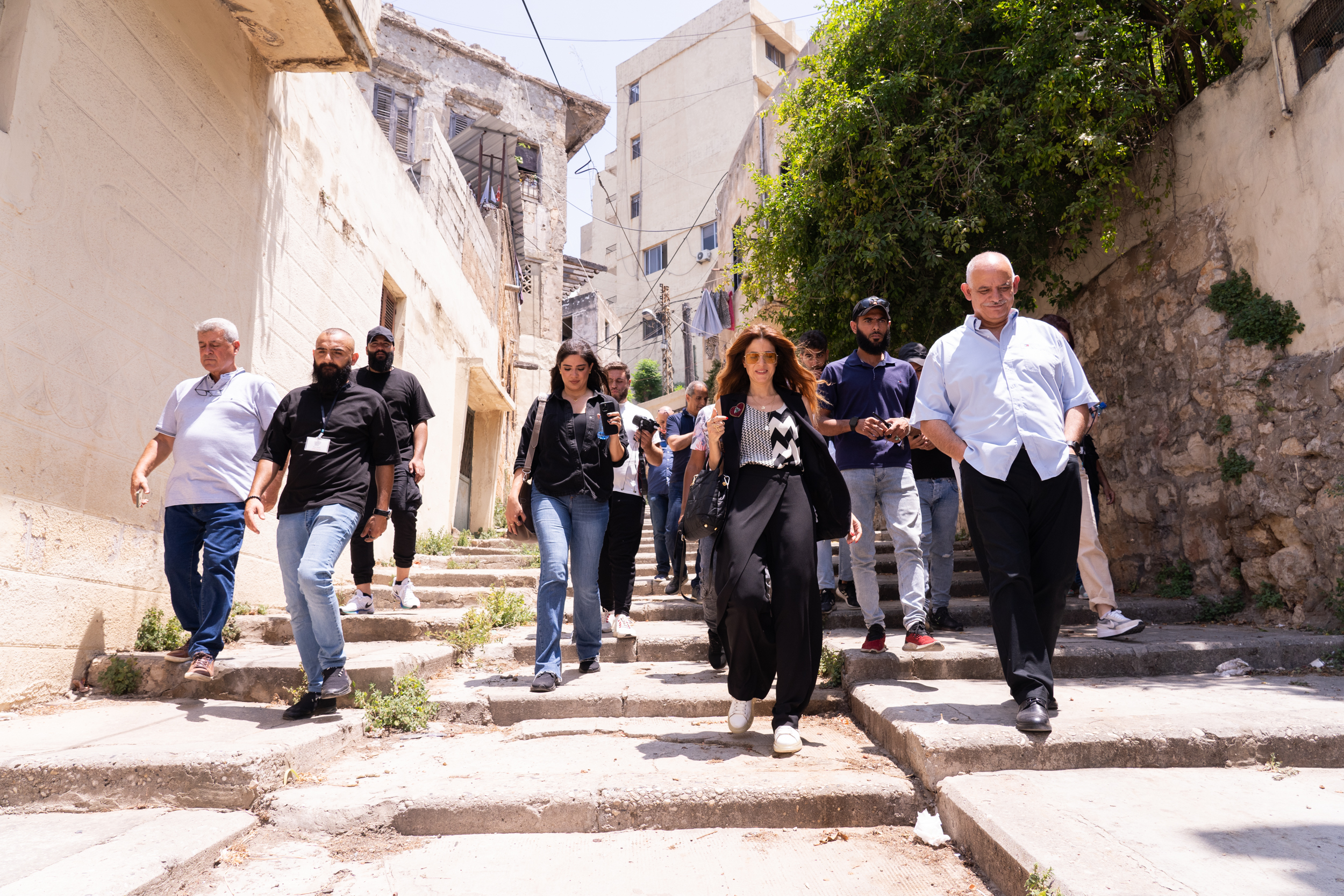
Tripoli, Lebanon’s second-largest city, has long been plagued by social unrest and sectarian clashes between the communities of Jabal Mohsen and Beb El Tebbeneh. These conflicts and recurring clashes which have ended with a ceasefire in 2014, have not only resulted in physical damage but also contributed to the neglect and marginalization of some of the city’s most culturally and historically significant neighborhoods and landmarks. Additionally, the area has suffered from negative stigmatization due to its association with violence and conflict.  In efforts to address these challenges and promote positive change, MARCH has launched its innovative social initiative known as “The Love & War Tour” in the aim of reviving economic sustainability, promoting tourism, countering stigmatization and fostering social cohesion.  Featuring Kahwetna and the Love & War Tour on Lebanon’s Local Tourist Map  In a momentous event on Thursday, July 6, 2023, the once contentious demarcation lines of Jabal Mohsen and Beb El Tebbeneh in Tripoli were officially recognized on Lebanon’s tourist map, marking a remarkable journey of unity, reconciliation, and resilience. The ceremony, held at Kahwetna, MARCH’s cultural hub on Syria Street in Beb El-Tebbeneh, brought together esteemed guests including government officials, media personalities, and influencers. During the ceremony, Mr. Walid Nassar, the Minister of Tourism, made a groundbreaking announcement, officially incorporating the “Love & War” trail and “Kahwetna” center into Lebanon’s tourist attractions. This initiative seeks to showcase the rich cultural heritage of these areas to both local and international visitors, while also revitalizing the economy of marginalized communities. The “Love & War” tour is led by ex-rival fighters, who now stand united in their commitment to building a better future. This immersive experience allows visitors to delve into the center and hear firsthand accounts of untold stories and experiences that were overshadowed by past conflicts. By breaking down stereotypes and fostering understanding, these initiatives are paving the way for a brighter and more harmonious future for Tripoli and beyond. At the heart of this transformative movement lies Kahwetna, a cultural hub that has served as a catalyst for change since its establishment in 2016. Bringing together former adversaries from Jabal Mohsen and Beb El Tebbeneh, Kahwetna has been instrumental in promoting culture, education, and community development. Through its efforts, individuals who once stood on opposite sides of conflict have emerged as champions of peace and agents of positive change in their communities. In the face of adversity, MARCH continues to demonstrate the power of unity and resilience through its initiatives and transformative work.  Check out these testimonials from some of the Love & War visitors! 

Transformative Collaborations: Building Bridges between Local Communities and Governmental Institutions

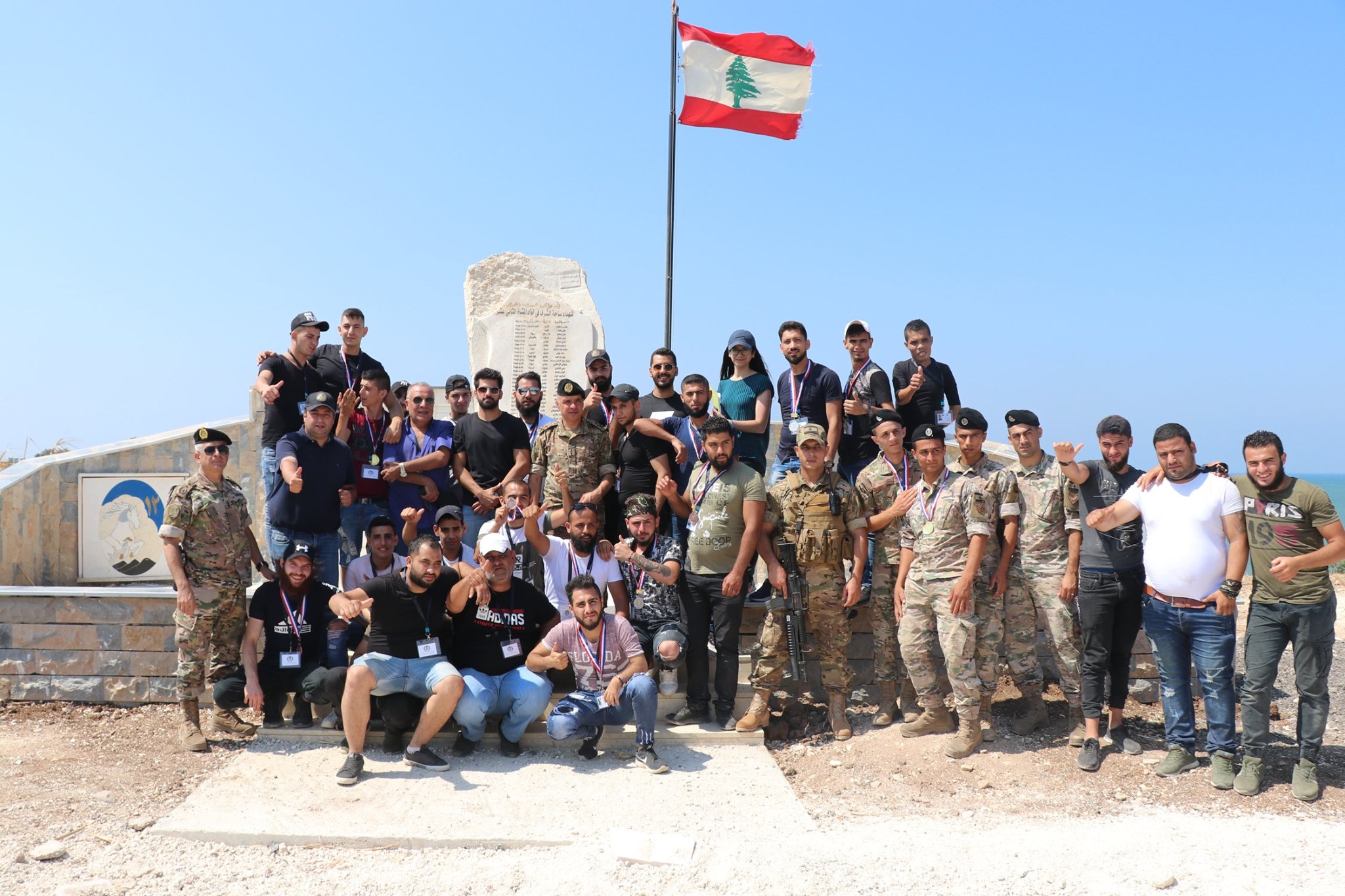
A History of Clashes, Battles, and Resentment The city of Tripoli, Lebanon, has faced its share of challenges, including periods of partial government absence and clashes between the communities of Jabal Mohsen and Bab El Tebbeneh, as well as between these communities and security institutions, notably the Lebanese Armed Forces. During the peak conflicts of 2011, the government’s presence diminished, only to reemerge in 2014 with a new security plan. However, this resurgence came with raids and arrests that left elevated feelings of resentment towards the Lebanese Armed Forces and the state. Consequently, tense relationships developed between the Lebanese Armed Forces and the community, leading to ongoing clashes. MARCHing Forward for Change MARCH recognized that fostering stability and unity required rebuilding trust, respect, understanding, and communication between local communities and the Lebanese army. This vision led to the creation of innovative initiatives aimed at bridging the gap and shifting perceptions away from hatred towards acceptance and tolerance. Sustainable and resilient stability isn’t achieved in isolation; it’s the outcome of collective efforts from diverse stakeholders working together. As such, MARCH strategically collaborated with the public sector, particularly the Lebanese Armed Forces, to reshape perceptions, rebuild trust, and foster unity within a community that has experienced conflict and division. Building Bridges Through Sports One of MARCH’s innovative approaches is football tournaments that bring together youth from historically opposing neighborhoods, Bab El Tebbeneh and Jabal Mohsen, along with members of the Lebanese Army. The participants form mixed teams, fostering teamwork and respect both on and off the field. By promoting trust and collaboration, these activities aim to positively influence individual and community opinions and change the narratives of war and hatred. This approach was previously successful with the biannual three-week-long football tournament. Building Bridges Through Dialogue In May 2019, MARCH organized a two-day army camp that facilitated open dialogues and physical activities between the Bab El Dahab team and the soldiers of Tripoli’s 12th infantry brigade. This retreat delved into past conflicts, encouraged team-building exercises, and provided shared experiences through team-building activities and shared meals. The event proved transformative, fostering mutual respect and a sense of partnership between the two groups. Moreover, an impressive example is the military training base established from the ground up. Young individuals from Bab El Tebbaneh and Jabal Mohsen, some of whom had participated in MARCH’s rehabilitative programs, teamed up with the Lebanese Army. This initiative involved constructing various elements of the facility, while dynamic ice-breaking activities focused on teamwork and interpersonal dynamics. Through daily cooperation and a shared goal, tensions dissipated, and a foundation for unity and inclusion was solidified. Building Bridges through Construction and Agriculture The civil-military cooperation activities were numerous and successful throughout the years. They brought the youth closer to military institutions and enabled them to learn various construction skills, from plastering to painting to electricity, along with the construction of solar panels in the army camps to produce sustainable energy for the camp. One of the initiatives also included an agricultural project in Araman Barracks in Tripoli. Youth who had once taken part in clashes in the area joined forces with the Lebanese Army to plant several lands in the camp and install greenhouses to benefit the army. In conclusion, MARCH’s journey exemplifies the transformative power of collaboration. By partnering with the public sector, particularly the Lebanese Armed Forces, the organization has succeeded in reshaping perceptions, forging communication, and building a stronger community. The initiatives, from sports tournaments to collaborative construction projects, highlight MARCH’s achievements in promoting unity, understanding, and resilience, all achievable through collaborative efforts that transcend divisions and promote progress.

ECONOMIC SUSTAINABILITY, A PRECONDITION TO STRONG AND RESILIENT COMMUNITIES

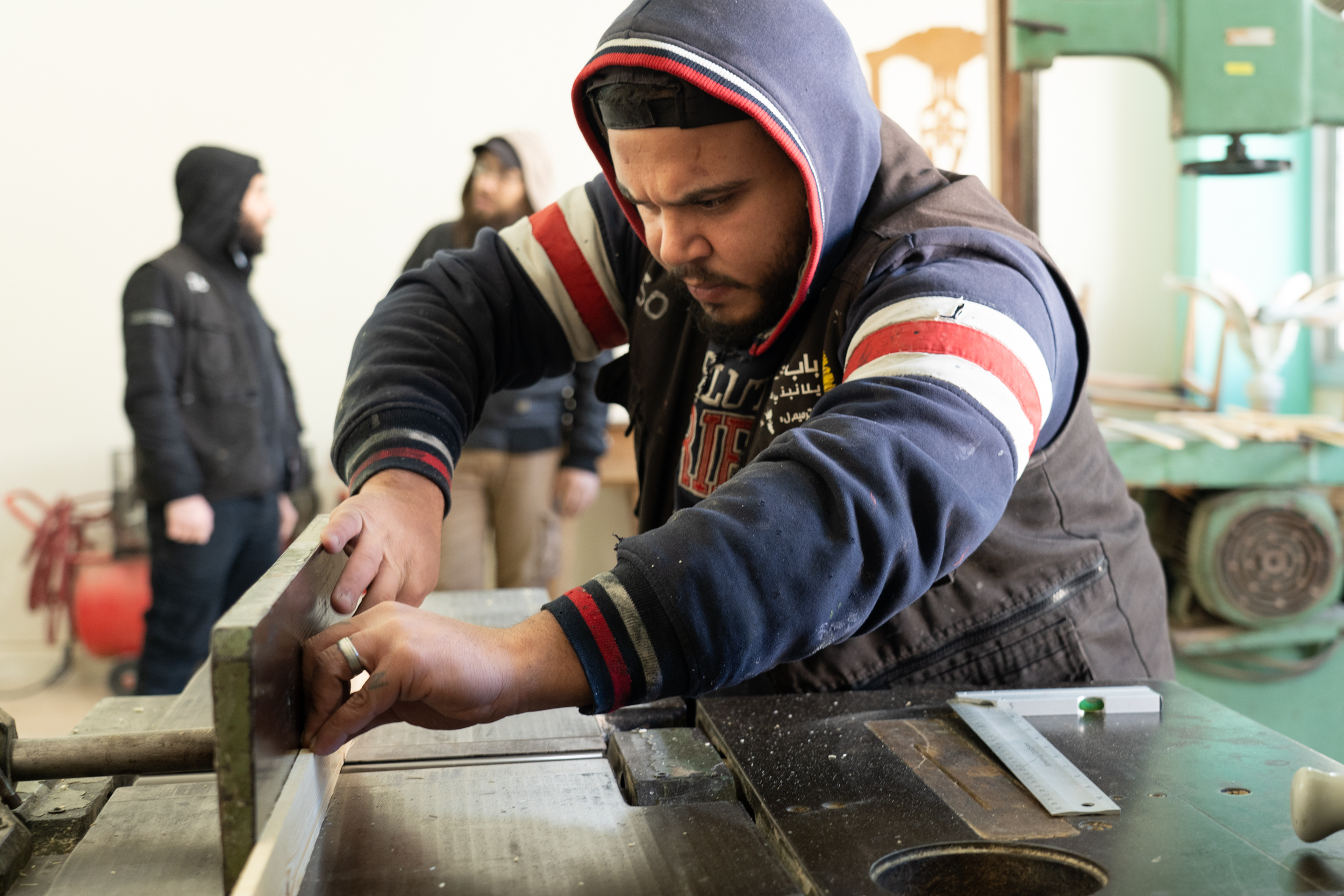
Economic resilience stands as a cornerstone of MARCH’s initiatives, particularly evident in its efforts within Beb El Tabbaneh and Jabal Mohsen. Recognizing that the roots of conflict extended beyond mere ideology, MARCH identified a socioeconomic ecosystem that led to further marginalization of these communities, leaving them lacking opportunities and mired in hopelessness. This was primarily due to their inability to attain formal education and build the skills and capacities required for a profession or a career. Additionally, a significant number of these youths were stateless and/or had unclean records which then constituted drivers of violence and conflict.  In response, MARCH’s adopted theory of change focuses on integrating gender-mixed vocational training workshops into its cultural hub Kahwetna. These workshops provide at-risk youth with alternative pathways, fostering professional skills and economic independence. The vocational training workshops are diverse where most are in craftsmanship such as woodwork, sewing, fashion design, digital and hand embroidery, and another vocation in kitchen and moune making. A newly added vocational training in dentistry after realizing the importance of dental care in the area focusing on training youth in the center on becoming dental assistants. The impact of the vocational training became evident as youth gained proficiency in furniture manufacturing, fashion design, mouneh making and others shifting their life trajectories towards sustainable careers.  Moreover, these trainings work on challenging traditional gender norms by empowering young men and women to explore diverse vocational fields and work together to achieve economic resilience and empowerment. Witnessing the success of the Beb El Dehab program, MARCH expanded its economic initiatives, establishing sustainable projects such as “BEDCO,” “KAN YA MAKAN,” the “Love and War Tour,” and “Kahwetna.” These initiatives not only created job opportunities but also promoted reconciliation and community development. “BEDCO” facilitated Beirut’s recovery post-blast, engaging youth in SME rehabilitation efforts. On another hand, “KAN YA MAKAN” provides a platform for former fighters and adversaries to create traditional and uniquely crafted items to showcase their stories of peace and resilience. The “Love and War Tour” highlights their unity along former demarcation lines as they showcase the history of the region, while “Kahwetna Café” emerges as a cultural hub, where the youth serve coffee and  welcome visitors and serve as a symbol of unity. Moreover, MARCH forged partnerships with private sector entities to ensure sustained support beyond its program through collaborating with companies like Café Najjar and Bokja Design Studios which provided employment opportunities for a significant number of the youth. Through these multifaceted efforts, MARCH recognized that fostering economic resilience and social inclusion offered a viable alternative to sectarian narratives. By providing stability, security, and purpose, MARCH empowered youth to break free from cycles of violence, contributing to a more prosperous and inclusive society.

ALL ABOARD! BUILDING BRIDGES THROUGH CREATING SAFE AND INCLUSIVE PUBLIC SPACES

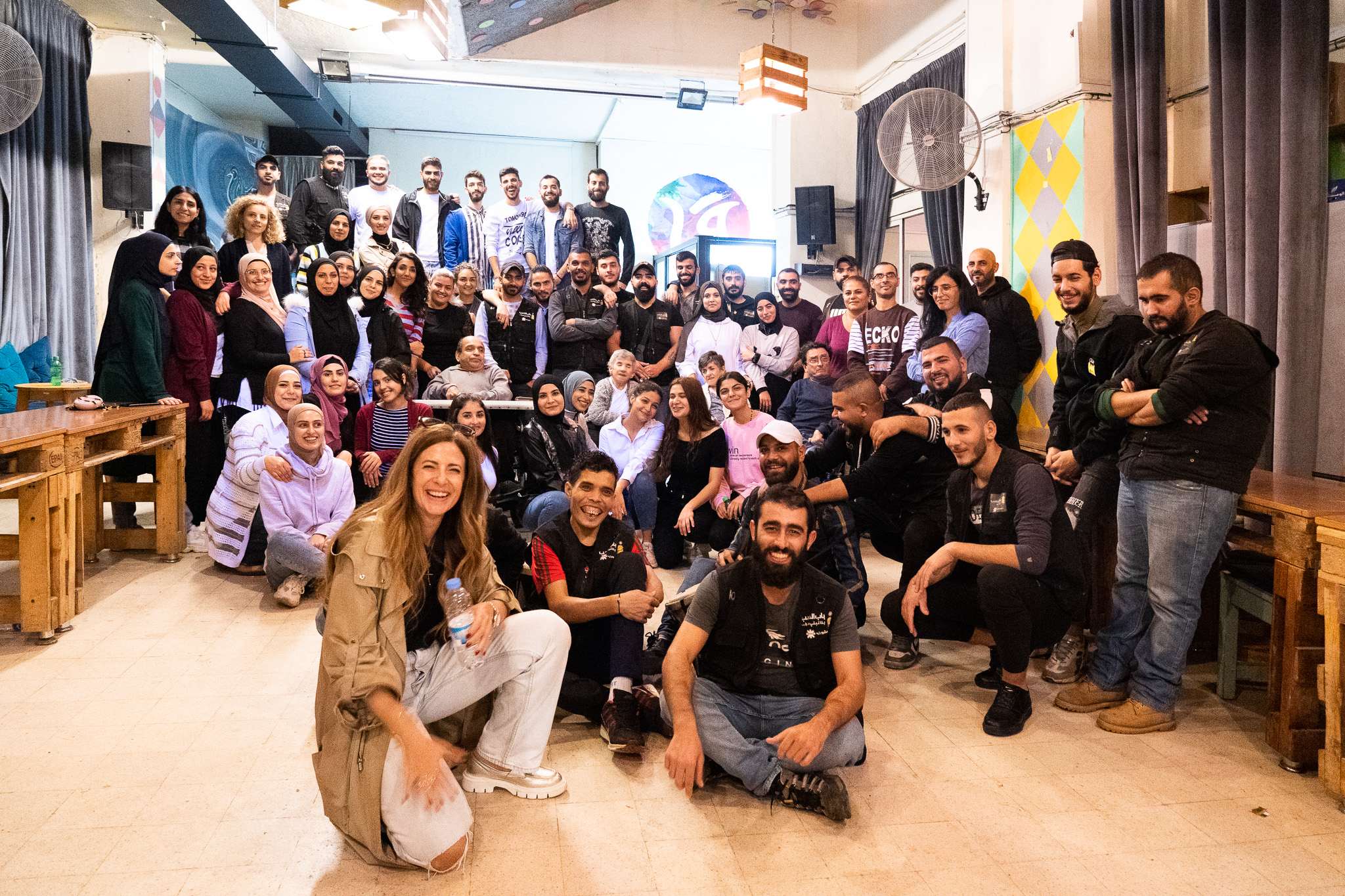
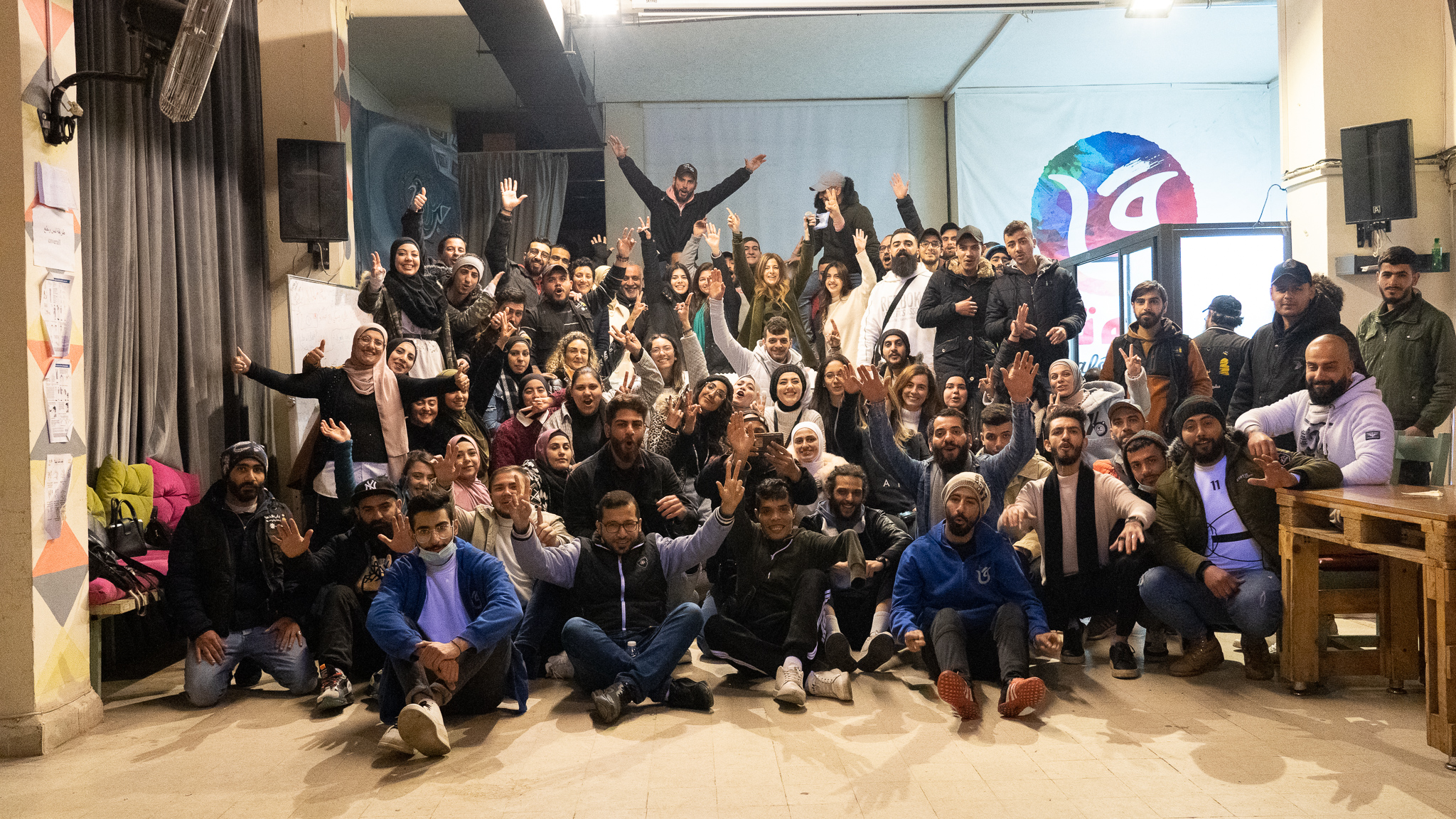
In 2016, MARCH inaugurated Kahwetna, on Syria street, the former demarcation line between Jabal Mohsen and Beb El Tebbeneh of a violent past. Kahwetna serves as a cultural café and hub which brought together former enemies and fighters in the aim of building bridges and friendships and fostering constructive dialogue. Today, Kahwetna has developed into the cradle of our organization’s work in Tripoli and has transformed into a place where participants share stories, meals and experiences. Kahwetna has become a hub for tolerance and understanding and has contributed to the creation of a common identity. By engaging with the young men and women of Beb El Tabbaneh and Jabal Mohsen, our organization recognized the imperative need to create safe and inclusive public spaces within the communities that would give the youth a place to interact away from the toxic dynamics of sectarian divide. MARCH also wanted to build an environment that challenges the patriarchal narrative and allowed women to be seen as equals. From here came the idea of our cultural cafés. Over and above, MARCH realized that the absence of accessible shared spaces had intensified the sharp sectarian dichotomy within these neighborhoods.  In 2018, MARCH replicated this experience in Beirut where it opened Hona Beirut, another cultural café strategically placed at the heart of one of the capital’s former demarcation lines. Much like Tripoli, Beirut’s multiculturalism hadn’t always played to its advantage. Traces of the civil war still remained embedded in the city’s infrastructure. Although different in nature, sectarian tensions were also tangible and youth were more often than not confined to their respective environments rarely integrating other communities. Therefore, the organization set out to establish Hona Beirut, an inter-communal hub that offers artistic and recreational facilities in addition to ongoing capacity-building and career-oriented workshops. Hona Beirut has successfully challenged the cross-generational sectarian narrative that had been forcefully ingrained in the city’s youth. Kahwetna and Hona Beirut have been the cornerstone of MARCH’s work in peace-building as they have allowed the youth to claim ownership of their own expression and find a sense of belonging. 

HONA BEIRUT: A CULTURE HOT-SPOT IN THE HEART OF BEIRUT

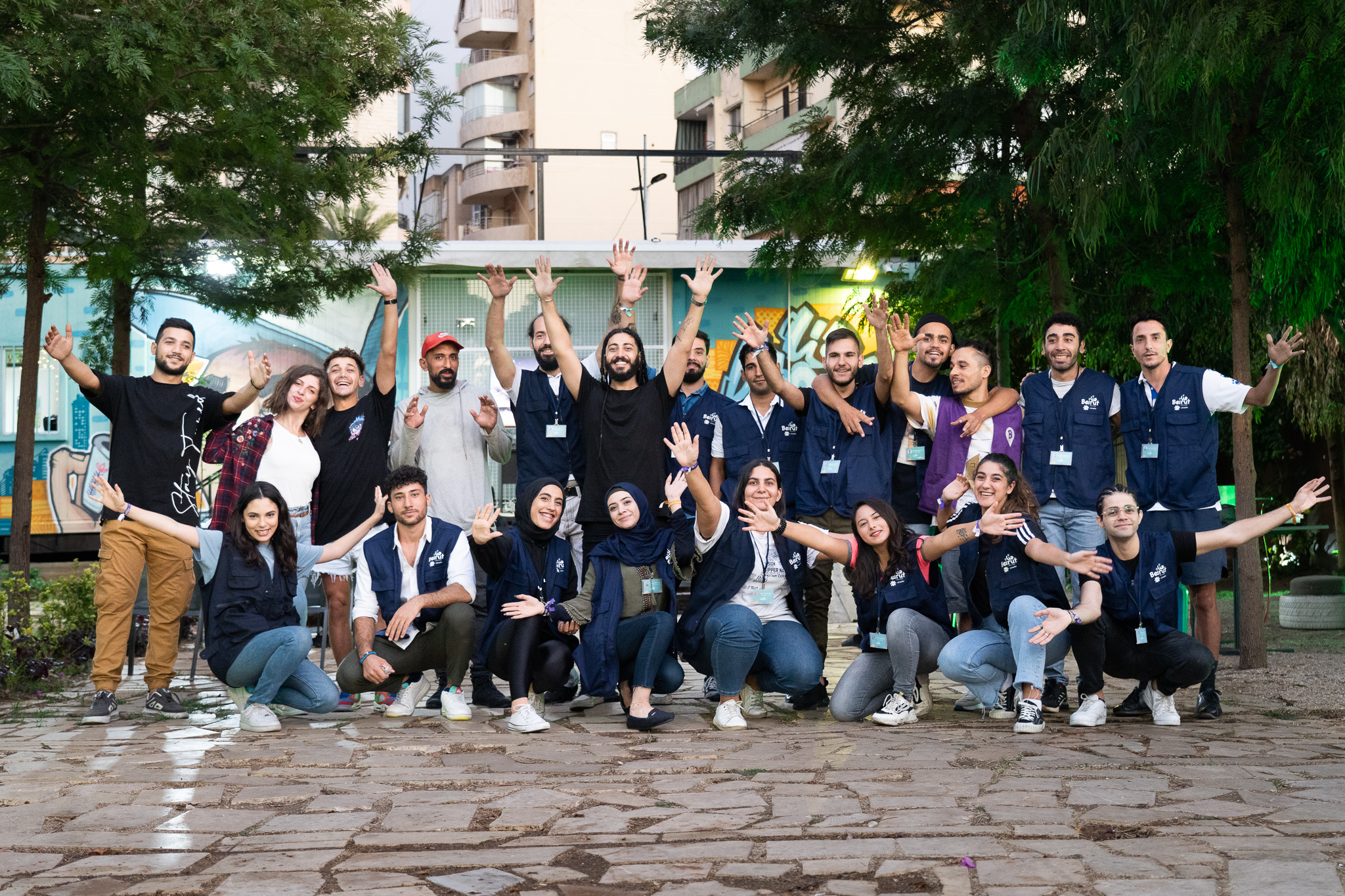
Beirut, the capital of Lebanon, hosts several marginalized communities who lack access to equal and equitable opportunities. This has been the city’s biggest trait for a long time even before the start of the current economic crisis. In addition to the socio-economic inequalities, what characterizes this city is a fissure between the different communities. Most people in Beirut live inside socio-economically and culturally homogenous communities and rarely interact with others from different communities. As such, this has led to a closed mindset towards accepting others from different communal backgrounds. In this regard, MARCH has created a cultural hot-spot that allows youth from different parts of Beirut to join in a common space where they can share experiences and activities. In 2018, the organization launched Hona Beirut, its second cultural café at the intersection of different neighborhoods reflective of the capital’s diversity. The café is now attributed as a few of Beirut’s green public hangout spots. It  features a professional recording studio and a modest library. Additionally, it regularly hosts a variety of cultural events such as open mic nights, poetry nights, movie nights etc. designed to bring the community closer together and provide a pedestal for self-expression. As a result, the café has successfully created an unconventional learning network that allows youth to explore their interests and discover new skills. Building bridges at Hona Beirut also takes place through the Football Club where youth from different backgrounds join together on the football field and learn about teamwork, team building and cooperation. Not only being a safe space for youth, Hona Beirut contributes in promoting peacebuilding in the area. At Hona Beirut, youth learn about conflict resolution and negotiation through joining the Debate Club. The Debate Club encourages constructive discussions on several topics that interest them and provides a platform for discussion, negotiation, mediation and conflict resolution techniques. Moreover, Hona Beirut provides an array of free capacity-building workshops and employability workshops to help alleviate the economic disparities and provide vulnerable youth with practical tools that would allow them develop marketable skills and offer them a chance at a better future.

Kahwetna: Where Coffee, Creativity, and Compassion Converge for Change

In the heart of Syria Street in Tripoli, there stands a remarkable landmark and hub known as Kahwetna. What was once a demarcation line, dividing the communities of Jabal Mohsen and Beb Al Tebbaneh, has now transformed into a symbol of unity and hope. Through the power of arts, culture, learning, and community service, Kahwetna has become a meeting ground for the youth, where barriers of sectarianism and division are shattered, and a brighter future is built. After succeeding in bringing together 16 young former-fighters from Beb El Tabbaneh and Jabal Mohsen to tell their story through a theater play called Love and War on the Rooftop, we realized that we needed to make our efforts more sustainable and ensure the continuity of the impact the experience had had. Although these youths had always been neighbors, they knew very little about each other. The only encounters they had shared were tainted by animosity and restricted to a context of war and conflict- often from buildings’ rooftops or opposite sides of the frontline. What they knew of each other was limited to what they had been taught by past generations and the sectarian tensions they had inherited. The Start of Kahwetna: Where Former Fighters become Agents of Change  After succeeding in bringing together 16 young former-fighters from Beb El Tabbaneh and Jabal Mohsen to tell their story through a theater play called Love and War on the Rooftop, we realized that we needed to make our efforts more sustainable and ensure the continuity of the impact the experience had had. Although these youths had always been neighbors, they knew very little about each other. The only encounters they had shared were tainted by animosity and restricted to a context of war and conflict- often from buildings’ rooftops or opposite sides of the frontline. What they knew of each other was limited to what they had been taught by past generations and the sectarian tensions they had inherited. Additionally, through our work with these local communities, we realized the significance of providing a counter-narrative to conflict and alienation. We also recognized the importance of creating safe and inclusive public spaces that would give the youth the opportunity to interact in a constructive environment while developing their personal and professional skills. We wanted to offer a setting for reconciliation that encouraged constructive dialogue and allowed them to see past the negative stereotypical perceptions they had of one another. From there came the idea of Kahwetna, a unique cultural café situated on Syria Street, a former demarcation line with a violent past. Kahwetna: Where Sectarianism and Division Are Shattered At Kahwetna, the focus is on empowering young individuals with knowledge and skills that will shape their lives. The hub offers comprehensive training programs, vocational courses, and community service initiatives, providing invaluable opportunities for personal and professional growth. By bridging the gap between education and practical experience, Kahwetna equips the youth with the tools they need to succeed. One of Kahwetna’s key offerings is its educational classes, which cover subjects such as English and Arabic. These classes serve a dual purpose: combating illiteracy within the community and enhancing the employability skills of the participants. By empowering the youth with language proficiency, Kahwetna opens doors to new opportunities and broadens their horizons. In its pursuit of conflict transformation, and with MARCH’s trainings on negotiation and mediation, the hub encourages peaceful resolutions and bridges the gaps between conflicting parties. Notably, the Youth Leader Program at Kahwetna works closely with ex-fighters and ex-convicts, nurturing their leadership skills and inspiring others to join the program. By embracing those who were once on opposing sides, Kahwetna exemplifies the power of forgiveness and second chances. Moreover, Kahwetna emphasizes community service as a means of fostering responsibility and reconciliation. These activities, which are open to both genders, create a sense of unity and shared purpose among the youth. From distributing food parcels to visiting orphanages, the community service initiatives expand MARCH’s reconciliation efforts and encourage the participants to give back to their communities. Together, they are breaking down the barriers that once separated them. The vocational trainings at Kahwetna are truly transformative. The Kan Ya Makan community hub brings former enemies together, working hand in hand to acquire skills in woodworking, wood painting, sewing, fashion design, and embroidery. Through innovation and creation, these young individuals unleash their creativity and unlock their potential. Additionally, the hub’s kitchen focuses on developing the youth’s culinary talents, enabling them to secure employment or even establish their own small businesses. Another remarkable program at Kahwetna is the Love and War Tour. The Love and War Tour is conducted by former fighters and enemies in Jabal Mohsen and Beb Al Tebbeneh where they share their untold stories. The Tour starts with a visit to Kahwetna where they walk through the timeline of Tripoli’s history from a once prosperous flourishing city to a land of battles and resentment. The Tour highlights the stories of once former fighters who have now become agents of change. One of the standout vocational programs at Kahwetna is the Dental Assistance program. Young women and men participate in this program, gaining theoretical and practical knowledge to become dental assistants. Under the guidance of a certified dentist, the dental clinic at Kahwetna now serves the community and their families, with plans to expand its affordable services to more people in the region. By providing essential healthcare services, the hub not only improves oral health but also strengthens the bonds between community members. More than a coffee shop, Kahwetna is a world where art breaks barriers, where creativity thrives, and where differences are celebrated. Within the hub’s vibrant walls, young individuals come together to develop their personal and professional potential. Thanks to the remarkable efforts of MARCH, rehabilitation and reconciliation thrive, enabling both men and women to become the architects of change. Today, the location has become a landmark for tolerance, respect, brotherhood and cooperation that has successfully challenged the cross-generational sectarian narrative that had

THEATER FOR RECONCILIATION: Uniting Communities through Art and Culture

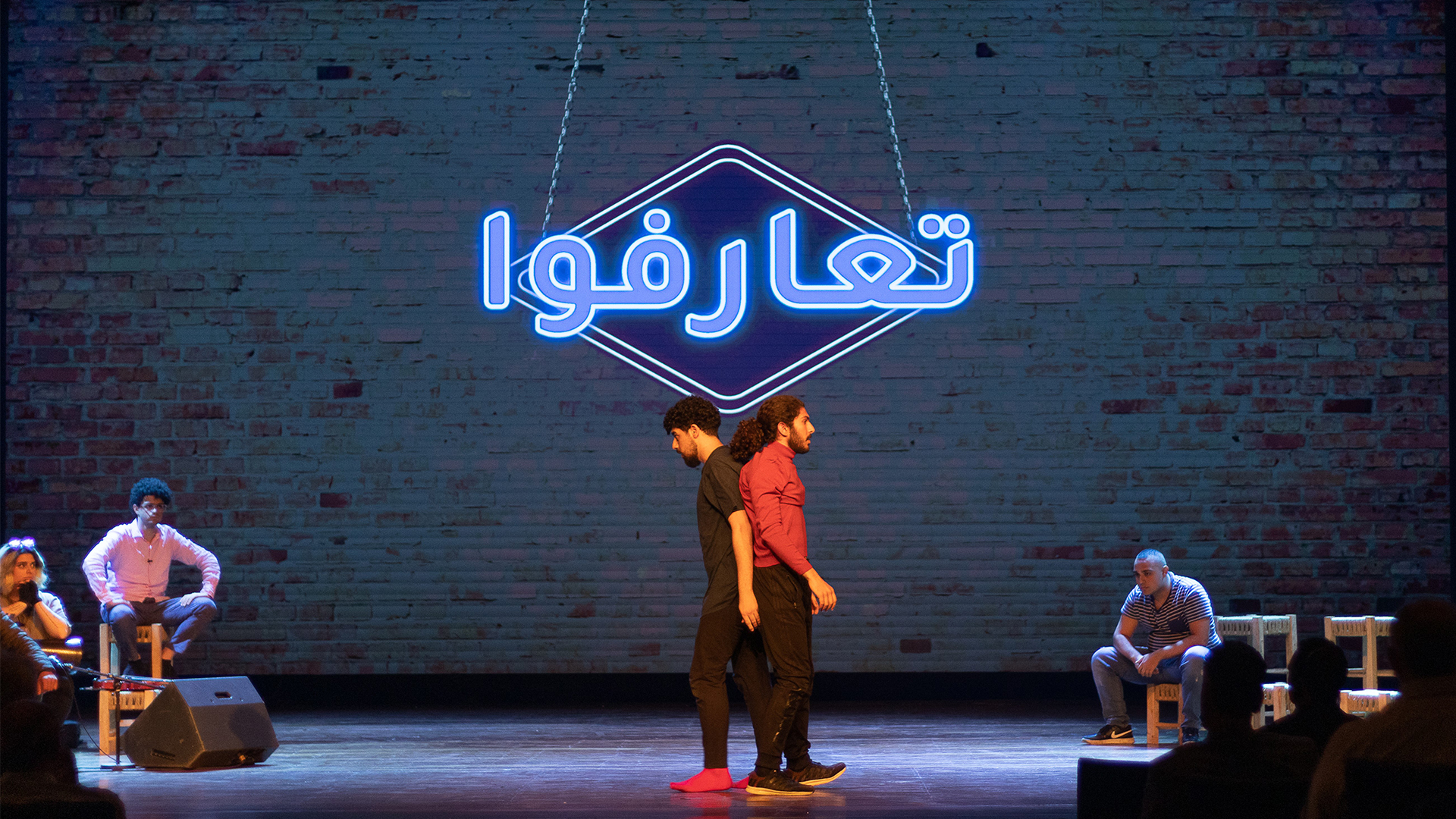
MARCH believes in the transformative power of art and culture as catalysts for positive change. This belief has inspired numerous initiatives such as the Theater for Reconciliation. Launched in 2015 in Tripoli, Lebanon, this groundbreaking program has successfully united and reconciled youth from diverse backgrounds through the medium of theater. By providing a safe and inclusive space for young individuals to share their stories on stage, break down stereotypical barriers, foster understanding, and deconstruct preconceived judgments. This innovative peacebuilding and rehabilitation tool, provides a platform for constructive dialogue and self-expression. Through the safe and inclusive space it creates, it allows participants to process any political, religious or personal grievances they may have and better understand “the other” away from divisive, prejudiced and stereotyped narratives. The Sunni neighborhood of Beb El Tabbaneh and the Alawite neighborhood of Jabal Mohsen had been in a long-standing, cross-generational feud that had fostered animosity and resentment between their respective communities. Their conflict seemed to be rooted in their religious and ideological differences and garnered national attention. The volatility of the area coupled with prejudice and misinformation led to the ostracization of that part of Tripoli. Following the violent clashes that had erupted in 2011 between Jabal Mohsen and Beb El Tabbaneh, MARCH decided to try and reconcile youth from both sides of the frontlines. Love and War on the Rooftop: The Beginning of a Journey: The journey of Theater for Reconciliation began with the production “Love and War on the Rooftop” in Tripoli. The play brought together young people from Jabal Mohsen and Beb el Tebbeneh, two historically divided communities with a long-standing history of conflict. Through this powerful performance, the youth were able to bridge their differences, forging connections that transcended their cultural and social boundaries. The idea was to create a theater play inspired by their war-torn lives and personal experiences and offer them a chance to tell their own story and set their own narrative.  Following the ceasefire imposed by the army in 2014, we held auditions to recruit young men that would be willing to share a piece of themselves and their history. The process was extremely challenging but we ultimately managed to convince 16 individuals to take part in the play. The project was experimental, its goal was to encourage constructive dialogue and build bridges away from sectarian divide. We wanted to help the participants see past the stereotypes they had of one another. Although there were some challenging moments, the initiative proved to be quite cathartic. It helped them rediscover their identity and see each other in a different light. Enemies became friends and former fighters became actors. Expanding Horizons: A Growing Movement Following the success of “Love and War on the Rooftop” Theater for Reconciliation expanded its reach to other areas of Lebanon. Initiatives like “Tripoliyat” and “Habib El Kel” in Akkar, as well as “Hona Beirut” and “Cafe b Kaffak” in the capital Beirut, continued to build bridges between communities and inspired open dialogues about unity and diversity. Taarafou: The Latest Triumph: The most recent addition to Theater for Reconciliation is “Taarafou”, a comedy play that brought together 20 young men and women from different communities in Beirut. Written and directed by Yehya Jaber, the play was made possible as it draws inspiration from the real-life experiences of its cast members, creating a performance that celebrates the diversity of Lebanon’s youth. A Message of Unity and Acceptance: Theater for Reconciliation, including its latest production “Taarafou” has played a pivotal role in sparking meaningful conversations around embracing diversity as a source of unity. By providing a platform for young individuals to share their stories and experiences, the program has challenged divisive narratives and fostered a sense of understanding and acceptance among Lebanon’s youth. Lastly, Theater for Reconciliation stands as a beacon of hope in a community once divided by conflict and misunderstanding. Through the power of art and storytelling, this transformative program continues to bridge gaps between communities, proving that unity and acceptance can be achieved through shared experiences and empathy. 

GIVING YOUTH AN OPPORTUNITY AT A BETTER FUTURE

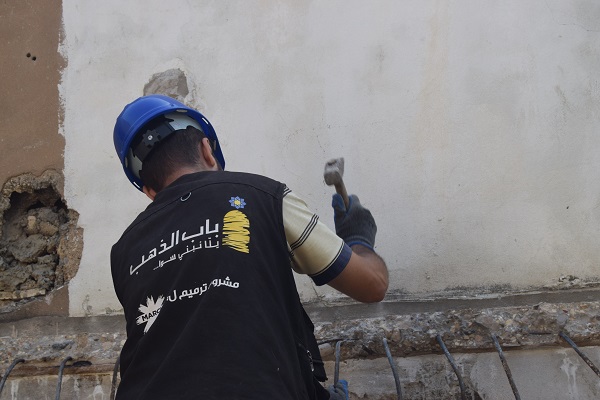
In Tripoli Due to Tripoli’s ecosystem, the area has constituted fertile grounds for conflict over the years. Local youth had been subjected to extreme socio-economic conditions that had made them susceptible to sectarian narratives. Furthermore, these individuals’ quality of life has been gravely impacted and their basic rights considerably impaired. They had difficulty accessing fundamental services such as education, healthcare and employment leaving them to face a lifetime of obstacles and pushing them towards violence and conflict. All these factors, coupled with the government’s semi-absence from the area, led violent clashes to erupt in 2011 between the historically feuding neighborhoods of the Sunni Beb El Tabbaneh and Alawite Jabal Mohsen. MARCH recognized that CSOs often employed short-term relief strategies that had proven to be insufficient in countering the cross-generational sectarian resentment and the wave of violence the area had been witnessing. Therefore, the organization designed a holistic rehabilitation and reintegration program that targeted vulnerable youth from Beb El Tabbaneh and Jabal Mohsen. Beb El Dahab was created in 2017 with the goal of fostering long-term sustainable reconciliation. Its aim was to shift the distorted perceptions these youths had of “the other ” and enable them to transcend the false stereotypical perceptions they had inherited from their respective environments. Beb El Dahab’s goal was to try and breach the cycle of animosity and equip individuals with the tools to shift the trajectory of their lives. This would then help form a solid foundation to move towards social cohesion. Beb El Dahab- dubbed “The Rebuilders Initiative”- recruited vulnerable youth such as ex-fighters who had taken part in the clashes, individuals who had been incarcerated and young women to give them a chance at a better life. It utilizes a diverse set of tools to build the participants’ soft and hard skills, create a common purpose, and develop resilience and foster acceptance. Under MARCH’s supervision, the selected groups are given on-the-job technical vocational training in different fields to allow them to be better equipped to integrate the job market. Participants apply the skills they are taught to actively take part in the rebuilding process of their communities. In addition to the professional capacity-building aspect, participants are provided with tools to better their well-being such as legal advice and healthcare support in addition to language and math classes. The program also offers periodic recreational activities and outings. Moreover, the youths participate in daily communal meals that encourage positive and constructive interactions. The first phase of renovations targeted a marketplace that stood on the former demarcation line, Syria street. The men were in charge of refurbishing the shops while the women worked on designing and producing all the required branding material. This contributed to recovering over 354 shops that had been demolished by the war. Following the success of that initial endeavor, the youth took on the challenge of beautifying other spots such as the Muhajireen street where they managed to restore local authentic architecture. This allowed to enhance public spaces in key locations that once represented the separation of the two neighborhoods. Most recently, as part of MARCH’s goal to improve the dynamics between public institutions and local communities, the organization launched a partnership was launched with the Lebanese army. Youth from Beb El Tabbaneh and Jabal Mohsen worked hand in hand with the LAF to build a military training base for Tripoli’s 12th infantry brigade. The success of the Beb El Dahab lays in its adaptability and inclusivity. It has also managed to generate a sense of safety, security and stability. Through it, MARCH has enabled the youth to develop cross-communal ties and improve their self-perception. Beb El Dahab also allowed these young men and women to find constructive outlets and coping mechanisms to deal with their trauma and anger. From a technical standpoint, it has also developed their employability and improved their quality of life. However, the program’s greatest achievement was perhaps the pool of community leaders it produced. Profiles that were once engulfed by sectarian dispositions have today become actors of change. In Beirut MARCH decided to adapt the cyclical model of social impact that was develop through to fit Beirut’s marginalized communities. The city encapsulates multiculturalism- a trait that has not always played to its advantage. Much like Tripoli, sectarian tensions remain quite prominent in the capital and traces of the civil war still gravely affect its most marginalized communities. In spite of the Beirut’s different context, we managed to replicate the concept by bringing together vulnerable youth from Chiah, Madina El Riyadiya and Khandaq Al Ghamiq for a unique community service initiative. The primary aim was to help build bridges between youth from different backgrounds and encourage better dynamics while developing their capacities and giving them the opportunity at a better future. Hand in hand the group renovated two of the Civil Defense Department of Beirut’s facilities. Similarly to Beb El Dahab, the project helped build the participants’ capacities through vocational on-the-job training in addition to languages and mathematics classes. The young men and women acquired a new set of marketable skills such as plastering, plumbing, graphic design and tiling – giving them an opportunity at a better future.

THE TRANSFORMATIVE POWER OF ARTS AND CULTURE

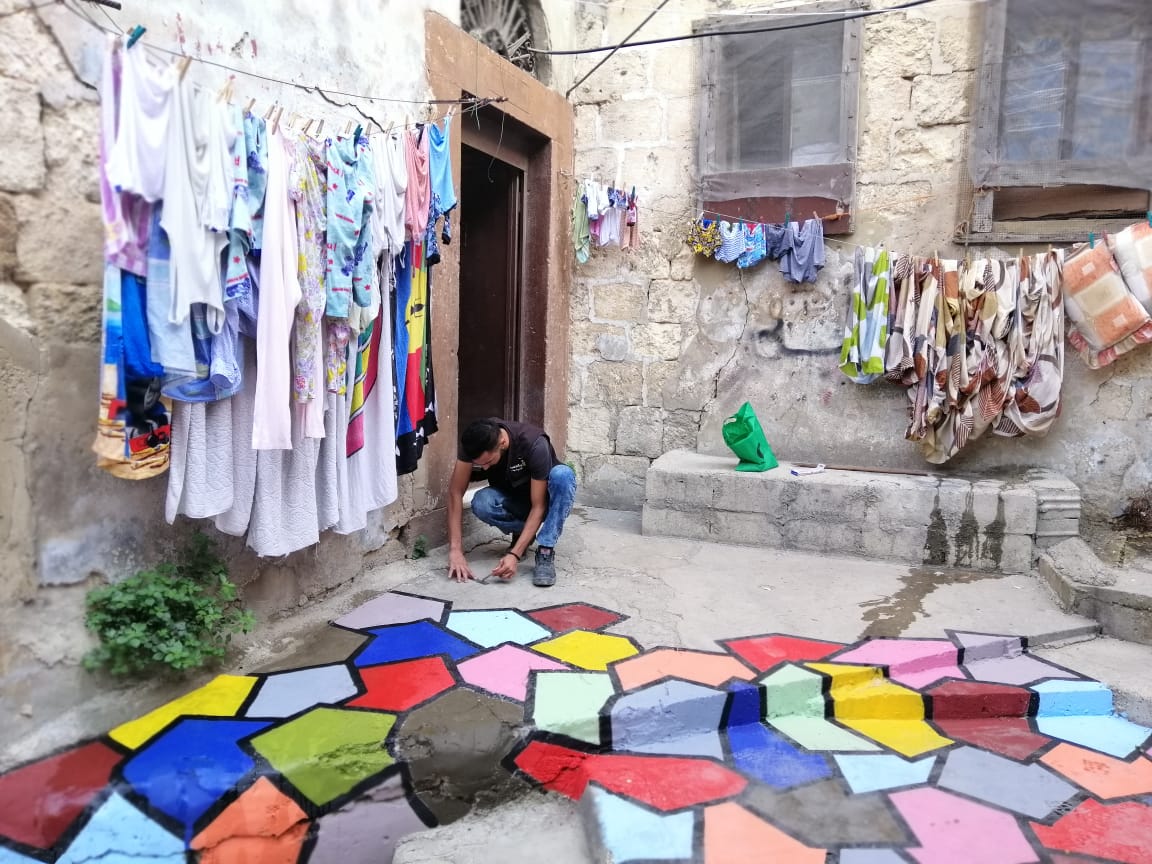
MARCH’s approach has always been rooted in its belief that arts and culture are powerful catalysts of change that can help foster long-term sustainable stability. In addition to theater, MARCH has also incorporated art in its holistic rehabilitation and reintegration program- Beb El Dahab. By creating a safe space for personal and professional development, the youth are able to explore new skills and interests. These former fighters are encouraged to express themselves through various constructive outlets, including the arts. This has offered them a platform for self-expression that enables them to channel their emotions in a positive manner. We also hosted Shrine, an international installation artist, painter and muralist that helped teach MARCH’s youth new techniques. This generated a ripple effect as we saw a numerous young men and women take part in this project. Today, a number of them have blossomed into wonderful artists that have contributed in adding a beautiful touch of color across the streets of Beb El Tabbaneh and Jabal Mohsen. This is quite symbolic as it represents a journey of change for both the communities and their youth.Finally, MARCH consistently strives to promote and showcase local talent through its various events such as the Cultural Blast for example. Through our work with marginalized youth from Tripoli, Akkar and Beirut, we have realized that these areas harbor a well of untapped potential waiting to be unleashed. Many artists have never been given the right opportunities. Therefore, MARCH actively tries to collaborate with these youths on different projects and events. Additionally, both our cultural cafés have professional recording studios accessible to the communities to enable promising musicians and producers to further their careers.