ALL ABOARD! BUILDING BRIDGES THROUGH CREATING SAFE AND INCLUSIVE PUBLIC SPACES

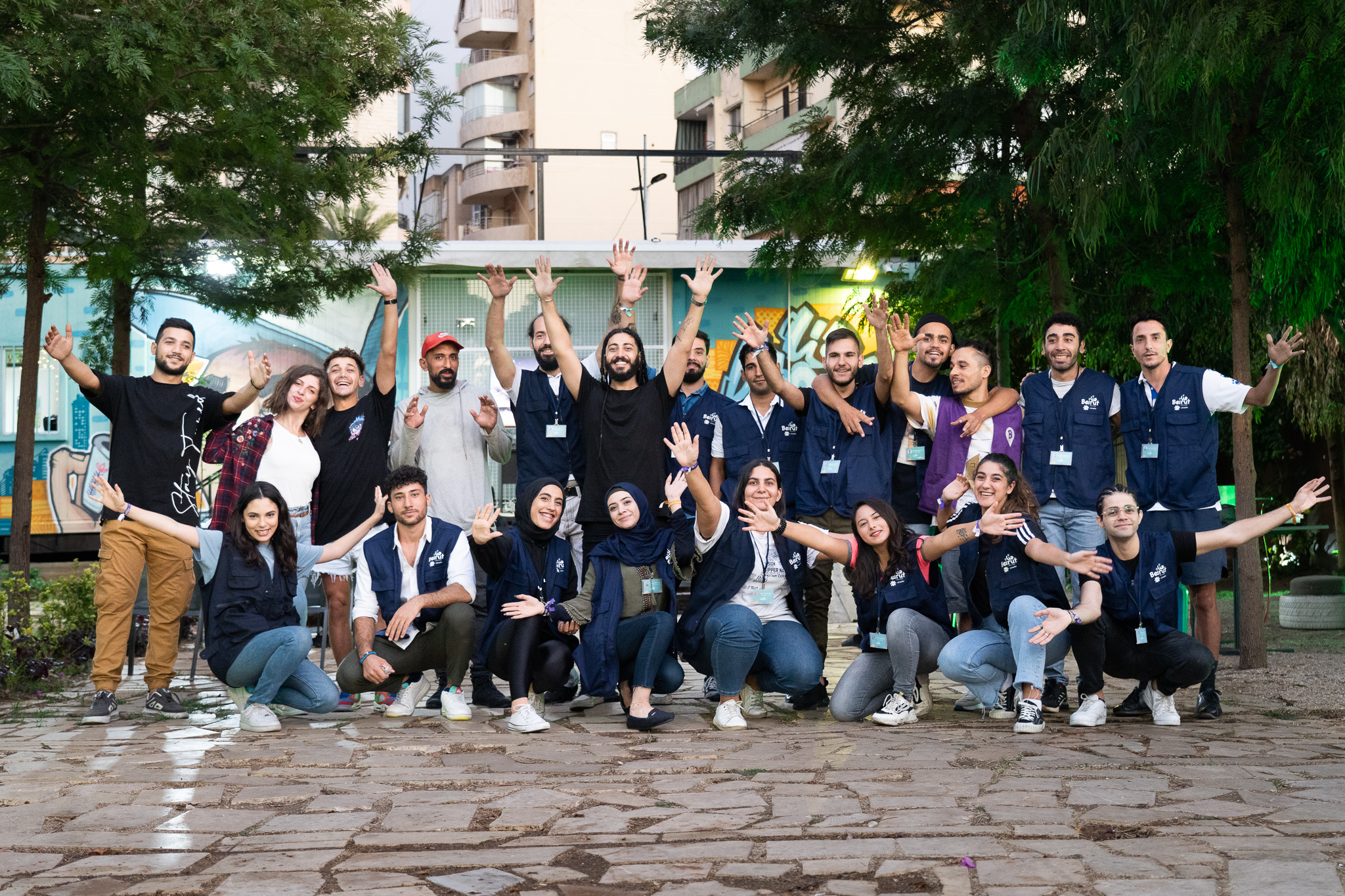
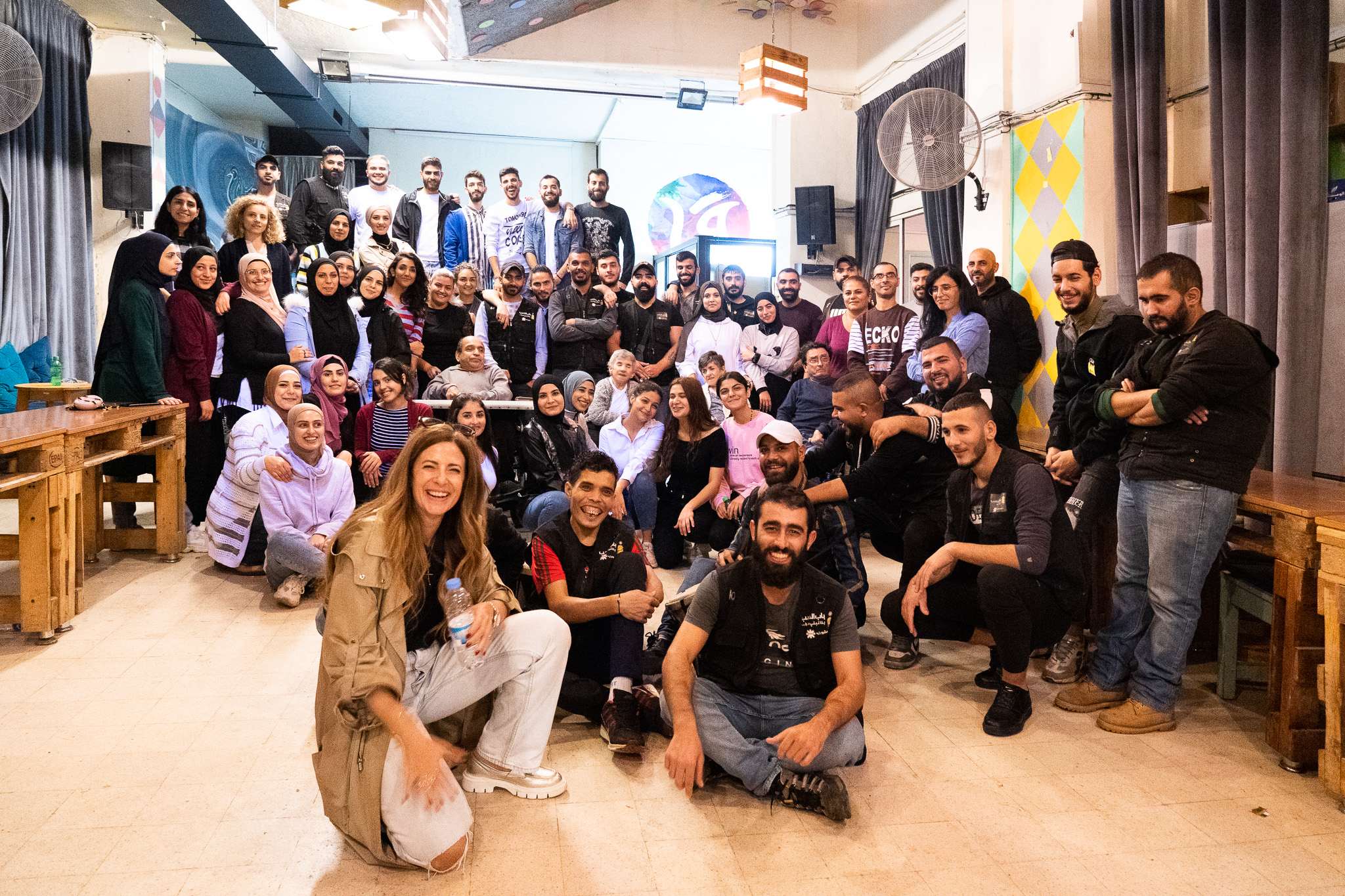
In 2016, MARCH inaugurated Kahwetna, on Syria street, the former demarcation line between Jabal Mohsen and Beb El Tebbeneh of a violent past. Kahwetna serves as a cultural café and hub which brought together former enemies and fighters in the aim of building bridges and friendships and fostering constructive dialogue. Today, Kahwetna has developed into the cradle of our organization’s work in Tripoli and has transformed into a place where participants share stories, meals and experiences. Kahwetna has become a hub for tolerance and understanding and has contributed to the creation of a common identity. By engaging with the young men and women of Beb El Tabbaneh and Jabal Mohsen, our organization recognized the imperative need to create safe and inclusive public spaces within the communities that would give the youth a place to interact away from the toxic dynamics of sectarian divide. MARCH also wanted to build an environment that challenges the patriarchal narrative and allowed women to be seen as equals. From here came the idea of our cultural cafés. Over and above, MARCH realized that the absence of accessible shared spaces had intensified the sharp sectarian dichotomy within these neighborhoods.  In 2018, MARCH replicated this experience in Beirut where it opened Hona Beirut, another cultural café strategically placed at the heart of one of the capital’s former demarcation lines. Much like Tripoli, Beirut’s multiculturalism hadn’t always played to its advantage. Traces of the civil war still remained embedded in the city’s infrastructure. Although different in nature, sectarian tensions were also tangible and youth were more often than not confined to their respective environments rarely integrating other communities. Therefore, the organization set out to establish Hona Beirut, an inter-communal hub that offers artistic and recreational facilities in addition to ongoing capacity-building and career-oriented workshops. Hona Beirut has successfully challenged the cross-generational sectarian narrative that had been forcefully ingrained in the city’s youth. Kahwetna and Hona Beirut have been the cornerstone of MARCH’s work in peace-building as they have allowed the youth to claim ownership of their own expression and find a sense of belonging. 

HONA BEIRUT: A CULTURE HOT-SPOT IN THE HEART OF BEIRUT

Beirut, the capital of Lebanon, hosts several marginalized communities who lack access to equal and equitable opportunities. This has been the city’s biggest trait for a long time even before the start of the current economic crisis. In addition to the socio-economic inequalities, what characterizes this city is a fissure between the different communities. Most people in Beirut live inside socio-economically and culturally homogenous communities and rarely interact with others from different communities. As such, this has led to a closed mindset towards accepting others from different communal backgrounds. In this regard, MARCH has created a cultural hot-spot that allows youth from different parts of Beirut to join in a common space where they can share experiences and activities. In 2018, the organization launched Hona Beirut, its second cultural café at the intersection of different neighborhoods reflective of the capital’s diversity. The café is now attributed as a few of Beirut’s green public hangout spots. It  features a professional recording studio and a modest library. Additionally, it regularly hosts a variety of cultural events such as open mic nights, poetry nights, movie nights etc. designed to bring the community closer together and provide a pedestal for self-expression. As a result, the café has successfully created an unconventional learning network that allows youth to explore their interests and discover new skills. Building bridges at Hona Beirut also takes place through the Football Club where youth from different backgrounds join together on the football field and learn about teamwork, team building and cooperation. Not only being a safe space for youth, Hona Beirut contributes in promoting peacebuilding in the area. At Hona Beirut, youth learn about conflict resolution and negotiation through joining the Debate Club. The Debate Club encourages constructive discussions on several topics that interest them and provides a platform for discussion, negotiation, mediation and conflict resolution techniques. Moreover, Hona Beirut provides an array of free capacity-building workshops and employability workshops to help alleviate the economic disparities and provide vulnerable youth with practical tools that would allow them develop marketable skills and offer them a chance at a better future.

THEATER FOR RECONCILIATION: Uniting Communities through Art and Culture

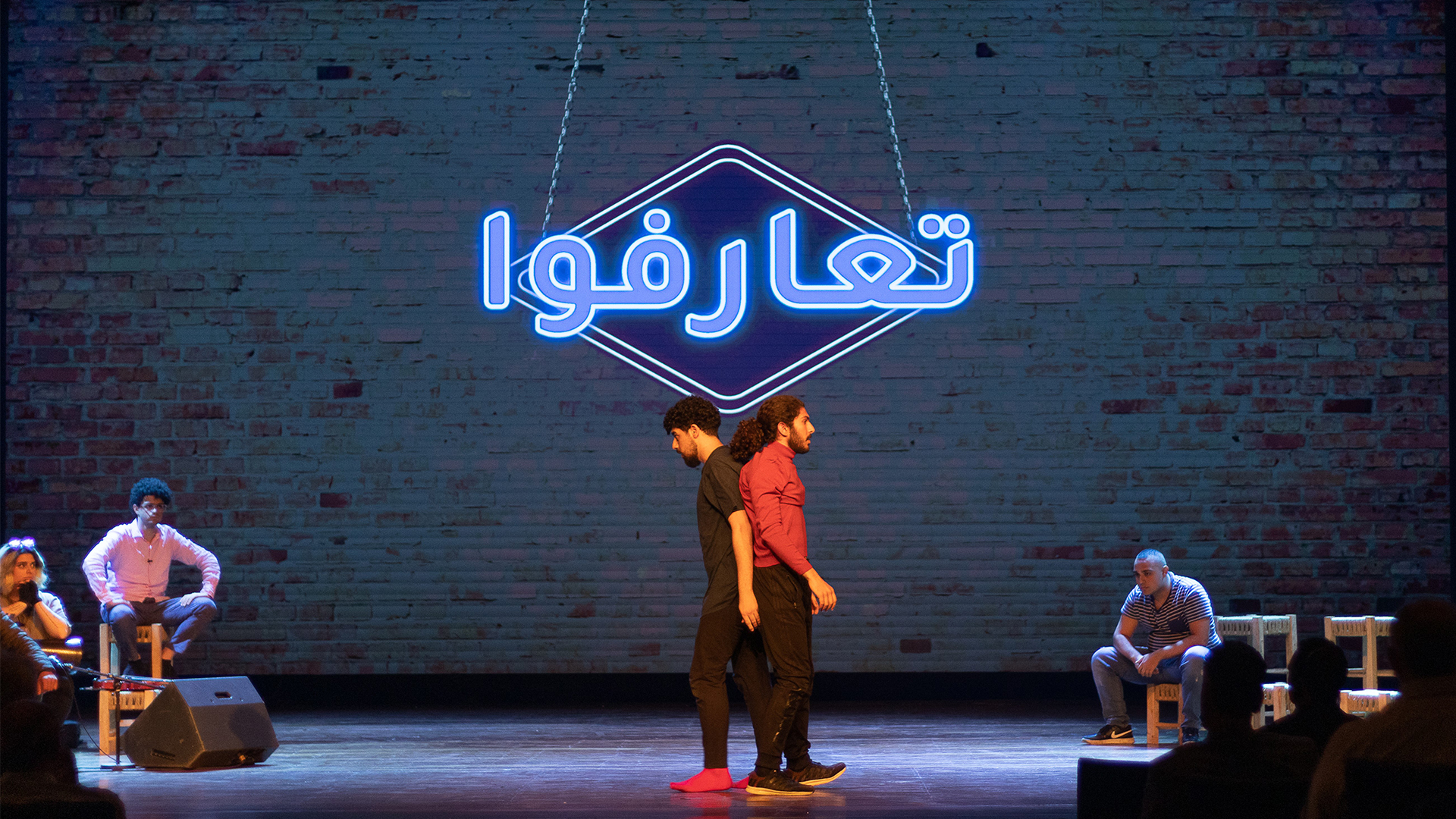
MARCH believes in the transformative power of art and culture as catalysts for positive change. This belief has inspired numerous initiatives such as the Theater for Reconciliation. Launched in 2015 in Tripoli, Lebanon, this groundbreaking program has successfully united and reconciled youth from diverse backgrounds through the medium of theater. By providing a safe and inclusive space for young individuals to share their stories on stage, break down stereotypical barriers, foster understanding, and deconstruct preconceived judgments. This innovative peacebuilding and rehabilitation tool, provides a platform for constructive dialogue and self-expression. Through the safe and inclusive space it creates, it allows participants to process any political, religious or personal grievances they may have and better understand “the other” away from divisive, prejudiced and stereotyped narratives. The Sunni neighborhood of Beb El Tabbaneh and the Alawite neighborhood of Jabal Mohsen had been in a long-standing, cross-generational feud that had fostered animosity and resentment between their respective communities. Their conflict seemed to be rooted in their religious and ideological differences and garnered national attention. The volatility of the area coupled with prejudice and misinformation led to the ostracization of that part of Tripoli. Following the violent clashes that had erupted in 2011 between Jabal Mohsen and Beb El Tabbaneh, MARCH decided to try and reconcile youth from both sides of the frontlines. Love and War on the Rooftop: The Beginning of a Journey: The journey of Theater for Reconciliation began with the production “Love and War on the Rooftop” in Tripoli. The play brought together young people from Jabal Mohsen and Beb el Tebbeneh, two historically divided communities with a long-standing history of conflict. Through this powerful performance, the youth were able to bridge their differences, forging connections that transcended their cultural and social boundaries. The idea was to create a theater play inspired by their war-torn lives and personal experiences and offer them a chance to tell their own story and set their own narrative.  Following the ceasefire imposed by the army in 2014, we held auditions to recruit young men that would be willing to share a piece of themselves and their history. The process was extremely challenging but we ultimately managed to convince 16 individuals to take part in the play. The project was experimental, its goal was to encourage constructive dialogue and build bridges away from sectarian divide. We wanted to help the participants see past the stereotypes they had of one another. Although there were some challenging moments, the initiative proved to be quite cathartic. It helped them rediscover their identity and see each other in a different light. Enemies became friends and former fighters became actors. Expanding Horizons: A Growing Movement Following the success of “Love and War on the Rooftop” Theater for Reconciliation expanded its reach to other areas of Lebanon. Initiatives like “Tripoliyat” and “Habib El Kel” in Akkar, as well as “Hona Beirut” and “Cafe b Kaffak” in the capital Beirut, continued to build bridges between communities and inspired open dialogues about unity and diversity. Taarafou: The Latest Triumph: The most recent addition to Theater for Reconciliation is “Taarafou”, a comedy play that brought together 20 young men and women from different communities in Beirut. Written and directed by Yehya Jaber, the play was made possible as it draws inspiration from the real-life experiences of its cast members, creating a performance that celebrates the diversity of Lebanon’s youth. A Message of Unity and Acceptance: Theater for Reconciliation, including its latest production “Taarafou” has played a pivotal role in sparking meaningful conversations around embracing diversity as a source of unity. By providing a platform for young individuals to share their stories and experiences, the program has challenged divisive narratives and fostered a sense of understanding and acceptance among Lebanon’s youth. Lastly, Theater for Reconciliation stands as a beacon of hope in a community once divided by conflict and misunderstanding. Through the power of art and storytelling, this transformative program continues to bridge gaps between communities, proving that unity and acceptance can be achieved through shared experiences and empathy. 

GIVING YOUTH AN OPPORTUNITY AT A BETTER FUTURE

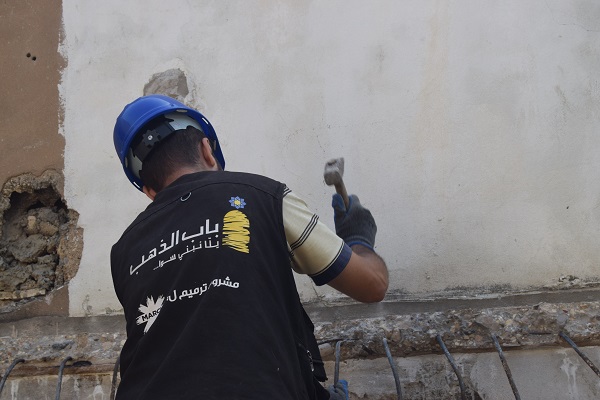
In Tripoli Due to Tripoli’s ecosystem, the area has constituted fertile grounds for conflict over the years. Local youth had been subjected to extreme socio-economic conditions that had made them susceptible to sectarian narratives. Furthermore, these individuals’ quality of life has been gravely impacted and their basic rights considerably impaired. They had difficulty accessing fundamental services such as education, healthcare and employment leaving them to face a lifetime of obstacles and pushing them towards violence and conflict. All these factors, coupled with the government’s semi-absence from the area, led violent clashes to erupt in 2011 between the historically feuding neighborhoods of the Sunni Beb El Tabbaneh and Alawite Jabal Mohsen. MARCH recognized that CSOs often employed short-term relief strategies that had proven to be insufficient in countering the cross-generational sectarian resentment and the wave of violence the area had been witnessing. Therefore, the organization designed a holistic rehabilitation and reintegration program that targeted vulnerable youth from Beb El Tabbaneh and Jabal Mohsen. Beb El Dahab was created in 2017 with the goal of fostering long-term sustainable reconciliation. Its aim was to shift the distorted perceptions these youths had of “the other ” and enable them to transcend the false stereotypical perceptions they had inherited from their respective environments. Beb El Dahab’s goal was to try and breach the cycle of animosity and equip individuals with the tools to shift the trajectory of their lives. This would then help form a solid foundation to move towards social cohesion. Beb El Dahab- dubbed “The Rebuilders Initiative”- recruited vulnerable youth such as ex-fighters who had taken part in the clashes, individuals who had been incarcerated and young women to give them a chance at a better life. It utilizes a diverse set of tools to build the participants’ soft and hard skills, create a common purpose, and develop resilience and foster acceptance. Under MARCH’s supervision, the selected groups are given on-the-job technical vocational training in different fields to allow them to be better equipped to integrate the job market. Participants apply the skills they are taught to actively take part in the rebuilding process of their communities. In addition to the professional capacity-building aspect, participants are provided with tools to better their well-being such as legal advice and healthcare support in addition to language and math classes. The program also offers periodic recreational activities and outings. Moreover, the youths participate in daily communal meals that encourage positive and constructive interactions. The first phase of renovations targeted a marketplace that stood on the former demarcation line, Syria street. The men were in charge of refurbishing the shops while the women worked on designing and producing all the required branding material. This contributed to recovering over 354 shops that had been demolished by the war. Following the success of that initial endeavor, the youth took on the challenge of beautifying other spots such as the Muhajireen street where they managed to restore local authentic architecture. This allowed to enhance public spaces in key locations that once represented the separation of the two neighborhoods. Most recently, as part of MARCH’s goal to improve the dynamics between public institutions and local communities, the organization launched a partnership was launched with the Lebanese army. Youth from Beb El Tabbaneh and Jabal Mohsen worked hand in hand with the LAF to build a military training base for Tripoli’s 12th infantry brigade. The success of the Beb El Dahab lays in its adaptability and inclusivity. It has also managed to generate a sense of safety, security and stability. Through it, MARCH has enabled the youth to develop cross-communal ties and improve their self-perception. Beb El Dahab also allowed these young men and women to find constructive outlets and coping mechanisms to deal with their trauma and anger. From a technical standpoint, it has also developed their employability and improved their quality of life. However, the program’s greatest achievement was perhaps the pool of community leaders it produced. Profiles that were once engulfed by sectarian dispositions have today become actors of change. In Beirut MARCH decided to adapt the cyclical model of social impact that was develop through to fit Beirut’s marginalized communities. The city encapsulates multiculturalism- a trait that has not always played to its advantage. Much like Tripoli, sectarian tensions remain quite prominent in the capital and traces of the civil war still gravely affect its most marginalized communities. In spite of the Beirut’s different context, we managed to replicate the concept by bringing together vulnerable youth from Chiah, Madina El Riyadiya and Khandaq Al Ghamiq for a unique community service initiative. The primary aim was to help build bridges between youth from different backgrounds and encourage better dynamics while developing their capacities and giving them the opportunity at a better future. Hand in hand the group renovated two of the Civil Defense Department of Beirut’s facilities. Similarly to Beb El Dahab, the project helped build the participants’ capacities through vocational on-the-job training in addition to languages and mathematics classes. The young men and women acquired a new set of marketable skills such as plastering, plumbing, graphic design and tiling – giving them an opportunity at a better future.

CAFE BI KAFFAK

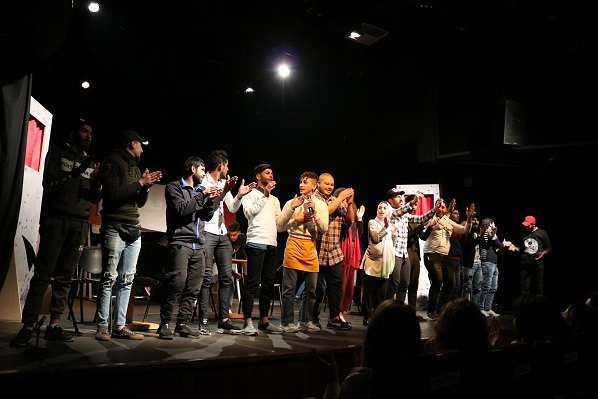
A cultural journey from Tripoli to Beirut Throughout the years, MARCH has actively incorporated the arts into its initiatives. This stems from the organization’s belief in the transformative and often cathartic power of self-expression. Our most recent adventure was no exception! Our work with youth from marginalized neighborhoods in Beirut has Tripoli has shown us that these communities are full of unbelievable talent and untapped potential. It proved that with support, a platform and the right opportunities, these young men and women could turn their lives around. Therefore, we decided to put together an evening filled with dynamic performances that would take us on a cultural journey through time and bring together youths from Beb El Tabbaneh, Jabal Mohsen, Khadaq Al Ghamiq, Tarik Al Jadida, Chiah and Madina Al Riyadia on one stage. Together they worked hand in hand to create sketches, songs and videos inspired by their own stories with the support of the one and only George Khabbaz and the direction and guidance of Romeo El Hashem. These pieces reflected their daily realities in the most unique ways making for a roller-coaster of emotions as some brought laughter while others brought tears. We cannot wait to recreate this experience soon!

LANGUAGE SKILLS FOR BIGGER AND BETTER OPPORTUNITIES

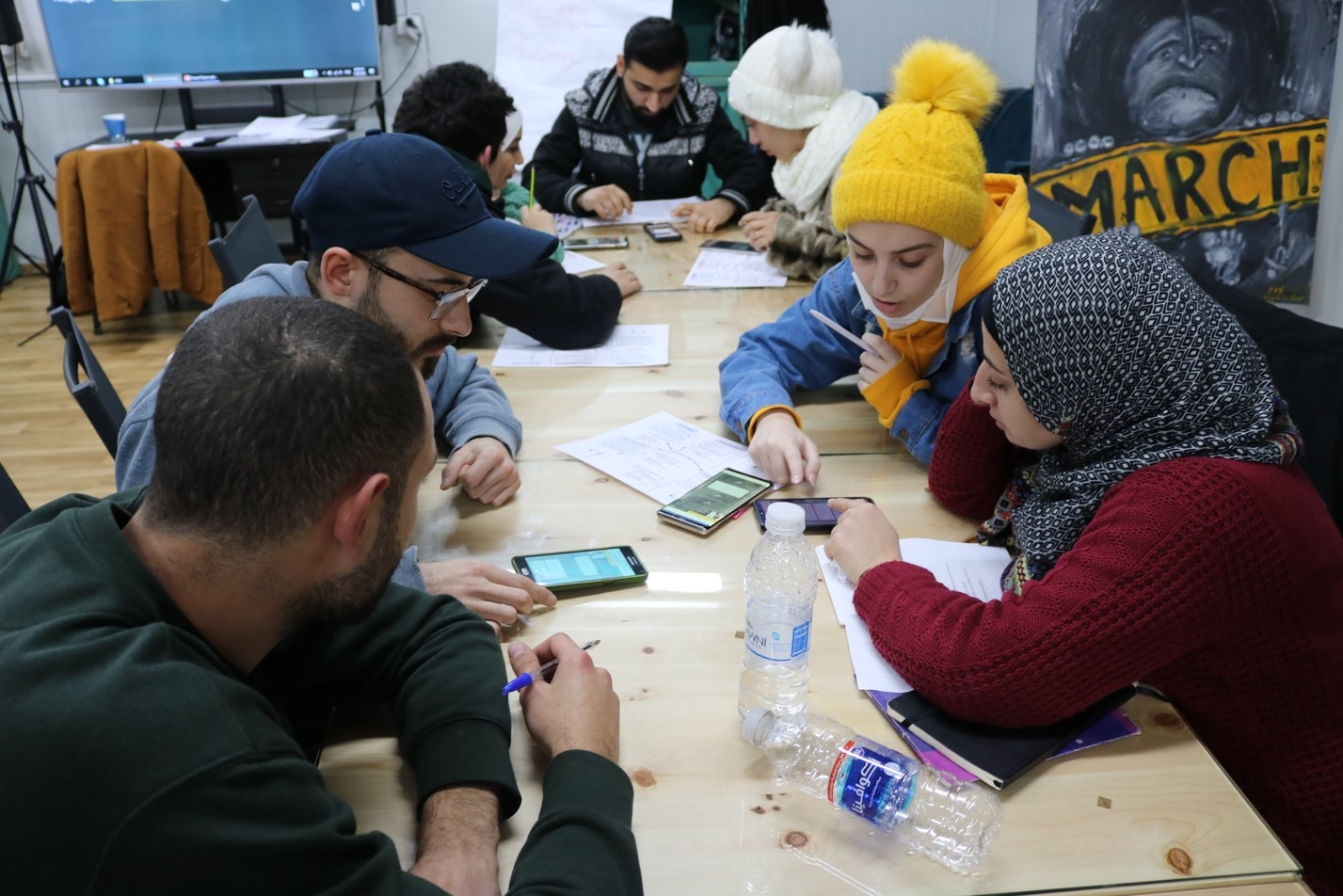
This past month Hona Beirut started a ten-week-long English workshop. Marginalized youth were selected from all over Beirut to improve their language skills, or even to learn English completely from scratch! After completing their intake, participants were divided into four separate levels ranging from complete beginners, elementary, intermediate all the way to advanced. Learning expectations included general improvement in the language, some requests for specific grammar topics were made, and mostly importantly the need to practice speaking. For Intermediate students the focus has mainly been on grammar and speaking correction due to their level. The advanced class covers a variation of topics that challenge B2 speakers of English, namely interviewing simulations, email writing, public speaking, negotiations, TEOFL training etc. Each lesson is designed for the specific needs of the level. Every session is interactive and uses a diverse range of learning and teaching techniques such as, mobile apps, online live exercises, simulation games to practice language and much more. Students from each level should walk away with a new-found confidence in usage of vocabulary, correction in grammar, and of course the safety of having practiced something new in a substantial amount of time. One-on-one sessions are also offered to students who feel they require extra assistance in lesson content, personal growth, CV writing, or any other requested language need. With five weeks left to go, the first cycle of English Lessons at Hona have been successful and hopefully will see the growth of each of its students that have been dedicated to self-improvement.

RENOVATIONS FOR THE COMMUNITY BY THE COMMUNITY

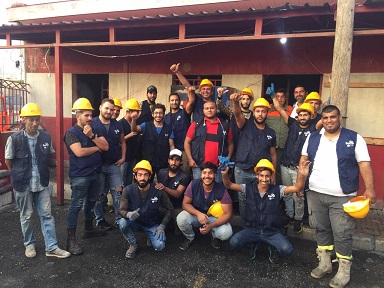
Our work with the communities of Beb El Tabbaneh and Jabal Mohsen through the Beb El Dahab rehabilitation and reintegration program has been an important pillar of our other initiatives. MARCH realized that providing the youth with a holistic set of marketable skills would enable them to access better opportunities and shift the trajectory of their lives for the better. Furthermore, we realized that creating spaces that would allow for positive and constructive dialogue would help bridge the exiting social gaps. Therefore, MARCH decided to recreate the Beb El Dahab experience in Beirut by bringing together marginalized youth from Chiah, Madina Riyadia and Tariq Al Jadida. Together they would help renovate the Regional Center of Beirut’s Civil Defense Department in Cola. Over the duration of six weeks, the team gave the facility a complete makeover. The selected group was given extensive on-the-job technical and vocational training in construction and graphic design. The young men explored numerous trades such as plastering, electrical work and plumbing which helped them refurbish the center’s infrastructure. The women on the other hand were given the tools to conceptualize and develop the center’s new look. Additionally, the afternoons were dedicated to interactive and intensive language and mathematics classes. Following the completion of the restoration works were completed, the center was inaugurated in the presence of the British Ambassador, His Excellency Chris Rampling. The success of this initiative proved that this was more than just a reconstruction project; it is a life-long investment in these individuals’ futures. This has encouraged us to take on the renovation and maintenance of the Bashoura Civil Defense unit which is now in its last phases. Our organization is proud to have supported the Lebanese Civil Defense, an institution whose mission and values embody MARCH’s message of unity, diversity and coexistence and whose volunteers have selflessly dedicated themselves to this country.

BUILDING BRIDGES ON THE FOOTBALL FIELD

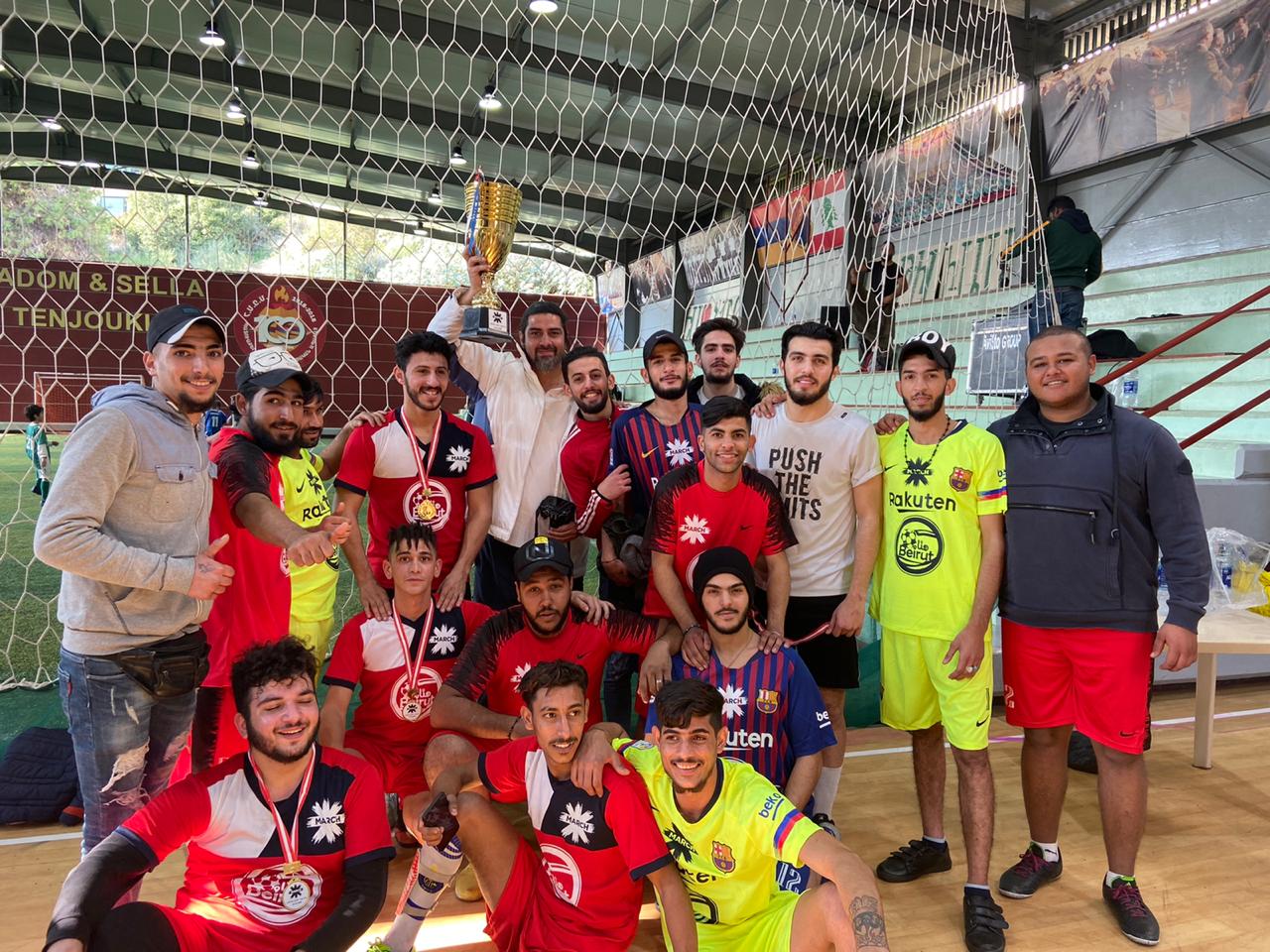
Sports have always been a cornerstone of our work in peace-building as its helped MARCH strengthening ties between different communities. Throughout the years, we’ve set up numerous events that have emphasized the importance of team building and more importantly, cooperation. Our football tournaments are no exception. Although this activity typically brings together mixed teams of youth from neighboring areas and takes place over the span of multiple weeks, we decided that hosting a one-day tournament between our Tripoli and Beirut tribes would be a great opportunity to allow the two groups to engage with each other. This not only challenged the geographical wall that exists between them but also helped break certain preconceived views they had of one another. After all, a little competition never hurt anybody! The experience was a huge success and untied young men from Beb El Tabbaneh, Jabal Mohsen, Chiah, Madina Al Riyadiya, Khandaq Al Ghamiq and Tarik Al Jadidah under one roof. Congrations were in order for the “Hona Beirut” team who took the trophy home.

افتتاح مركز بيروت الاقليمي للدفاع المدني في منطقة الكولا

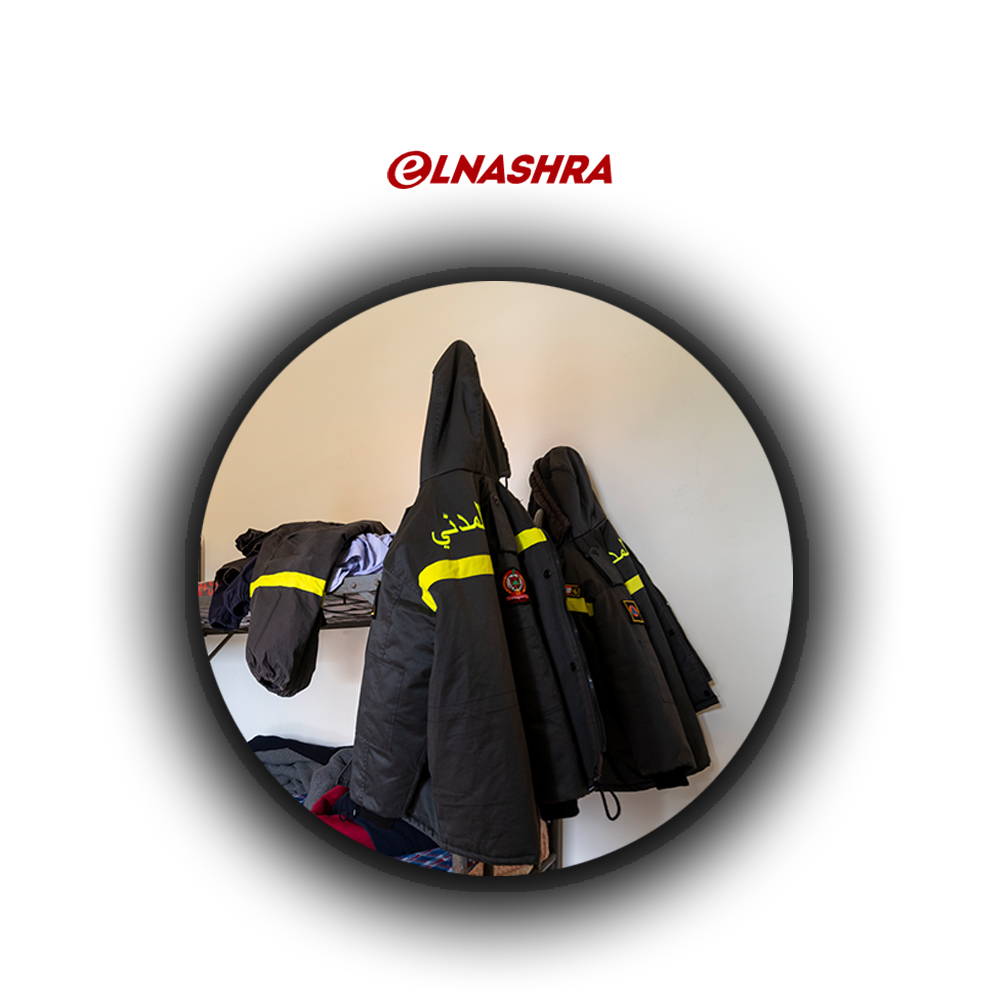
LNASHRA تم الاحتفال بافتتاح مركز الدّفاع المدني الإقليميّ بحلّته الجديدة في حضور مدير العام الدّفاع المدني العميد ريمون خطار، ممثلا وزيرة الداخلية والبلديات في حكومة تصريف الأعمال السيدة ريا الحسن، سفير بريطانيا في لبنان الأستاذ كريس رامبلينغ، رئيسة جمعيّة “مارش” ليا بارودي وعناصر من الدفاع المدنيّ بالإضافة الى شخصيّات أخرى بارزة مثل الممثل والمخرج جورج خبّاز. أنجزت عمليّة إعادة التأهيل على أيد شبانٍ وشابات المهمشين والمنسيّين من مختلف أرجاء بيروت أبرزها مناطق المدينة الرياضية، الشياح وطريق الجديدة. وأطلقت الجمعيّة هذا البرنامج ضمن نطاق مبادرة “العمل الجماعيّ من أجل الوطن” حيث اختارت التعاون مع الدفاع المدنيّ اللبنانيّ لما تمثله هذه المؤسسة من مبادئ. فإن العيش المشترك، التضحية والولاء للوطن عناوين أساسيّة في رسالة الدفاع المدنيّ تتجسد أيضاً في عمل مارش. تخلّل الحفل فيلم وثائقيّ جسّد روح المشروع وعرّف الحاضرين على بعض الشّباب الّذين شاركوا في البرنامج. كما قام الضيوف بجولة على المبنى وتعرّفوا على أبرز ملامحه الجديدة. أحيت الإفتتاح فرقة الدفاع المدنيّ بالإضافة إلى ألحان شبّان من “هنا بيروت”- مركز مارش الثقافيّ- مضيفين لمسة موسيقيّة رائعة

LE LIBAN AU FESTIVAL DE GIFFONI (AMBASSADE D’ITALIE)

National News Agency ANI – Le Festival du film de Giffoni est un événement international de grande valeur dédié aux jeunes qui se déroule chaque été pendant dix jours dans le village de Giffoni Valle Piana (Salerno), à quelques kilomètres de la côte amalfitaine. Le festival a été lancé en 1971 par son fondateur et directeur actuel, Claudio Gubitosi, qui avait la vision d’un festival de film dans lequel les jeunes étaient les jurés, votant pour le meilleur film et le récompensant du prix officiel “Grifone d’Oro”. Parallèlement au visionnage de films, Giffoni a toujours été une excellente occasion pour les jeunes afin de discuter avec des écrivains, des acteurs et des producteurs et de débattre des problèmes qui les concernent tous. Chaque année, l’événement rassemble près de 5 000 jeunes de 47 pays, hébergés dans des familles habitant dans la région de Salerno, répartis en différentes catégories d’âge de jurés (âgés de moins de 18 ans). Pendant l’événement, le village de Giffoni Valle Piana prend une atmosphère magique. Le festival représente une occasion unique pour les jeunes jurés de partager leurs opinions, de se faire de nouveaux amis et de participer à des débats enrichissants. À Giffoni, ils vivent une expérience inoubliable. Le thème de l’édition 2019 du Festival est “Air”, dans le cadre d’un projet triennal visant à sensibiliser à la protection de l’environnement. En 2018, le thème était “Eau”, alors que l’année prochaine ce sera “Terre”. La première célébrité internationale à avoir annoncé sa participation est Evan Peters, et de nombreuses autres suivront dans les prochains jours. “Le Festival du film de Giffoni est une expérience sociale et culturelle unique pour les adolescents. Ils sont le moteur d’un événement international qui les entoure. Le festival a pour thème le cinéma, mais le véritable objectif est de faire en sorte que des jeunes du monde entier soient les protagonistes au centre d’un événement international dans un paysage magnifique “, a déclaré l’ambassadeur d’Italie, Massimo Marotti. MARCH Lebanon est une organisation non gouvernementale locale sans but lucratif qui cherche à promouvoir la cohésion sociale et les libertés individuelles. Son parcours a commencé en 2011 en luttant contre la censure et en plaidant en faveur de l’égalité des droits pour toutes les communautés libanaises. En 2015, MARCH a élargi son champ de travail et s’est lancé dans une nouvelle aventure. Tout a commencé à Tripoli, dans l’une des régions les plus marginalisées du pays. La construction de la paix et la résolution des conflits sont devenus un pilier du travail de MARCH et ont donné naissance à des initiatives uniques en vue de réconcilier les jeunes de Beb El Tabbaneh et de Jabal Mohsen, deux quartiers en conflit ravagés par des rivalités sectaires. MARCH a développé une approche holistique et rééducative distincte. L’organisation estime que les arts et la culture sont de puissants catalyseurs pouvant favoriser la tolérance, la réconciliation et la construction d’une paix durable à long terme. Il utilise divers outils pour encourager le dialogue constructif et le développement personnel. L’ambassade d’Italie remercie “March” d’avoir accepté d’aider trois garçons et filles libanais lors de leur voyage en Italie et A.N. Boukather d’avoir soutenu la participation de la délégation libanaise au Festival du film de Giffoni en 2019. Fondée en 1927, A.N.Boukather est le distributeur exclusif au Liban des prestigieuses marques italiennes Piaggio, Vespa, Aprilia et Moto Guzzi. “C’est un grand plaisir et un honneur de collaborer avec l’ambassade italienne au Liban et MARCH , avec qui nous partageons les mêmes valeurs: responsabiliser les jeunes talents libanais, ouvrir leurs horizons et éclairer leur avenir et celui du magnifique pays, le Liban”, a déclaré Nicolas Boukather, président d’ A.N.Boukather. (Communiqué de l’ambassade d’Italie)