Transformative Collaborations: Building Bridges between Local Communities and Governmental Institutions

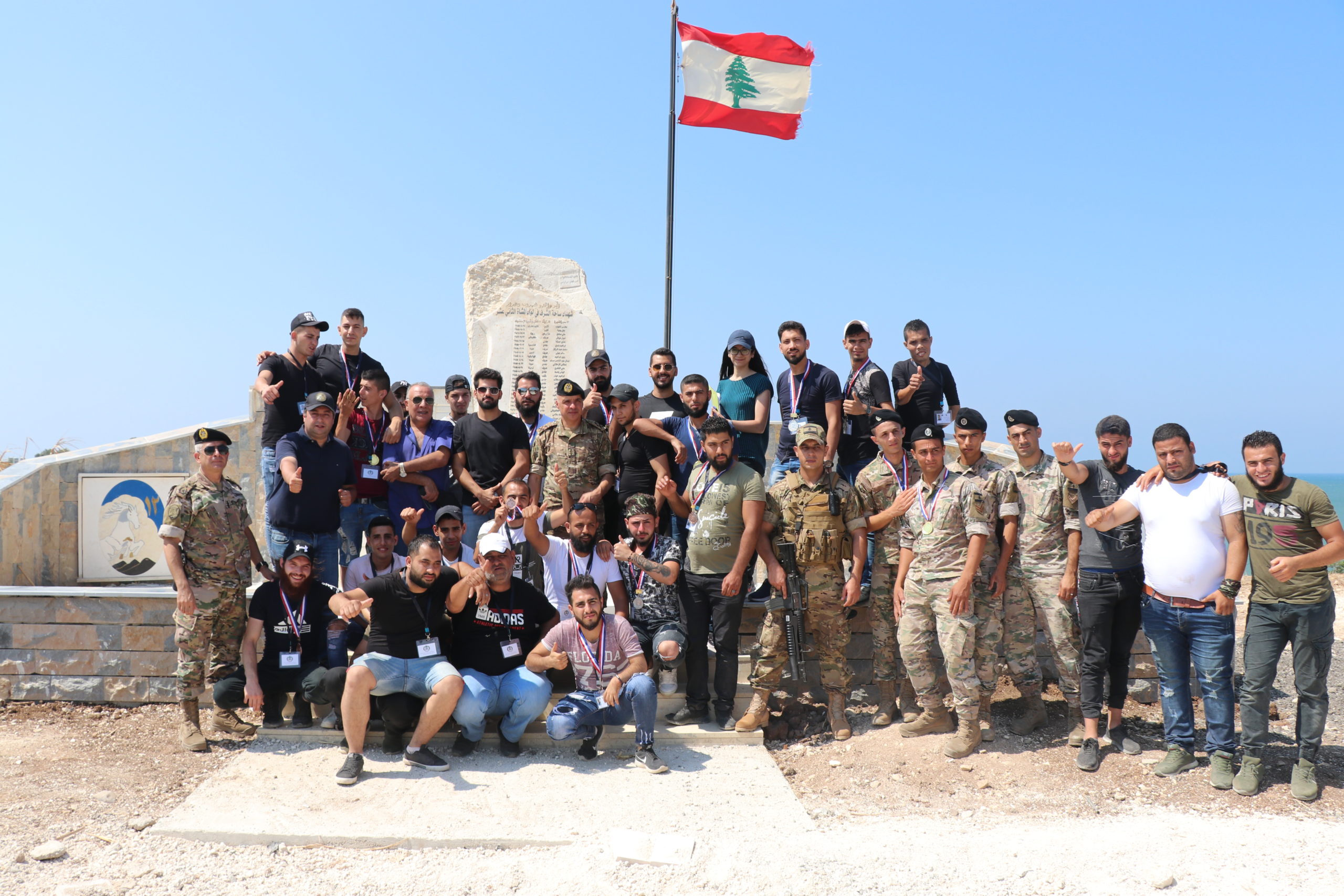
A History of Clashes, Battles, and Resentment The city of Tripoli, Lebanon, has faced its share of challenges, including periods of partial government absence and clashes between the communities of Jabal Mohsen and Bab El Tebbeneh, as well as between these communities and security institutions, notably the Lebanese Armed Forces. During the peak conflicts of 2011, the government’s presence diminished, only to reemerge in 2014 with a new security plan. However, this resurgence came with raids and arrests that left elevated feelings of resentment towards the Lebanese Armed Forces and the state. Consequently, tense relationships developed between the Lebanese Armed Forces and the community, leading to ongoing clashes. MARCHing Forward for Change MARCH recognized that fostering stability and unity required rebuilding trust, respect, understanding, and communication between local communities and the Lebanese army. This vision led to the creation of innovative initiatives aimed at bridging the gap and shifting perceptions away from hatred towards acceptance and tolerance. Sustainable and resilient stability isn’t achieved in isolation; it’s the outcome of collective efforts from diverse stakeholders working together. As such, MARCH strategically collaborated with the public sector, particularly the Lebanese Armed Forces, to reshape perceptions, rebuild trust, and foster unity within a community that has experienced conflict and division. Building Bridges Through Sports One of MARCH’s innovative approaches is football tournaments that bring together youth from historically opposing neighborhoods, Bab El Tebbeneh and Jabal Mohsen, along with members of the Lebanese Army. The participants form mixed teams, fostering teamwork and respect both on and off the field. By promoting trust and collaboration, these activities aim to positively influence individual and community opinions and change the narratives of war and hatred. This approach was previously successful with the biannual three-week-long football tournament. Building Bridges Through Dialogue In May 2019, MARCH organized a two-day army camp that facilitated open dialogues and physical activities between the Bab El Dahab team and the soldiers of Tripoli’s 12th infantry brigade. This retreat delved into past conflicts, encouraged team-building exercises, and provided shared experiences through team-building activities and shared meals. The event proved transformative, fostering mutual respect and a sense of partnership between the two groups. Moreover, an impressive example is the military training base established from the ground up. Young individuals from Bab El Tebbaneh and Jabal Mohsen, some of whom had participated in MARCH’s rehabilitative programs, teamed up with the Lebanese Army. This initiative involved constructing various elements of the facility, while dynamic ice-breaking activities focused on teamwork and interpersonal dynamics. Through daily cooperation and a shared goal, tensions dissipated, and a foundation for unity and inclusion was solidified. Building Bridges through Construction and Agriculture The civil-military cooperation activities were numerous and successful throughout the years. They brought the youth closer to military institutions and enabled them to learn various construction skills, from plastering to painting to electricity, along with the construction of solar panels in the army camps to produce sustainable energy for the camp. One of the initiatives also included an agricultural project in Araman Barracks in Tripoli. Youth who had once taken part in clashes in the area joined forces with the Lebanese Army to plant several lands in the camp and install greenhouses to benefit the army. In conclusion, MARCH’s journey exemplifies the transformative power of collaboration. By partnering with the public sector, particularly the Lebanese Armed Forces, the organization has succeeded in reshaping perceptions, forging communication, and building a stronger community. The initiatives, from sports tournaments to collaborative construction projects, highlight MARCH’s achievements in promoting unity, understanding, and resilience, all achievable through collaborative efforts that transcend divisions and promote progress.

Reconciliation through Rebuilding: The BEDCO Construction Initiative

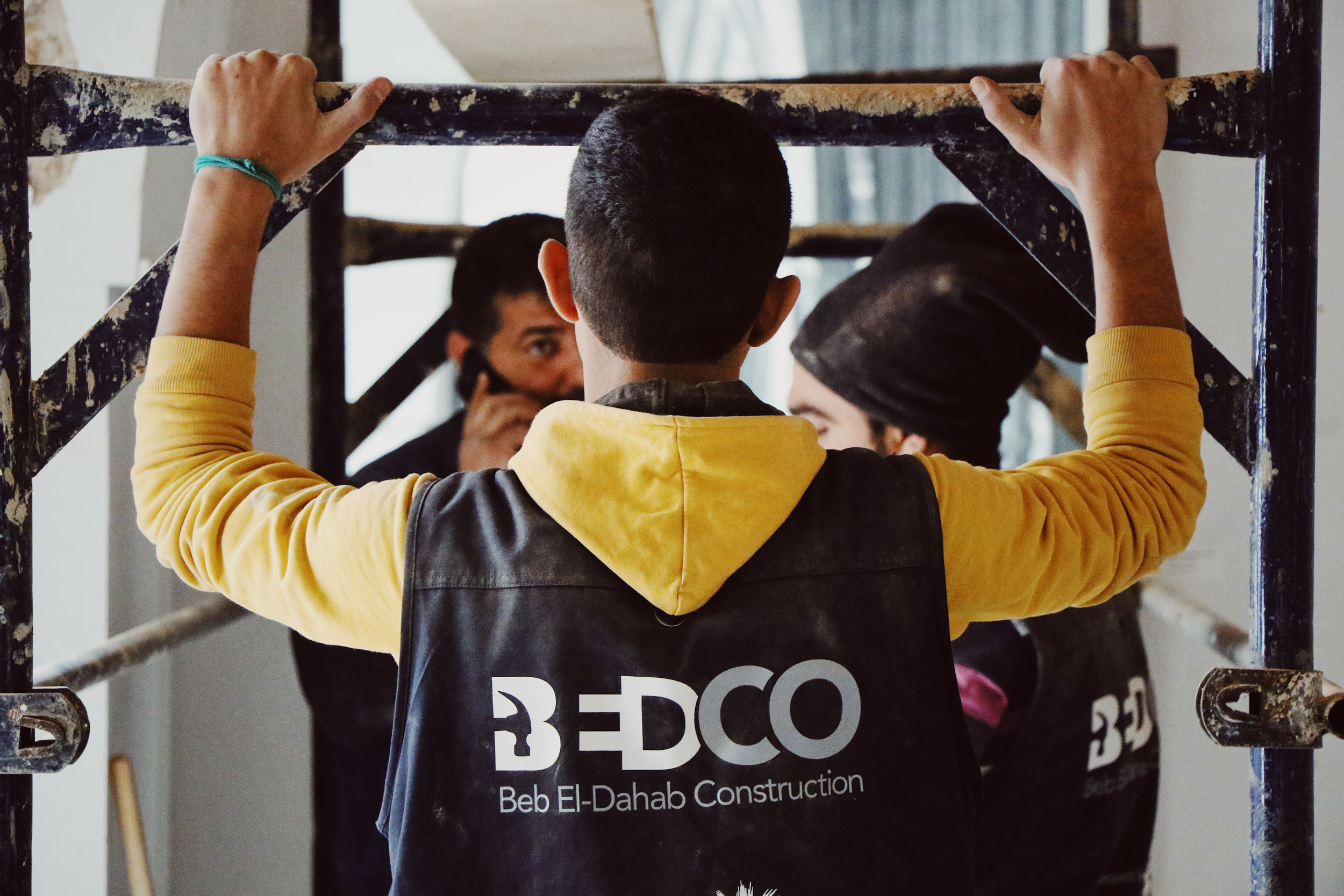
Construction can refurbish and rebuild a city in more ways than one. Combining that with reintegration and rehabilitation, MARCH through BEDCO are uniting young people across communal divides. Together they’re rebuilding  a better future for themselves, supporting their communities and contributing to rebuilding the city of Beirut. “I wanted to help, my friends and I took a bus from Tripoli the next day and came to Beirut. We just took our basic tools and  came . It was devastating to see what the blast had done, it reminded me of the war and destruction in Tripoli. We had to help rebuild. We didn’t learn all these construction skills just to stand by and do nothing at a time when people needed it the most  “  Youth from the program It all started with the Beb el Dahab rehabilitation and reintegration program: As part of March’s journey in resolving conflicts and restoring peace, the Beb el Dahab program was launched in 2016. It consisted of bringing youth from Jabal Mohsen and Beb el Tebbeneh to rise above all divides and together restore the war-torn shops along Syria street, the former demarcation line between both neighborhoods. Through this successful initiative the youth built bridges between their communities, attended workshops promoting personal development, commitment to excellent work ethics and conflict transformation, all the while training in various construction skills such as plastering, painting, electrical, sanitary, metal and wood works. “Before joining MARCH’s program I had no skills and felt helpless about the future. Today, I am a very good painter, I didn’t believe at first that I could progress and learn. I had doubts about myself. Today I can say that the skills I learnt gave me a sense of security and purpose.” Youth from the Program From Beb el Dahab to BEDCO; Contributing to youth economic resilience: Following the success of the Beb el Dahab program and the positive impact it had on the youth and their communities, BEDCO, MARCH’s construction social initiative came to be. This initiative aims to create economic sustainability and resilience for the youth. It gives them new opportunities to further develop their skills in the construction field. Consequently, greater potentials are revealed giving the youth a sense of accomplishment and pride with a dream for a better and prosperous future. And besides their individual growth, the teamwork required in the field strengthens their bonds. The combination of these various elements equip the youth with all the right tools to give back to their communities by providing any needed support in a rehabilitation and restoration quest. “At BEDCO we are like a big family. A family that supports each other, that supports others. We are constantly learning, progressing and helping people at the same time, through our construction efforts and that is an amazing feeling.” Youth from the Program Contributing to Rebuilding Beirut: On the 4th of August 2020, the tragic blast hit the vibrant heart of Beirut. Homes, shops and businesses were left destroyed. People injured and hurt were devastated by the situation and the resulting losses. The motivation and the commitment of BEDCO’s youth toward their communities led them to respond to the emergency that struck the people of Beirut. With the support of MARCH, they are reinvesting the harnessed skills to help the capital and its population. As a first response, BEDCO dedicated its efforts to support homes and shops. They provided minor steel, electrical and wood repairs, they cleaned the rubbles, removed the shattered glass and used temporary solutions to protect the exposed homes. Refurbishing SMEs : When more interventions were requested, March collaborated with Al-Fanar Venture Philanthropy, and continued the work through BEDCO. They targeted social enterprises and small businesses by helping them in completely refurbishing their shops to restore the economic cycle and support small business owners to get back on their feet. They are rebuilding hope as much as the spaces which presents an important source of income for their owners. L’artisan du Liban, Namaste, Mellow Shop, Organic Sisters, Diffa Group, Fabric Aid, (…) and many more are able to open again due to the combined efforts. “The youth of BEDCO were amazing. They helped me restore my shop. They were friendly, polite and tidy.” Hala Housseini, Owner of Namaste Store “Thank you to BEDCO for helping me restore my shop. They were fast, professional and efficient. They encouraged me to reopen.” Guilda Khoury, Owner of Mellow Shop Preserving Cultural Heritage and supporting the arts: Also with the constant support of the British embassy in Lebanon, and because MARCH believes in the importance of art and culture, and the value of our Lebanese Heritage, BEDCO is also restoring a number of cultural spaces and workshops that are part of our heritage. Gallery 392 Rmeil 393 and Stone Lodge workshop will be restored by the youth, which will give an opportunity for rising artists to showcase their artistic touch and give life back to the capital. Helping education institutions: And because MARCH believes in the importance of education it gathered marginalized youth from Tripoli and Beirut to use their construction skills learnt through its program to restore and rehabilitate the Saint Joseph Brothers School in the Karantina area. The Saint Joseph Brothers School aims at supporting vulnerable families to integrate their children in the education system. Through this project, the BEDCO youth are helping children to avoid marginalization because of their financial difficulties. They are creating opportunities for themselves as well as others. “ Restoring the school was one of the best experiences. I did not have the chance to continue my education and I deeply regret it. Contributing to giving that chance to others is an amazing feeling” Youth from the Program Supporting the Civil Defense: Furthermore, the civil defense departments in Beirut and its surroundings, whose volunteers have always been giving and supporting their communities, were also affected by the devastating blast. This drove MARCH to also take part and help them by restoring what was damaged. The civil

Reuters- Fighters and farmers step in to help Beirut after the blast

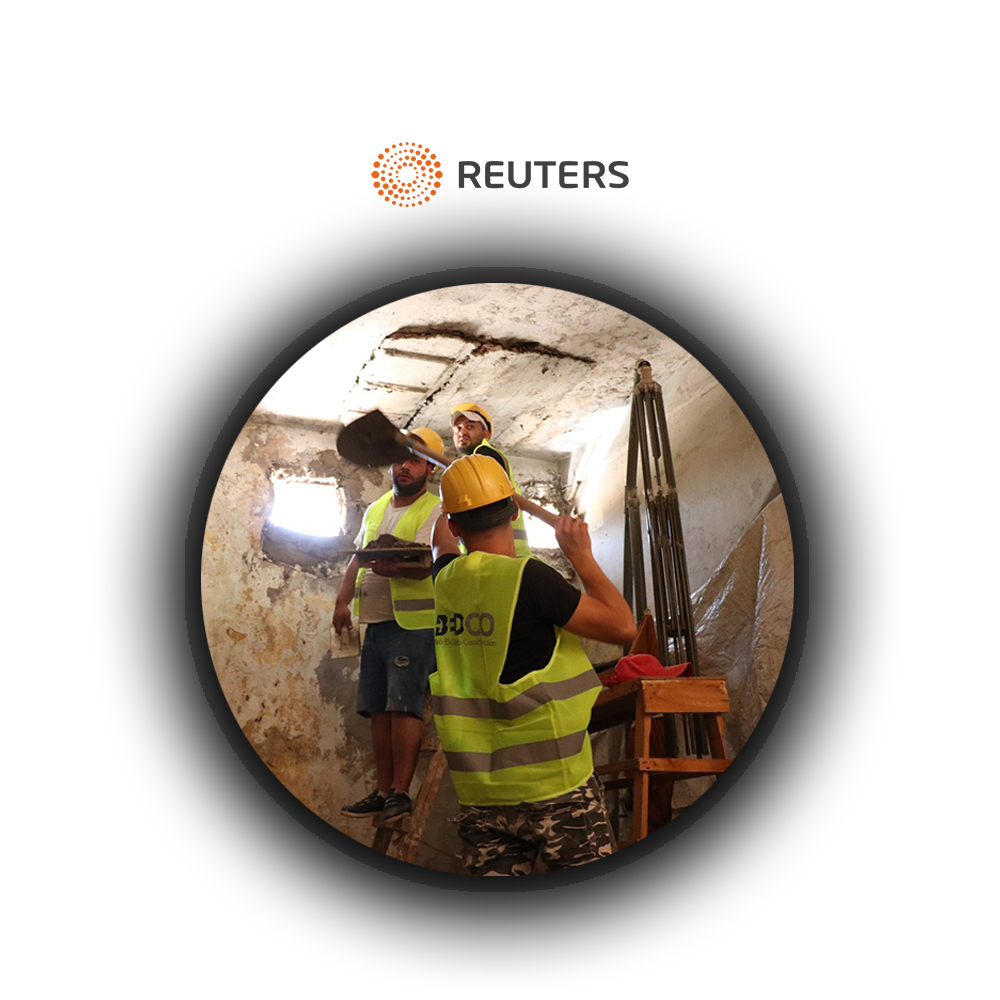
Ban Barkawi AMMAN (Thomson Reuters Foundation) – From former fighters repairing damaged buildings to rural women preparing meals, people from across Lebanon have stepped in to help businesses set up to do good after the seismic port explosion in Beirut. The Aug. 4 blast, which officials have blamed on more than 2,000 tonnes of ammonium nitrate being stored unsafely for years, killed at least 178 people, injured some 6,000, and damaged buildings across a swathe of the city. A list of social enterprises, or businesses set up with a mission to do good, already had teams working in construction and food preparation so quickly adapted and stepped in to help the nearly quarter of a million people uprooted. This included about 40 former fighters from feuding towns in the northern city of Tripoli who learned building skills in a rehabilitation programme run by non-profit peacebuilding organisation March and construction firm Beb El-Dahab (BEDCO). “It was so touching and heartwarming when they called to say ‘we want to come down and help, we don’t care about getting paid’,” said Lea Baroudi, founder of March. “I’m talking about extremely, extremely poor … former fighters who were fighting a sectarian war.” Lebanon is still scarred by civil war three decades ago and reeling from a financial crisis rooted in corruption and economic mismanagement when the explosion ripped through Beirut. Now the nation of 6.8 million people, which includes almost 1 million Syrian refugees, is also battling a surge in coronavirus infections, with the total number of cases at more than 9,330 since February, with 105 fatalities. BUSINESSES DOING GOOD As Lebanon faced ever increasing social and environmental challenges in recent years, a rising number of social startups have emerged to tackle issues ranging from garbage disposal to clean drinking water. According to the Makesense Organisation, which helps entrepreneurs solve environmental and social problems, in 2017 there were more than 200 social enterprises in Lebanon. No more recent figures were available. Alfanar, a philanthropy organisation that supports Arab social ventures, launched a fundraising appeal for its network of social enterprises after the blast, adding March-BEDCO to the list so it could pay workers. Alfanar’s Lebanon country director Michelle Mouracade said the country’s economic crisis had already disrupted the work of social enterprises that have had to cut staff and salaries, and slashed their revenues by 60 to 75% since October. “It’s really difficult but at the same time, social entrepreneurs are by definition risk takers. They’re resilient and their mission is about finding opportunity when there are problems,” she told the Thomson Reuters Foundation. Mouracade said people from vulnerable communities had come to depend on social enterprises to feed their families due to the financial situation, the coronavirus and now the blast. The Souk el Tayeb market, Lebanon’s first farmers market where about 100 small-scale farmers and producers sell fresh produce, was temporarily closed after the explosion destroyed its offices, market and kitchens, said founder Kamal Mouzawak. “They live from the sales of their produce,” said Mouzawak who launched the social enterprise in 2004 to encourage sustainable agriculture. “It was one of the most difficult moments of my life because how can I feel like I’m stopping everything?” But with business at a standstill, Mouzawak was able to hire several cooks from Souk’s sister dining business, Tawlet, where women from various rural villages and underprivileged communities prepare meals, and launched an emergency kitchen. From their undamaged kitchens, they are providing more than 1,000 meals a day for volunteers on the frontline and victims. Mouzawak is hoping that a fundraising campaign for 500,000 pounds ($660,000) will rebuild ruined spaces and restore the financial lifeline for the teams at Souk el Tayeb and Tawlet that train and help migrant workers, rural women and refugees. Mouracade said social entrepreneurs know how to act quickly in a crisis, as was evident at the outbreak of the coronavirus when businesses started to make masks and tap overseas markets. “By providing people with love and support and understanding, you can see how things can change,” Baroudi said. “This is what we want Lebanon to be.”

Civil Military Cooperation for social cohesion

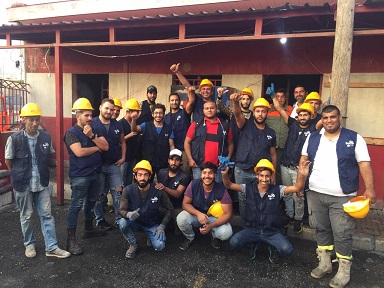
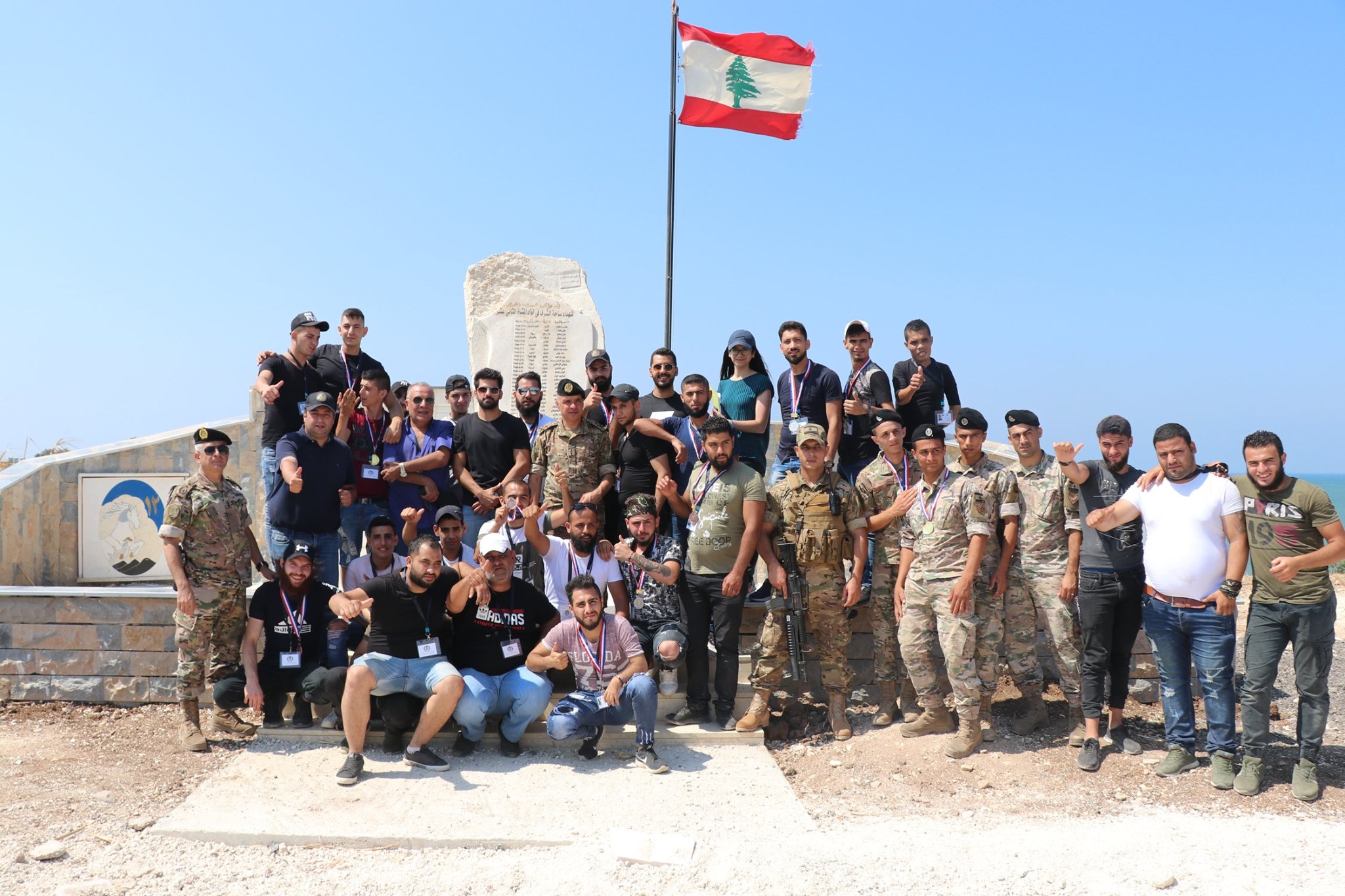
Hand in Hand for a better Lebanon As part of its numerous collaborations with the Lebanese Army to improve social cohesion and promote mutual respect and understanding between communities and the Army, MARCH launched a new partnership on June 29th: building a military training base for Tripoli’s 12th infantry brigade from the ground up. The organization brought together a group of twenty-seven young men from Beb El Tabbaneh and Jabal Mohsen. Over the duration of this project, the youth received on-the-ground capacity building training- constructing all the components of the base including a raid room, a shooting field, a heliport, a drills field, the flag square and a watchtower as well as all boarding necessities such as bedrooms and bathrooms as well a multidisciplinary room that will be dedicated to classes and indoor training sessions. Additionally, the team executed the landscape work and conceptualized and painted unique designs across the base. In parallel, young women from both communities utilized the graphic design skills they acquired through the Beb El Dahab program to conceptualized and produce all the maps, logos, and signage of the facility. This initiative entailed daily cooperation between the young men of Beb El Tabbaneh and Jabal Mohsen and the Lebanese army through their work, recreational activities, common classes and shared meals. Ice Breaking activities were also incorporated into the venture. The primary objective was to allow them to operate as a team, support each other and optimize their performance as a unit. Given the long-term nature of the initiative participants got an in-depth look at their interpersonal dynamics which undoubtedly helped alleviate any existing tensions and contributed in forging a solid foundation to move towards cohesion and inclusion.  The base was recently inaugurated in the presence of British Ambassador, His Excellency Chris Rampling. The attendees were given a tour of the facility. The opening event also featured a military parade and a performance by the army’s band. The occasion was marked by a memorial. We look forward to many more future collaborations!

GIVING YOUTH AN OPPORTUNITY AT A BETTER FUTURE

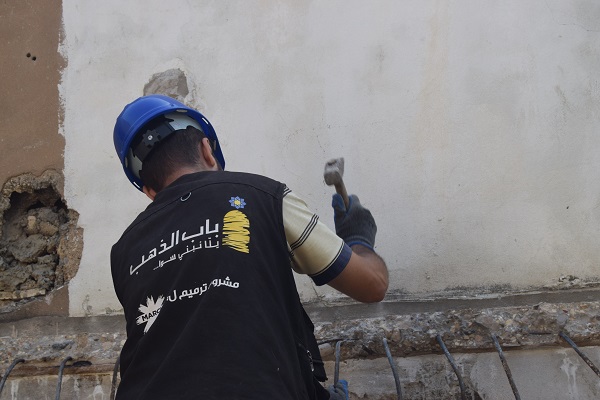
In Tripoli Due to Tripoli’s ecosystem, the area has constituted fertile grounds for conflict over the years. Local youth had been subjected to extreme socio-economic conditions that had made them susceptible to sectarian narratives. Furthermore, these individuals’ quality of life has been gravely impacted and their basic rights considerably impaired. They had difficulty accessing fundamental services such as education, healthcare and employment leaving them to face a lifetime of obstacles and pushing them towards violence and conflict. All these factors, coupled with the government’s semi-absence from the area, led violent clashes to erupt in 2011 between the historically feuding neighborhoods of the Sunni Beb El Tabbaneh and Alawite Jabal Mohsen. MARCH recognized that CSOs often employed short-term relief strategies that had proven to be insufficient in countering the cross-generational sectarian resentment and the wave of violence the area had been witnessing. Therefore, the organization designed a holistic rehabilitation and reintegration program that targeted vulnerable youth from Beb El Tabbaneh and Jabal Mohsen. Beb El Dahab was created in 2017 with the goal of fostering long-term sustainable reconciliation. Its aim was to shift the distorted perceptions these youths had of “the other ” and enable them to transcend the false stereotypical perceptions they had inherited from their respective environments. Beb El Dahab’s goal was to try and breach the cycle of animosity and equip individuals with the tools to shift the trajectory of their lives. This would then help form a solid foundation to move towards social cohesion. Beb El Dahab- dubbed “The Rebuilders Initiative”- recruited vulnerable youth such as ex-fighters who had taken part in the clashes, individuals who had been incarcerated and young women to give them a chance at a better life. It utilizes a diverse set of tools to build the participants’ soft and hard skills, create a common purpose, and develop resilience and foster acceptance. Under MARCH’s supervision, the selected groups are given on-the-job technical vocational training in different fields to allow them to be better equipped to integrate the job market. Participants apply the skills they are taught to actively take part in the rebuilding process of their communities. In addition to the professional capacity-building aspect, participants are provided with tools to better their well-being such as legal advice and healthcare support in addition to language and math classes. The program also offers periodic recreational activities and outings. Moreover, the youths participate in daily communal meals that encourage positive and constructive interactions. The first phase of renovations targeted a marketplace that stood on the former demarcation line, Syria street. The men were in charge of refurbishing the shops while the women worked on designing and producing all the required branding material. This contributed to recovering over 354 shops that had been demolished by the war. Following the success of that initial endeavor, the youth took on the challenge of beautifying other spots such as the Muhajireen street where they managed to restore local authentic architecture. This allowed to enhance public spaces in key locations that once represented the separation of the two neighborhoods. Most recently, as part of MARCH’s goal to improve the dynamics between public institutions and local communities, the organization launched a partnership was launched with the Lebanese army. Youth from Beb El Tabbaneh and Jabal Mohsen worked hand in hand with the LAF to build a military training base for Tripoli’s 12th infantry brigade. The success of the Beb El Dahab lays in its adaptability and inclusivity. It has also managed to generate a sense of safety, security and stability. Through it, MARCH has enabled the youth to develop cross-communal ties and improve their self-perception. Beb El Dahab also allowed these young men and women to find constructive outlets and coping mechanisms to deal with their trauma and anger. From a technical standpoint, it has also developed their employability and improved their quality of life. However, the program’s greatest achievement was perhaps the pool of community leaders it produced. Profiles that were once engulfed by sectarian dispositions have today become actors of change. In Beirut MARCH decided to adapt the cyclical model of social impact that was develop through to fit Beirut’s marginalized communities. The city encapsulates multiculturalism- a trait that has not always played to its advantage. Much like Tripoli, sectarian tensions remain quite prominent in the capital and traces of the civil war still gravely affect its most marginalized communities. In spite of the Beirut’s different context, we managed to replicate the concept by bringing together vulnerable youth from Chiah, Madina El Riyadiya and Khandaq Al Ghamiq for a unique community service initiative. The primary aim was to help build bridges between youth from different backgrounds and encourage better dynamics while developing their capacities and giving them the opportunity at a better future. Hand in hand the group renovated two of the Civil Defense Department of Beirut’s facilities. Similarly to Beb El Dahab, the project helped build the participants’ capacities through vocational on-the-job training in addition to languages and mathematics classes. The young men and women acquired a new set of marketable skills such as plastering, plumbing, graphic design and tiling – giving them an opportunity at a better future.

RENOVATIONS FOR THE COMMUNITY BY THE COMMUNITY

Our work with the communities of Beb El Tabbaneh and Jabal Mohsen through the Beb El Dahab rehabilitation and reintegration program has been an important pillar of our other initiatives. MARCH realized that providing the youth with a holistic set of marketable skills would enable them to access better opportunities and shift the trajectory of their lives for the better. Furthermore, we realized that creating spaces that would allow for positive and constructive dialogue would help bridge the exiting social gaps. Therefore, MARCH decided to recreate the Beb El Dahab experience in Beirut by bringing together marginalized youth from Chiah, Madina Riyadia and Tariq Al Jadida. Together they would help renovate the Regional Center of Beirut’s Civil Defense Department in Cola. Over the duration of six weeks, the team gave the facility a complete makeover. The selected group was given extensive on-the-job technical and vocational training in construction and graphic design. The young men explored numerous trades such as plastering, electrical work and plumbing which helped them refurbish the center’s infrastructure. The women on the other hand were given the tools to conceptualize and develop the center’s new look. Additionally, the afternoons were dedicated to interactive and intensive language and mathematics classes. Following the completion of the restoration works were completed, the center was inaugurated in the presence of the British Ambassador, His Excellency Chris Rampling. The success of this initiative proved that this was more than just a reconstruction project; it is a life-long investment in these individuals’ futures. This has encouraged us to take on the renovation and maintenance of the Bashoura Civil Defense unit which is now in its last phases. Our organization is proud to have supported the Lebanese Civil Defense, an institution whose mission and values embody MARCH’s message of unity, diversity and coexistence and whose volunteers have selflessly dedicated themselves to this country.

حفل ترميم مركز بيروت الإقليمي للدفاع المدني بحضور رامبلنغ

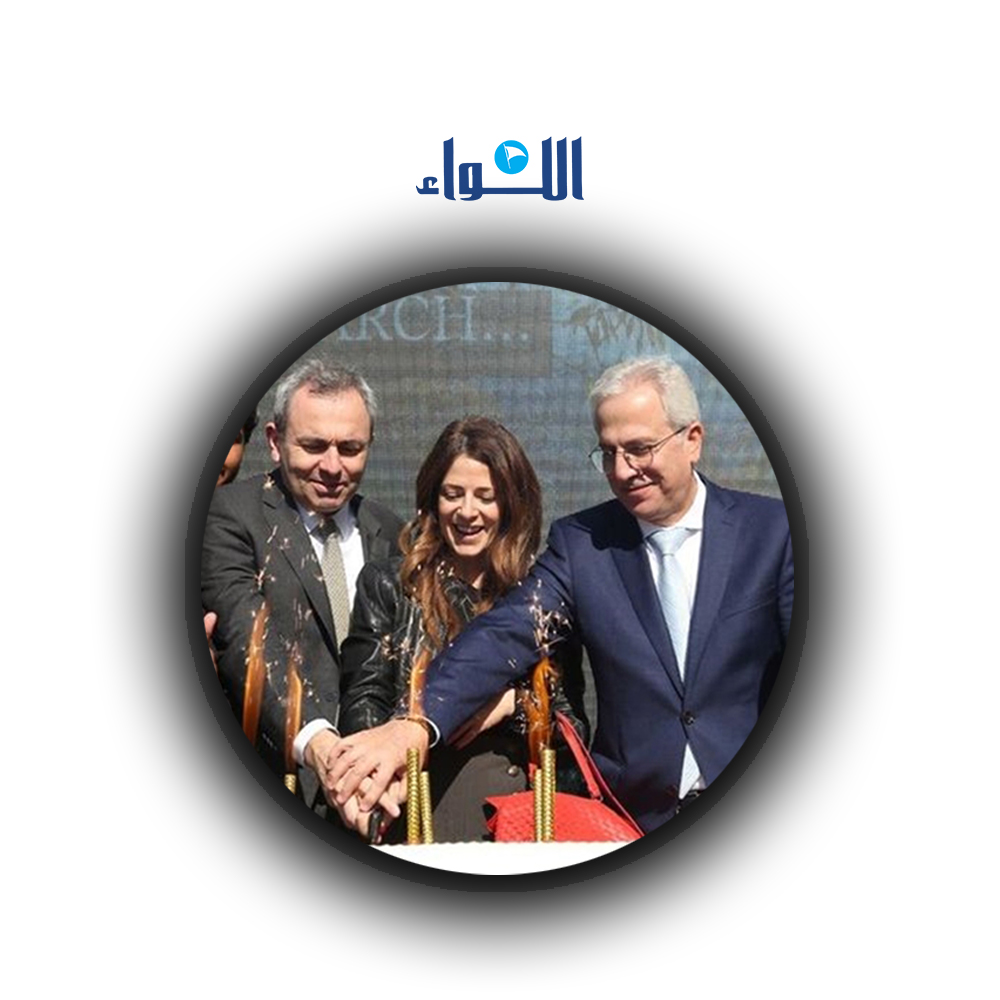
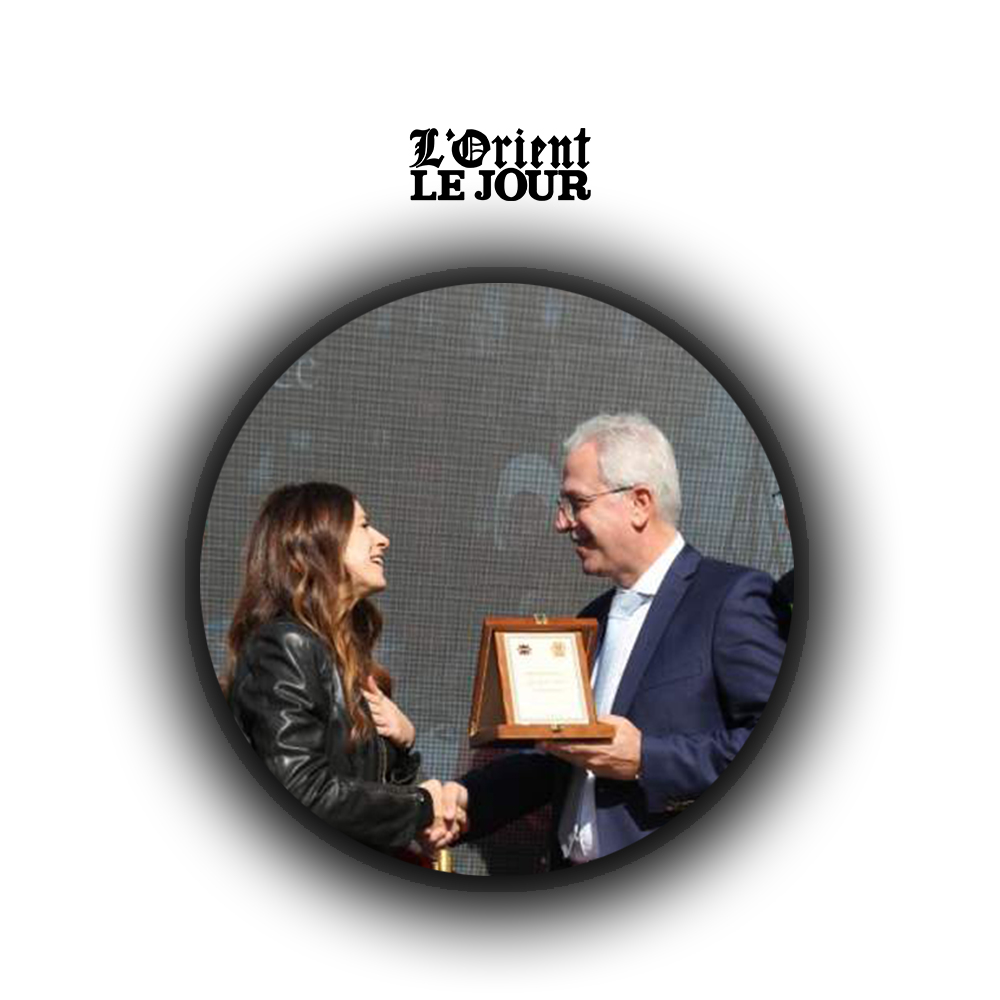
Al Liwaa أقيم حفل في مركز بيروت الإقليمي للدفاع المدني في محلة الكولا بمناسبة الإشراف على الإنتهاء من عمليات ترميم المركز بحضور السفير البريطاني  كريس رامبلنغ. حضر الإحتفال مدير عام الدفاع المدني العميد ريمون خطار ممثلاً وزيرة الداخلية والبلديات  ريا حفار الحسن، رئيسة جمعية مارش الممولة لهذا المشروع ليا بارودي ورؤساء المراكز العضوية التابعة لمركز بيروت الإقليمي وحشد من المتطوعين ومن أهالي المنطقة. وقد جال الحضور على كافة الأقسام التي استحدثت في المركز ليبدأ الإحتفال بالنشيد الوطني تلته كلمة ترحيبية. جمعية مارش ثمّ القت  بارودي كلمة بالمناسبة قالت فيها : ” إن جمعية مارش تهدف إلى تمكين الشباب في المناطق اللبنانية المنسية والمهمشة الذين لم تتح لهم الفرص لإبراز إمكاناتهم وتعزيز قدراتهم. وقد قمنا بمساعدة الشبان في طرابلس لتكوين مستقبل أفضل. ونفذنا مشاريع ثقافية وفنية لتقريب وجهات النظر.” وأردفت ” إن نجاح التجربة في طرابلس دفعنا لنقلها إلى بيروت بطريقة مختلفة. فكرنا بمشروع لدعم المجتمع ووجدنا ضالتنا لدى الدفاع المدني نظراً لما يمثله هذا الجهاز من ترفع عن الإنتماءات الطائفية والتضحية اللا متناهية.” وتابعت ” من المؤسف ان متطوعي الدفاع المدني لا يلقون الدعم المطلوب. لذا حاولنا وفقاً للامكانيات المتاحة أن نقدم لهم يد العون بتضافر جهود العديد من الشبان والفتيات وكسر الحواجز المناطقية.”  وختمت بتوجيه الشكر للسفارة البريطانية لما تقدمه من دعم للمشاريع المناسبة وللدفاع المدني نظراً لما يقوم به العناصر من جهود، مع التمنيات أن يكون ثمة مشاريع مماثلة في مراكز أخرى. العميد خطار والقى العميد خطّار كلمة بالمناسبة استهلها بالقول “شرّفتني معالي وزيرة الداخلية والبلديات السيّدة ريّا حفّار الحسن وكلّفتني بتمثيلها في هذا الحفل بمناسبة ترميم مركز بيروت الإقليمي في منطقة الكولا بعد الإشراف على انتهاء عمليات إعادة تأهيله بتمويل من جمعية مارش التي تحظى بدعم من السفارة البريطانية في لبنان”. وأردف : ” إن جمعية مارش الحريصة على توثيق أواصر التلاقي بين المواطنين بتعدد أطيافهم وانتماءاتهم قد اختارت أن تنفّذ هذا المشروع في مركز بيروت الإقليمي لما يمثّله من أنموذج للعيش المشترك باحتضانه موظفين ومتطوعين من مختلف المناطق، وكونه صورة مصغرة عن بيروت عاصمة التلاقي والتوافق، ولعلّ هذه الميزة هي الركيزة الأساسية التي بنيت عليها مراكز الدفاع المدني على كافة الأراضي اللبنانية حيث يعلو هدف واحد ولا يعلى عليه وهو خدمة الوطن والمواطن. واعتبر أن” هذه المبادرة المميزة تستحق التوقف عندها كونها تظهر عمق إيمان الهيئات الدولية والإقليمية بجوهر رسالة المديرية العامة للدفاع المدني. فعند تأمين الظروف الملائمة للعناصر ليشعروا بالطمأنينة تحت سقف المركز الذي يجمعهم على محبة هذا الوطن فلا ريب أن ثمة انعكاساً ايجابياً سنلحظه جميعاً عند توجههم لتنفيذ المهمات وتلبية نداءات المواطنين. لذا ندعو إلى أن تحفّز هذه المبادرة كافة المنظمات والجهات المحلية والأجنبية للسير على خطى جمعية مارش وأن تضع يدها بيدنا للنهوض بهذا الجهاز الوطني والإنساني بامتياز إلى أرقى المستويات.” وأوضح أن “المديرية العامة للدفاع المدني، التي كانت دوماً إلى جانب المواطن ولم يتقاعس عناصرها عن القيام بواجبهم في زمن السلم كما في زمن الحرب رغم كافة الظروف والتحديات، ستواصل العمل الدؤوب لتوعية المواطنين والمقيمين على الأراضي اللبنانية لمواجهة كافة أنواع الحالات الطارئة من خلال نشر الإرشادات عبر وسائل الإعلام وتنظيم دورات تدريبية في المدارس والجامعات والمؤسسات الحكومية والخاصة. كما أنها تسعى إلى تعزيز قدرات عناصرها من خلال إخضاعهم لدورات تدريبية مكثفة مع جهات أجنبية”.وختم بالقول : “نكرر الإثناء على هذه الخطوة ونؤكد متابعة العمل وفقاً لتوجيهات معالي الوزيرة السيدة ريا الحسن مع التمنيات بأن تتحقق كافة الأمنيات بانتظار الإنجاز الأكبر بتثبيت المتطوعين مع إطلالة العام المقبل لنكون قد أشرفنا على بداية عهد جديد في تاريخ الدفاع المدني مشرق وواعد بغدٍ أفضل”. السفير رامبلنغ ومن ثم كانت كلمة للسفير رامبلنغ أكدّ فيها ” أنها الزيارة الأولى التي أقوم بها إلى مركز للدفاع المدني وأنا أتطلع للتعرف عن كثب على عمل العناصر والتحقق من التحوّل الذي شهده. شكراً لما بذلتموه جميعاً من عمل شاق وعلى وجه الخصوص الشبان القادمين من المدينة الرياضية والشياح وطريق الجديدة ومناطق أخرى. وأردف “أنه لا يجوز الانتقاص من شأن أي فريق صغير عندما يتحلى بالإرادة والعزم”. مؤكداً الدولة البريطانية لجمعية مارش لما تبذله من جهود في بناء جسور من التفاهم وقبول الآخر بين المواطنين. وأضاف أن “الدفاع المدني يجسّد روح التطوع الحقيقية، نكران الذات والإصرار. لقد رأيناكم تغامرون بحياتكم من أجل إنقاذ الآخرين بصرف النظر عمن يكونون. وكان ملحوظاً استجابتكم الفورية لاخماد الحرائق التي اندلعت في تشرين الأول المنصرم. وها هم الشبان يبادرون لرد الجميل لكم اعترافاً بتضحياتكم في سبيل المجتمع”.

À BEYROUTH, DES JEUNES MARGINALISÉS APPRENNENT À VIVRE ENSEMBLE

Nada MERHI | OLJ SOCIAL L’ONG March a inauguré hier le centre de la Défense civile, dans le secteur Cola, au terme de près six semaines de travaux dans le cadre de ses projets de capacitation de la jeunesse marginalisée. Au siège régional de la Défense civile dans le secteur Cola, à Beyrouth, l’ambiance était hier à la fête. Les volontaires en uniforme s’activent à aligner les chaises, arranger le son, monter la tribune… Au terme de près de six semaines de travail assidu, l’heure était à l’inauguration de cet espace rénové grâce à une initiative de March, une ONG qui œuvre depuis sa fondation à la capacitation des jeunes des régions « oubliées » et « marginalisées », en les impliquant dans des projets sociaux. Forte de son expérience réussie à Tripoli où elle est parvenue à réunir, autour de plusieurs projets, au nombre desquels un spectacle, un café culturel et plusieurs chantiers de reconstruction, les anciens combattants des quartiers rivaux de Jabal Mohsen et Bab el-Tebbané, l’ONG a décidé de dupliquer cette expérience à Beyrouth à travers un projet sociétal. « Il était naturel pour nous de penser en premier à la Défense civile, parce que cette institution représente le Liban dont nous rêvons : un groupe de volontaires qui n’hésitent pas à servir leur pays, affirme Léa Baroudi, présidente de March. Malheureusement, ils ne sont toujours pas estimés à leur juste valeur et ne reçoivent pas le soutien nécessaire. » Aussi, pour mener à bout ce projet, l’ONG, qui bénéficie du soutien de l’ambassade de Grande-Bretagne, a recruté vingt jeunes de régions marginalisées de Beyrouth, « qu’on évite » et qui « font l’objet de préjugés » : Ghobeyri, le secteur de la Cité sportive, le quartier dit de « tôle », Chiyah, Tarik Jdidé… Elle a appris à ces jeunes laissés-pour-compte des métiers de construction, tout en leur assurant « tout le soutien nécessaire pour se réconcilier avec eux-mêmes, se rapprocher les uns des autres, et aussi pour devenir indépendants », explique Léa Baroudi. Elle précise que les projets menés par March visent à « briser ces barrières géographiques, communautaires et régionales que nous érigeons ». Une communauté soudée Mamdouh, Samir et Mohammad habitent dans le secteur de la Cité sportive. « Les gens issus de ce quartier sont considérés comme des voyous », avance Mamdouh. « Jusqu’à il y a quelques semaines, je n’avais aucune occupation, renchérit Mohammad. Je suis sans papiers et ne peut donc rechercher du travail. Je passais mes journées entre la maison et la rue. Je n’avais rien d’autre à faire. » Idem pour Waël, 19 ans, habitant Chiyah, qui confie qu’avant d’intégrer le projet, « je végétais à la maison ». « Je passais mon temps à dormir, manger et boire du café », dit-il. Pour ces jeunes, le projet initié par March a été une aubaine. « Mon ami m’en a parlé, raconte Mohammad. L’idée m’a plu. Je sentais que je pourrais opérer un changement dans ma vie. Je n’ai pas eu tort. Je suis analphabète. Dans le cadre de ce projet, j’ai appris à lire. J’ai appris aussi un peu d’anglais et de maths. Maintenant je sais faire des calculs et des factures. Côté professionnel, j’ai appris beaucoup sur les métiers de construction. J’ai appris à les faire avec précision. » Pour Samir, « ce projet revêt une double importance, parce que non seulement j’ai appris un métier, mais j’ai aussi rencontré des jeunes de communautés et de régions différentes ». « Au fil des semaines, nous sommes devenus un groupe soudé, poursuit-il. Nous avons appris à vivre ensemble. Nos querelles ne durent pas longtemps. » Comment pensent-ils continuer après cette expérience ? « Je n’aimerais pas continuer à vivre comme je le faisais avant », assure Mohammad. Mais vu la situation par laquelle passe le pays, il n’espère pas pouvoir trouver du travail rapidement. Léa Baroudi souligne que March n’abandonne pas les jeunes une fois le projet terminé. « À Tripoli, nous avons réussi à placer plus de quarante bénéficiaires de nos programmes dans une entreprise privée, se félicite-t-elle. D’autres ont appris un métier qu’ils exercent. Il est sûr que nous n’allons pas lâcher ces jeunes. Nous poursuivrons avec une petite pièce que Georges Khabbaz, comédien et metteur en scène, a écrite pour eux. Puis nous allons les impliquer dans la rénovation du centre de Bachoura de la Défense civile. Nous trouverons toujours de petites opportunités qui leur permettent de devenir indépendants. » Volontariat, altruisme et dévouement La cérémonie d’hier s’est déroulée en présence notamment du directeur général de la Défense civile, le général Raymond Khattar, représentant la ministre sortante de l’Intérieur. Dans une allocution, il a expliqué que les travaux comprenaient la rénovation du bâtiment existant, la construction de nouvelles salles et l’équipement du centre avec du matériel de secours. Il s’est penché sur les problèmes que rencontre la Défense civile dont les volontaires tardent à être titularisés, « espérant qu’ils le seront au début de l’année prochaine ». L’ambassadeur de Grande-Bretagne, Chris Rampling, a de son côté mis l’accent sur la mission de la Défense civile qui « incarne le vrai esprit du volontariat, de l’altruisme et du dévouement ». « Nous vous avons vu risquer vos vies pour sauver les autres », a-t-il poursuivi, soulignant qu’aujourd’hui, « les jeunes vous le rendent ». Et d’insister : « Le Liban passe par une importante phase de son histoire. Nous avons vu les Libanais à travers le pays exprimer leurs revendications légitimes pour la réforme, la transparence et une meilleure gouvernance. Les Libanais ont montré qu’ils rejettent la division. Ils veulent un Liban uni dans la paix, la prospérité et la coexistence. Aujourd’hui a été l’occasion de réitérer notre soutien aux volontaires de la Défense civile qui donnent leur temps pour sauver la collectivité. » Georges Khabbaz, qui soutient inconditionnellement March, a affirmé que les ONG, avec à leur tête March, ont du mérite parce qu’elles ont contribué à l’éveil que le Liban connaît depuis

افتتاح مركز بيروت الاقليمي للدفاع المدني في منطقة الكولا

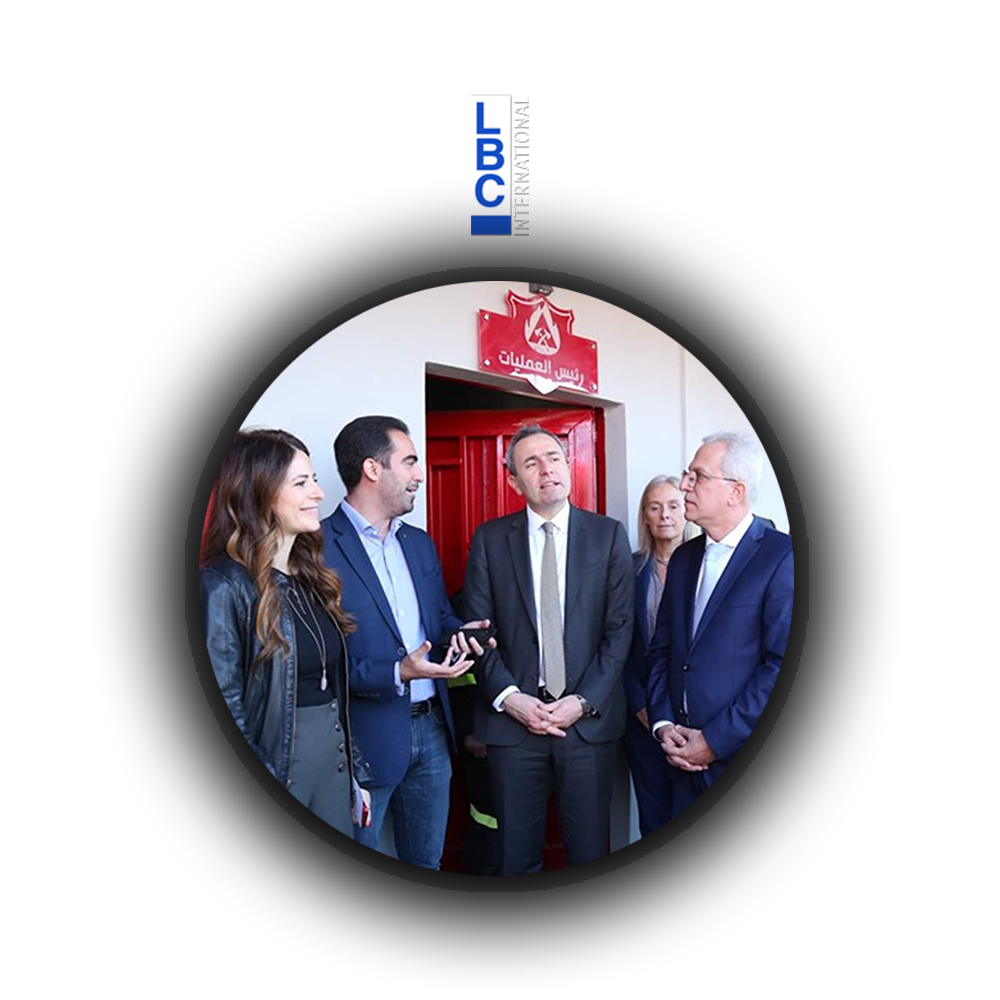
LBC Group TV تم الاحتفال بافتتاح مركز الدّفاع المدني الإقليميّ في منطقة الكولا بحلّته الجديدة. وأنجزت جمعية مارش عمليّة إعادة التأهيل وبدعم من السفارة البريطانية في بيروت. وتمت عملية إعادة التأهيل على أيد شبانٍ وشابات المهمشين والمنسيّين من مختلف أرجاء بيروت أبرزها مناطق المدينة الرياضية، الشياح وطريق الجديدة. وهدف هذا المشروع الى تعزيز حس الوحدة والتضامن بين خلفيات متعددة متجاوزا قيود الطائفيّة. وعمدت هذه المبادرة على تمكين الشباب من خلال مساعدتهم على اكتساب مهارات مهنيّة جديدة مثل التجصيص، الطلاء، الأعمال الكهربائية والتصميم الجرافيكي عبر تدريب تطبيقيّ بالإضافة إلى صفوف اللغات والرياضيات مما يتيح لهم فرصة في مستقبل أفضل.   وألقت رئيسة جمعيّة مارش ليا بارودي كلمة قالت فيها : “يجب تسليط الضوء على كل مبادرة إيجابيّة. نحن في مارش نعمل على دعم وتمكين شباب المناطق المهمشة. ونعتبر أن هذه المبادرة عابرة للطوائف تمثّل كل لبنان بعيداً عن اختلافاتنا وهذا ما ترمز إليه مؤسسة الدفاع المدنيّ”.  بدوره قال العميد خطار :”إن هذه المبادرة المميزة تستحق التوقف عندها لكونها تظهر عمق إيمان الهيئات الدولية والإقليمية بجوهر رسالة المديرية العامة للدفاع المدني. وتابع: “إن المديرية العامة للدفاع المدني، التي كانت دوما إلى جانب المواطن ولم يتقاعس عناصرها عن القيام بواجبهم في زمن السلم، كما في زمن الحرب، على رغم كل  الظروف والتحديات، ستواصل العمل الدؤوب”. وكانت كلمة لسفير بريطانيا كريس رامبلينغ الّذي قال: “أنا جد فخور بما قامت به ايدي الشباب. وهذا ليس غريبا على نشاطات جمعية “مارش” التي تعمل منذ البداية على تفعيل ونشر لغة الحوار والتواصل. ونحن من الداعمين لها منذ البداية”.كما أضاف: “بعد الحريق الذي تعرض له لبنان في تشرين الاول، رأينا بأم العين كيف كان ابطال الدفاع المدني يحاربون النيران من دون تجهيزات متطورة. من هنا، ارى اليوم هذا التأهيل عربون شكر لهؤلاء الشباب الابطال يكرّم تعبهم بالرغم من كل الظروف القاسية. فإنهم مثال للغيريّة، التفاني والوطنيّة “.

BEAUTIFYING THE STREETS OF TRIPOLI

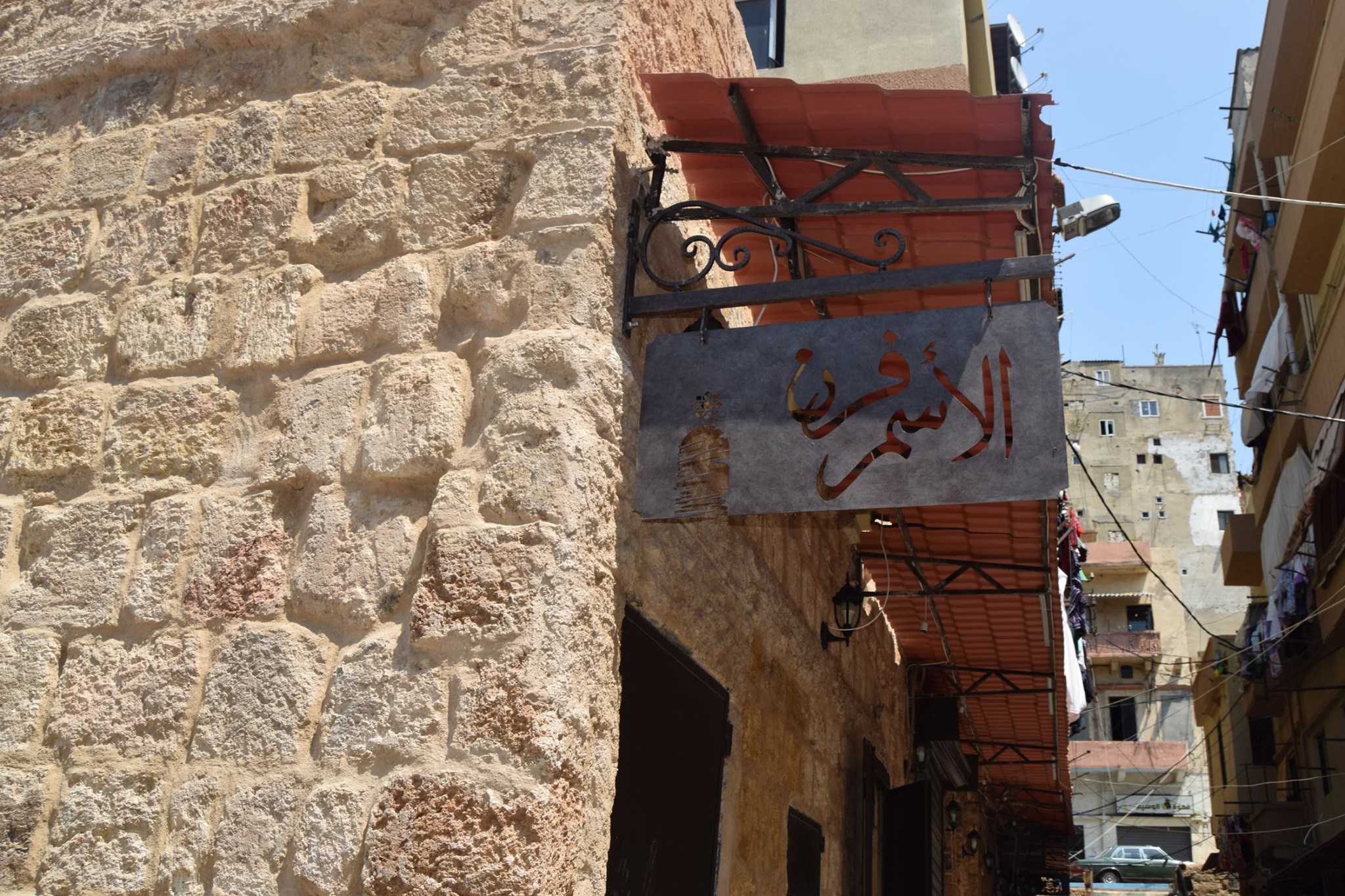
The youth of Beb El Tabbaneh and Jabal Mohsen have committed to improving their communities and giving their home an entire new look. They have employed the skills they’ve learned through the Beb El Dahab rehabilitation and reintegration program to entirely transform their surrounding public spaces.   After having revived a historic marketplace on a former demarcation line, the youth took on the challenge of beautifying the Muhajereen street. After months of hard work and dedication, they managed to give the spot a complete makeover. In utilizing the craftsmanship they’ve acquired, they succeeded in bringing the gorgeous authentic architecture back to life. The team sanded down the plaster and uncovered the stunning old stone walls. In parallel, the young women designed the shops’ signs which were then beautifully engraved in metal. But they did not stop there! The youth also cleaned up and revitalized several little corners and even added a few wonderful seating areas. The final step was adding a touch of greenery that made a world of a difference. The before and after shots are truly inspiring and a breath of fresh air.