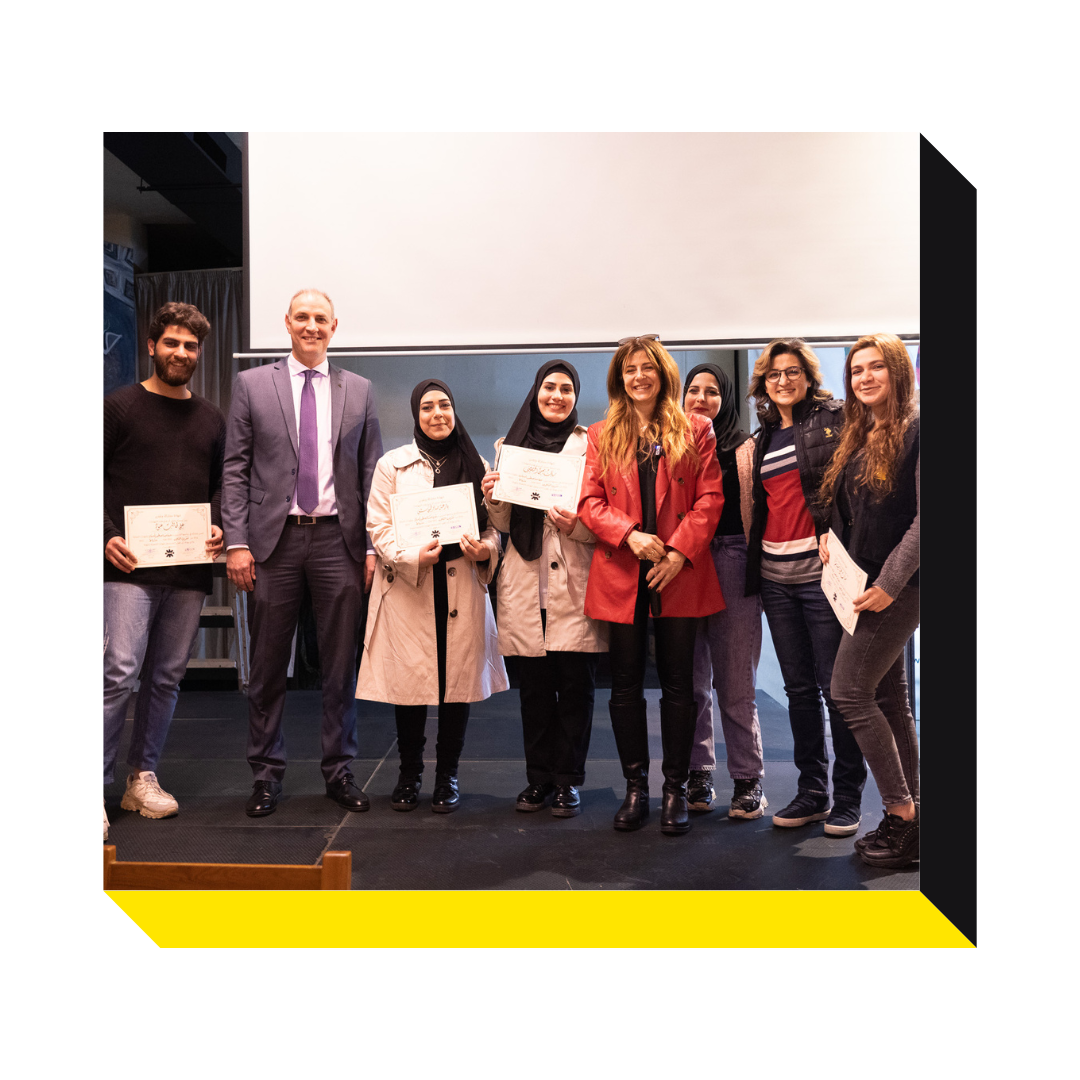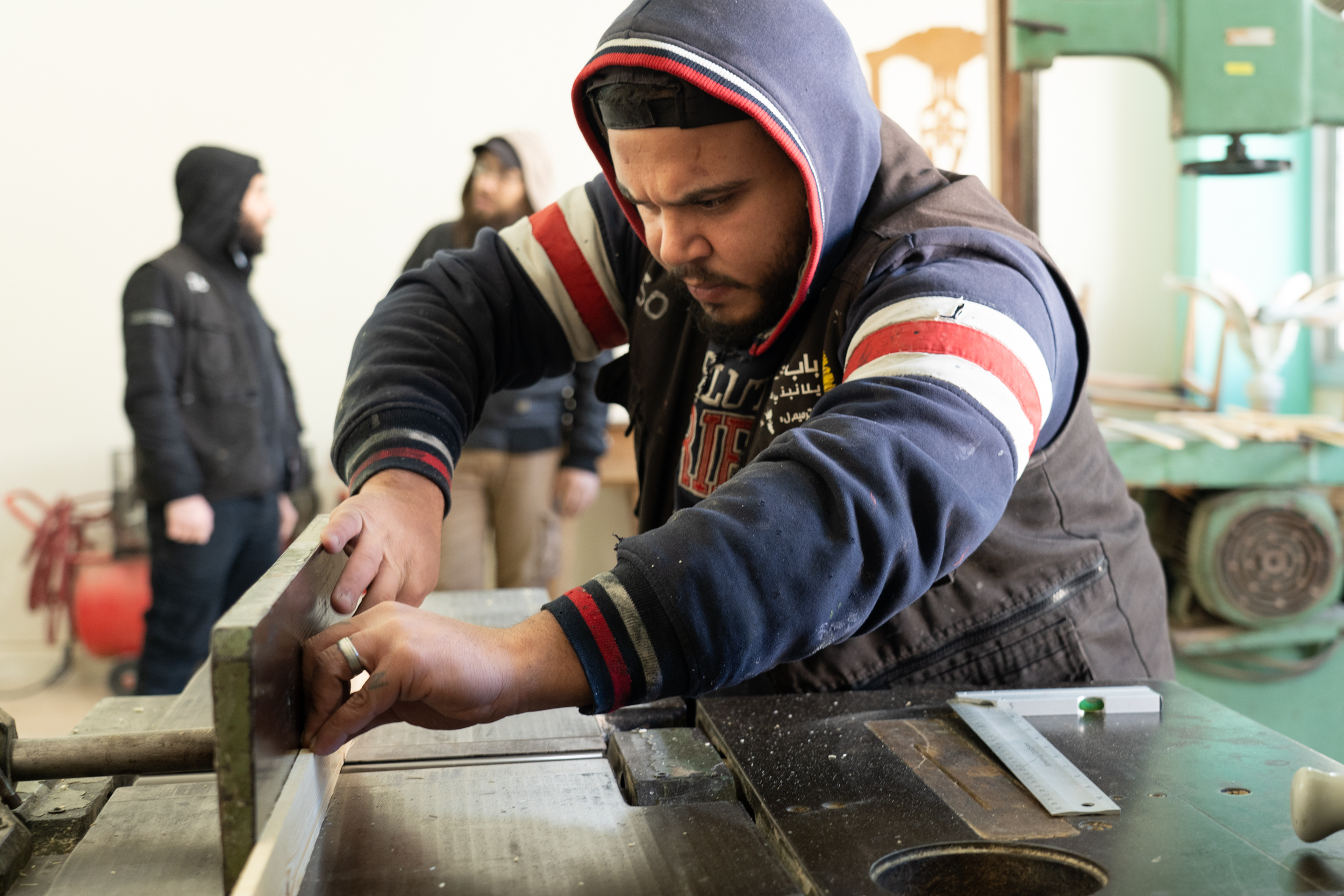
Economic resilience stands as a cornerstone of MARCH’s initiatives, particularly evident in its efforts within Beb El Tabbaneh and Jabal Mohsen. Recognizing that the roots of conflict extended beyond mere ideology, MARCH identified a socioeconomic ecosystem that led to further marginalization of these communities, leaving them lacking opportunities and mired in hopelessness. This was primarily due to their inability to attain formal education and build the skills and capacities required for a profession or a career. Additionally, a significant number of these youths were stateless and/or had unclean records which then constituted drivers of violence and conflict. In response, MARCH’s adopted theory of change focuses on integrating gender-mixed vocational training workshops into its cultural hub Kahwetna. These workshops provide at-risk youth with alternative pathways, fostering professional skills and economic independence. The vocational training workshops are diverse where most are in craftsmanship such as woodwork, sewing, fashion design, digital and hand embroidery, and another vocation in kitchen and moune making. A newly added vocational training in dentistry after realizing the importance of dental care in the area focusing on training youth in the center on becoming dental assistants. The impact of the vocational training became evident as youth gained proficiency in furniture manufacturing, fashion design, mouneh making and others shifting their life trajectories towards sustainable careers. Moreover, these trainings work on challenging traditional gender norms by empowering young men and women to explore diverse vocational fields and work together to achieve economic resilience and empowerment. Witnessing the success of the Beb El Dehab program, MARCH expanded its economic initiatives, establishing sustainable projects such as “BEDCO,” “KAN YA MAKAN,” the “Love and War Tour,” and “Kahwetna.” These initiatives not only created job opportunities but also promoted reconciliation and community development. “BEDCO” facilitated Beirut’s recovery post-blast, engaging youth in SME rehabilitation efforts. On another hand, “KAN YA MAKAN” provides a platform for former fighters and adversaries to create traditional and uniquely crafted items to showcase their stories of peace and resilience. The “Love and War Tour” highlights their unity along former demarcation lines as they showcase the history of the region, while “Kahwetna Café” emerges as a cultural hub, where the youth serve coffee and welcome visitors and serve as a symbol of unity. Moreover, MARCH forged partnerships with private sector entities to ensure sustained support beyond its program through collaborating with companies like Café Najjar and Bokja Design Studios which provided employment opportunities for a significant number of the youth. Through these multifaceted efforts, MARCH recognized that fostering economic resilience and social inclusion offered a viable alternative to sectarian narratives. By providing stability, security, and purpose, MARCH empowered youth to break free from cycles of violence, contributing to a more prosperous and inclusive society.
Tag: Sustainability
Providing Dental Care and Empowering Youth in Tripoli’s Conflict Resolution Center Kahwetna
We are thrilled to announce the opening of our dental clinic at our conflict resolution center Kahwetna – Tripoli. The youth of Jabal Mohsen and Beb El Tebbeneh underwent extensive training to become dental assistants and are now providing basic dental care services under the supervision of Dr. Elise Eid We are hoping to extend these services to the community and help those in need in the near future. A Big thank you for uk Lebanon and the dental association of Tripoli for their invaluable support.
Testimony: Meet Mostafa Latesh
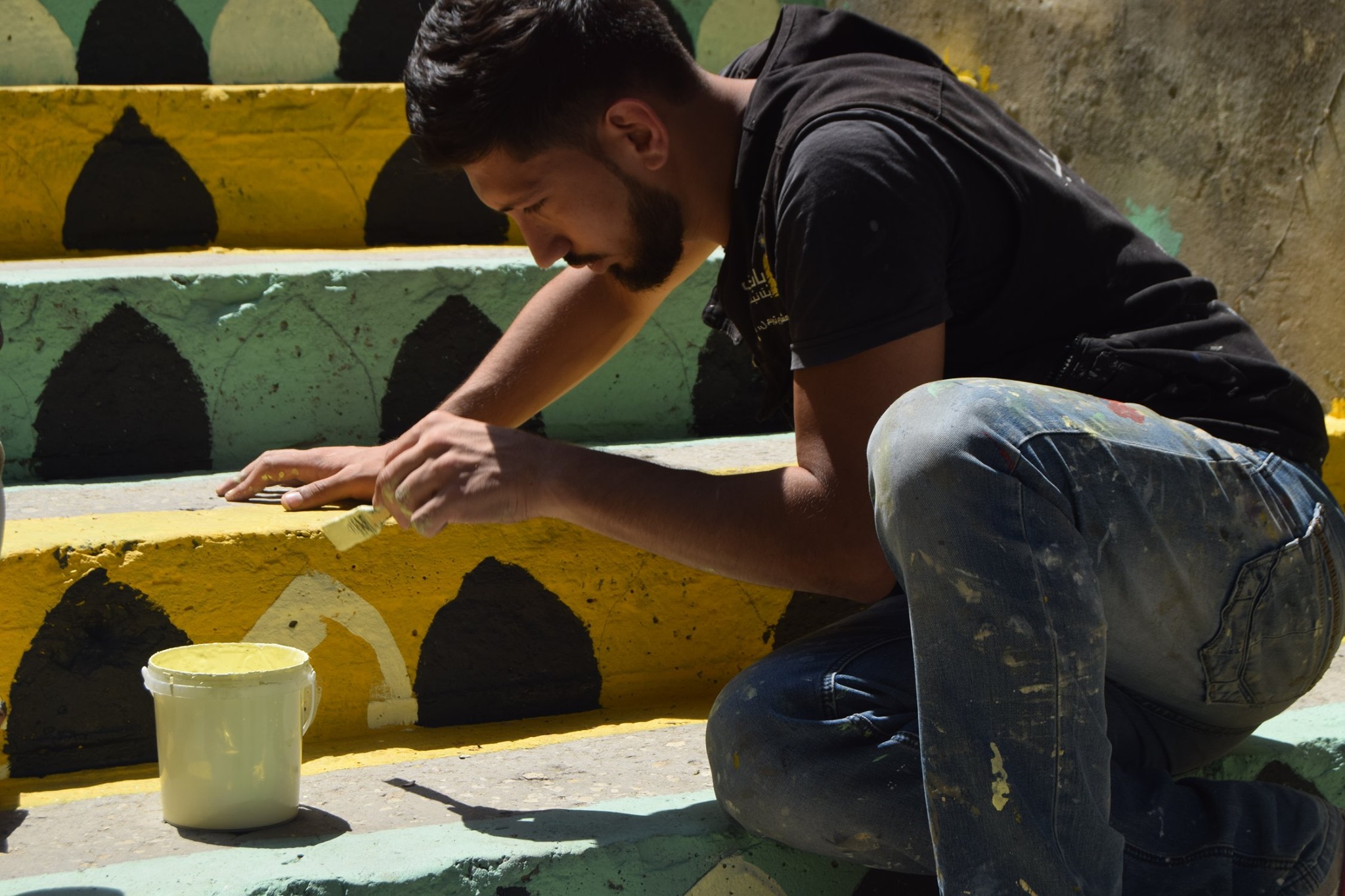
“I used to think of weapons, now I think of brushes and paint rollers.” Mostafa Latesh Mustafa is a stateless former fighter who had been incarcerated for taking part in the clashes between Jabal Mohsen and Beb El Tebbeneh in Tripoli . After joining March’s rehabilitation program, Mustafa left his dark past behind, becoming a painter and taking on professional jobs in which he can explore his talent and find stability for himself. This is his story…
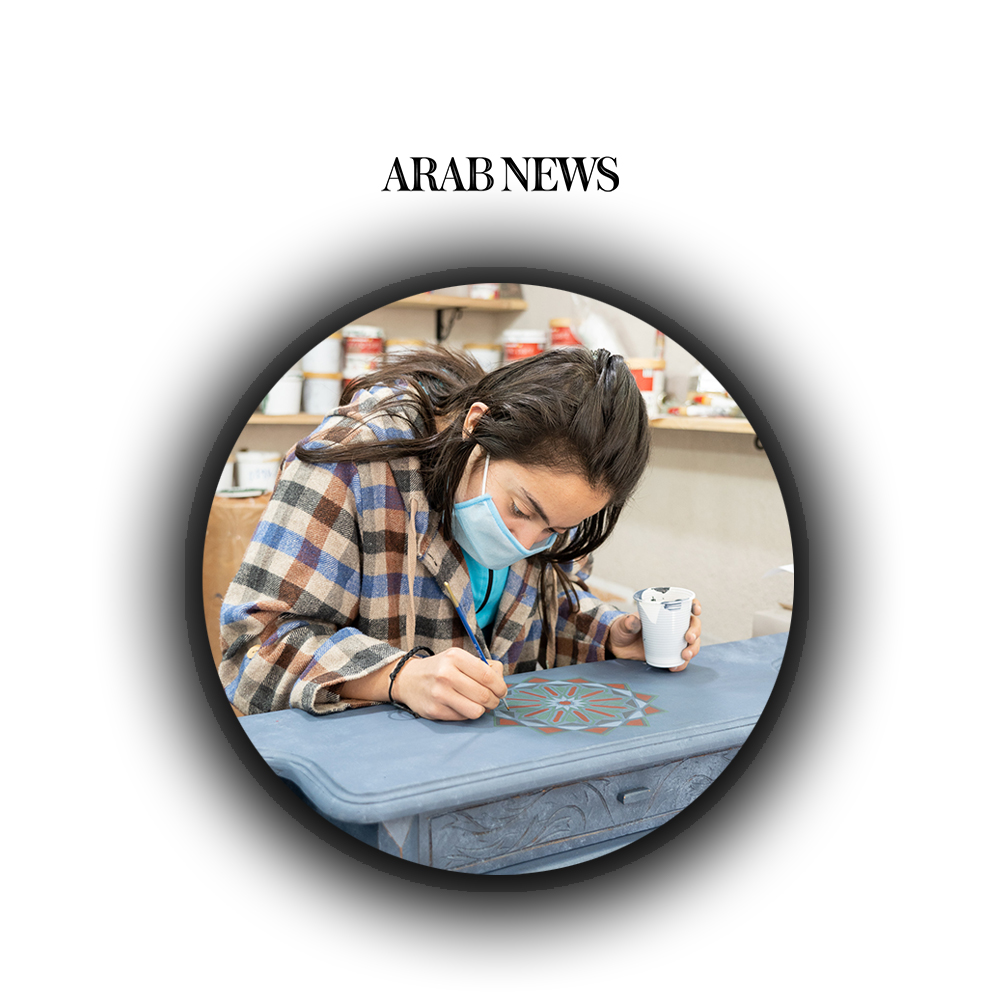
Arab News – À Tripoli, d’anciens combattants redonnent vie à des objets du mobilier
Coup d’envoi de l’exposition «Kan Ya Ma kan », (Il était une fois) au centre-ville de Beyrouth dans le cadre d’un projet lancé par l’association libanaise March Des produits intitulés « Histoires Inédites d’amour et de guerre » sont restaurés par d’anciens combattants ennemis aujourd’hui réconciliés, unis et réunis pour une même cause BEYROUTH : Ils sont jeunes, issus de quartiers défavorisés et voisins mais surtout ennemis. Pendant des années des rounds d’affrontements fratricides ont fait rage, sur fond de conflit syrien, entre Bab el-Tebbané, quartier à majorité sunnite, et Jabal Mohsen, à majorité alaouite dans la ville de Tripoli au Nord Liban. En 2015, la réconciliation a eu lieu grâce à l’initiative de l’armée libanaise, de figures politiques de la région et certaines ONG actives sur le terrain. C’est le cas de March une organisation non gouvernementale qui œuvre pour la promotion de la cohésion sociale et des libertés personnelles tout en plaidant pour l’égalité des droits grâce à son travail de consolidation de la paix et de résolution des conflits. « Ces jeunes n’avaient que la rue comme distraction, avec tous les dangers qu’elle présente, explique Léa Baroudi, fondatrice de March. Ils trainaient toute la journée et ne connaissaient que les armes pour s’exprimer. Nous avons travaillé avec un nombre d’entre eux (environ 300) à travers un large programme de réhabilitation et de réintégration afin de consolider la paix et la cohésion sociale dans cette région longtemps délaissée. Aujourd’hui, grâce à ce nouveau projet, ils ont appris un nouveau métier, celui de la broderie, de la calligraphie et de la restauration. Des métiers d’art et de culture pour ces jeunes qui, pour la plupart, n’ont connu que désillusions, pauvreté et combats. Dans un premier temps nous les soutenons dans la formation et le financement des produits utilisés. Par la suite, ils pourront être payés grâce à la vente de ces objets restaurés. Ils vont pouvoir s’auto suffire. » Le Bénéfice est économique, social et psychologique. Khaled fait de la broderie : « J’ai arrêté l’école à 8 ans. Puis j’ai passé ma jeunesse à combattre parce qu’on me disait : l’autre est un ennemi ! Lui est un autre ne lui fais pas confiance. » déclare-t-il. « Je suis marié et j’ai deux enfants, un garçon et une fille. Je vis chez mes parents. A cause des clashs j’ai été arrêté et emprisonné pendant un an. En sortant de prison jamais je n’aurais imaginé travailler côte à côte avec nos voisins de Jabal Mohsen, ou bien partager un repas. Eux que j’avais si violemment combattu. Jusqu’ au jour où j’ai ouïe dire que l’association March proposait un programme et j’ai découvert que j’avais la possibilité d’en bénéficier. » Natahalie Salameh, restauratrice de meubles anciens, dirige les formations. «Les objets anciens ont une histoire. Ils portent en eux l’empreinte et les souvenirs des personnes qui les ont acheté ou utilisé. Ils ont accompagné des vies. En les restaurant nous leur offrons une nouvelle vie. Un peu à l’image de ces jeunes qui ont également été délaissés dans le passé. Ils ont également, comme nous tous, leur histoire à écrire ou à dessiner. » Et pourtant, Nathalie avoue avoir rencontré des difficultés : « Réunir de vieux rivaux d’armes autour d’un projet artistique n’est pas une mince affaire. La mixité des hommes et des femmes non plus, ces jeunes étant issus d’un environnement conservateur. Et puis, c’était aussi un défi de leur faire sentir qu’ils bénéficiaient d’un réel support. » « Apres de longs mois de formation, nous avons décidé de chercher des objets anciens, en mauvais état voire abandonnés dans leurs quartiers à Beb El Tebbeneh et Jabal Mohsen. Pour les récupérer et leur redonner vie. Et voilà qu’aujourd’hui cette exposition voit le jour » ajoute-t-elle. Après l’explosion du Port, ces jeunes ont voulu montrer leur attachement à Beyrouth. De nombreux objets brodés, dessinés ou calligraphiés sont ainsi dédiés à la ville et portent un message d’amour pour la capitale : «en arabe ; Min Kalbi li Beyrouth, de la part mon cœur à Beyrouth ». Dans quelques mois, l’association va développer plusieurs projets à Beyrouth. Deux espaces culturels, fortement impactés par l’explosion, sont en cours de réhabilitation. « Nous allons transformer le 1er en atelier de restauration et le second, une galerie, en un lieu d’exposition pour les meubles restaurés. Nos jeunes pourront également former des amateurs intéressés par le recyclage de meuble. Un projet porteur d’espoir d’amour et de paix », conclut Lea Baroudi.
Feuding youths becoming change-makers
MARCH / THE BEB EL DAHAB INITIATIVE, TRIPOLI, LEBANON Young people formerly involved in violent conflicts receive training in the practical and emotional skills needed to rebuild their neighborhoods together. Presented by: Kinda Majari, Project Coordinator, MARCH Lebanon | Tripoli, Lebanon FEUDING NEIGHBORHOODS An Alawite and a Sunni neighborhood in Tripoli have been plagued by cross-generational resentment. Extreme marginalization and poverty left young men and women from these communities with a deep sense of hopelessness, which made them vulnerable to radical ideologies and resulted in clashes of violence. TRAINING EX-FIGHTERS MARCH Recruited vulnerable young people, such as exfighters and young female victims. They engage in cultural activities, are taught skills including construction and graphic design, and receive psycho-social support to help them channel their emotions and contribute to rebuilding their community. CONTRIBUTION TO PUBLIC SPACES The practice allowed over 300 previously feuding young people to be reconciled, while also rebuilding their neighborhoods that had been ravaged by the long sectarian war they had participated in. Over 350 shops were rehabilitated on former demarcation lines, public and green spaces created and beautified.
No Garlic No Onions Visits March’s Youth Rehabilitation Program in Tripoli
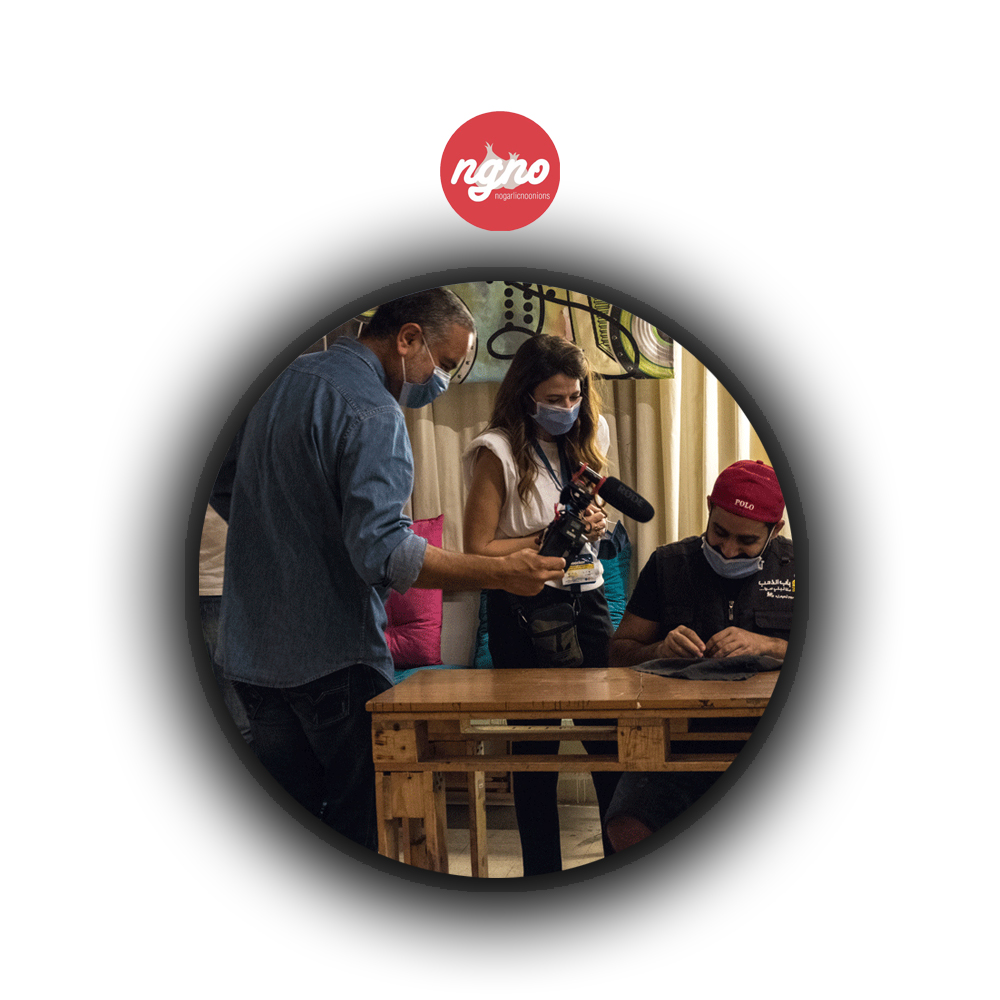
Watch a live tour by NoGarlicNoOnions of our facilities, Kahwetna and Kanyamakan, on the former front lines! A path of change, from war enemies to carpenters, seamsters, tour guides, cooks, gardeners, builders and artists… It’s a story of love and war. Anthony Rahayel, in his brief documented tour, shed light on these wonderful people’s hidden talents and potentials. He witnessed a space of creativity and development. The tour was concluded with a generous donation of 300 baskets of wonderful fresh produce to distribute in Tripoli!
DOLLS WITH A STORY
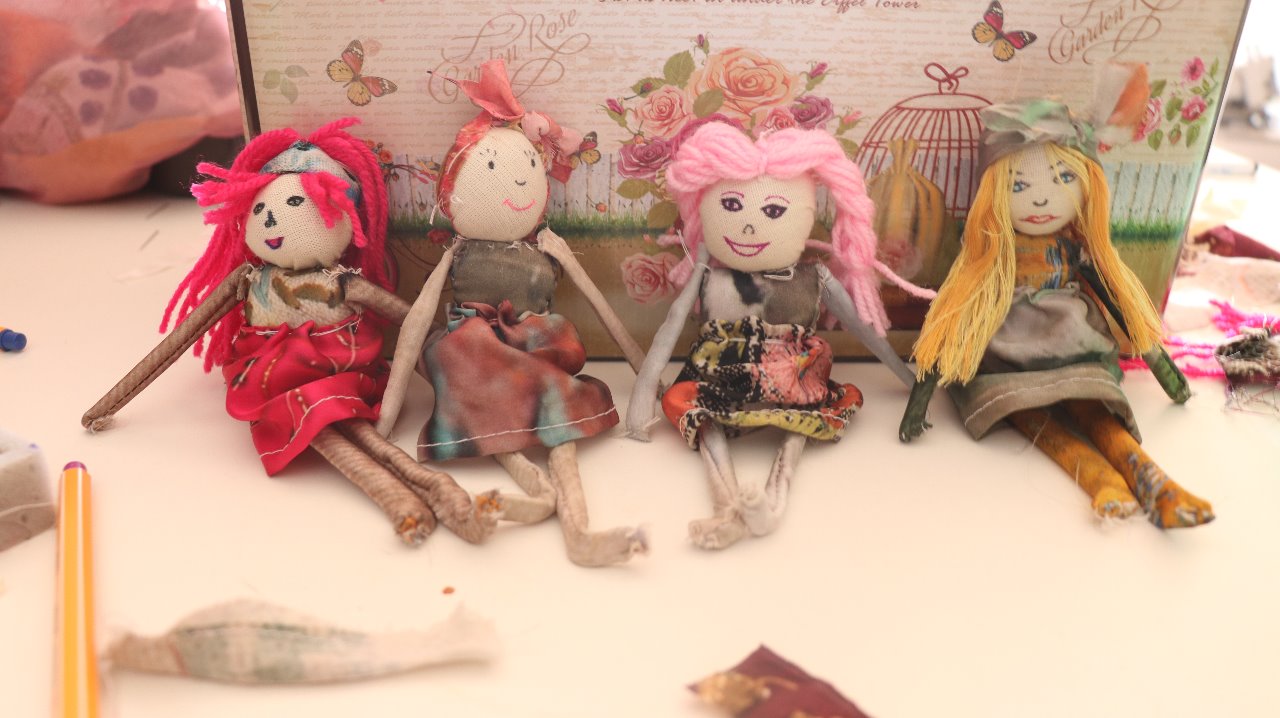
A story of Love and War from the heart of Tripoli MARCH has recently collaborated with the Bokja design studio- a brand that is dedicated to reviving regional textile practices and building a regional network of artisans. The initiative entailed employing the local craftsmanship of young men and women from Beb El Tabbaneh and Jabal Mohsen to create customized handmade dolls from materials provided by Bokja’s atelier. This process allowed the youth to discover new skills and explore new means of self-expression through this creative outlet. Each piece is unique and handcrafted with care and reflects the special touch of its maker. In addition to learning a new trade, this initiative aims to give the participants a sense of pride in their work. After all, producing their own goods is an important step towards empowering these youths and helping them build a better future for themselves and their communities. This collaboration took place in MARCH’s bran new creative lab. The facility was buzzing with amazing energy and dolls’ vibrant colors were just the cherry on top the cake!
RENOVATIONS FOR THE COMMUNITY BY THE COMMUNITY
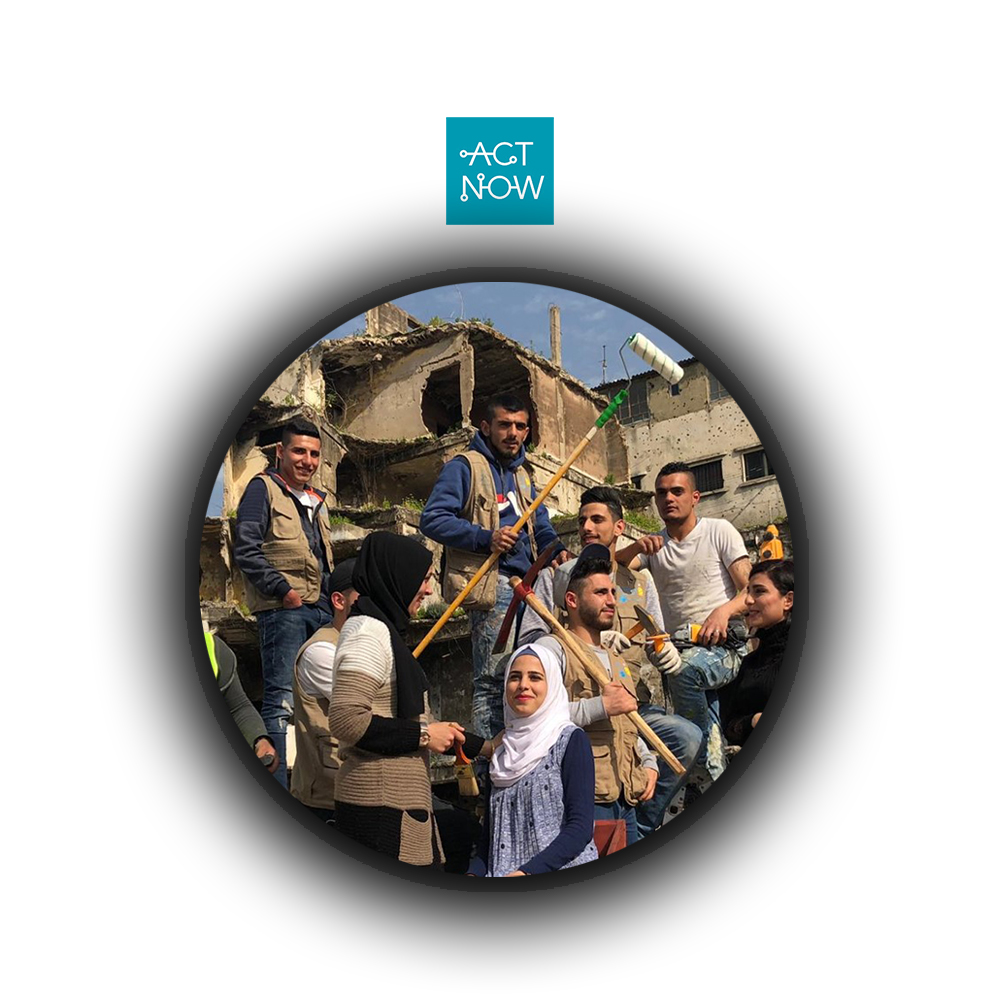
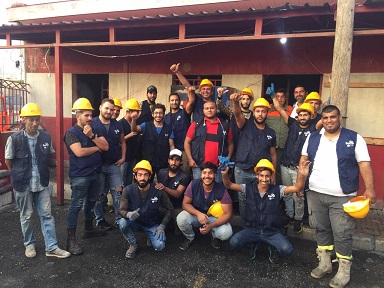
Our work with the communities of Beb El Tabbaneh and Jabal Mohsen through the Beb El Dahab rehabilitation and reintegration program has been an important pillar of our other initiatives. MARCH realized that providing the youth with a holistic set of marketable skills would enable them to access better opportunities and shift the trajectory of their lives for the better. Furthermore, we realized that creating spaces that would allow for positive and constructive dialogue would help bridge the exiting social gaps. Therefore, MARCH decided to recreate the Beb El Dahab experience in Beirut by bringing together marginalized youth from Chiah, Madina Riyadia and Tariq Al Jadida. Together they would help renovate the Regional Center of Beirut’s Civil Defense Department in Cola. Over the duration of six weeks, the team gave the facility a complete makeover. The selected group was given extensive on-the-job technical and vocational training in construction and graphic design. The young men explored numerous trades such as plastering, electrical work and plumbing which helped them refurbish the center’s infrastructure. The women on the other hand were given the tools to conceptualize and develop the center’s new look. Additionally, the afternoons were dedicated to interactive and intensive language and mathematics classes. Following the completion of the restoration works were completed, the center was inaugurated in the presence of the British Ambassador, His Excellency Chris Rampling. The success of this initiative proved that this was more than just a reconstruction project; it is a life-long investment in these individuals’ futures. This has encouraged us to take on the renovation and maintenance of the Bashoura Civil Defense unit which is now in its last phases. Our organization is proud to have supported the Lebanese Civil Defense, an institution whose mission and values embody MARCH’s message of unity, diversity and coexistence and whose volunteers have selflessly dedicated themselves to this country.
L’Orient-le Jour – MARCH LANCE LA RÉCONCILIATION PAR LE BATIMENT
L’Orient Le Jour Le chef du gouvernement a affirmé qu’il œuvrera auprès de l’Union européenne pour faire figurer le projet Bedco parmi les programmes soutenus par la conférence de Paris. Favoriser aux jeunes marginalisés de Tripoli des opportunités de travail dans le bâtiment en vue de leur faire reconstruire une communauté apaisée et à l’écart des conflits politiques et religieux, tel est l’objectif du projet de Bab el-Dahab Construction (Bedco), lancé hier par l’ONG March au Grand Sérail, sous le patronage et en présence du chef du gouvernement Saad Hariri. Soutenue par l’ambassade du Royaume-Uni, cette démarche sociale de l’association présidée par Léa Baroudi s’inscrit dans le sillage de l’initiative réalisée par l’ONG en décembre 2016 en réhabilitant d’anciens combattants sunnites et alaouites de Bab el-Tebbané et Jabal Mohsen, au moyen de leur implication dans la remise en état de plus de 300 magasins détruits par la guerre sur les lignes de démarcation. C’est en présence de jeunes gens et jeunes filles des deux régions et devant une nombreuse assistance, dont l’ambassadeur britannique Chris Rampling, la ministre de l’Intérieur Raya el-Hassan, les députés Sami Fatfat et Dima Jamali, les anciens ministres Ghattas Khoury, Ziyad Baroud et Nicolas Nahas, et l’ancien député Ahmad Fatfat, que Léa Baroudi a remercié MM. Rampling et Hariri pour leur appui à ce projet propre à « assurer un meilleur avenir aux jeunes défavorisés à travers des offres de travail dans le bâtiment, en même temps que leur faire assumer un rôle et une responsabilité à l’égard de la société et du pays ». Précisant que Bedco est une entreprise sociale à but non lucratif, créée dans le but de promouvoir la résolution des conflits à travers le développement socio-économique, la présidente de March a affirmé que « les bénéfices financeront la reconstruction d’autres quartiers marginalisés », et exprimé sa volonté de contribuer à « remplacer le passé douloureux par un avenir d’espoir ». Deux vidéos ont ensuite été diffusées, dans lesquelles de jeunes Tripolitains ont fait part de leur expérience avec l’association March, affirmant que celle-ci est parvenue à « changer la mentalité d’élimination de l’autre » en les encourageant à « réparer ensemble ce qui a été détruit ». Les images ont montré des séquences de sessions de formation au cours desquelles plus de 300 jeunes ont été initiés à diverses techniques de construction : les garçons au plâtrage, à la peinture, à l’électricité et au travail du fer ; et les femmes au graphisme et au marketing. « Se débarrasser de l’esprit de rivalité » Dans le discours qu’il a prononcé pour l’occasion, M. Hariri a salué l’initiative, estimant que « de telles actions de qualité constituent des éléments de vraie réconciliation ». Il a par ailleurs souhaité que « Bedco fasse partie des projets soutenus par le processus CEDRE », soulignant qu’il œuvrera en ce sens auprès de l’Union européenne. Le chef du gouvernement s’est ensuite adressé aux jeunes convertis, notant que la démarche de March « a contribué à (les) faire sortir de l’histoire de haine qu’on a voulu semer en (eux) ». Et de déplorer au passage que « des responsables politiques n’ont pu à ce jour se débarrasser eux-mêmes de l’esprit de rivalité qui a détruit le pays ». Quant à M. Rampling, il s’est félicité de ce que Bedco « est parti d’une idée pour devenir une réalité », exprimant sa « hâte » de voir les résultats du projet. L’ambassadeur britannique a déclaré dans ce cadre que son pays « s’est donné pour mission de soutenir de tels projets, qui ont un impact sur la vie des individus », estimant qu’« ils donnent un espoir aux gens tout en contribuant au développement économique de leur pays ». L’événement a été en outre marqué par une chanson interprétée par Corinne Metni, dans laquelle la soprano exprime ce en quoi l’association March croit, à savoir « l’amour et la paix ». « Cessez toutes les querelles et recommencez une nouvelle vie sans démons et sans armes », a-t-elle chanté. Deux jeunes gens ont par ailleurs interprété un morceau de rap dans lequel ils racontent comment leur vie s’est transformée grâce à l’association March, qui a cru en leurs capacités et créé en eux un sentiment d’appartenance à une société unifiée. Saad Hariri et Léa Baroudi ont ensuite posé pour des photos, entourés des anciens jeunes combattants. L’un d’eux, Chadi Youssef, de Bab el-Tebbané, affirme à L’Orient-Le Jour qu’il a grandi avec « la haine » des habitants de Jabal Mohsen que lui ont transmise ses parents. « Quand par la suite les événements de 2008 ont éclaté, j’ai combattu avec rage alors que je n’avais que 19 ans », raconte-t-il, se souvenant que lorsque le plan de sécurité (2014) a été établi, son moral « était au plus bas », et qu’il avait le sentiment que sa vie « s’était arrêtée ». « À présent, grâce à l’initiative de March, je pense fonder une famille et construire un logement », déclare-t-il, notant qu’il offre désormais ses services d’électricien tant dans son quartier qu’à Jabal Mohsen. À côté de lui, un alaouite de 25 ans, Jaafar Khaddouge, affirme également qu’avant la démarche de l’ONG, il n’osait pas sortir de son quartier, mais que « Mme Baroudi s’est déployée pour nous convaincre de l’inanité de la guerre et de la haine, nous poussant à travailler dans le secteur jadis ennemi et à fréquenter pendant l’heure de pause le café Kahwatouna, qu’elle a ouvert dans la zone située entre les deux quartiers ». Un café qui, selon certaines informations, devrait bientôt être complété à l’étage supérieur d’un « bed and breakfast », comme pour montrer aux visiteurs que la réconciliation est bien scellée.
HOW FORMERLY EMBATTLED TRIPOLI NEIGHBORS ARE NOW STRUGGLING TOGETHER
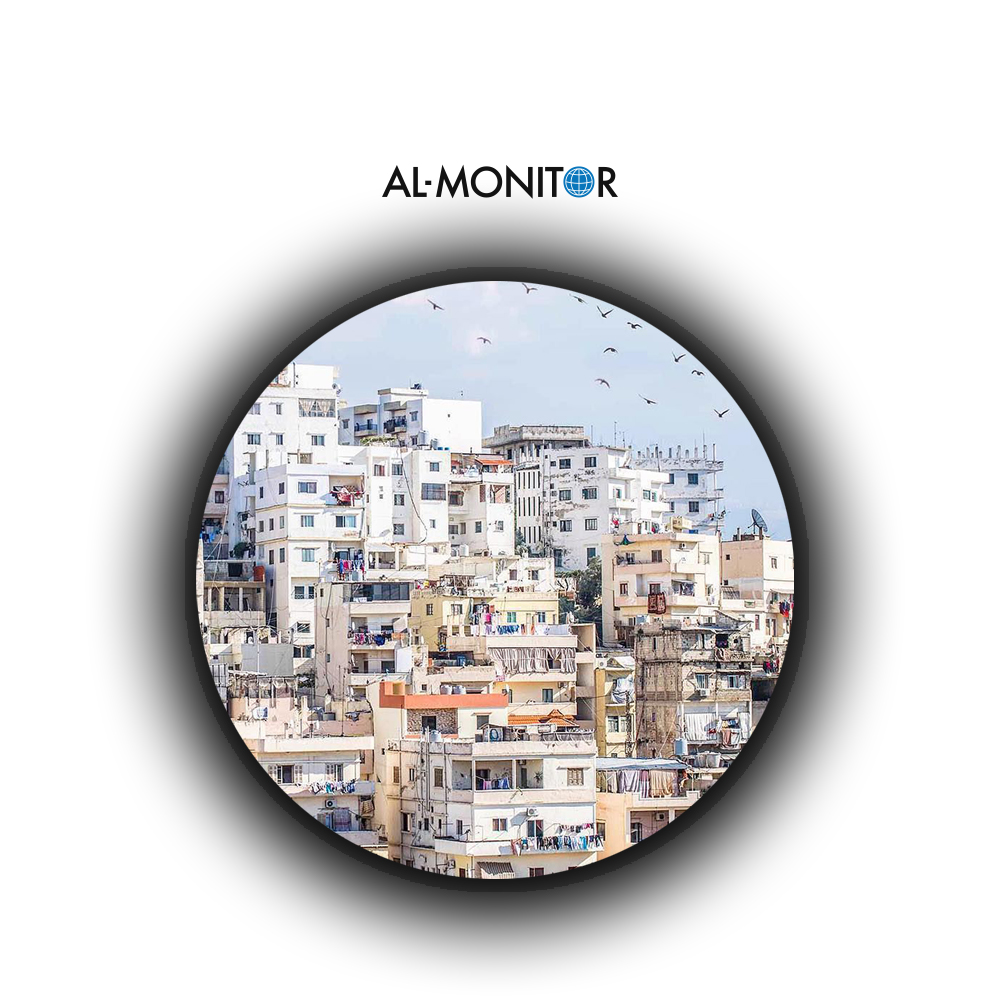
Al Monitor TRIPOLI, Lebanon — In the final weeks of the Muslim holy month of Ramadan, more than 100 people gathered on May 25 for iftar (the breaking of the fast) in Tabbaneh Park, one of the only green spaces in the Bab al-Tabbaneh neighborhood of Tripoli. The meal was the third of its kind organized for residents of Sunni-majority Bab al-Tabbaneh and neighboring majority-Alawite Jabal Mohsen, two districts that engaged in deadly on again, off again violence from 2008 to 2015. The two communities coming together for iftar is a testament to the progress that has taken place in the area over the last four years. “The annual iftar is an example where Tabbaneh Park hosts people from diverse backgrounds,” said Mohamad Minkara, deputy director of the Lebanese Center for Research and Studies, which helped organize the event, held in conjunction with the Tripoli municipality and others. “People’s hope for a peaceful life and coexistence with diversity has never been destroyed.” The May 25 iftar is but one of the many ways in which nongovernmental organizations (NGOs) have worked to implement social programs to address the challenges Bab al-Tabbaneh and Jabal Mohsen’s residents face. In the years after clashes wracked the two neighborhoods, social interaction between them has markedly increased, and opportunities provided by NGOs have improved employment prospects for locals, connected students with educational assistance and created common spaces where residents from both communities can gather. Such bright spots remain few and far between, however. Although the government of Tripoli offers limited assistance programs, residents and NGOs alike cite ongoing unemployment and a lack of adequate government involvement as serious barriers to broader socioeconomic stability in these neighborhoods. According to NGO staff who work there, the possibility remains that under certain circumstances, violence could one day return. The clashes between 2008 and 2015 in Bab al-Tabbaneh and Jabal Mohsen left hundreds dead. The conflict was driven by political, socioeconomic and arguably sectarian factors and later exacerbated by the Syrian civil war that erupted next door in 2011. In the years since the fighting stopped, a number of initiatives have focused on art, storytelling and social endeavors to strengthen communities there. In 2016, Lea Baroudi, co-founder and director of the MARCH Lebanon, opened Kahwetna, a coffee shop on Syria Street, the main thoroughfare that separates Bab al-Tabbaneh and Jabal Mohsen. The cafe promotes coexistence by providing youths access to art, workshops and a space to meet people from the other neighborhood. Baroudi told Al-Monitor that she has witnessed the transformational impact the cafe has had on young people in the area. When a cafe patron adopts a more open attitude toward his or her neighbors, it has a ripple effect on their families and friends. “I feel that there has been a shift and a change,” Baroudi said. “I feel that [youths from both neighborhoods] are more and more realizing that they are both suffering a lot from what’s happening.” In addition to offering cultural opportunities, Baroudi and MARCH have also sought to address the underlying poverty and unemployment that created the conditions for violence. One ongoing project, Bab al-Dahab, has trained young men and women in manual and technical skills and then employed them to rebuild shops and rehabilitate streetscapes. As participants note, the program necessitates interaction, as people from both neighborhoods work on projects together. Ahmad Shaaban, a former fighter from Bab al-Tabbaneh, said his work with MARCH changed how he views people from the neighborhood across the street from him. “We had the idea about Jabal Mohsen that I don’t like them, and they don’t like me,” Shaaban told Al-Monitor. “But when I began working with them, everything changed. Now, we’ve [turned] a new page.” Baroudi emphasized that Bab al-Dahab was designed to help participants develop basic job and interpersonal skills that they can take to other workplaces. She said that since the project began, MARCH has secured employment for 45 young men at Café Najjar, a major coffee company based in Beirut. MARCH has not been alone in such efforts. In 2017, the street art duo Ashekman, consisting of twins Omar and Mohamed Kabbani, worked with residents to paint a miles-worth of rooftops in the two neighborhoods to spell out the Arabic word for “peace” as part of Operation Salam. Omar told Al-Monitor that he and his brother employed 52 local residents for three weeks to complete the project. Organizations have also focused on education. Minkara told Al-Monitor that tutoring classes offered by his group have contributed to a 60% increase in students passing official exams. Another NGO, Ruwwad al-Tanmeya, has focused on securing scholarships and internships for students and fostering community leadership and entrepreneurship in the area since 2012. Hoda Rifai, the youth officer at Ruwwad, told Al-Monitor that even though the impact of such programs is not always as extensive as it could be, even a small improvement can change several lives at once. “For me, if one person from Ruwwad starts to work, he can help a household,” she said. “He can help his brothers and sisters. If the father is jobless, he can help him.” Yet, when thinking more broadly, Rifai is hardly optimistic. “If you look [at it] economically, the number of dropouts from schools, the number of jobless people is always the same, and it is even worse [today] because now the economic situation in all of Lebanon is getting worse,” she said. Ahmad, an unemployed youth from Bab al-Tabbaneh, praised the work that NGOs like MARCH are doing but confirmed to Al-Monitor that the economic realities have worsened over the last four years. Faced with daunting challenges like unemployment, a lack of healthcare access, poor education and rampant drug addiction, Baroudi, Rifai and residents all told Al-Monitor that NGOs alone cannot pull the neighborhoods out of crisis. According to them, more government intervention is a must for Bab al-Tabbaneh and Jabal Mohsen. Tripoli city council member Chadi Nachabe told Al-Monitor that in addition to providing several initiatives